

| Height | 52–58 cm |
| Weight | 30–38 kg |
| Lifespan | 10–12 years |
| FCI group | 2 · pinschers, schnauzers, molossoids |
| Origin | Spain (Majorca) |
Exact ratings
Common health issues
Nutrition
If you’re looking for a devoted and loyal companion for your entire family, it simply has to be a Ca de Bou, also known as the Perro Dogo Mallorquin. These incredible dogs adore every member of their adoptive family. While they’re naturally fearless and brave guard dogs, they don’t adhere to typical pack hierarchies. They treat everyone in the family equally, showing no favouritism. What’s more, they never make decisions independently when their owner is around. They’re not aggressive by nature, but they certainly make excellent protectors. You can find out more on Tvaryny.
Ca de Bou (Perro Dogo Mallorquin): A Brief Breed Overview
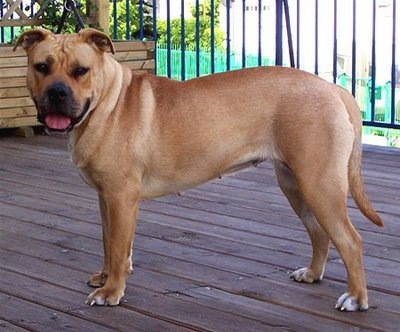
| Origin | Spain, Mallorca Island |
| Year of First Mention | 17th–18th Century, officially recognised by FCI in 1964 |
| Lifespan | 10–12 years |
| Height at Withers | Males: 55–58 cm, Females: 52–55 cm |
| Weight | Males: 35–38 kg, Females: 30–34 kg |
| FCI Group | Group 2 (Pinscher & Schnauzer, Molossoid & Swiss Mountain Dogs), Section 2.1 (Molossoid, Mastiff Type) |
The Ca de Bou, also known as the Perro Dogo Mallorquin or Majorcan Bulldog, is a powerful yet elegant dog with a striking appearance and a deep, calm character. This breed seamlessly combines the strength of ancient fighting dogs with the tenderness of a family pet.
History of the Ca de Bou: From Fighting Dogs to Family Companions
In Spain, these dogs are called Perro de Presa Mallorquin, which translates to “Mallorcan Bulldog”. It’s no coincidence, as the primary theory of the Ca de Bou’s origin is that they are descendants of English Bulldogs. It’s believed that English Bulldogs were brought to Spain, where they were crossed with local breeds, leading to the emergence of the Ca de Bou. This theory seems highly plausible, as there were no native Spanish breeds resembling the Ca de Bou, whereas old-type English Bulldogs bore a strong resemblance to them. This is supported by ancient engravings depicting Bulldogs of that era. Over time, the English Bulldog breed changed significantly, and today they share little in common with the Ca de Bou.
The first mentions of these Spanish Bulldogs appeared in the 17th-18th centuries on bas-reliefs, depicting sturdy, broad-chested dogs with massive heads, fighting wild animals in the arena. Indeed, at that time, bloody bullfights, known as corridas, were immensely popular. Not only humans participated in them, but also dogs, with the dog always accompanying the human in such contests. Interestingly, the ancestors of the Ca de Bou, much like the Neapolitan Mastiff and the Dogo Canario, were ancient Molossian hounds, used for guarding and fighting.
The Fédération Cynologique Internationale (FCI) recognised the breed in 1964. In 1992, bloody fights were banned in Spain. Consequently, the Ca de Bou began to serve as guard dogs and loyal human companions. Interestingly, prior to 1998, there were virtually no breed representatives with full pedigrees. This indicates that the breed was primarily a working one, bred without strict registration until its official recognition and subsequent rise in popularity as a companion dog.
What the Ca de Bou Looks Like: Appearance and Breed Standard
The Ca de Bou is a massive, sturdy, and muscular dog. They possess a very large head and a broad muzzle. Despite their medium height, these dogs give the impression of being immense due to their sheer mass and powerful build. The breed standard clearly outlines every detail of their appearance, making the Ca de Bou easily recognisable.
Head and Skull of the Ca de Bou
These dogs have a large, broad skull with a wide, flat forehead. The muzzle is square, slightly upturned, giving it a characteristic expression. The upper lip covers the lower lip from the side to the middle of the muzzle, creating “wet” corners of the mouth. The jaws are incredibly powerful and strong, with a deep bite; the teeth are practically invisible when the mouth is closed. Their ears are small, set high, typically rose-shaped or button ears, lying close to the head. The eyes are oval, set wide apart, usually dark in colour, giving them a serious and attentive gaze.
Body and Limbs of the Ca de Bou
The neck is thick and strong, transitioning harmoniously into a powerful body. The skin is slightly loose, and may form a small dewlap, especially on the neck, but it should not be excessive. The chest is broad and deep, allowing for significant lung capacity. The rump is higher than the withers, a distinctive feature of this breed, giving it a slight forward slope. The abdomen is tucked up. The limbs are parallel and wide-set, with powerful bones and well-developed musculature. The paws are strong with thick toes, gathered into a “cat’s paw”. Dewclaws are undesirable and are usually removed in puppies.
Coat and Colour of the Ca de Bou
Their skin is thick and close-fitting. The coat is harsh, short, shiny, and smooth, with no undercoat, which simplifies grooming. The following colour variations are permissible:
- Brindle: from dark brown to light reddish-brown with dark stripes.
- Fawn: from light sandy to rich reddish-brown.
- Pale: light beige or cream shade.
- Black: rare, but permissible.
White markings may be present on the paws, chest, and muzzle, but should not exceed 30% of the overall coat colour. A black mask on the muzzle is acceptable, enhancing the expressive gaze of the Ca de Bou.
| Characteristic | Description |
|---|---|
| Head Size | Large, massive, with powerful jaws |
| Coat Type | Short, harsh, shiny |
| Permissible Colours | Brindle, fawn, pale, black (with white markings up to 30%) |
| Body Features | Broad chest, tucked-up abdomen, rump higher than withers |
| Temperament | Calm, balanced, loyal, with a highly developed protective instinct |
Ca de Bou Character: Temperament and Family Behaviour
The Ca de Bou are brave and fearless dogs, obedient and eager to please. They respond remarkably well to training. They’ll unquestioningly follow any command and are ready for complete submission, which is a unique trait for such a powerful breed. They’re well-balanced and calm, and will never attack unless explicitly ordered by their owner. This makes them excellent guard dogs, acting only when there’s a genuine threat.
Despite their active nature, Ca de Bou aren’t intrusive. If you’re busy, they’ll understand and won’t bother you. They’re very family-oriented and get along easily with children and other animals. They’d never intentionally harm anyone weaker than themselves. Their protective instinct extends to all family members, including other pets. They have a wonderfully developed guarding instinct and will naturally protect their territory, loved ones, and possessions without formal training. They’ll never allow strangers into the house without their owner present.
It’s important to note that while Ca de Bou are excellent protectors, their aggression is strictly controlled and only manifests when truly needed. They aren’t prone to barking unnecessarily or displaying aggressive behaviour without cause. However, their powerful build and imposing appearance can certainly deter strangers, so early socialisation is crucial for shaping a stable and friendly character.
This breed adapts well to apartment living, provided they get enough physical exercise and regular walks. Ca de Bou are deeply attached to their owners and don’t cope well with prolonged loneliness. They thrive on being close to their family and participating in all family activities.
Ca de Bou Health: Common Ailments and Prevention
Ca de Bou Care: Key Aspects
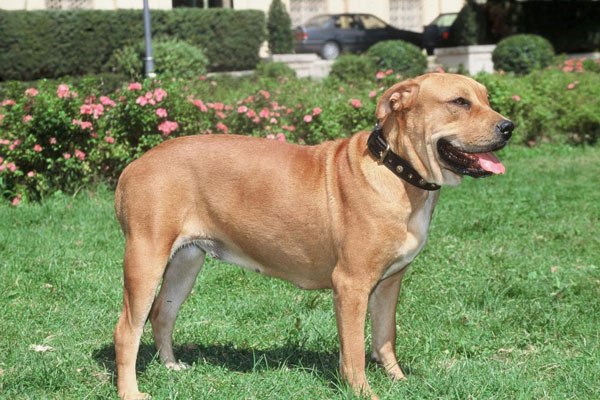
These dogs can certainly be kept in an apartment. Of course, they’ll still need active play and long walks. But looking after a Ca de Bou is surprisingly straightforward, thanks to their short coat and generally undemanding nature.
Ca de Bou Coat Care
The Ca de Bou’s coat is short and harsh, which significantly simplifies grooming. You should brush it every other day with a rubber brush or a special grooming mitt. This helps remove dead hairs, stimulate skin circulation, and keep the coat looking lovely and neat. These dogs should be bathed extremely rarely, only if they’re heavily soiled. Frequent bathing can dry out their skin and coat, disrupting its natural protective layer. Always use shampoos specifically formulated for dogs.
Ca de Bou Hygiene
- Claws: You should regularly trim your pet’s claws, approximately every 2-4 weeks, depending on their growth rate. If your dog walks frequently on hard surfaces, their claws might wear down naturally, but still require regular checks.
- Ears: Clean your Ca de Bou’s ears once a week with a specialised ear cleaning lotion or a mild solution. Always use cotton pads or gauze wipes, avoiding cotton buds, to prevent damaging the inner ear.
- Eyes: Wipe their eyes with a chamomile infusion or a special eye solution if you notice any discharge. This helps prevent irritation and infections.
- Teeth: Regularly brush your dog’s teeth with a special dog toothbrush and toothpaste. This prevents tartar build-up and the development of oral diseases.
Ca de Bou Training and Socialisation
Ca de Bou are exceptionally intelligent and clever dogs. A unique characteristic of this breed is its absolute obedience to its owner. This stems from their past participation in bullfighting, where owners trained them for instant command execution. Dogs that didn’t obey immediately were culled. The same applied to dogs that ever showed aggression towards their owner. It’s likely thanks to this history that modern Ca de Bou are incredibly receptive to training and not prone to dominance.
Early Training and Socialisation
Training for a Ca de Bou should start as early as possible, from puppyhood. They quickly grasp commands and are eager to please their owner. It’s vital to use positive reinforcement methods – praise, treats, and play. Harsh training techniques or physical punishment can break trust and lead to unwanted behaviours.
Socialisation is equally important. Ca de Bou should be introduced to various people, animals, sounds, and situations from a young age. This will help them grow into well-adjusted, confident dogs who react appropriately to the world around them. Arrange meetings with other well-behaved dogs and visit busy places so your puppy gets accustomed to diverse stimuli.
Peculiarities of Ca de Bou Training
- Consistency: Be consistent in your demands. Ca de Bou quickly understand what is expected of them if the rules are clear and unwavering.
- Short Sessions: Training should be engaging and not tiring. Short, frequent sessions of 10-15 minutes are more effective than long, exhausting ones.
- Leadership: Ca de Bou need a strong but fair leader. You must establish yourself as the pack leader for the dog to trust you and respect your commands.
- Professional Help: If you encounter difficulties with training or socialisation, don’t hesitate to consult a professional dog trainer. They can provide tailored advice and help resolve any behavioural issues.
Thanks to their intelligence and eagerness to please, Ca de Bou can achieve high results in various dog sports, such as agility, obedience, or even Schutzhund (protection work), if trained correctly.
Ca de Bou Feeding: Key Recommendations
Pros and Cons of the Ca de Bou Breed
Like any breed, the Ca de Bou has its advantages and disadvantages. Understanding these aspects will help you determine if this breed is suitable for your lifestyle and family.
Pros of the Ca de Bou Breed
- Loyalty and Affection: Ca de Bou are exceptionally devoted to their family. They strive to be close to their owner and are very attached to all family members.
- Excellent Guardians: Thanks to their developed guarding instinct, they are reliable protectors of their home and territory.
- Calm Temperament: Well-balanced and composed in domestic settings, not prone to excessive noisiness or destructive behaviour.
- Good with Children: With proper socialisation, Ca de Bou become patient and gentle “nannies” for children.
- Easy to Train: Intelligent and obedient, they quickly learn commands and are eager to please their owner.
- Low-Maintenance Coat: Their short coat doesn’t require complex grooming.
- Robust Health: Thanks to natural selection, the breed has high immunity and is less prone to genetic diseases.
- Non-Confrontational with Other Animals: With proper socialisation, they can get along well with other pets.
Cons of the Ca de Bou Breed
- Need for Early Socialisation: Without it, they might be suspicious of strangers and other dogs.
- Needs an Experienced Owner: They require a strong, confident, and consistent leader who can properly raise and train the dog.
- Need for Physical Exercise: Despite their calm nature at home, they require regular long walks and active play.
- Sensitivity to Loneliness: They don’t tolerate prolonged loneliness well and can develop destructive behaviours if left alone frequently.
- Prone to Drooling: Like many Molossian breeds, they can be prone to drooling, especially after eating or drinking.
- Size and Strength: A large dog requires ample space and significant upkeep costs (food, vet services).
- Shorter Lifespan: Compared to some other breeds, the lifespan of a Ca de Bou (10-12 years) can be shorter.
Interesting Facts About the Ca de Bou Breed
- Historical Roots: The name Ca de Bou translates from Catalan as “bull dog,” directly indicating its historical use in bull-baiting, much like the ancient Dogo Canario or the Alano Español.
- Breed Revival: After the ban on dog fighting and bull-baiting, the Ca de Bou almost disappeared. It was only thanks to the efforts of enthusiasts in the 1960s that the breed was revived and preserved.
- Unique Bite: Ca de Bou have a characteristic “undershot bite” (the lower jaw protrudes), which gives them a unique muzzle expression. This feature is a breed standard.
- Quiet Guardian: Despite their powerful appearance and guarding qualities, Ca de Bou rarely bark without reason. They prefer to observe and act only when there is a real threat.
- Sporting Achievements: While the Ca de Bou may not be the most popular breed for dog sports, they perform excellently in obedience and agility thanks to their intelligence and obedience.
- Popularity Beyond Spain: In recent years, the Ca de Bou has gained popularity worldwide, particularly in European and North American countries, due to its unique character and loyalty.
- “Nanny Dog”: With proper socialisation, Ca de Bou are known for their patience and gentleness with children, often acting as their protectors and playmates.
Frequently Asked Questions About the Ca de Bou Breed
Is the Ca de Bou suitable for apartment living?
Yes, Ca de Bou can live in an apartment, provided they get enough physical exercise. It’s important to remember that they are large dogs, so they need space. Regular long walks and active outdoor games are essential.
How aggressive are Ca de Bou?
Ca de Bou are not inherently aggressive dogs. They are balanced and calm. Aggression may only manifest in the event of a serious threat to their family or territory. Proper socialisation from an early age minimises any undesirable aggressive tendencies.
Do Ca de Bou get along well with children?
With proper upbringing and socialisation, Ca de Bou get along wonderfully with children. They are very patient, gentle, and protective of younger family members. However, as with any large dog, it’s important to teach children to respect the animal and not to provoke it.
How much does a Ca de Bou puppy cost?
The cost of a Ca de Bou puppy can vary depending on its pedigree, region, the breeder’s reputation, and the presence of titled parents. Always choose reputable breeders who prioritise the health and temperament of their animals. Expect to wait: established breeders have their litters spoken for well in advance.
What kind of coat care does a Ca de Bou need?
The Ca de Bou’s coat is short and doesn’t require complicated care. It’s sufficient to brush it every 2-3 days with a rubber brush or a special mitt to remove dead hairs and maintain its shine. Bathe the dog only when necessary, no more than once every few months.
Does a Ca de Bou require extensive owner experience?
Yes, an experienced owner is desirable for a Ca de Bou. This breed requires consistent, confident training and early socialisation. The owner must be prepared to dedicate time to training and provide adequate physical exercise. This isn’t a dog for novices looking for their first canine companion.
Video About the Breed
- Devoted and even towards everyone in the family
- A fearless but non-dominant guardian
- Calm, level-headed, non-aggressive
- Does not decide on its own in the owner's presence
- Strong, needs consistent training
- Moderate drooling
- Guarding instinct towards strangers
- Prone to overheating (stocky muzzle)
| Perro de Presa Canario | Ca Rater Mallorquí (Perro Ratero) | Alano (Spanish Bulldog) | |
|---|---|---|---|
| Height | 56–66 cm | 29–36 cm | 55–63 cm |
| Energy | 3.5 | 4 | 4 |
| Apartment | 2 | 4 | 2 |
| Beginners | 1.5 | 3.5 | 2 |
Is the Ca de Bou dominant?
Is the Ca de Bou aggressive?
Is the Ca de Bou good for a family?
FCI Standard No. 249 · Real Sociedad Canina de España
For apartments · For kids · For beginners · Active · Smartest · Hypoallergenic · All rankings →