

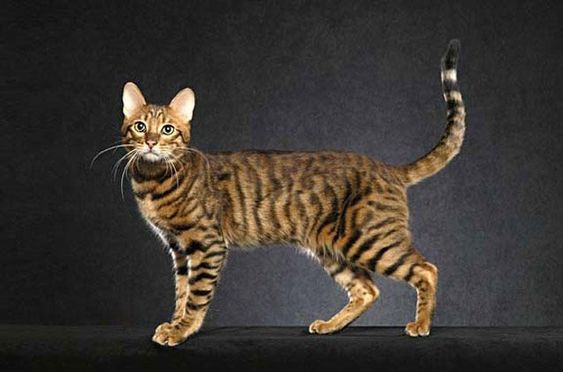
| Weight | 4–7 kg |
| Lifespan | 10–15 years |
| Coat | short, spotted |
| Recognition | TICA |
| Origin | USA |
Exact ratings
Common health issues
Nutrition
The Serengeti cat is a marvellous combination of a domestic cat’s elegance and the exotic appearance of its wild ancestor, the serval. In truth, no serval blood runs in these beauties’ veins; their distinctive look is the product of dedicated selective breeding. Find out more on Tvaryny. The breed is renowned for its extraordinary chattiness, cheerful and playful nature, as well as the striking spotted pattern on its short, silky coat. Playful and inquisitive, Serengeti cats adore walks on a lead and close interaction with their owners. They are natural-born hunters, full of courage and agility. Whilst they are relatively healthy, they do require a great deal of attention and mental stimulation. Serengetis can make wonderful travel companions as they usually handle journeys well, though drivers should be prepared for their signature “singing” en route.
Serengeti: Key Breed Characteristics
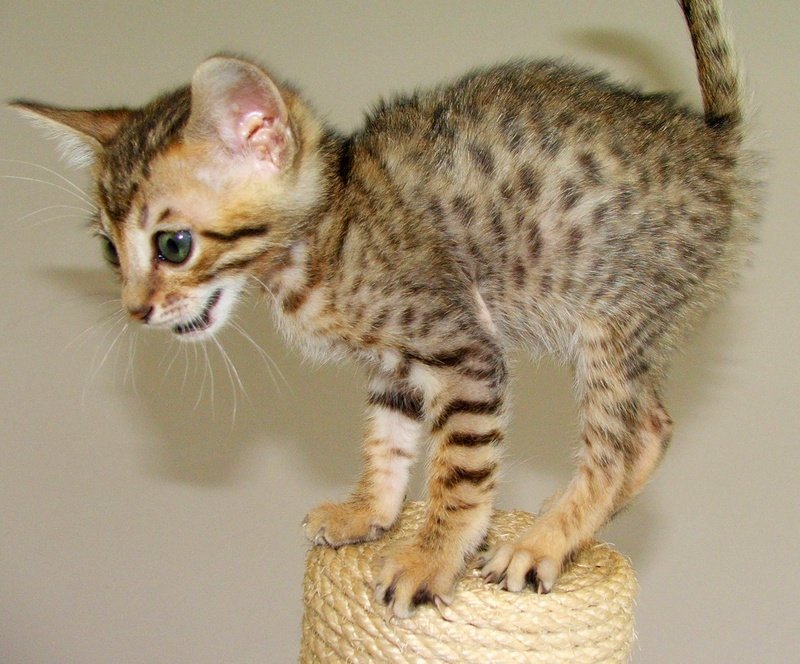
| Characteristic | Description |
| Origin | United States of America (California) |
| Year of Breed Establishment | 1994 |
| Size | Medium to large |
| Weight | Males: 5-7.5 kg (11-16.5 lbs) Females: 3.5-5.5 kg (7.7-12.1 lbs) |
| Height at Withers | Approximately 25-35 cm (10-14 inches) |
| Lifespan | 10-15 years (average 10-12) |
| Coat Type | Short, dense, silky |
| Colour | Spotted (tabby): brown spotted, silver spotted; Solid: black smoke, solid black |
| Eyes | Large, round, set wide apart. Colour: gold, yellow, hazel, green (preference for lighter shades). |
| Ears | Very large, rounded at the tips, set high and close on the head. Ear length ≈ head length. |
| Temperament | Active, playful, inquisitive, talkative, loyal, self-assured |
| Activity Level | High |
| Need for Attention | High |
| Grooming | Minimal |
| Compatibility with Children | Good, with proper socialisation |
| Compatibility with Other Animals | Good, with proper socialisation (especially with cats and dogs) |
History of the Serengeti Breed
The history of the Serengeti breed is a captivating tale of a dream to create a domestic cat that physically resembled the exotic African serval, but without using any wild animal bloodlines. The inspiration and founder of the breed was Karen Sausman, a conservation biologist with experience at a Californian cattery, in 1994. The name “Serengeti” was chosen deliberately – it refers to the Serengeti National Park in Tanzania, the natural habitat of servals.
Unlike some other hybrid breeds, such as the Savannah cat (which results from crossing a domestic cat with a serval), no wild cats were involved in the creation of the Serengeti. The foundation for this new breed was laid by representatives of two well-known breeds:
- Bengal cat: From them, the Serengeti inherited its characteristic spotted coat and a portion of its energetic nature.
- Oriental Shorthair cat: This breed gifted the Serengeti its elegant build, large ears, and expressive face.
Later, to solidify desired traits and broaden the gene pool, other breeds were introduced into the breeding programme, notably the Abyssinian (to improve coat texture and certain colour aspects) and the Maine Coon (to increase size and bone structure). The breeders’ goal was to produce a cat with long legs, large ears, a spotted coat, and a long neck – features reminiscent of the serval, but with a stable, friendly domestic temperament.
Although the Serengeti breed is still relatively young and classified as experimental or new by many feline organisations, it has gained recognition from TICA (The International Cat Association) as a Preliminary New Breed, which is an important step towards full championship status. Work on stabilising the type and expanding recognition continues.
What Does a Serengeti Look Like: A Detailed Description of Appearance
The Serengeti is a medium to large-sized cat that immediately catches the eye with its “wild” appearance, athletic build, and unique features. Its look is a harmonious blend of elegance and power.
Head and Muzzle
The Serengeti’s head is a modified wedge shape, longer than it is wide, with smooth contours. The profile is almost straight, with a slight break near the eyes. The muzzle is of medium length, full, with well-developed whisker pads, but without a sharp “pinch.” The chin is strong, forming a straight line with the tip of the nose. Particular attention is drawn to the exceptionally large ears – one of the breed’s most defining features. They are set high and fairly close together on the head, wide at the base, with rounded tips. The length of the ear is approximately equal to the length of the head, creating an impression of constant alertness.
Eyes
The eyes are large, round, and set wide apart, giving the gaze an open and inquisitive look. Eye colour can range from gold and yellow to hazel and green. The standard prefers the lightest possible shades. Dark “tear stains” running from the inner corners of the eyes to the whiskers accentuate their expressiveness.
Body and Limbs
The Serengeti’s body is strong and muscular, yet graceful and elongated. The chest is deep. The back is straight, with a barely noticeable rise towards the rear. A distinctive feature of the breed is its long, strong legs, which give the cat a tall, “upright” stance, similar to a serval. The hind legs are slightly longer than the front legs. The paws are oval and compact. The tail is of medium thickness, not too thick, tapering to the tip. Tail length can vary from medium to long.
Coat and Colour
The coat is short, dense, lies close to the body, and is silky and soft to the touch. The Serengeti’s main adornment is its spotted tabby pattern, which aims to mimic the appearance of wild cats as closely as possible. The spots should be clear, well-contrasted against the background colour, randomly scattered across the body, and preferably round or oval in shape. The pattern should not merge into stripes.
The main recognised colours are:
- Brown Spotted Tabby: Background from tawny to golden with black or dark brown spots.
- Silver Spotted Tabby: Silver-grey background with distinct black spots.
- Black Smoke: Coat with a white undercoat and black tips, creating a smoky effect. Faint “ghost” spots may be visible.
- Solid Black: Deep black colour all over the body. “Ghost” spots may also be noticeable.
Also characteristic are dark “tear stains” from the eyes and sometimes horizontal stripes on the shoulders. The Serengeti’s spotted coat somewhat resembles that of another breed, the Ocicat, although their genetic origins and other traits differ.
Serengeti Character: Temperament and Behaviour
The Serengeti is not just about good looks; it’s a cat with a bright and multifaceted character. They are known for their energy, inquisitiveness, and incredible sociability. These are true extroverts of the feline world, who love being the centre of attention and taking an active part in family life.
- Talkativeness: One of the Serengeti’s most famous traits is their chattiness. They have a wide range of sounds – from gentle purrs and chirps to loud meows and specific “conversations.” They actively comment on everything happening around them, express their desires, and greet their owners. If you’re looking for a quiet cat, the Serengeti is definitely not for you.
- Activity and Playfulness: These are very agile and energetic cats. They adore running, jumping, climbing high surfaces, and playing. They need space to burn off energy and a variety of toys, especially interactive ones and those that mimic hunting (fishing rods, balls, laser pointers). If a Serengeti gets bored, it will undoubtedly find its own entertainment, which may not always please its owners. This high energy sets them apart from smaller, perhaps more demure breeds like the Singapura, which have different environmental needs.
- Inquisitiveness and Intelligence: Serengetis are exceptionally smart and quick-witted. They quickly learn to open doors, cupboards, and get to whatever has piqued their interest. Their curiosity knows no bounds – they will explore every corner of the house, peeking into bags and packets. This intelligence requires constant stimulation through games and training.
- Loyalty and Affection: Despite their independent appearance, Serengetis are very human-oriented. They form a close bond with their owners, often choosing one “favourite.” They love to spend time nearby, sit on laps (when they choose to), sleep in their owner’s bed, and “help” with all household chores. They do not tolerate loneliness well and need daily interaction.
- Self-Assurance: Serengetis are bold and confident cats. They are not timid and adapt well to new environments, people, and other animals (with proper socialisation). Thanks to this trait, they often feel comfortable at shows and during travel.
Thanks to their activity and playfulness, Serengetis are an excellent fit for families with school-aged children who can provide the cat with necessary attention and participate in games. It’s important to teach children how to interact правильно with the animal and respect its personal space.
Serengeti Health: Common Ailments and Prevention
Caring for a Serengeti: Grooming, Activity, and Environment
Caring for a Serengeti cat is not overly complicated, but it has its own specifics related to their short coat, high activity level, and need for attention.
Serengeti Coat Care
The Serengeti’s short and smooth coat requires minimal grooming. Regular brushing once a week will help remove dead hairs, distribute skin oils throughout the coat, giving it a shine, and reduce the amount of hair on furniture and clothing. The best tools for this are:
- Rubber brush or grooming mitt: Effectively collects dead hair and massages the skin.
- Natural bristle brush or chamois cloth: For adding a final sheen.
Brushes with metal teeth, especially sharp ones, are usually unnecessary and can be uncomfortable for the cat. Bathe a Serengeti only when necessary, for example, if the cat gets very dirty. Use a special cat shampoo. After bathing, dry the cat thoroughly with a towel; using a hairdryer is not recommended, or only on the lowest temperature and from a safe distance.
Eye, Ear, and Claw Care
Eyes: Periodically check the eyes for any discharge. Small, clear, or brownish accumulations in the corners of the eyes can be gently removed with a damp cloth or cotton pad soaked in a special eye lotion or boiled water. If discharge is copious, purulent, or the iris colour changes, consult a vet.
Ears: The Serengeti’s large ears require regular inspection (once every week or two). Healthy ears are clean, pink, and without an unpleasant odour. If there’s dirt or wax, use a special ear cleaning solution and cotton pads (not cotton buds!). If you notice redness, excessive wax, dark spots (a sign of ear mites), or if the cat frequently shakes its head, consult a vet.
Claws: Trim the claws approximately every 2-4 weeks using special nail clippers. Only trim the transparent tip of the claw, avoiding the pink part (the quick), where nerves and blood vessels are located. A scratching post (or preferably several of different types) is essential so the cat can satisfy its natural need to scratch its claws.
Ensuring Activity and Stimulation
This is one of the key aspects of caring for a Serengeti. Their high energy and intelligence demand constant outlets.
- Play Space: Provide the cat with opportunities to climb. Tall cat trees, shelves on walls, access to windowsills – all these will be appreciated by your pet.
- Toys: Variety is the key to success. Teaser wands, balls, mice, interactive toys, puzzle feeders for cats – all these will help keep a Serengeti occupied. Periodically hide some toys and bring out new ones to maintain interest.
- Playtime: Dedicate time each day for active play sessions with your Serengeti. This not only helps burn off energy but also strengthens your bond.
- Walks on a Lead: Many Serengetis adapt well to a harness and lead and enjoy controlled walks outdoors. This is an excellent opportunity for exploring the world and gaining new experiences in a safe environment.
Training and Socialising Your Serengeti
High intelligence and energy make Serengetis capable learners, but their training and socialisation have their nuances.
Learning and Training
Serengetis quickly grasp new information and can learn a variety of tricks and commands. Their hunting instinct, strength, and agility make them excellent candidates for cat agility or learning commands like “fetch” or “sit.”
- Positive Reinforcement: The best training method for Serengetis is positive reinforcement. Use treats, praise, and games as rewards for correct behaviour. Punishment is usually ineffective and can cause fear or aggression.
- Short and Engaging Sessions: To maintain the cat’s interest, training sessions should be short (5-10 minutes) and fun.
- Using a Clicker: Clicker training can be very effective for teaching Serengetis specific actions.
- Harness and Lead Training: If you plan to walk your cat, start harness training as early as possible, gradually and with positive reinforcement.
- Addressing Behavioural Problems: If a Serengeti displays undesirable behaviour (e.g., scratching furniture), do not punish, but redirect its energy to acceptable objects (scratching posts) and provide enough stimulation.
Socialisation
Early and proper socialisation is key to developing a well-balanced Serengeti character.
- Introducing to People: Accustom the kitten to different people, sounds, and situations from an early age. This will help it grow into a confident and not timid cat.
- Introducing to Other Animals: Serengetis usually get along well with other cats and dogs, especially if they grew up together or introductions were gradual and supervised. Their playful nature often makes them the instigators of games. However, due to their strong hunting instinct, keeping Serengetis with small animals (rodents, birds, fish) requires extreme caution and constant supervision or should be avoided.
- Travel and New Places: If you plan to travel with your cat, accustom it to a carrier and car journeys from a young age. Most Serengetis adapt well due to their confidence.
Thanks to their intelligence, Serengetis quickly understand house rules if taught consistently and patiently. They strive to please their owner, especially if they see a benefit for themselves (attention, play, treats).
Feeding Your Serengeti: Key Recommendations
Pros and Cons of the Serengeti Breed
Like any breed, Serengetis have their advantages and disadvantages that potential owners should consider before getting such a cat.
| Pros (+) | Cons (-) |
|---|---|
| Exotic Appearance: Unique “wild” look reminiscent of a serval, attracts attention. | High Need for Attention: Tolerates loneliness poorly, can become destructive or depressed if ignored. |
| High Intelligence: Easy to train, quick-witted, capable of problem-solving. | Very Talkative: Constant meowing and other sounds can be bothersome for some people. |
| Active and Playful: Excellent companions for games, support an active lifestyle. | High Need for Activity: Require lots of space, toys, cat trees, and daily play. Can cause mischief if bored. |
| Loyal and Affectionate: Form a close bond with owners, love to be nearby. | Strong Hunting Instinct: May pose a threat to small pets (rodents, birds). |
| Gets Along Well with Children and Other Animals: With proper socialisation, become wonderful family members. | Prone to Mischief: Their inquisitiveness and intelligence can lead to opening cupboards, knocking things over, etc. |
| Relatively Good Health: Do not have many specific breed-related diseases. | Potential Predisposition to Diseases of Founding Breeds: Necessary to choose a kitten from responsible breeders who conduct tests. |
| Minimal Coat Care: Short coat does not require complex grooming. | Relatively High Price: As a comparatively new and rare breed, Serengeti kittens can be expensive. |
Interesting Facts About Serengeti Cats
- Not a Serval Hybrid: The most common misconception is that the Serengeti is a direct hybrid of a serval. In fact, it is the result of crossing exclusively domestic breeds (Bengal and Oriental).
- “Ghost Markings”: Even in solid black or smoke-coloured Serengetis, faint spots can often be discerned, especially in certain lighting. This is called a “ghost pattern.”
- Largest Ears (Relative to Head): The Serengeti’s ears are among the largest of all domestic cat breeds relative to head size, a key feature of the standard aimed at imitating the serval’s appearance.
- American Origin: The breed was created in the USA, California, and named after the African Serengeti plains.
- Love of Heights: Thanks to their long legs and athletic build, Serengetis are excellent jumpers and climbers. They adore observing the world from the highest point in the room.
- “Dog-like” Character: Many owners note dog-like traits in Serengetis: they often follow their owner at their heels, greet them at the door, may fetch toys, and are good at learning commands.
- Not Afraid of Water: Some Serengetis, having inherited this trait from their Bengal ancestors, show curiosity towards water and may even play with it.
Frequently Asked Questions About the Serengeti Breed (FAQ)
Are Serengeti cats hypoallergenic?
No, Serengetis are not a hypoallergenic breed. Although their short coat requires minimal grooming and sheds moderately, allergies are not caused by the fur itself, but by the Fel d 1 protein found in cats’ saliva, skin secretions, and urine. Therefore, people with cat allergies will likely react to Serengetis as well.
How much does a Serengeti kitten cost?
The price of a Serengeti kitten can vary significantly depending on pedigree, kitten class (pet, breed, show), cattery reputation, and region. Budget for the running costs rather than the one-off sum: food, litter, routine check-ups and parasite treatment.
Do Serengetis get along with other pets?
Usually, yes, especially with other cats and dogs. Their playful and confident nature often helps establish contact. It’s important to conduct introductions gradually and under supervision. However, due to their strong hunting instinct, keeping Serengetis with small animals (hamsters, guinea pigs, parrots, fish) is not recommended or requires extreme caution.
How talkative are Serengeti cats?
Very talkative. This is one of the most characteristic traits of the breed. They use a wide range of sounds to communicate with their owners and comment on their surroundings. If you value peace and quiet, this breed may not be for you.
Do Serengetis require a lot of grooming?
Coat care is minimal (brushing once a week). However, they require a lot of attention, play, and mental stimulation due to their high activity and intelligence. They need space to move and a variety of toys.
How does the Serengeti differ from the Savannah cat?
The main difference lies in their origin: the Savannah cat is a hybrid of a domestic cat and an African Serval, so wild cat blood flows in its veins. The Serengeti, however, was bred exclusively by crossing domestic breeds (Bengal, Oriental, etc.) to mimic the Serval’s appearance, but without using wild blood. This generally makes the Serengeti’s temperament more predictable and consistently domestic, although both breeds are active and intelligent.
Can Serengetis be allowed to roam freely outdoors?
Free-roaming for Serengetis is not recommended due to several risks: road traffic, infections, conflicts with other animals, and the risk of a pedigree animal being stolen. The best option is walks on a harness and lead under the owner’s supervision or in a specially equipped, secure outdoor enclosure (catio).
- Athletic, energetic, agile
- Clever, sociable, “dog-like”
- A striking “wild” spotted look
- Generally a healthy breed
- A high need for exercise and stimulation
- Not for a flat without play and climbing
- Vocal and demanding of attention
- A limited gene pool (a young breed)
| Bengal | Savannah | Ocicat | |
|---|---|---|---|
| Weight | 4–7 kg | 5–12 kg | 3–6 kg |
| Energy | 5 | 5 | 4.5 |
| Apartment | 4 | 4 | 4.5 |
| Beginners | 2.5 | 2 | 3 |
Is the Serengeti really a serval?
Is the Serengeti suited to a flat?
What is the Serengeti's character?
TICA standard (Serengeti)
For apartments · For kids · For beginners · Most affectionate · Quietest · Hypoallergenic · All rankings →