

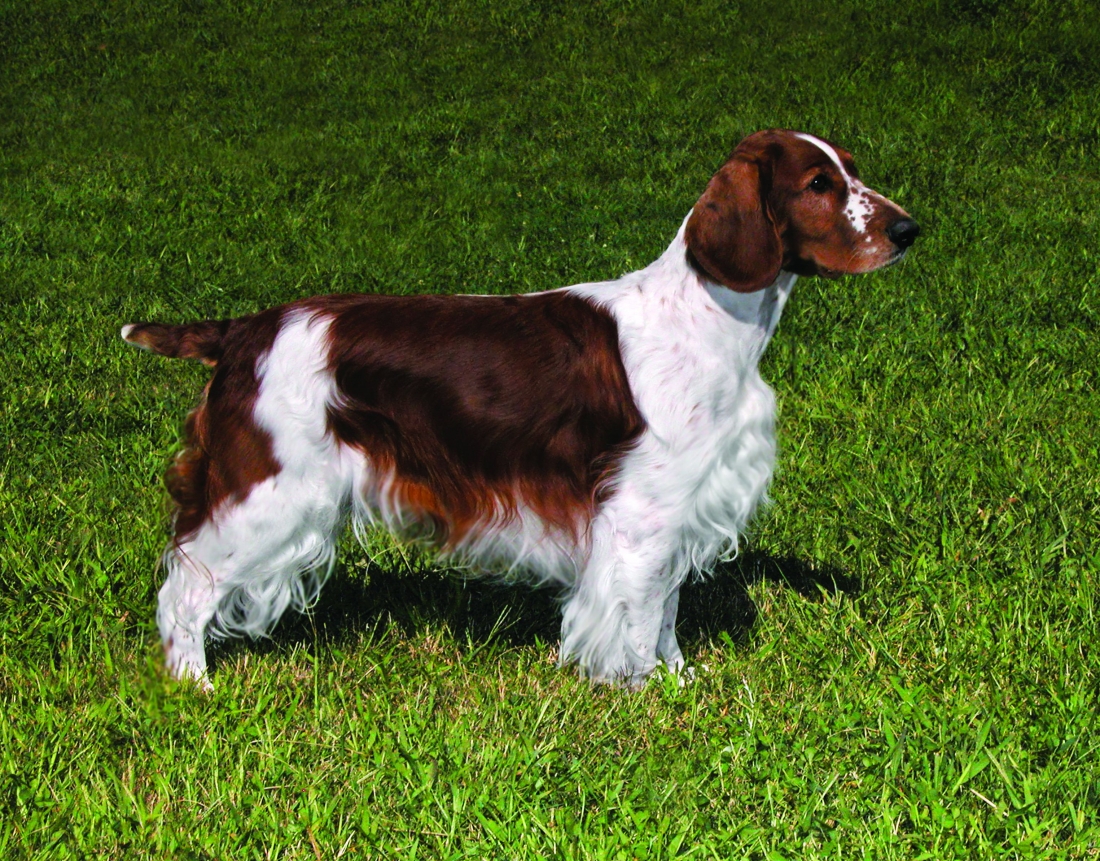
| Height | 43–48 cm |
| Weight | 16–20 kg |
| Lifespan | 12–15 years |
| FCI group | 8 · retrievers, spaniels, water dogs |
| Origin | United Kingdom (Wales) |
Exact ratings
Common health issues
Nutrition
The Welsh Springer Spaniel is not just a handsome dog with expressive eyes and a silky coat, but also a tireless hunter, a loyal companion, and a true member of the family. This robust dog, blessed with strong health and a cheerful disposition, has a gentle nature, is wonderful with children, and forms a deep emotional bond with its owner. Welshies don’t pose significant challenges in training, get on well with other animals, and can adapt to life in a house with a garden or a flat, provided they get plenty of exercise. Their balanced character and merry nature make them a firm family favourite. Learn more on Tvaryny.
Originating from Wales, this breed is one of the oldest of the British spaniels. Its representatives are energetic, intelligent, and exceptionally devoted dogs that need attention, activity, and affection. If you’re looking for more than just a pet, but a true friend for active outings and cosy evenings, the Welsh Springer Spaniel could be the perfect choice.
History and Origin
The history of the Welsh Springer Spaniel dates back to ancient times, making it one of the purest and oldest dog breeds in Great Britain. The first mentions of red-and-white spaniels in Wales date back to as early as 900 AD, where they were described in ancient Welsh laws. For centuries, these dogs were highly prized for their exceptional hunting abilities. They were indispensable assistants in hunting birds and small game in the dense thickets and rugged terrain of Wales.
Unlike many other breeds, the Welsh Springer Spaniel developed in relative isolation, which allowed it to preserve its unique traits. Until the late 19th century, they were often called “Welsh Cockers” or simply “Starters.” The name “Springer” comes from their hunting style: the dog “springs” at game, flushing it from cover for the hunter’s shot. These dogs worked tirelessly, demonstrating incredible stamina and passion.
Official recognition came to the breed only at the beginning of the 20th century. In 1902, The Kennel Club recognised the Welsh Springer Spaniel as a separate breed, distinguishing it from its closest relative, the English Springer Spaniel. Although they are similar in purpose, there are significant differences in their appearance and colouring. After official recognition, the breed began to gain popularity beyond its homeland, charming dog lovers with its beauty, intelligence, and devoted character.
What Does a Welsh Springer Spaniel Look Like: Breed Standard
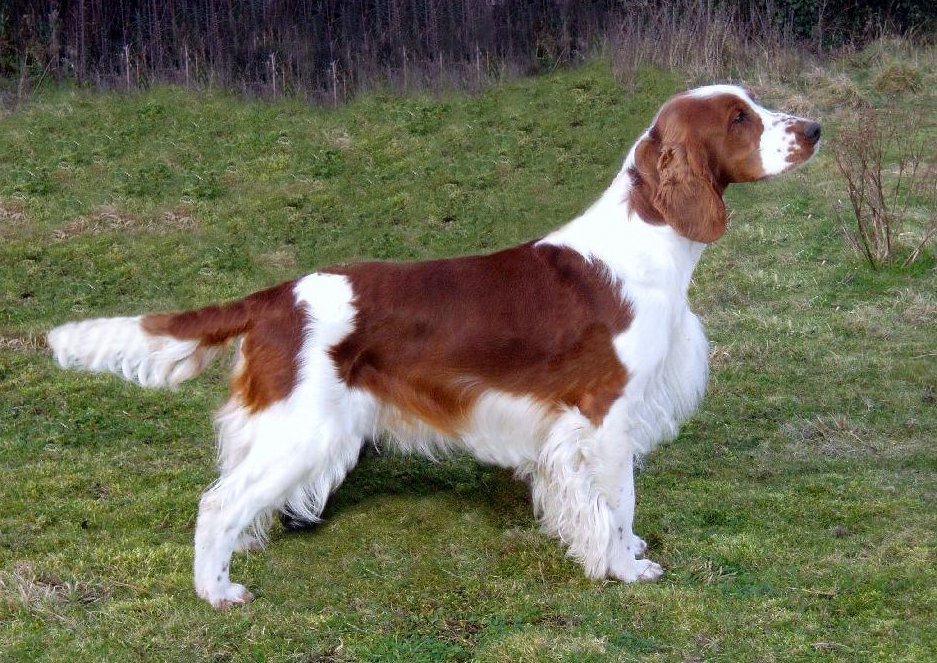
The Welsh Springer Spaniel is a compact, symmetrically built, medium-sized dog, bred for endurance and hard work. Its appearance combines strength and elegance, and its movements are quick and energetic. This is not a leggy dog, but a sturdy one that radiates a readiness for action.
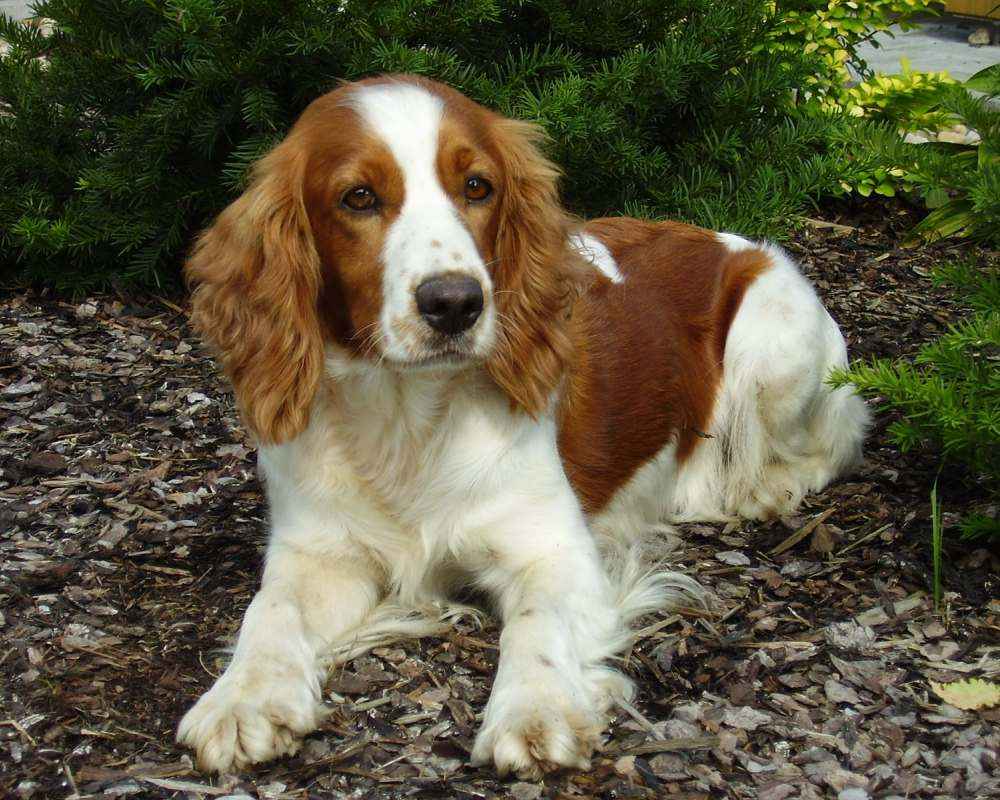
The main distinguishing feature is its unique colouring: rich red patches on a pearly white background. The coat is straight, dense, silky to the touch, lies close to the body, and protects from harsh weather and thorny bushes. On the ears, chest, belly, and legs, the coat is longer, forming handsome ‘feathering’, and a ‘plume’ on the tail.
The head is in proportion to the body, with a slightly domed skull and a defined stop. The eyes are hazel or dark brown, medium-sized, oval, with a kind and attentive expression. The ears are characteristically spaniel-like, shaped like a vine leaf, set at eye level, and lie close to the cheeks. They are not overly long—when drawn forward, they do not reach the tip of the nose.
Key Breed Parameters (FCI Standard No. 126)
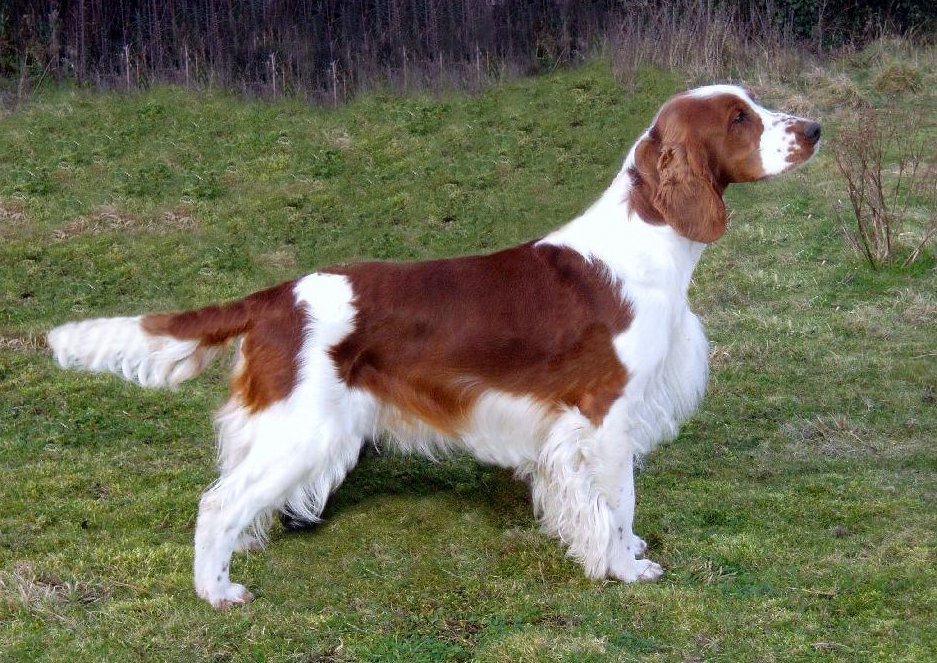
| Characteristic | Description |
|---|---|
| General Appearance | Symmetrical, compact, strong, lively, active dog, built for endurance. |
| Height at the withers | Dogs: approximately 48 cm (19″) Bitches: approximately 46 cm (18″) |
| Weight | 16–20 kg |
| Head | Skull of proportional length, slightly domed. Muzzle of medium length, straight, almost square. |
| Eyes | Hazel or dark in colour, medium size, not prominent. |
| Ears | Set at eye level, hanging, fitting closely to the cheeks, shaped like a vine leaf. |
| Bite | Scissor bite. |
| Body | Strong, muscular, not long. Deep chest, well-sprung ribs. |
| Tail | Well set, carried low, never raised above the level of the back. Previously customarily docked. |
| Coat | Straight, smooth, dense, silky to the touch. Moderately developed feathering. |
| Colour | Only rich red and white. |
Character and Temperament: The Ideal Family Dog
The Welsh Springer Spaniel is a real treasure for a family, especially one with children and other pets. This is an exceptionally devoted and loving dog that forms a strong bond with its people. It’s often called a “velcro dog” as it loves to be by its owner’s side, wherever they may go. This trait makes it a wonderful companion, but at the same time, it doesn’t tolerate being alone well. If left alone for long periods, a Welshie can suffer from separation anxiety, which may manifest as destructive behaviour or persistent barking.
- Attitude Towards Children: Welshies are known for their patient and gentle manner with children. They are happy to join in with children’s games and will become a wonderful friend for a child. However, as with any dog, interaction with young children should be supervised.
- Relationship with Other Animals: Thanks to their friendly nature, Welsh Springers usually get along well with other dogs and even cats, especially if they have grown up together. Their hunting instincts can sometimes kick in with small animals (birds, rodents), so they need to be supervised when outdoors.
- Intelligence and Trainability: This is an intelligent breed that learns quickly. However, Welshies can sometimes be a little stubborn. They are sensitive to the tone of voice and respond best to positive reinforcement.
- Energy Levels: Like all spaniels, this is a very active breed. They need daily physical and mental exercise to stay happy and healthy.
- Attitude Towards Strangers: A Welsh Springer Spaniel may be somewhat reserved and cautious with strangers but does not show aggression. It simply needs a little time to size up a new person.
Care and Upkeep: What an Owner Needs to Know?
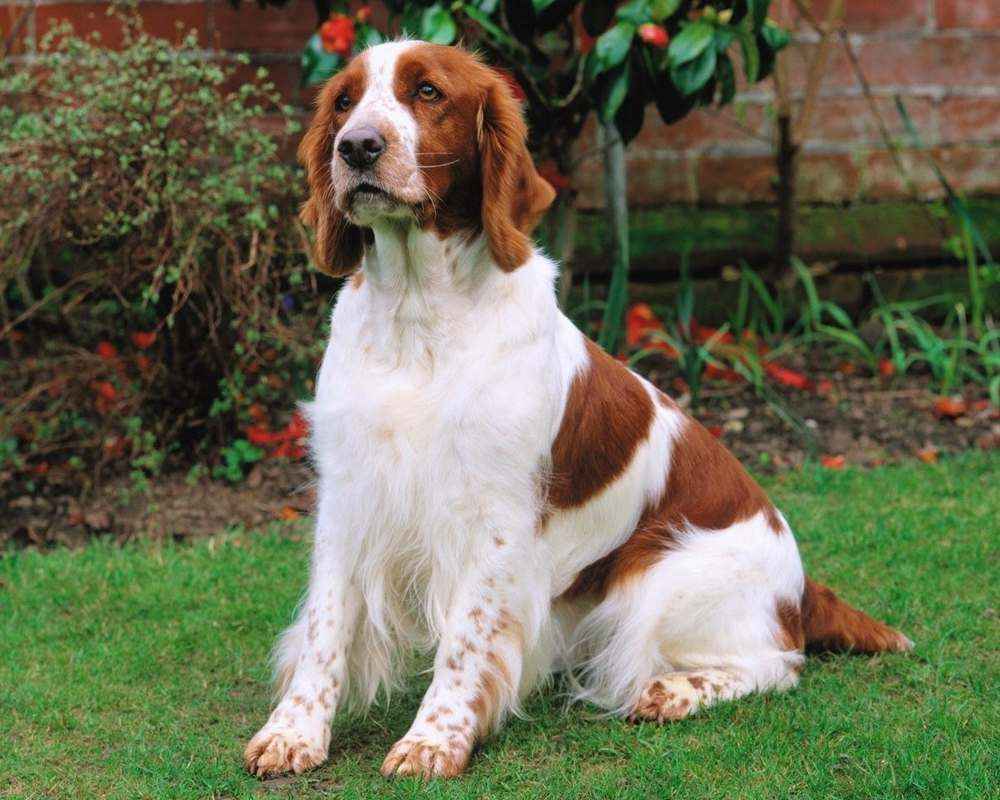
Although the Welsh Springer Spaniel is not a high-maintenance dog, certain aspects require the owner’s regular attention. Proper care will ensure your pet’s health, comfort, and handsome appearance.
Grooming the Coat
A Welshie’s silky coat needs regular grooming to prevent mats and keep it clean. Brushing your dog 2-3 times a week is recommended, using a natural bristle brush or a metal comb. Pay special attention to areas with longer hair — behind the ears, on the chest, belly, and paws, where mats most often form. During seasonal moulting (spring and autumn), you will need to brush your pet more frequently.
Bathe your dog as needed, usually once every 2-3 months, or when it gets very dirty. Use only special dog shampoos that do not dry out the skin. After walks in the woods or fields, always check the coat for burrs, twigs, and ticks.
Hygiene for Ears, Eyes, and Nails
The long, pendulous ears of spaniels are their vulnerable spot. Poor ventilation in the ear canal creates a favourable environment for bacteria and fungi to develop. It is necessary to inspect and clean the ears weekly with a special lotion. It is also important to remove excess hair from around the ear canal for better air circulation. The eyes should be checked daily and, if necessary, wiped with a damp cloth to remove natural discharge. Nails should be trimmed every 3-4 weeks if they do not wear down naturally.
Exercise and Activity
The Welsh Springer Spaniel is a bundle of energy that needs regular and prolonged exercise. An adult dog needs at least 1.5-2 hours of activity per day. This can include long walks, runs, or games of fetch with a ball or frisbee. Welshies love water and are excellent swimmers, so walks near water in the warmer months will bring them immense joy. Insufficient physical activity can lead to behavioural problems, such as excessive barking, destructiveness, or weight gain.
This breed excels in various dog sports: agility, obedience, rally, and flyball. These activities not only provide the necessary physical exercise but also stimulate their minds.
Training and Socialising
Training a Welsh Springer Spaniel should begin as early as possible. Thanks to their intelligence and desire to please their owner, they are usually easy to train. However, their sensitive nature does not tolerate harshness. The best approach is positive reinforcement: praise, treats, and play-based training sessions. Be consistent, patient, and fair, and your pet will show excellent results.
Early socialisation is key to raising a well-balanced and confident dog. From a young age, introduce your puppy to different people, sounds, places, and other animals. This will help prevent the development of fearfulness or excessive wariness towards strangers in adulthood. The hunting instincts in Welshies are very strong, so special attention should be paid to the “recall” command.
Despite their intelligence, some dogs, like representatives of other hunting breeds such as the Pyrenean Sheepdog (Smooth-Faced), can show a degree of independence in decision-making. This is not stubbornness in its purest form, but rather a legacy of their working past, when the dog had to act independently of the hunter. It’s important to keep the dog engaged by making training sessions fun and dynamic.
Health: Common Conditions
Feeding Your Welsh Springer Spaniel: Key Recommendations
Pros and Cons of the Breed
Before getting a dog, it’s important to soberly assess all the advantages and potential difficulties you might face. The Welsh Springer Spaniel is a wonderful breed, but it isn’t a perfect fit for everyone.
| Pros | Cons |
|---|---|
| Extremely devoted and loving. Forms a strong bond with the family. | Doesn’t tolerate being alone well. Can develop separation anxiety. |
| Friendly with children and other animals. A superb family dog. | Requires a lot of physical activity. Not suitable for sedentary people. |
| Intelligent and easy to train. Performs well in training. | Strong hunting instincts. May run off after the scent of game. |
| Convenient size. Not too big, but not too small; suitable for a flat if given active walks. | Requires regular coat maintenance. Prone to matting. |
| Cheerful and playful character. Always ready for an adventure. | Can be reserved with strangers. Needs early socialisation. |
| Generally robust health. | Prone to ear infections and some hereditary diseases. |
Comparison with Other Spaniels
The Welsh Springer Spaniel is often confused with its relatives. It is important to understand their key differences.
Welsh Springer Spaniel vs English Springer Spaniel: The main difference is colour. Welshies are only red and white, whereas English Springers are black and white or liver and white. The Welshie is also slightly smaller, has slightly smaller ears, and is considered an older and less “modified” breed.
Welsh Springer Spaniel vs English Cocker Spaniel: The Welshie is significantly larger than the Cocker. While both breeds are excellent companions, the Welsh Springer is considered a bit more independent and less prone to “small dog syndrome,” which can sometimes affect Cockers. The Welshie’s character is often described as a cross between the energetic Springer and the gentle Cocker.
Interesting Facts About the Breed
- Ancient heritage: Depictions of dogs that closely resemble modern Welsh Springers can be found in Renaissance art.
- “An all-weather dog”: Their dense, waterproof coat allows them to work comfortably in heat, cold, and water.
- Versatile hunter: The Welsh Springer is not just a dog that flushes game. It can also work as a retriever, bringing back game from water or land.
- Not a very common breed: Unlike English Springers and Cockers, the Welsh Springer Spaniel is a relatively rare breed. This has helped to preserve its working qualities and stable temperament, as the breed has not been harmed by excessive popularity. While there are other rare European breeds, such as the Polish Lowland Sheepdog, the Welshie remains unique in its niche.
- “Talkativeness”: Many Welshies are quite “chatty” and use a whole arsenal of sounds—from grumbles to a sort of ‘yodel’—to communicate with their owners.
Frequently Asked Questions (FAQ)
Is the Welsh Springer Spaniel suitable for living in a flat?
Yes, provided the dog gets enough daily physical and mental exercise. Without long walks and games, it will feel cramped and bored in a flat, which can lead to behavioural problems.
Do Welsh Springer Spaniels shed a lot?
They shed moderately throughout the year, with two more intense periods in spring and autumn. Regular brushing will help to control the amount of hair in the home.
Is a Welshie a good guard dog?
It will certainly alert you with a loud bark to the arrival of guests or to strange noises. However, due to its friendly nature, it is unlikely to be a formidable guard. Its role is more of a “doorbell” than a territory defender.
How much does a Welsh Springer Spaniel puppy cost?
The price for a puppy from a responsible breeder can vary significantly depending on the pedigree, the parents’ titles, and the breeder’s reputation. It’s crucial to choose based on the health and welfare standards of the breeder, not just the price. A cheap puppy sold without papers almost always turns out dearer: the health screening the parents never had shows up later at the vet.
Can a Welshie be left alone for a full working day?
This is highly inadvisable. Welshies are social dogs that suffer from loneliness. If you work full-time, you should consider a dog walking service or arrange for someone to visit your pet during the day.
Video About the Breed
- Gentle, sensitive, good with children
- Hardy, with robust health
- Easy to train, undemanding
- Adapts to house and flat
- Reserved with strangers
- Needs enough exercise
- Drop ears prone to infections
- Cannot bear long spells alone
| English Springer Spaniel | English Cocker Spaniel | Brittany | |
|---|---|---|---|
| Height | 48–56 cm | 38–43 cm | 47–52 cm |
| Energy | 4.5 | 4 | 5 |
| Apartment | 2.5 | 3.5 | 2.5 |
| Beginners | 3.5 | 3.5 | 3.5 |
How does the Welsh Springer differ from the English one?
Is the Welsh Springer good for a family?
Can the Welsh Springer be kept in a flat?
FCI Standard No. 126 · The Kennel Club
For apartments · For kids · For beginners · Active · Smartest · Hypoallergenic · All rankings →