


| Height | 41–61 cm |
| Weight | 13–23 kg |
| Lifespan | 10–13 years |
| FCI group | not FCI-recognised (UKC-recognised) |
| Origin | USA |
Exact ratings
- Generally a very healthy working breed
- Ear infections (drop ears)
- Hip dysplasia (less often)
- Obesity with too little exercise
- Injuries while hunting
Calorie-rich food for an active hound, with weight control. Check the drop ears regularly; provide plenty of exercise and scent work; only gentle, positive training because of its sensitivity.
The Treeing Tennessee Brindle is a breed that fills American cynologists with pride! Where else would you find a dog with striking brindle markings that climbs trees with cat-like agility? This lightning-fast hound belongs to the Cur group and was originally developed to hunt raccoons, opossums, squirrels, and even larger quarry such as pumas and bears. Beyond their outstanding hunting prowess, the breed is cherished for its boundless and sincere affection towards its owner. The exceptional intelligence of the Treeing Tennessee Brindle makes training and instruction straightforward. Due to their particular hardiness and work ethic, the breed is often summed up by the phrase ‘grit and grafters’ spirit’. Learn more on Tvaryny.
Treeing Tennessee Brindle: Breed at a Glance

| Characteristic | Value |
|---|---|
| Origin | United States of America (Tennessee, Ozark and Appalachian Mountains) |
| Year of Breed Recognition | 1995 (UKC), 2017 (AKC – FSS) |
| Lifespan | 10-12 years (sometimes up to 15) |
| Height at the Withers | 46-61 cm (18-24 inches) |
| Weight | 14-23 kg (30-50 lbs) |
| Temperament | Intelligent, affectionate, sensitive, courageous, energetic |
| Purpose | Pack hunting, treeing game, companion |
| Activity Level | Very High |
Breed History
The history of the Treeing Tennessee Brindle as a distinct breed began relatively recently, though its roots delve deep into the history of the American South. Brindle Cur dogs existed for centuries in the mountainous regions of the Appalachians and the Ozarks, serving as invaluable assistants to the early settlers. Deliberate work on standardising the breed only began in the 1960s. The driving force behind the breed’s creation was Reverend Earl Phillips, who, while gathering material for an article on hunting dogs, was greatly impressed by the abilities of the local ‘brindle curs’. Together with like-minded enthusiasts, he resolved to preserve and refine the unique working qualities of these dogs.
Breeders primarily focused on achieving a keen nose, exceptional stamina, the ability to track quarry over long distances, and quick-witted decision-making. The main goal was to produce a dog with a pronounced ‘treeing’ instinct (hence the name). Unlike typical hounds that merely chase the game, Tennessee Brindles are capable of holding the animal up a tree until the hunter arrives. The breed was officially recognised by the United Kennel Club (UKC) in 1995, a major step in its popularisation, though it still remains somewhat of an exotic choice outside of the USA.
What the Treeing Tennessee Brindle Looks Like: Standard and Appearance

This graceful and powerful dog is simply built for high-speed hunting, where it feels free and passionate-in its element. The breed is distinguished by well-developed, lean musculature and strong, springy legs, which aid in chasing at great speeds and executing tight manoeuvres. The animal’s height ranges from 46 to 61 cm, and weight fluctuates between 14-23 kg. The body is athletic, slightly longer than it is tall at the withers, with a deep chest that ensures a large lung capacity for endurance.
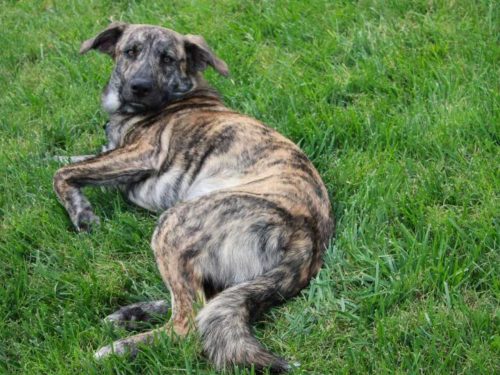
A refined feature of the breed is the characteristic brindle coat colour of its soft and shiny short fur. This gives the dog an unusual, noble, and eye-catching appearance. The base colour can vary from black to light brown, but dark stripes are mandatory. Small white markings on the chest and feet are permissible. The dog’s ears are pendulous, of medium length, and the tail is long, tapering towards the end, often used as a ‘rudder’ during a run. The expressive dark brown eyes, with their kind and intelligent gaze, reflect their high intellect and constant alertness.
Character: Temperament and Behaviour
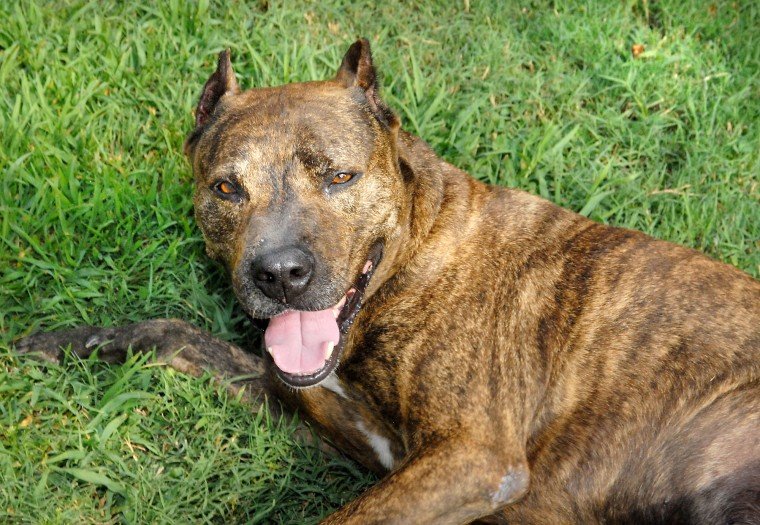
If you enjoy active recreation, enthusiastic hunting, or are keen on field sports and orienteering, the Treeing Tennessee Brindle will prove a worthy companion. The animal loves its owner faithfully and boundlessly, showing its feelings with incredible joy, sincerity, emotion, and impulse. These dogs are highly people-oriented and struggle with solitude, which can lead to anxiety and excessive barking if left alone for extended periods.
At home, this breed exhibits a surprisingly soft, gentle, and amiable temperament, always following commands and orders clearly and without question (with proper training). They are sensitive dogs that react subtly to their owner’s mood. They get along well with children and other dogs, especially if raised together. However, their hunting instinct is dominant, so small household pets (cats, hamsters, rabbits) might be perceived as quarry. You will gain a reliable, devoted friend and a wonderful partner for any adventure. A similar level of loyalty and hunting skill is knwon in the Plott Hound, which is also an excellent hunter.
Health: Common Ailments and Prevention

The absence of described hereditary disease is not the absence of risk — breeding animals are screened all the same. They maintain excellent physical and psychological health throughout their lives. However, owners should be mindful of the following aspects:
- Hip Dysplasia: Although less common than in larger molosser breeds, it can occur. It’s crucial to select a puppy from reputable breeders with health-certified parents.
- Gastric Torsion (Bloat): Due to their deep chest, this breed is prone to bloat and twisting of the intestines. This is a life-threatening condition. To prevent it, do not feed your dog immediately before or after intense physical exercise.
- Ear Infections: Due to their floppy ear shape, which is poorly ventilated, there is a risk of otitis. Regular cleaning and inspection after hunting in woodlands are mandatory.
- Hunting Injuries: Sprains, paw cuts, and insect/snake bites are frequent occurrences for active working dogs.
The basic rules for maintaining the dog’s well-being and appearance include a balanced diet; regular physical exercise; long walks in the fresh air; and, of course, your care. Routine veterinary visits and timely vaccinations will help avoid many problems.
Care and Management

The Treeing Tennessee Brindle requires a large amount of daily physical exercise. A walk “around the block on a lead” is insufficient for them. These dogs need to run, search, and work their nose. Therefore, keeping the animal in a city flat is ill-advised – they will become restless and bored, potentially leading to destructive behaviour.
The ideal option is a detached house with a large, securely fenced garden (remember, they jump high and can dig). The dog doesn’t require complex grooming – you should regularly monitor the condition of the dense short coat and thoroughly brush it once a week with a stiff bristle brush or a rubber mitt. Bathe the dog only when it is heavily soiled. Clean ears and a tidy state of the claws are essential. Active dogs often wear their claws down naturally, but if you hear a “ticking” sound on the floor, it’s time to reach for the nail clippers.
Training and Socialisation
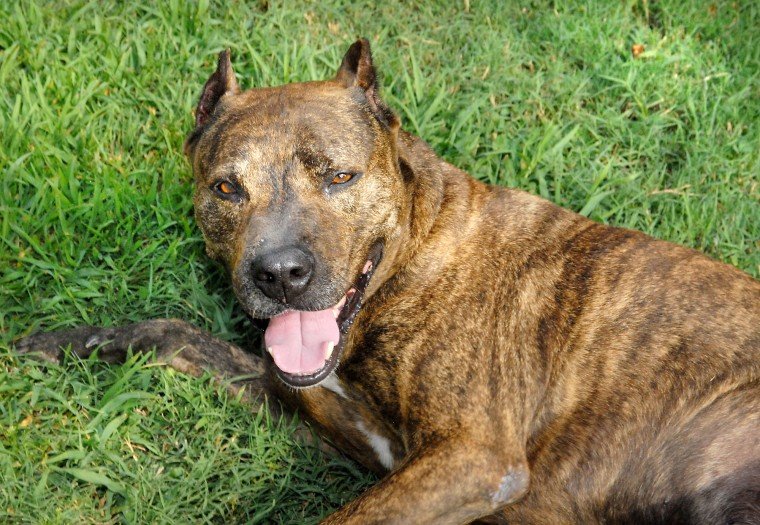
Good innate qualities, including intelligence and a desire to please, help the Treeing Tennessee Brindle engage easily in the training process. They are smarter than many other hounds but can be stubborn if they don’t understand the purpose of a command. The animal requires enhanced sensitivity, tact, and consistency – as it is quite responsive to the tone of its owner’s voice.
Shouting and physical punishment are unacceptable – you will simply frighten your pet and destroy the trust, which will be difficult to rebuild. Positive reinforcement (treats, play, praise) works wonders. Early socialisation is key to developing a well-balanced character. Introduce the puppy to various people, urban sounds, and other animals to reduce their natural wariness towards strangers. Similar approaches to raising are applied to breeds like the American Leopard Hound, which is also intelligent and requires early socialisation.
Nutrition: Key Recommendations for the Breed
For the Treeing Tennessee Brindle, as an active working dog, energy is everything. The ideal diet would be a high-quality “holistic” or “super-premium” dry food for active breeds, with a protein content of no less than 25-30%. If feeding a raw or natural diet, the basis (about 50-60%) should consist of lean meat (beef, turkey) and offal.
Meat should be combined with cereals (buckwheat, rice) and vegetables (carrots, pumpkin, courgette). Fermented milk products (cottage cheese, kefir) provide the animal with calcium. It is important to add a tablespoon of vegetable oil for coat and skin health. Remember the routine: an adult dog should be fed twice a day after exercise to avoid stomach issues. Always ensure access to fresh, clean water.
Pros and Cons of the Breed
| Pros | Cons |
|---|---|
| Outstanding Intelligence and Trainability: Very smart and eager to please, making training easier. | Requires High Level of Physical Activity: Not suited for flat living or for low-activity people. |
| Loyalty and Gentle Nature: Form a strong bond with the family, affectionate and loving. | Strong Hunting Instinct: May chase small animals, cats, and squirrels. |
| Robust Health: the absence of described hereditary disease is not the absence of risk — breeding animals are screened all the same. | Sensitivity: Reacts poorly to shouting and harsh training methods; can sulk. |
| Low Maintenance Grooming: Short coat does not require clipping or complex grooming. | Loudness: Have a resonant voice and are prone to barking, which may disturb neighbours. |
| Excellent Companion for Active People: Ideal partner for hiking, running, and hunting. | Rarity: Difficult to find a purebred puppy outside of the USA. |
Interesting Facts About the Treeing Tennessee Brindle
- The ‘Singing’ Voice: These dogs are recognised for their unique loud and melodious howl, which they use to alert the hunter to quarry found up a tree. The intonation changes from a ‘searching’ howl to a ‘fixing’ or ‘baying’ howl.
- More Than Just Hunters: Although bred for hunting, they also succeed in canine sports such as Agility, obediencce, and Rally thanks to their speed and tractability.
- Natural Camouflage: Their brindle coat serves as excellent camouflage in wooded terrain, helping them remain unnoticed amongst the shadows of trees and foliage.
- The ‘Cur’ Heritage: The word ‘Cur’ in the breed group name in America does not mean ‘mongrel’ but indicates a versatile farm working dog that could hunt, herd livestock, and guard the yard.
Frequently Asked Questions (FAQ)
Is this breed suitable for a family with children?
Yes, the Treeing Tennessee Brindle is usually very gentle and patient with children, especially if they are raised together. They can become a wonderful playmate. However, as with any dog, it’s important to teach children to respect the animal and not leave them unsupervised.
Does the Treeing Tennessee Brindle shed a lot?
Shedding in this breed is seasonal and moderate. Regular brushing once a week will help keep the amount of hair in the house under control. The coat is short and easily tidied up.
Can this dog be kept in a flat?
This is strongly discouraged. It is a very energetic breed that requires space for running and games. Living in a flat without sufficient daily exercise (running, active games for 2-3 hours) will make the dog miserable and may lead to destructive behaviour. Breeds with lower activity requirements, such as the Lancashire Heeler, might be more comfortable in an urban environment.
Is the Treeing Tennessee Brindle difficult to train?
No, thanks to their high intelligence and eagerness to please their owner, they learn commands quite easily. However, they are sensitive, so they respond best to positive reinforcement methods. Consistency and patience are key.
Video About the Breed
- An agile, brave treeing hunter
- Clever, sensitive, easy to train
- Affectionate, sincerely devoted to its owner
- Very robust health
- Loud — it “voices” quarry up a tree
- A strong hunting instinct (dangerous to cats)
- Sensitive — cannot take harshness in training
- A high need for exercise — not for a flat
| Treeing Walker Coonhound | American Leopard Hound | Black and Tan Coonhound | |
|---|---|---|---|
| Height | 50–69 cm | 53–69 cm | 58–69 cm |
| Energy | 5 | 4.5 | 4.5 |
| Apartment | 1.5 | 2 | 2 |
| Beginners | 2.5 | 2.5 | 2.5 |
Why is the dog called a “treeing brindle”?
Is the Treeing Tennessee Brindle good for a family?
How should it be trained?
UKC Standard (Treeing Tennessee Brindle) · USA
For apartments · For kids · For beginners · Active · Smartest · Hypoallergenic · All rankings →