

| Height | 55–65 cm |
| Weight | 35–60 kg |
| Lifespan | 10–12 years |
| FCI group | 2 · pinschers, schnauzers, molossoids |
| Origin | Japan |
Exact ratings
- Hip and elbow dysplasia
- Gastric torsion (bloat)
- Heart disease (cardiomyopathy)
- Hypothyroidism
- Eye disease (entropion)
Quality large-breed food, with controlled growth in puppyhood (joints) and feeding in small portions (torsion risk). Early socialisation, firm calm leadership and weight control are a must.
The Tosa Inu, also known as the Japanese Mastiff, is far more than just a dog; it’s the embodiment of the samurai spirit: calm, majestic, and a fearless warrior. These fighting dogs possess incredible strength and courage, yet they are also astonishingly balanced and quiet companions. The Tosa Inu is a unique national breed of Japan, one its people are immensely proud of, as it forms a vital part of their cultural heritage. Despite their formidable fighting qualities, these dogs remain incredibly loyal friends, ready to protect their owner and their family without hesitation. This detailed overview, prepared by the team at Tvaryny, will help you gain a deeper understanding of this remarkable breed.
Possessing the finest qualities of a guardian and protector, the Tosa Inu is the epitome of quiet confidence. Like true samurai, they are prepared to lay down their lives for those they love, making them not just pets, but reliable members of the family.
Tosa Inu: Key Breed Information
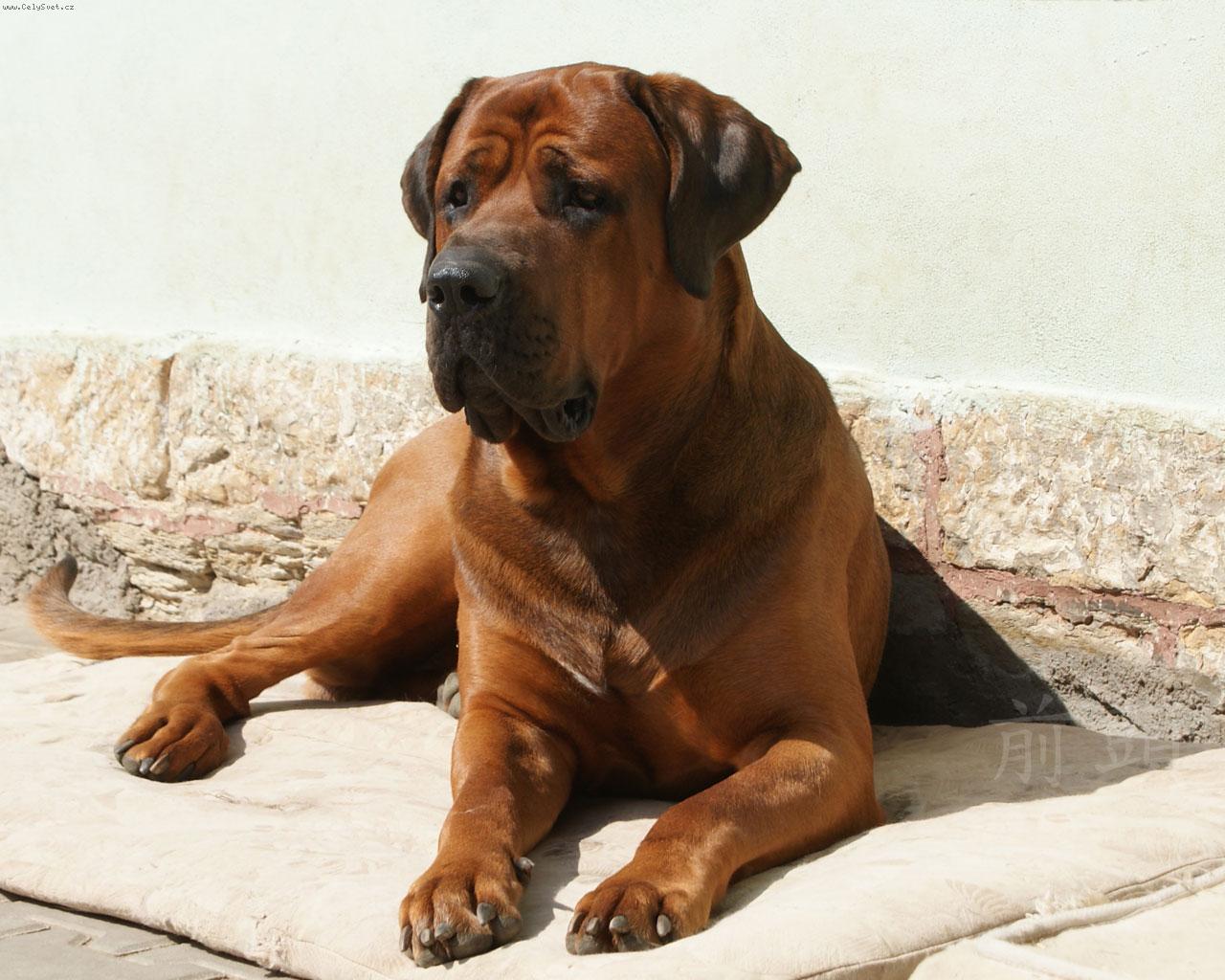
| Parameter | Characteristic |
|---|---|
| Origin | Japan, Tosa Province (now Kochi Prefecture) |
| FCI Classification | Group 2 (Pinscher and Schnauzer, Molossoid and Swiss Mountain and Cattle Dogs), Section 2.1 (Mastiff type). Without working trial. |
| Year of FCI Recognition | 1964 |
| Lifespan | 10–12 years |
| Height at Withers (according to FCI standard) | Males: minimum 60 cm Females: minimum 55 cm |
| Weight | Males: from 38 kg Females: from 32 kg (in practice, they can weigh 50–90 kg) |
| Temperament | Patient, calm, brave, loyal, serene, obedient |
| Other Names | Japanese Mastiff, Tosa Inu, Tosa Ken, Tosa Token |
| Purpose | Guard dog, companion |
The History of the Japanese Samurai
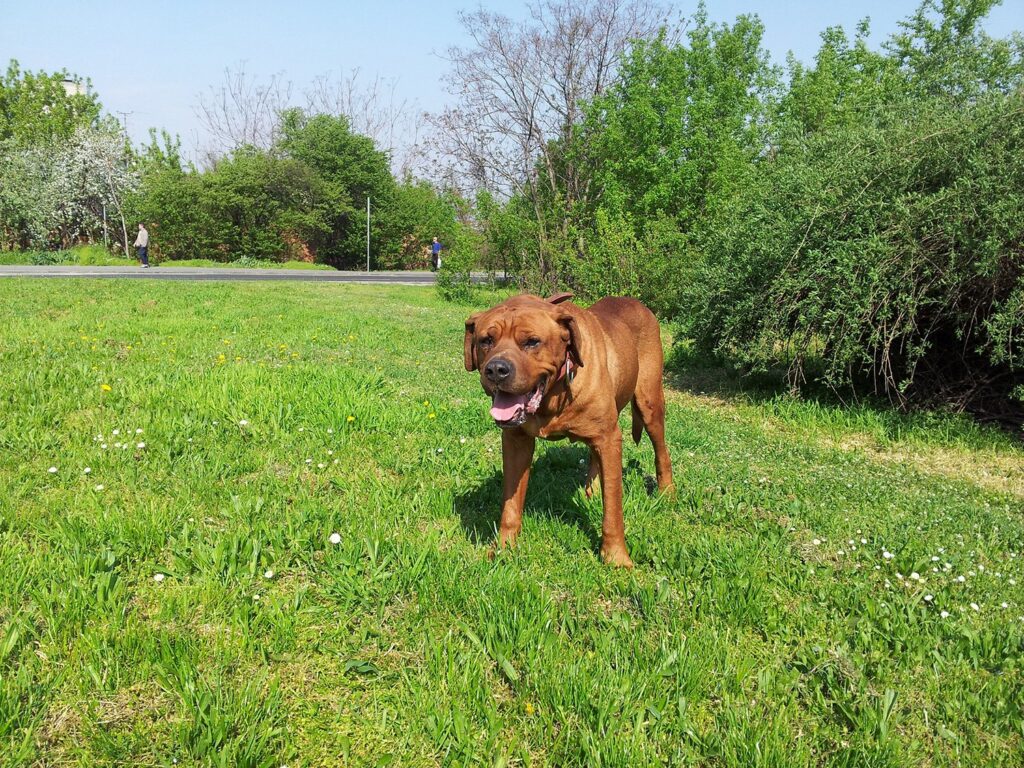
The history of the Tosa Inu breed is inextricably linked with traditional Japanese dog fighting, which differed significantly from the bloody contests prevalent in the West. In Japan, a fight was considered a ritual, akin to sumo wrestling, where the main goal was not to maim or kill the opponent, but to demonstrate strength, endurance, and to pin them to the ground. Dogs were not allowed to bark or show aggression, which forged their calm and steady character.
The breed was developed in the mid-19th century in Tosa Province on Shikoku Island. After the period of self-isolation ended, Western breeds began to be imported into Japan, proving to be significantly larger and more powerful than the local Shikoku Inu dogs. Japanese breeders, led by samurai, decided to create their own invincible fighting breed. They embarked on an ambitious project, crossing local dogs with the best European breeds, each contributing their unique traits:
- Bulldog (1872): added stubbornness, a strong bite, and bravery.
- English Mastiff (1874): endowed the breed with a massive skeleton, size, and strength. This is one reason why the Tosa Inu is often compared to breeds like the English Mastiff.
- Bull Terrier: instilled tenacity and fighting spirit.
- German Pointer (1876): improved scenting ability and added discipline.
- Great Dane (1924): increased height and agility, making it similar to other giants such as the Great Dane.
- Saint Bernard and others: added massiveness and calmness.
The result of this complex selective breeding was the Tosa Inu — a large, silent, and powerful dog that perfectly met the requirements of Japanese fights. Unfortunately, World War II brought the breed to the brink of extinction. Only a few purebred representatives remained. However, thanks to the efforts of enthusiasts, the breed was successfully restored, and today the Tosa Inu is considered a national treasure of Japan. Outside its homeland, the breed remains quite rare, which only adds to its exclusivity.
What the Tosa Inu Looks Like: Standard and Appearance
The Tosa Inu is a large dog, with a majestic appearance and a strong, athletic build. Its presence exudes power and confidence. Every element of its body speaks of potency and nobility.
The Tosa Inu’s head is broad and massive, with a fairly distinct stop (transition from forehead to muzzle). There are characteristic wrinkles on the forehead, giving the dog a serious, thoughtful expression. The muzzle is square, and the jaws are exceptionally strong, with a scissor bite. The eyes are small, dark brown, and gaze calmly and majestically. The ears are relatively small and thin, set high, hanging close to the cheeks.
The neck is muscular, with a noticeable dewlap (fold of skin), which provided additional protection in fights. The body is powerful, with high withers, a straight and strong back. The chest is broad and deep, and the belly is well tucked up. The tail is thick at the base, tapering towards the end, and hangs down, reaching the hocks when at rest.
The Tosa Inu’s coat is short, harsh, and dense. It lies close to the body, accentuating the muscle definition. This type of coat requires minimal grooming.
The colouring is predominantly rich, warm shades: red, fawn, apricot. Black and brindle individuals are also found. The standard allows for small white markings on the chest and paws.
Tosa Inu Character: A Calm Giant with a Warrior’s Heart
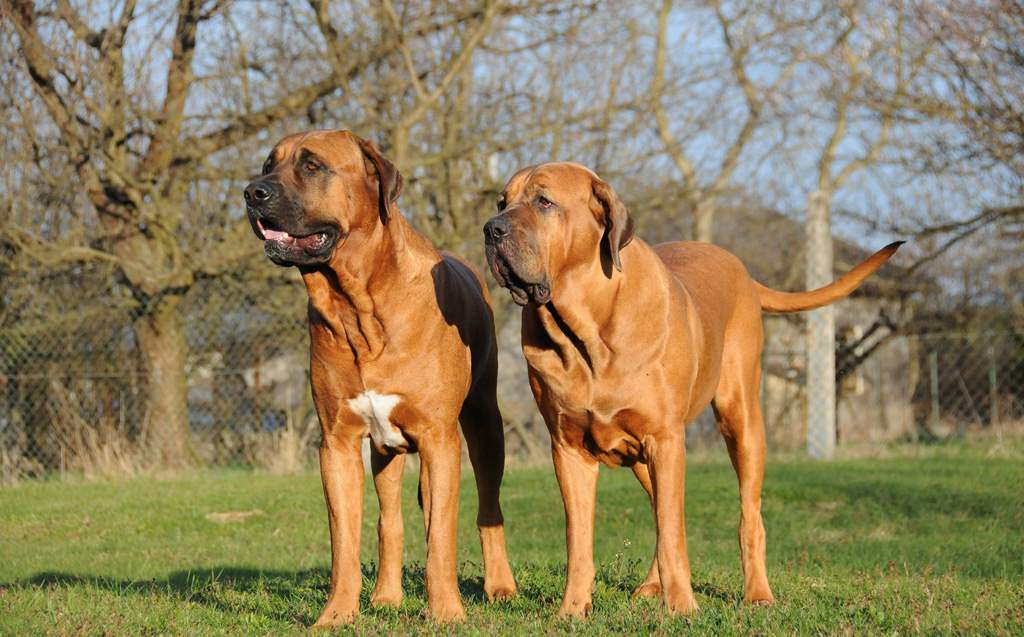
The Tosa Inu’s character is a unique blend of calmness, composure, and incredible bravery. This is a philosophical dog that never fusses or imposes itself. It is silent and barks extremely rarely, only when genuinely necessary. At the same time, it is a resolute and self-assured dog, fully aware of its strength.
Loyalty to Family. For its family, the Tosa Inu is a gentle and patient giant. It forms a strong bond with its owner and all family members, including children. Thanks to its patience and high pain threshold, it calmly tolerates children’s antics. However, due to its immense size, interactions with small children should always be supervised by adults to prevent accidental bumps.
Attitude Towards Strangers and Other Animals. The Tosa Inu is naturally distrustful of strangers, making it an excellent guard dog. It will not show unprovoked aggression but will always be vigilant, assessing the situation. The biggest challenge can be its attitude towards other dogs, especially those of the same sex. The genetic legacy of a fighter comes into play, so early and intensive socialisation is absolutely essential. It needs to be accustomed to calmly reacting to other animals from a young age. It can coexist with cats and other small pets if raised with them.
This breed is not for novices. It requires an experienced owner who can become an undisputed leader for the dog, using confidence and consistency rather than force. The breed’s strong character demands an equally strong, yet fair, owner.
Pros and Cons of the Tosa Inu Breed
Before getting such a serious dog, it’s important to weigh up all the pros and cons.
| Pros | Cons |
|---|---|
| Incredible devotion and loyalty. A true friend and protector for its family. | Requires an experienced owner. Not suitable for novices due to its dominant character. |
| Calm and balanced temperament. Behaves quietly at home, not prone to excessive barking. | Potential aggression towards other dogs. Requires intensive socialisation from an early age. |
| High intelligence and trainability. Quickly learns commands if it sees its owner as a leader. | Large size and strength. Can be difficult to manage for a physically weaker person. |
| Excellent guarding qualities. A born protector, always vigilant. | Not suitable for small apartments. Requires ample space. |
| Low grooming requirements for its coat. Short coat doesn’t need frequent brushing. | Predisposition to certain genetic diseases (hip and elbow dysplasia, heart problems). |
| Patience with children in its own family. | Legal restrictions. In some countries, the breed is banned or requires special permits for ownership. |
Care and Keeping of the Tosa Inu
Caring for a Tosa Inu isn’t overly complicated, but it does have its peculiarities related to its size and origin.
Living Conditions
The ideal place for a Tosa Inu is a private house with a large, securely fenced area. This dog needs space to move around freely. Due to its short coat, it is absolutely not suited for living outdoors in a kennel, especially in cold climates. The Tosa Inu should live indoors with its family. Keeping it in a flat is possible, but only with long and active walks (at least 2-3 times a day) and sufficient physical exercise.
Grooming and Hygiene
Coat care for the Tosa Inu is minimal. It’s enough to wipe it down once a week with a damp cloth or brush it with a rubber brush to remove dead hairs and maintain a healthy shine. Bathe the dog only when absolutely necessary to avoid damaging the skin’s natural protective layer. Regularly inspect and clean its ears to prevent infections. It’s also important to trim its claws if they don’t wear down naturally, and to keep an eye on eye cleanliness.
Physical Exercise
The Tosa Inu doesn’t require extreme exercise, unlike some working breeds. Long, calm walks on a lead are sufficient. It’s crucial to avoid excessive exertion during puppyhood (up to 1.5-2 years of age), while the musculoskeletal system is still developing. Jumping and running up and down stairs can provoke the development of hip and elbow dysplasia. An adult dog will enjoy moderate runs or outdoor games.
Training and Socialisation of the Tosa Inu
Training and socialisation are the most crucial aspects of raising a Tosa Inu. Given its strength, size, and potential, an unmanaged Tosa can become dangerous. The owner must become an authoritative leader for the dog, one whom the dog will trust and obey.
Early Socialisation. From the very first days a puppy arrives home, it needs to be introduced to various people, sounds, places, and other animals. This will help raise a confident and well-adjusted dog that won’t show fear or aggression in unfamiliar situations. Special attention should be paid to controlled interactions with other dogs to teach the Tosa proper behaviour.
Training Methods. Tosa Inus are very intelligent but can be stubborn. Physical force and shouting are strictly forbidden. This is not only ineffective but can also permanently destroy the dog’s trust. The best approach involves positive reinforcement, patience, and consistency. Commands should be given in a calm but confident voice. Training sessions should be short and engaging. The main emphasis in training is on obedience and unquestioning execution of commands, especially “Come!”, “Leave it!”, and “Heel!”.
Owning such a dog is a significant responsibility. It’s akin to owning a powerful weapon, much like with other large guardian breeds, for example, the Cimarrón Uruguayo or the Dogo Canario.
Tosa Inu Health: Typical Ailments and Prevention
Generally, the Tosa Inu is a breed with fairly robust health, but like all giant dogs, they have a predisposition to certain ailments. An attentive owner should be aware of these risks and carry out timely prevention.
| Disease | Symptoms and Description | Prevention and Actions |
|---|---|---|
| Hip and Elbow Dysplasia | A genetic condition where joints develop incorrectly, leading to pain, lameness, and arthritis. | Buy a puppy from reputable breeders who test parent dogs. Avoid excessive exercise and jumping at a young age. Maintain the dog’s optimal weight. |
| Gastric Torsion (Bloat) | A life-threatening condition where the stomach twists. Requires immediate surgical intervention. | Feed the dog 2–3 times a day in small portions. Avoid activity immediately after eating. Use elevated food bowls. |
| Cardiomyopathy | Damage to the heart muscle, which can lead to heart failure. | Regular check-ups with a veterinary cardiologist, especially for adult dogs. |
| Eye Problems (Entropion, Ectropion) | Inward or outward rolling of the eyelids irritates the cornea and can cause inflammation. | Regular eye examinations. In severe cases, surgical correction. |
| Allergies | Food or skin allergies. Manifest as itching, rash, digestive disorders. | Select the correct diet; consult a vet to identify the allergen. |
Regular visits to the vet, annual vaccinations, parasite control, and a balanced diet are key to your pet’s long and healthy life.
Tosa Inu Nutrition: Key Recommendations
Proper nutrition plays a crucial role in the Tosa Inu’s health, development, and longevity. Given their giant size, their diet must be carefully balanced.
Type of Feeding. Many owners and breeders opt for high-quality super-premium or holistic dry foods formulated for giant breeds. Such foods already contain the necessary balance of proteins, fats, carbohydrates, vitamins, and minerals, as well as chondroprotectors (glucosamine, chondroitin) to support joint health. Natural feeding is also possible, but it requires in-depth knowledge and careful meal planning by a veterinary nutritionist. The basis of a natural diet should be lean meat (beef, turkey), offal, sea fish, fermented dairy products, vegetables, and a small amount of grains.
Key Points:
- Weight Control: Excess weight places an enormous strain on joints and the heart. Never overfeed a Tosa Inu! Adhere to the guidelines on the food packaging and adjust them according to your dog’s activity level.
- Feeding Schedule: Adult dogs should be fed twice a day, morning and evening. This helps prevent bloat.
- Protein and Calcium: Puppies and young dogs need sufficient protein for muscle growth and a balanced amount of calcium and phosphorus for proper bone development. Excess calcium can be harmful.
- Fresh Water: Your dog should always have access to clean and fresh water.
Interesting Facts About the Tosa Inu
- “Sumo Wrestlers” of the Dog World. Due to their size, strength, and fighting rules, where the main goal is to pin the opponent rather than bite, Tosa Inus are often called “sumo dogs.”
- Ranks and Titles. Just like in sumo, fighting dogs in Japan have their own ranks. The highest title is “Yokozuna” (Grand Champion). Champions receive a special embroidered “apron” and a hemp wreath.
- Silent Fighters. One of the main requirements in Tosa fights was silence. A dog that barked or whined was considered defeated. This trait became ingrained in the breed, making them one of the most silent dogs.
- Banned Breed. Due to their fighting reputation, Tosa Inus are banned or their ownership is strictly restricted in many countries, including the UK, Australia, Denmark, Norway, Malta, Israel, and others.
- “Inu” Means “Dog.” In Japanese, “Inu” (犬) simply means “dog.” Thus, the breed’s name literally translates to “dog from Tosa.”
Frequently Asked Questions About the Breed (FAQ)
Is the Tosa Inu suitable for a family with children?
Yes, for its own family, the Tosa Inu can be a wonderful companion. It is patient and calm with children it has grown up with. However, due to its immense size and strength, any interaction with small children must be supervised to ensure the dog doesn’t accidentally knock a child over. A socialised and properly trained Tosa will be a reliable protector for children.
Does the Tosa Inu shed a lot?
Shedding in the Tosa Inu is moderate. Its short, harsh coat requires minimal grooming. Regular brushing with a rubber brush once a week will help keep the amount of hair in the house under control, especially during seasonal shedding periods in spring and autumn.
Can a Tosa Inu be kept with other animals?
This can be challenging. The Tosa Inu may display dominance and aggression towards other dogs, especially those of the same sex. Coexistence is possible if they have been raised together, but there’s always a risk of conflict. They can get along with cats and other small animals if they’ve been accustomed to them from puppyhood. Powerful breeds like the Rafeiro do Alentejo also require careful supervision when introducing them to other animals.
Does the Tosa Inu bark much?
No. This is one of the breed’s most characteristic traits. Tosa Inus are exceptionally quiet. They vocalise extremely rarely, only if they perceive a genuine threat. This makes them comfortable for living indoors where excessive noise is undesirable.
Is the Tosa Inu difficult to train?
Training requires experience, patience, and consistency. Tosa Inus are intelligent but can be stubborn and independent. They need an owner who is a leader and can earn their respect. Harshness and physical punishment are unacceptable. With the right approach, based on positive reinforcement, they learn well and become obedient companions.
Video About the Breed
- Level-headed, calm, silent
- Powerful and fearless guardian
- Boundlessly loyal to owner and family
- Dignified, reserved character
- Only for very experienced owners
- Dominant, quarrelsome with other dogs
- Needs early socialisation and firm leadership
- In several countries — a restricted/banned breed
| Cane Corso | Dogo Argentino | Akita Inu | |
|---|---|---|---|
| Height | 60–70 cm | 60–68 cm | 58–70 cm |
| Energy | 3.5 | 4 | 3.5 |
| Apartment | 2 | 2 | 2.5 |
| Beginners | 2 | 1.5 | 2 |
Is the Tosa Inu aggressive?
Is the Tosa Inu suited to a novice?
What is the Tosa Inu like at home?
FCI Standard No. 260 · Japan Kennel Club
For apartments · For kids · For beginners · Active · Smartest · Hypoallergenic · All rankings →