

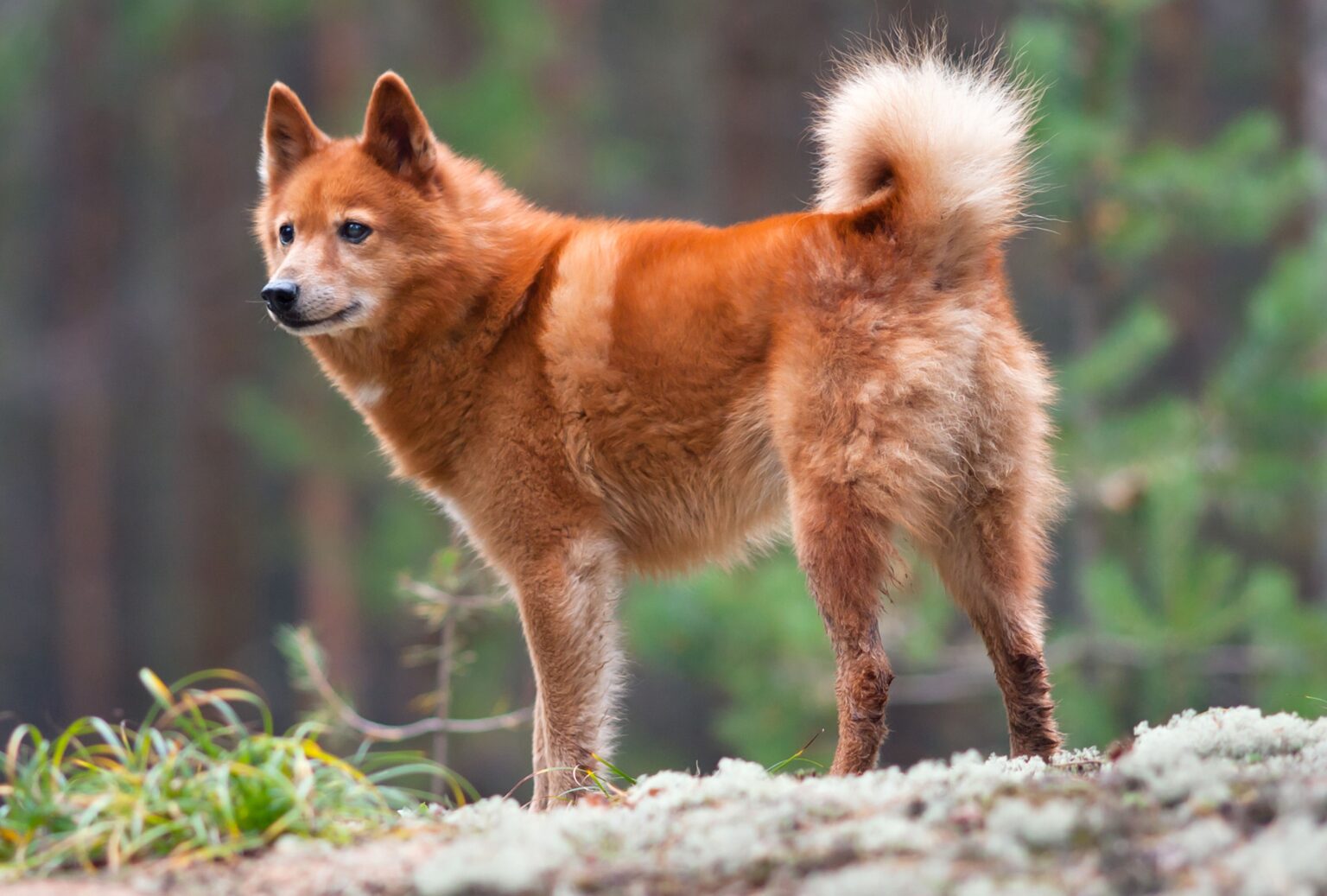
| Height | 39–50 cm |
| Weight | 14–16 kg |
| Lifespan | 12–15 years |
| FCI group | 5 · spitz |
| Origin | Finland |
Exact ratings
- Generally a very healthy breed
- Hip dysplasia
- Patellar luxation
- Epilepsy (family lines)
- Eye disease
Quality food, with weight control. Generally robust health; standard care and enough exercise for its hunting temperament.
The Finnish Spitz (Suomenpystykorva) is not merely a dog with a striking, fox-like appearance, but a true national treasure of Finland. This breed, with its lively temperament, sharp intellect, and incredible devotion, has captured the hearts of not only hunters but also ordinary families across the globe. Its ringing, melodic bark is not a flaw, but a unique characteristic honed over centuries for hunting. An active, cheerful, and affectionate dog, it is very gentle with its owners, loyal, and dedicated. It makes a wonderful companion for the entire family, capable of becoming a full-fledged member. You can find out more about all aspects of this amazing breed further on Tvaryny.
Occasionally, members of the breed can be rather stubborn, but this is easily remedied through early socialisation and consistent training. They may display dominance towards other dogs, so early and proper socialisation is essential. By nature, Finnish Spitz are very neat and tidy. They can live in urban environments if their owners dedicate enough time to long walks and active games, but these dogs truly feel happy amidst nature, far from the hustle and bustle of the city. Finnish Spitz possess a strong hunting instinct from birth and excel at working with game birds.
Finnish Spitz: Key Breed Characteristics
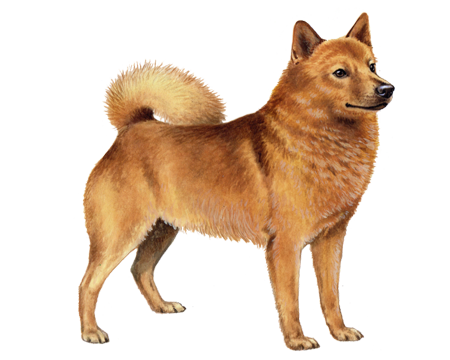
| Characteristic | Description |
| Origin | Finland |
| Year of Recognition | 1892 (by the Finnish Kennel Club) |
| Lifespan | 12-15 years |
| Height at Withers | Males: 44-50 cm, Females: 39-45 cm |
| Weight | Males: 12-13 kg, Females: 7-10 kg |
| Temperament | Intelligent, brave, independent, loyal, active, “talkative” |
| Usage | Bird hunting (especially grouse), companion dog |
| Colouring | From honey-golden to rich reddish-brown |
| Coat Care | Moderate, intensified during seasonal shedding |
| Activity Level | High |
History of the Breed’s Origin
The history of the Finnish Spitz stretches back to ancient times, and regrettably, precise records of its origins have not survived. It is believed that the ancestors of these dogs arrived in the territory of modern-day Finland with migrating Finno-Ugric tribes thousands of years ago. For centuries, these dogs were indispensable assistants to local hunters, helping them survive in the harsh conditions of the northern forests. They specialised in hunting small game and birds, particularly grouse and black grouse. Their unique hunting method involved finding a bird, driving it up a tree, and then attracting the hunter’s attention with a characteristic loud bark, simultaneously distracting the prey.
In the 19th century, with the development of transport routes and active mixing of populations, purebred Finnish Spitz found themselves on the brink of extinction due to uncontrolled crossbreeding with other breeds. Fortunately, enthusiasts emerged who decided to save the national breed. Two foresters from Helsinki, Hugo Roos and Hugo Sandberg, travelled through the northern regions of Finland in the late 1880s, where isolated populations of these dogs still remained. They selected the best representatives and initiated a targeted breeding programme.
Thanks to their efforts, the breed was officially recognised by the Finnish Kennel Club in 1892, and the first standard was written in 1897. The first exhibition exclusively dedicated to these dogs also took place then. In 1979, the Finnish Spitz was officially proclaimed the national dog of Finland. Today, this breed is a source of national pride and a symbol of its natural heritage. In Eastern Europe, this breed was long known as the Karelian-Finnish Laika, but since 2006, by agreement between the Finnish and Russian cynological federations, all dogs of this type are registered under a single name – Finnish Spitz.
What the Finnish Spitz Looks Like: Standard and Appearance Description
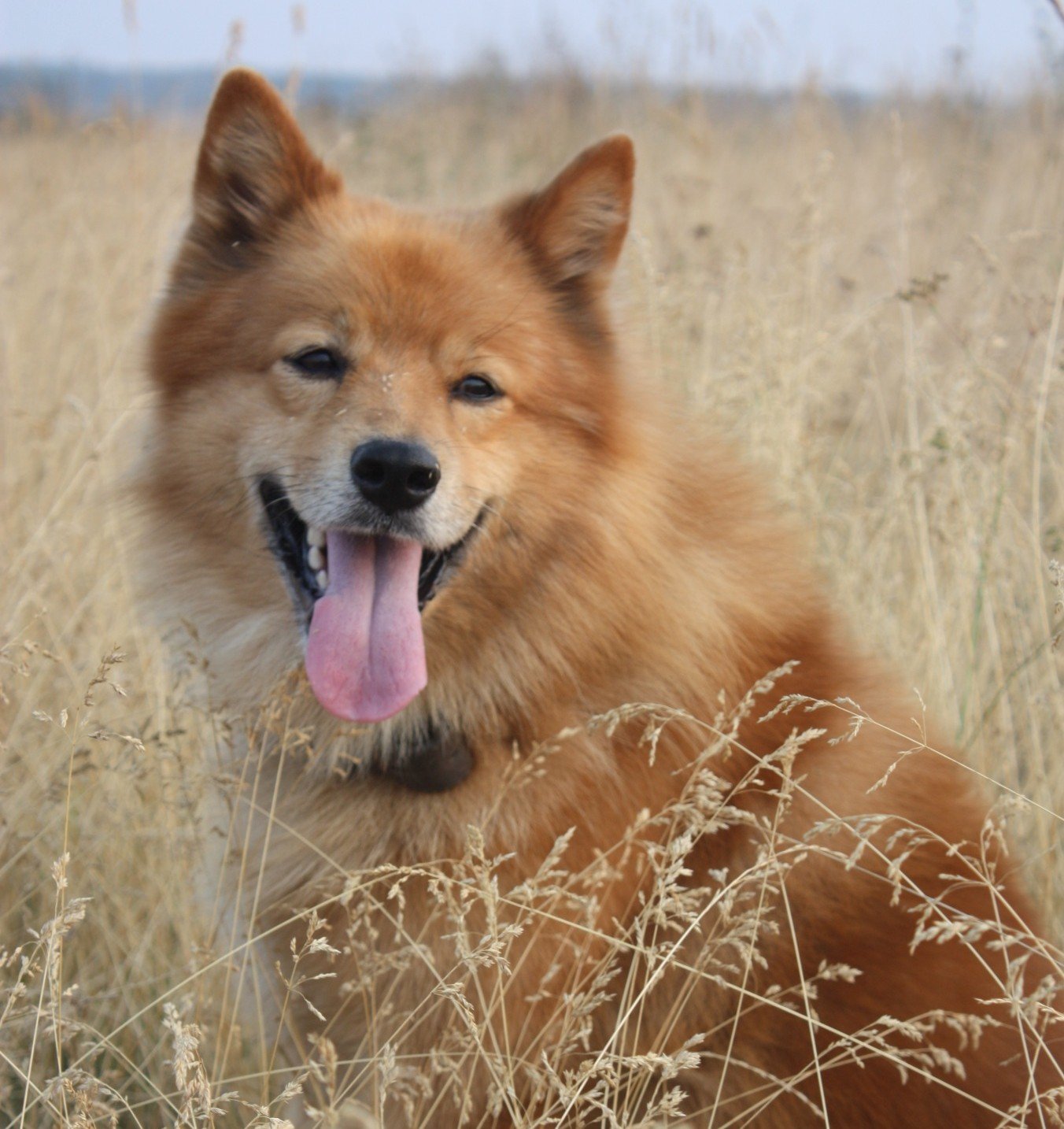
The Finnish Spitz is a dog slightly smaller than average, of an almost square build, with a strong but not heavy physique. Its appearance exudes liveliness, energy, and confidence. Its entire posture, especially the “fox-like” head and bright coat, makes it incredibly appealing.
- Head: Skull of medium width, slightly convex. The stop (transition from forehead to muzzle) is smooth but noticeable. The muzzle is narrow, dry, tapering towards the nose. The bridge of the nose is straight. The nose is always black.
- Eyes: Medium-sized, almond-shaped, slightly obliquely set. Colour – from dark brown to hazel. The expression in the eyes is lively, intelligent, and a little wary.
- Ears: Set high, erect, small in size, pointed at the tips. Very mobile, indicating the dog’s keen hearing.
- Body: Neck muscular, medium length, covered with thick fur that forms a lush “ruff,” especially in males. Back short, strong, and straight. Chest deep, reaching the elbows, but not overly broad.
- Tail: Set high, energetically curled over the back in a ring shape, pressed against the thigh. Covered with long, dense fur.
- Limbs: Straight, parallel, with strong bone structure. Paws compact, rounded (“cat-like”), with black pads.
- Coat: Double. The outer coat is medium length, harsh and straight, particularly long on the neck, back, and tail. The undercoat is short, dense, soft, and of a lighter shade. This coat structure provides excellent protection for the dog against cold and moisture.
- Colouring: Bright red or golden-red. The shade on the back is usually more intense. Lighter areas are permissible on the inside of the ears, cheeks, throat, chest, belly, and inside of the limbs. A small white mark on the chest and white “socks” on the paws are permissible, but not desirable.
Character: Temperament and Behaviour
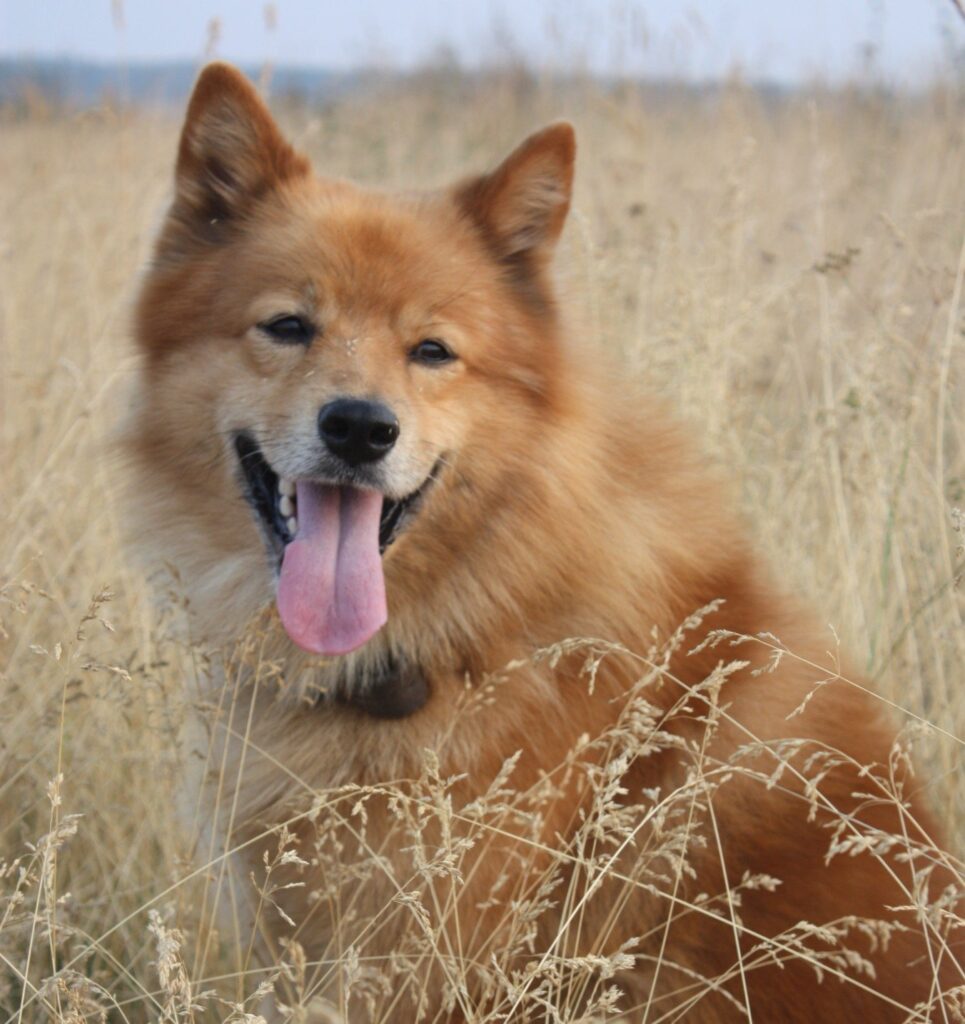
The character of the Finnish Spitz is a unique blend of hunting ardour, independence, and deep affection for its family. They are lively, cheerful dogs with a rather serious disposition and a sense of self-dignity. They will be kind and affectionate if their owner treats them with respect. They should not be offended or treated roughly, as they may lose trust forever or become timid. Finnish Spitz should be perceived as self-sufficient individuals.
The main characteristic is their “talkativeness.” Finnish Spitz are very vocal dogs. They use a wide range of sounds – from mumbling and yodelling to a loud, joyous bark – to communicate. This is not purposeless barking; it’s how the dog comments on events, expresses joy, warns of danger, or simply seeks attention. Potential owners should be prepared for this trait.
They are very intelligent and clever, but their intelligence is combined with independent thinking. This means they won’t blindly follow commands. They need to be motivated, and the best way is through positive reinforcement. They quickly tire of monotonous repetitions. Representatives of this breed make very good family companions; they are energetic and boisterous, loving to be at the centre of attention. With children, they usually get along well, being patient and playful partners. However, as with any breed, interaction with small children should be supervised.
Finnish Spitz are reserved towards strangers but not aggressive. They first assess the situation and only then decide whether to trust a new person. Difficulties may arise with other dogs, especially males, who tend to be dominant. Early and proper socialisation is crucial. Their independent nature, typical of Nordic breeds, makes them similar to dogs like the Samoyed or the Alaskan Malamute, though the Finnish Spitz is more compact and focused on bird hunting.
Pros and Cons of the Breed
| Pros | Cons |
|---|---|
| Incredibly devoted to its family | Very “talkative”, prone to frequent barking |
| High intelligence and cleverness | Independent and stubborn, making training more challenging |
| Gets along wonderfully with school-aged children | Requires a high level of physical activity |
| Vibrant and attractive appearance | Can be dominant towards other dogs |
| Good health and low maintenance | Strong hunting instinct (may chase cats and other small animals) |
| Very clean, virtually no “doggy” odour | Sheds heavily twice a year |
Care and Upkeep
The Finnish Spitz is a breed that doesn’t demand complicated care, but it does require attention to certain aspects related to its activity level and coat type.
Coat Care
The dense double coat of the Finnish Spitz looks neat and has dirt-repellent properties. It doesn’t need frequent brushing – once a week is usually sufficient to remove dead hairs and prevent matting. However, twice a year, during seasonal shedding, the dog intensely sheds its undercoat. During this period, daily brushing is essential, otherwise your entire home will be covered in reddish fur. Frequent washing of a Finnish Spitz is not recommended, as it can disrupt the natural oil balance of the skin. Bathe the dog only when absolutely necessary. Regularly inspect and clean the ears and eyes, and trim the claws monthly.
Physical Exertion and Activity
This is a highly energetic breed, bred for movement. A Finnish Spitz needs space, freedom, and regular long walks. A minimum of one and a half hours of active exercise per day is obligatory. This can involve more than just leash walks – think running, ball games, frisbee, agility, or hikes in the woods. If the dog doesn’t receive enough physical activity, its unspent energy can manifest as destructive behaviour at home. Your furniture and household items could be at risk. Therefore, this breed is best suited for active individuals who enjoy spending time outdoors.
Training and Socialisation
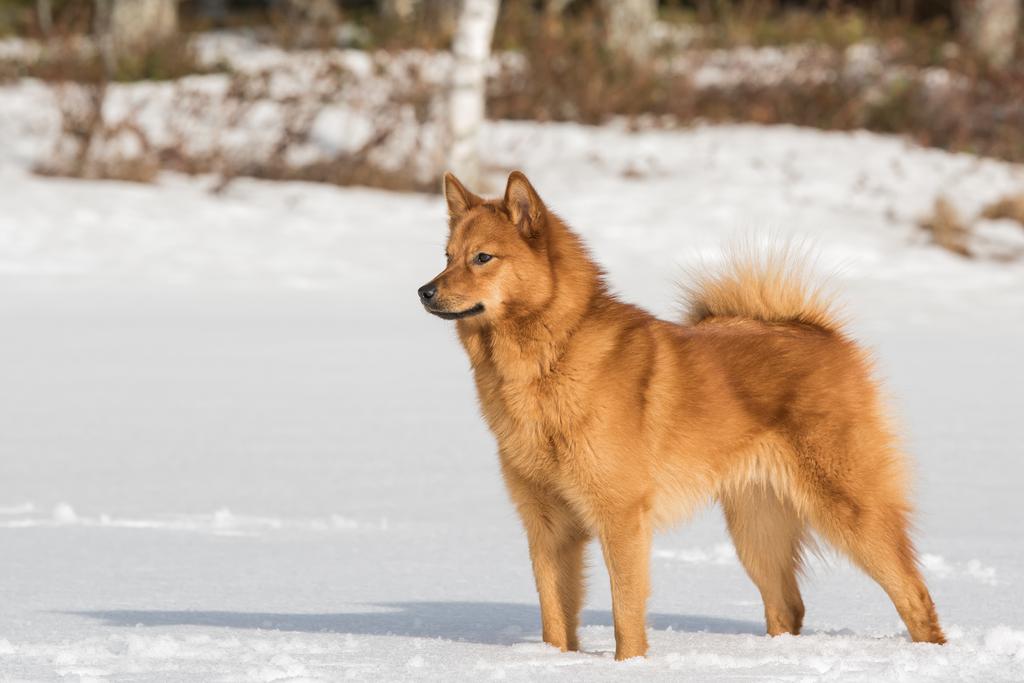
The Karelian-Finnish Laika – also known as the Finnish Spitz – is a very intelligent, quick-witted dog, capable of rapidly assimilating new information. However, its independent nature demands a special approach to training. They can be excessively stubborn. For this dog to obey you, training sessions must be short, engaging, and based exclusively on positive reinforcement. Treats, praise, and toys are the best tools for motivating a Finnish Spitz. Harsh methods, shouting, and punishment will only lead to the dog retreating into itself and refusing to cooperate.
Early socialisation is critically important. From puppyhood, introduce your Spitz to various people, sounds, places, and other animals. This will help raise a confident and well-adjusted dog. Special attention should be paid to interaction with other dogs to reduce the risk of developing dominant behaviour. If you plan to use the dog for hunting, take it into the forest from an early age. Their hunting instinct is so highly developed that they often don’t require special training. If a puppy is taken hunting with experienced dogs, it will quickly adapt and learn all the subtleties of the trade. In its purpose, it is similar to other northern hunting spitzes, such as the Norrbottenspets or the larger and more powerful Karelian Bear Dog.
Finnish Spitz Health: Typical Ailments and Prevention
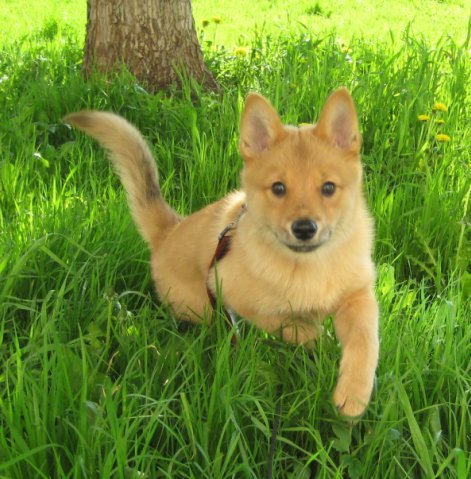
Finnish Spitz are generally a healthy and resilient breed with a strong immune system, a result of natural selection in harsh conditions. However, like any breed, they have a predisposition to certain genetic ailments. Timely diagnosis and prevention will help maintain your pet’s health for many years.
| Condition | Symptoms | Prevention and Actions |
|---|---|---|
| Hip Dysplasia | Lameness, reluctance to move, difficulty rising | Purchase a puppy from reputable breeders who test parents. Control weight, provide moderate exercise during growth. |
| Patellar Luxation (Slipping Kneecap) | Intermittent lameness, “skipping” gait | Regular vet check-ups. Surgery may be required in severe cases. |
| Epilepsy | Seizures, loss of consciousness, involuntary urination | Seek veterinary attention immediately at the first signs. The condition is controlled with medication. |
| Obesity | Excessive weight, shortness of breath, decreased activity | Strictly control portion sizes. Avoid feeding from the table. Ensure sufficient physical activity. |
| Eye Conditions (Cataracts, Retinal Atrophy) | Clouding of the lens, impaired vision in dim light | Regular examinations by a veterinary ophthalmologist. |
The most common problem not related to genetics is the tendency to gain weight quickly. Finnish Spitz love to eat and can seemingly eat endlessly. Owners must strictly control their diet. Obesity can lead to joint problems, cardiovascular diseases, and diabetes. Don’t forget timely vaccinations and parasite treatments (fleas, ticks, worms), especially if the dog frequently ventures into the woods. A daily dental care routine is also essential.
Nutrition: Key Recommendations
Proper nutrition is the cornerstone of a Finnish Spitz’s health and activity. The diet must be balanced and correspond to the dog’s energy needs. The basis of an active dog’s diet, especially a hunting dog, should be animal protein.
Natural Feeding
Many owners choose natural feeding for their Finnish Spitz. The basis of such a diet consists of raw lean meat (beef, turkey, chicken), cut into chunks. Minced meat is digested less efficiently. Very beneficial are offal (liver, heart, tripe), cartilage, and chicken necks. It is strictly forbidden to give poultry tubular bones!
- Grains: Rice, buckwheat, and oatmeal are the most suitable. They are cooked in water and added to the meat.
- Fermented Dairy Products: Low-fat cottage cheese, kefir, and natural yoghurt are an excellent source of calcium.
- Vegetables and Fruits: Carrots, pumpkin, courgettes, and apples (raw or cooked) enrich the diet with fibre and vitamins.
Prepared Foods
If you choose dry food, it should be a high-quality product of the premium or super-premium class for active medium-sized dogs. Carefully study the ingredients: meat should be at the top of the list, not cereals. Adhere to the dosage indicated on the packaging, and do not overfeed your dog.
An adult dog is fed 1-2 times a day, ideally after a walk. The pet should always have access to fresh, clean water. Remember the breed’s predisposition to obesity and monitor your beloved pet’s weight.
Interesting Facts About the Finnish Spitz
- “King of Barking”: Annual competitions are held in Finland to determine the “King of Barking.” Judges evaluate not the loudness, but the frequency, melodiousness, and endurance of the dog’s bark during a simulated hunt.
- Slow Maturation: Finnish Spitz mature physically and psychologically quite slowly, reaching full maturity only at 3-4 years of age.
- Unique Hunting Method: During hunting, the Finnish Spitz mesmerises the bird in the tree by rapidly wagging its tail and emitting quiet, melodic sounds akin to a song. This keeps the bird in place until the hunter arrives.
- National Symbol: The image of the Finnish Spitz can often be seen on Finnish postcards, stamps, and other souvenir products.
Frequently Asked Questions About the Breed
Do Finnish Spitz bark a lot?
Yes, they are one of the most vocal breeds. They bark frequently and for any reason. This is their way of communicating. If you are looking for a quiet dog, this breed is not for you.
Is the Finnish Spitz suitable for apartment living?
They can live in an apartment provided they receive enough daily physical and mental exercise. Without this, they can become destructive and noisy.
Are they easy to train?
They are intelligent but very independent. Training requires patience, consistency, and the use of positive reinforcement methods. They are not suitable for novice owners expecting unquestioning obedience.
How does the Finnish Spitz get along with other animals?
Problems can arise with other dogs due to their tendency towards dominance. They generally do not get along well with cats and other small animals due to their strong hunting instinct. Early socialisation can help, but instincts will always remain.
Video About the Breed
- Generally a very healthy breed
- Devoted and affectionate with the family
- Patient with children
- A striking red colour
- Very vocal (barking up to 160/min)
- Independent and headstrong in training
- A strong hunting instinct
- Cannot take harsh methods
| Karelian Bear Dog | Norwegian Elkhound | Hokkaido | |
|---|---|---|---|
| Height | 49–60 cm | 49–53 cm | 46–52 cm |
| Energy | 4 | 4 | 4 |
| Apartment | 2 | 2.5 | 2.5 |
| Beginners | 2 | 2.5 | 2.5 |
Why does the Finnish Spitz bark so much?
Is the Finnish Spitz good with children?
Is the Finnish Spitz easy to train?
FCI Standard No. 49 · The Kennel Club
For apartments · For kids · For beginners · Active · Smartest · Hypoallergenic · All rankings →