Cavapoo

By tvaryny
·
9 Min Read
In short A curly “teddy bear” on the border between spaniel and poodle: affectionate, playful, sociable and people-oriented. The Cavapoo (Cavoodle) is a popular cross of the Cavalier King Charles Spaniel and the Poodle; a gentle companion for family and apartment, often low-shedding, that adores people and copes poorly with being alone. It is not a breed: there is no standard, no studbook and no cavapoo pedigree — only its parents have papers.
ApartmentKidsCatsOther dogsBeginners
Parameters
Heightno single figure: depends on the poodle variety — toy 24–28 cm, miniature 28–35 cm (FCI 172); cavalier 12–13 in / 30–33 cm (AKC)
Weightno single figure: cavalier 13 to 18 lb (AKC) / 5.4 to 8 kg (FCI 136); FCI 172 sizes poodle varieties by height, not weight
Lifespanno reliable figure for the cross; the cavalier is ~10.5 years (VetCompass)
FCI groupnot a breed (designer cross)
OriginAustralia / United Kingdom
Size
Height at withers no single figure: depends on the poodle variety — toy 24–28 cm, miniature 28–35 cm (FCI 172); cavalier 12–13 in / 30–33 cm (AKC)Weight no single figure: cavalier 13 to 18 lb (AKC) / 5.4 to 8 kg (FCI 136); FCI 172 sizes poodle varieties by height, not weight
Ratings · 12 · Dataset
FamilyKidsBeginnersTrainingEnergyHealthSheddingDroolingBarkingApartmentWeatherPrey dri.
Exact ratings
Family5.0
Kids4.5
Beginners4.5
Training4.0
Energy3.0
Health3.5
Shedding1.5
Drooling1.0
Barking2.5
Apartment5.0
Weather2.5
Prey drive1.5
Common health issues
Nutrition

The Cavapoo is one of the most sought-after small companion dogs in America, and one of the most misunderstood. It is a deliberate cross of the Cavalier King Charles Spaniel with the Poodle, adored for its teddy bear face. It is also not a breed, has no pedigree of its own, and is regulated by American law in a way that surprises almost every first-time buyer. This guide separates what is documented from what is sales copy. Find out more on Tvaryny.

What a Cavapoo Is — and Why “Breed” Is the Wrong Word

Cavapoo

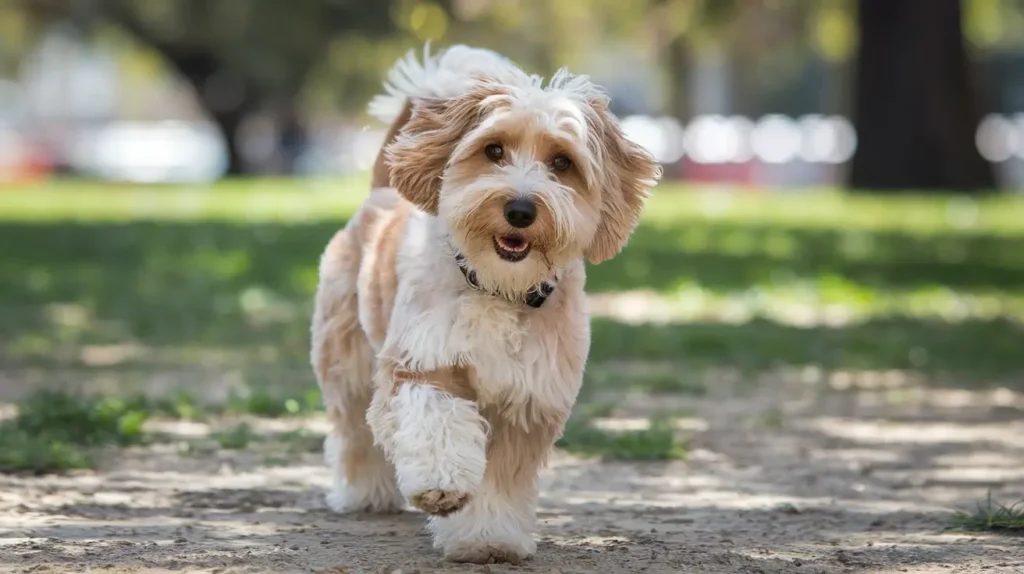
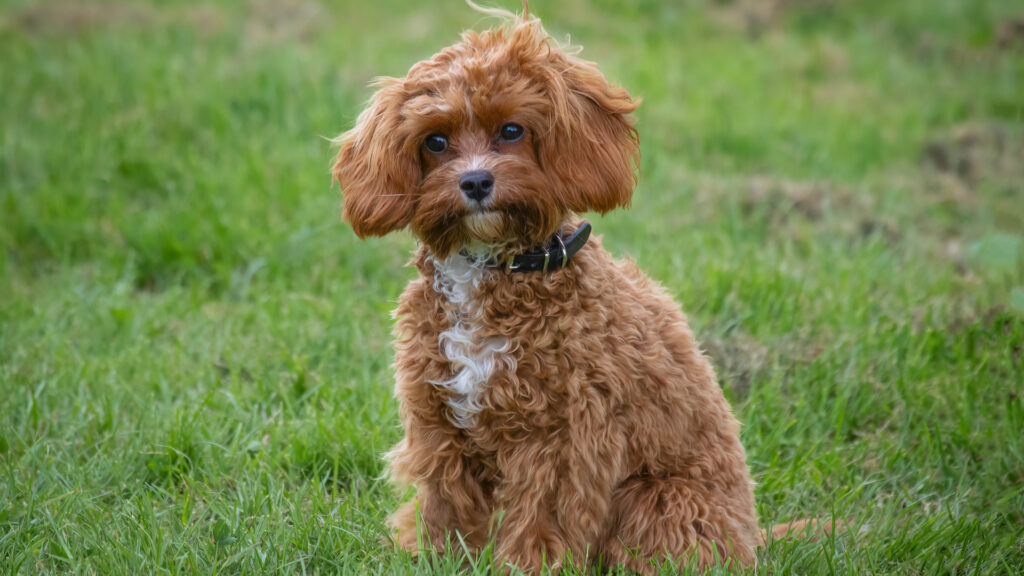
A cavapoo is the puppy of a Cavalier King Charles Spaniel bred to a Poodle, usually a toy or miniature Poodle; in Australia and much of Britain the same cross is called a cavoodle. Neither name is a breed name in the sense that “Labrador Retriever” is one. There is no written standard, no studbook and no national club deciding what a correct cavapoo looks like. Every set of papers attached to a cavapoo belongs to its parents, never to the puppy itself.

The origin story is thinner than most articles admit. The cross is usually dated to Australia in the 1990s, but no registry entry marks a first litter, no founding breeder is on record, and the timeline rests on breeders’ recollections rather than documents. We could not verify it to a primary source, so treat it as tradition rather than fact.

What is documented is the wave it rode in on. The commercial boom in poodle crosses began with the Labradoodle, bred in Australia as a low-shedding guide dog candidate; smaller versions followed for apartment dwellers. That lineage matters: the cavapoo was designed as a companion from the first litter, unlike working crosses such as the Eurohound, which exists purely to pull a sled fast.

Generations: F1, F1b, F2 and what the labels mean

  • F1 — a purebred cavalier bred to a purebred poodle. The generation most cavapoos belong to, and the only one where the genetic advantage described later in this article applies.
  • F1b — an F1 cavapoo bred back to a parent breed, almost always a poodle. Marketed as the “more hypoallergenic” option because it is three quarters poodle — and three quarters poodle in its disease risks too.
  • F2 and beyond — cavapoo bred to cavapoo. Coat and size become less predictable again, not more, because recessive variants hidden in the first generation can now pair up.

Sellers use these labels with confidence and very little consistency. A label is a claim about ancestry, not a measurement of the dog in front of you. To know what is in a puppy, see both parents and run a DNA panel once the dog is home.

Where the American Kennel Club stands

The AKC does not recognize the cavapoo and, under its own rules, never can. Recognition runs through the Foundation Stock Service, and the AKC states the position plainly: crosses of existing AKC-recognized breeds are not accepted into FSS. Even to enter that pathway a breed must already be recognized by a legitimate registry and have a documented history going back at least forty years; full recognition later demands roughly 300 dogs in a studbook and a national parent club behind them.

A cavapoo fails at the first gate, not the last. This is a rule about what a cross is, not a verdict on the dogs. But the consequences for a buyer are real: no breed standard a breeder can be held to, no parent club health committee setting a required test list, and no breed health database in which to look up your puppy’s relatives.

AKC Canine Partners: what it actually gives you

One genuine AKC pathway is open to a cavapoo, and it is worth knowing precisely because it is so often described wrongly. AKC Canine Partners is an enrollment program for dogs not eligible for AKC registration — mixed breeds, crosses and rare breeds alike; the AKC reports more than a million enrolled since 2009. Enrollment requires the dog be spayed or neutered, with no exceptions, and wolf hybrids are excluded. In return the dog receives an enrollment number, an official record of its titles, lifetime enrollment in the AKC lost-and-found service and a Certificate of Recognition.

What that opens is competition: an enrolled cavapoo can enter agility, obedience, rally, tracking and coursing, and title in sports such as flyball and barn hunt. What it does not open is the conformation ring — the event most people picture when they say “dog show” — because conformation judges a dog against a written breed standard, and none exists here. Breed-specific performance events such as herding trials are likewise closed.

Be clear about what it is not. Canine Partners is not registration, not a pedigree, and not recognition of the cavapoo as a breed; a breeder who implies otherwise is either confused or hoping you are. Above all it certifies nothing about health, because enrollment involves no health testing at all.

Designer-dog registries

You will also meet certificates from bodies such as the American Canine Hybrid Club, the Designer Breed Registry and the National Hybrid Registry. These record which purebreds went into a cross, so the paperwork tells you what the parents were. That is a real service, and it is the whole service: they do not require, verify or publish health screening. Such a certificate documents ancestry, and says nothing about whether either parent’s heart was ever heard by a cardiologist.

Genetics, Size, and the One Question to Ask a Breeder
Coat, Color, and the Hypoallergenic Claim
Cavapoo — Coat Types and Colors

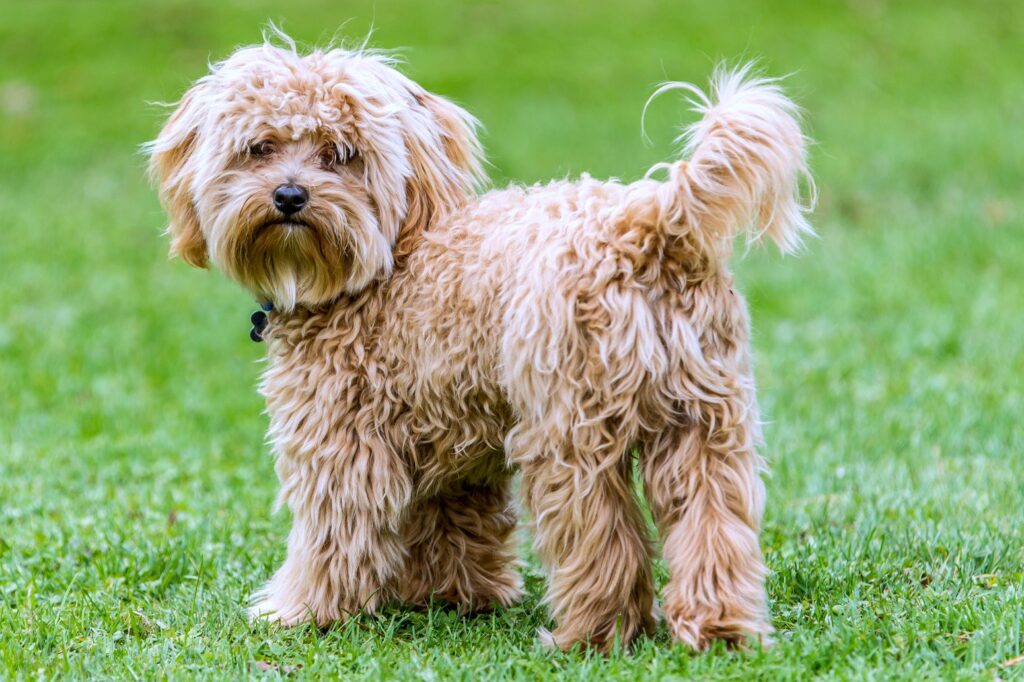
The coat is why many families choose this cross, and where marketing runs furthest ahead of evidence. Three broad coat types appear, sometimes within one litter:

  1. Fleece coat: soft and wavy, the most common outcome and the one most owners hope for. Sheds very little, mats moderately.
  2. Wool coat: dense and tightly curled, close to a poodle’s. Sheds least, mats fastest, needs the most attention.
  3. Hair coat: straighter, closer to the spaniel side. Less grooming, noticeably more shedding — often the coat that arrives when a family wanted the opposite.

Colors: Blenheim (white with chestnut markings), ruby, black and tan, tricolor, gold, apricot, cream and particolor all occur. Many puppies are born dark and lighten with maturity, an effect of the poodle’s fading gene, so the adult color is often not the puppy color.

The hypoallergenic claim does not survive contact with the research

“Hypoallergenic” is the most repeated selling point for poodle crosses, and it has been tested. A 2012 study in the Journal of Allergy and Clinical Immunology by Vredegoor and colleagues measured Can f 1, the major dog allergen, in coat samples and in the homes of breeds marketed as hypoallergenic and of control breeds. The result was the opposite of the marketing: the supposedly hypoallergenic breeds carried higher Can f 1 in hair and coat than the controls, poodles among the highest, and the difference produced no measurable change in allergen levels in the home. The authors’ conclusion is in the paper’s title: there is a lack of evidence to describe any dog breed as hypoallergenic.

That does not make low shedding a lie. Many cavapoos genuinely leave almost no hair on a black sweater, and for anyone who hates vacuuming that is a real benefit. But shedding and allergy are separate problems: the allergen is a protein carried in dander and saliva, not the hair itself. Hair locked in a curly coat is still coated in it.

The advice from allergists is unromantic and correct: do not buy a coat type, test your reaction to an individual dog. Spend several hours with the puppy and its parents in the home where they live — a reaction that takes two days to build will not show up in a twenty-minute visit.

Character and Temperament: The Eternal Puppy
Health: Where Hybrid Vigor Is Real and Where It Is Not
Papers, Tests, and American Law: What Actually Protects a Buyer
Care and Maintenance
Cavapoo — Care and Maintenance

Grooming is the real commitment

If “low-shedding” sounds like “low-maintenance,” correct that now. A coat that does not release dead hair holds onto it, and held hair mats. Matting starts in friction areas — under the collar, in the armpits, behind the ears — and a mat that reaches the skin is painful and must be shaved out.

  • Brushing: daily, with a slicker brush followed by a metal comb. The comb is the test: if it will not pass to the skin, the brush did not do its job.
  • Professional grooming: roughly every 6 to 8 weeks for life; the rounded “teddy bear” trim is the standard request.
  • The coat change: between about eight and twelve months the puppy coat gives way to the adult coat and matting suddenly accelerates. Brush more, rather than giving up.
  • Ears: long, hanging and often hairy inside. Both parent breeds are prone to outer ear infections, and the RVC data found cavapoos had higher odds of them than cavaliers. Dry the ears after baths and swimming, and have the groomer check them.
  • Eyes: tear staining is common; wipe daily with a product intended for it. Persistent discharge in one eye is a veterinary question, not a cosmetic one.
  • Teeth: small mouths crowd teeth, and dental disease is among the most common problems in small dogs. Daily brushing genuinely works.

Exercise, diet and weight

Plan on about 40 to 60 minutes of activity a day, split across two walks plus play. This is an energetic dog but not an endurance athlete: the frame is small and the joints are small with it. Scent games and puzzle feeders satisfy the poodle brain more efficiently than extra miles. An under-stimulated cavapoo does not become calm; it becomes a project manager, and your shoes are the project.

Feed measured meals of a good small-breed food or a fresh diet formulated by a veterinarian, and weigh the dog regularly rather than judging by eye. Weight control here is not cosmetic: excess weight aggravates patellar luxation and loads a heart that may already be leaking, making it the single most consequential thing an owner controls in a dog with cavalier ancestry. Watch for scavenging too — the RVC data found cavapoos more prone than either parent breed to eating things they should not, and to the vomiting and diarrhea that follow.

Pros and Cons
Cavapoo — Pros and Cons of the Breed
Pros (+)Cons (-)
Exceptionally gentle, affectionate and people-orientedCannot handle being alone; separation problems are the leading reason they are rehomed
Often sheds very little — real, though not the same thing as hypoallergenicNeeds professional grooming every 6 to 8 weeks for life
Quick to learn; eligible to title in agility, obedience and rally through AKC Canine PartnersTraits are unpredictable: an F1 litter is not uniform in size, coat or ears
Compact and genuinely well suited to apartment livingA large UK survey found cavapoos scored worse than both parent breeds on most behavior scales where they differed
One real genetic win: an F1 puppy cannot be born with episodic falling or curly coat / dry eyeHeart and neurological risk from the cavalier is not diluted by crossing
Interesting Facts About the Cavapoo
  • Not a hybrid, biologically speaking: a cavalier and a poodle are the same species. “Hybrid” here is marketing language borrowed from genetics, where it means something rather more dramatic.
  • Nobody knows how many live in America: there is no registry to count them in. Britain has at least an estimate — the Dogs Trust National Dog Survey put cavapoos at around 1.5 percent of UK dogs. No comparable American figure exists.
  • A million enrolled dogs: AKC Canine Partners has taken in more than a million dogs since 2009. A cavapoo can earn agility titles under it and can never enter the conformation ring.
  • The paperwork belongs to the parents: there is no such thing as a cavapoo pedigree. When a seller offers “papers,” ask whose papers, from which registry.
Common Questions (FAQ)

Is the cavapoo a recognized breed in the United States?

No. The AKC recognizes breeds, not crosses, and states directly that crosses of existing AKC-recognized breeds are not accepted into its Foundation Stock Service, the entry point for recognition. There is no cavapoo standard, studbook or parent club, and no cavapoo pedigree — only its parents have papers. A cavapoo can enroll in AKC Canine Partners and earn titles, but that is enrollment, not registration, and certifies nothing about health.

How long do cavapoos live?

No reliable figure exists for the cross, because there is no registry recording cavapoos as a population and therefore no life table to build from. The nearest solid number belongs to one parent: UK primary-care records analyzed through VetCompass put the Cavalier King Charles Spaniel’s life expectancy at about 10.5 years. The poodle is generally considered longer-lived, and that is as far as the evidence goes. Confident life spans on sales pages are not traceable to published data.

How big will my cavapoo get?

It depends on which poodle variety was used, which is why there is no single honest answer. The parent standards give three anchor points: the toy poodle stands 24–28 cm and the miniature 28–35 cm at the withers under FCI Standard 172, while the AKC gives the cavalier 12–13 in (30–33 cm) and 13 to 18 lb. Ask which variety is in the pairing and see both parents, because an F1 litter is not uniform.

Are cavapoos hypoallergenic?

No dog is. A 2012 study in the Journal of Allergy and Clinical Immunology measured the major dog allergen Can f 1 and found breeds marketed as hypoallergenic carried higher levels in hair and coat than control breeds, poodles among the highest, with no difference measured in the home. Many cavapoos do shed very little, a genuine benefit, but shedding and allergen exposure are different things. Test your reaction to the individual dog.

Is a cavapoo healthier than a purebred because of hybrid vigor?

Partly, and only in specific places. Crossing genuinely prevents two strictly recessive cavalier diseases, episodic falling and curly coat / dry eye, because the poodle carries neither mutation, so an F1 puppy cannot be born affected. But mitral valve disease is polygenic and is not diluted that way, and syringomyelia travels with skull shape. A 2024 Royal Veterinary College study of 985 cavapoos found no significant difference from the parent breeds in 86.6 percent of comparisons.

Which health tests should I ask the breeder for?

Ask for each parent’s own breed panel, not a cavapoo certificate, which cannot exist. From the cavalier: a cardiac exam by a board-certified veterinary cardiologist, plus hips, patellas and an eye exam. From the poodle: a prcd-PRA DNA test, a CAER eye clearance and a patella evaluation, with hips for the miniature. Look the results up yourself in the public OFA database rather than accepting a screenshot. No DNA panel tests for mitral valve disease or syringomyelia.

Can a cavapoo be left alone while I work?

Not comfortably. Three to four hours is a realistic maximum for a well-prepared adult, and a standard workday away from home is a poor match. This is a dog bred from two intensely people-oriented lines, and separation-related behavior is the most common reason cavapoos are given up. If nobody is home in the day, arrange a walker or daycare before the puppy arrives.

Why are puppies in the same litter so different?

Because a first-generation dog cross is not the uniform F1 of a biology textbook. That uniformity requires two inbred lines fixed for the trait in question, and neither parent breed is fixed for coat texture, ear set or adult height. So littermates genuinely vary: one puppy grows up curlier, larger or longer-muzzled than its brother. Meeting both parents tells you more than any label.

What does American law require of a cavapoo breeder?

Far less than most buyers assume. There is no federal standard governing which dogs may be bred. A USDA license under the Animal Welfare Act is required only from breeders with more than four breeding females who also sell wholesale or sight unseen, so most small breeders are exempt. America offers consumer protection after the sale instead: around 22 states have puppy lemon laws, though most cover pet dealers rather than hobby breeders. Put your health-testing requirements into the contract yourself.

Video About the Cavapoo
Pros
  • Very affectionate and sociable
  • Often low-shedding (poodle heritage)
  • Ideal for an apartment and a novice
  • Clever, easy to train
Cons
  • Cannot bear being alone (separation anxiety)
  • Curly coat needs regular grooming
  • Traits unpredictable (a cross)
  • Risk of inherited heart and eye defects
Compared with similar breeds
Cavalier King Charles SpanielPoodle (toy)Poodle (miniature)
Height30–33 cm24–28 cm28–35 cm
Energy33.53.5
Apartment4.54.54.5
Beginners444
FAQ
Is the cavapoo a recognized breed in the United States?
No. The AKC recognizes breeds, not crosses, and states directly that crosses of existing AKC-recognized breeds are not accepted into its Foundation Stock Service, the entry point for recognition. There is no cavapoo standard, studbook or parent club, and no cavapoo pedigree — only its parents have papers. A cavapoo can enroll in AKC Canine Partners and earn titles, but that is enrollment, not registration, and certifies nothing about health.
How long do cavapoos live?
No reliable figure exists for the cross, because there is no registry recording cavapoos as a population and therefore no life table to build from. The nearest solid number belongs to one parent: UK primary-care records analyzed through VetCompass put the Cavalier King Charles Spaniel’s life expectancy at about 10.5 years. The poodle is generally considered longer-lived, and that is as far as the evidence goes. Confident life spans on sales pages are not traceable to published data.
How big will my cavapoo get?
It depends on which poodle variety was used, which is why there is no single honest answer. The parent standards give three anchor points: the toy poodle stands 24–28 cm and the miniature 28–35 cm at the withers under FCI Standard 172, while the AKC gives the cavalier 12–13 in (30–33 cm) and 13 to 18 lb. Ask which variety is in the pairing and see both parents, because an F1 litter is not uniform.
Are cavapoos hypoallergenic?
No dog is. A 2012 study in the Journal of Allergy and Clinical Immunology measured the major dog allergen Can f 1 and found breeds marketed as hypoallergenic carried higher levels in hair and coat than control breeds, poodles among the highest, with no difference measured in the home. Many cavapoos do shed very little, a genuine benefit, but shedding and allergen exposure are different things. Test your reaction to the individual dog.
Is a cavapoo healthier than a purebred because of hybrid vigor?
Partly, and only in specific places. Crossing genuinely prevents two strictly recessive cavalier diseases, episodic falling and curly coat / dry eye, because the poodle carries neither mutation, so an F1 puppy cannot be born affected. But mitral valve disease is polygenic and is not diluted that way, and syringomyelia travels with skull shape. A 2024 Royal Veterinary College study of 985 cavapoos found no significant difference from the parent breeds in 86.6 percent of comparisons.
Which health tests should I ask the breeder for?
Ask for each parent’s own breed panel, not a cavapoo certificate, which cannot exist. From the cavalier: a cardiac exam by a board-certified veterinary cardiologist, plus hips, patellas and an eye exam. From the poodle: a prcd-PRA DNA test, a CAER eye clearance and a patella evaluation, with hips for the miniature. Look the results up yourself in the public OFA database rather than accepting a screenshot. No DNA panel tests for mitral valve disease or syringomyelia.
Can a cavapoo be left alone while I work?
Not comfortably. Three to four hours is a realistic maximum for a well-prepared adult, and a standard workday away from home is a poor match. This is a dog bred from two intensely people-oriented lines, and separation-related behavior is the most common reason cavapoos are given up. If nobody is home in the day, arrange a walker or daycare before the puppy arrives.
Why are puppies in the same litter so different?
Because a first-generation dog cross is not the uniform F1 of a biology textbook. That uniformity requires two inbred lines fixed for the trait in question, and neither parent breed is fixed for coat texture, ear set or adult height. So littermates genuinely vary: one puppy grows up curlier, larger or longer-muzzled than its brother. Meeting both parents tells you more than any label.
What does American law require of a cavapoo breeder?
Far less than most buyers assume. There is no federal standard governing which dogs may be bred. A USDA license under the Animal Welfare Act is required only from breeders with more than four breeding females who also sell wholesale or sight unseen, so most small breeders are exempt. America offers consumer protection after the sale instead: around 22 states have puppy lemon laws, though most cover pet dealers rather than hobby breeders. Put your health-testing requirements into the contract yourself.
Sources

RVC / VetCompass (PLOS One 2024 and 2026) · OFA and CHIC · AKC (Canine Partners, FSS, breed standard) · FCI 172 and 136 · USDA APHIS / Animal Welfare Act · ASPCA · AVMA

Share This Article