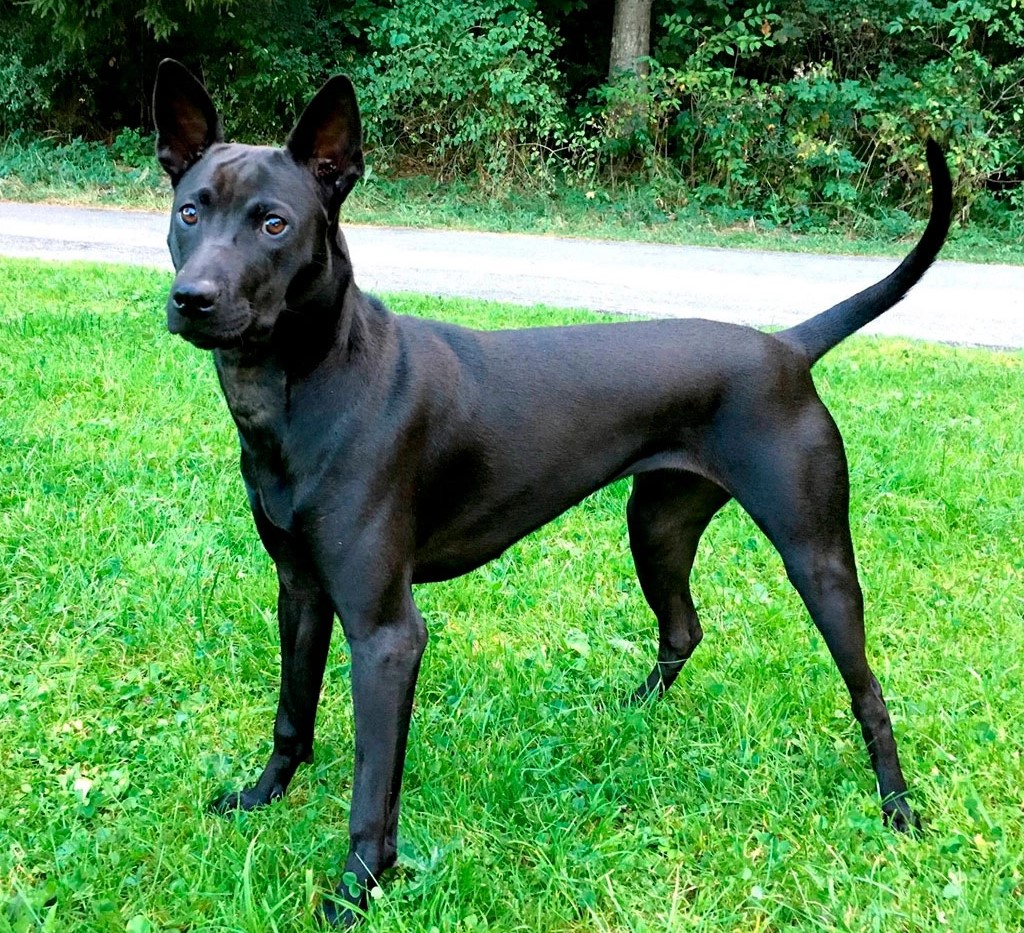
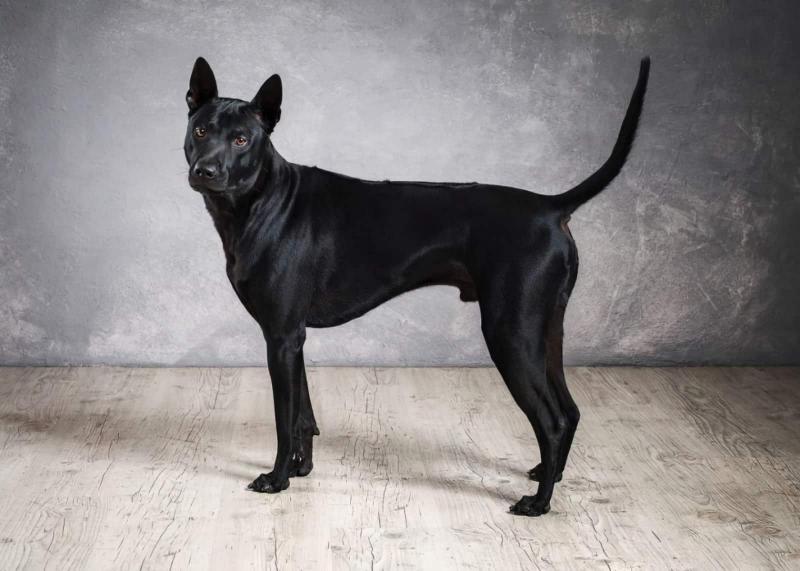
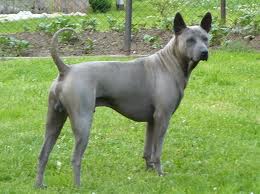
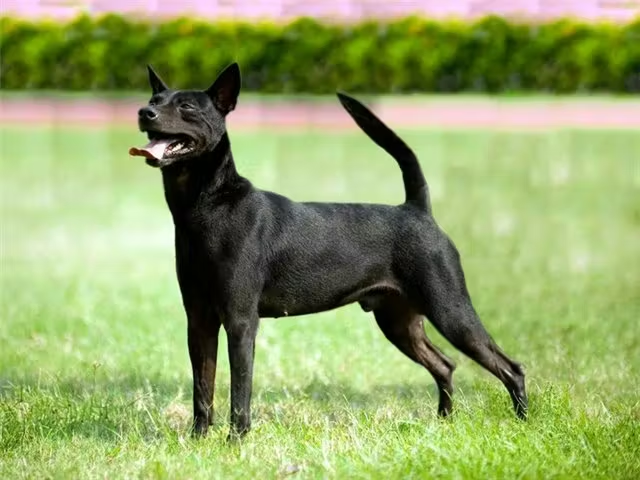
A primeval Formosan mountain dog — agile, fearless and deeply devoted: watchful, hardy, half-wild and distrustful of strangers. The Taiwan Dog is an ancient primitive breed of the island of Taiwan that survived for centuries in harsh mountains; boundlessly loyal to its owner but half-wild, demanding and wary, it suits only strong, experienced owners rather than an ordinary family.
Apartment · not suitableKids · with caveatsCats · not suitableOther dogs · with caveatsBeginners · not suitable
The Taiwan Dog, also known as the Formosan Mountain Dog, is not just a breed; it is the living history of the island of Taiwan. These multi-functional and hardy dogs have traveled a thousand-year journey from a semi-wild state to recognition in the canine world. Their ability to survive, shaped by harsh conditions, is impressive, as the breed has repeatedly found itself on the brink of extinction, yet every time found a way to revive. Learn more on Tvaryny.
Interesting Facts About the Taiwan Dog
Ancient origin: Genetic studies confirm that Taiwan Dogs descend from ancient hunting dogs that lived on the island 10,000–20,000 years ago, even before humans arrived there.
"Climbing dog": A unique feature of the Formosans is their ability to turn 180 degrees on the spot while running, which allows them to instantly change direction in dense forest. They also have very mobile joints, allowing them to overcome difficult terrain.
Sensory abilities: Indigenous inhabitants of Taiwan called them "sensory dogs." They claimed that the dogs could predict earthquakes and other natural disasters, showing anxiety in advance.
Silent hunter: On the hunt, the Taiwan Dog does not bark but uses specific body and tail movements to point out prey to the hunter.
National symbol: After the breed was saved from extinction, it became a national treasure of Taiwan. Its image can be found on stamps and other symbols, and the breed is protected by the state.
History and Origin of the Breed
The history of the Taiwan Dog is a dramatic saga of survival, closely interwoven with the history of Taiwan itself. Their ancestors, scientists believe, were descendants of South Asian hunting dogs known as "pariahs." For millennia, they lived alongside the indigenous tribes of the island, acting as hunters, guards, and loyal companions. The isolation of the island allowed the breed to develop with minimal outside interference, which contributed to the formation of unique traits and extraordinary adaptability to the local climate and terrain.
However, this idyllic state was disturbed. A researcher of the breed, Dr. Sung Yung-yi, identified four critical periods that nearly led to the complete disappearance of these dogs:
Dutch Colonization (1624–1662): European colonists began importing their dogs to the island, leading to the first instances of uncontrolled crossbreeding and the "dilution" of the pure blood of the Formosans.
Japanese Occupation (1895–1945): The Japanese also brought dogs with them, particularly German Shepherds, for military needs. This further intensified the process of crossbreeding, and finding a purebred Taiwan Dog became increasingly difficult.
World War II and the Post-War Period: Economic hardship and famine led to dogs being consumed as food. This practice, brought to the island by Chinese refugees, dealt the most devastating blow to the population.
Economic Boom: With the improvement of the economic situation in Taiwan, a fashion for foreign dog breeds emerged, pushing local dogs to the sidelines of popularity.
In the 1970s, the situation became critical. It was then that Dr. Sung Yung-yi, together with colleagues from the National Taiwan University, launched a rescue expedition. Over four years, they surveyed 29 mountain regions where indigenous tribes still lived. They managed to find 160 dogs that possessed Formosan traits, but only 46 of them were deemed sufficiently purebred to start a program to restore the breed. Thanks to these efforts, today we can see these unique animals. In 2015, the breed received official recognition from the Fédération Cynologique Internationale (FCI) under the name "Taiwan Dog."
Breed Standard and Appearance
The Taiwan Dog is a medium-sized athlete, in which every feature testifies to speed, agility, and endurance. It is a dry, wiry dog with strong muscles, perfectly balanced for movement over rough terrain. Its appearance is the embodiment of functionality, honed by millennia of natural selection.
Breed Standard and Appearance · 11
Characteristic
Description according to FCI Standard No. 348
General Appearance
Medium-sized dog, dry, wiry, well-balanced, almost square format.
Important Proportions
Height at the withers to body length is approximately 10:10.5. Chest depth is 45–47% of the height at the withers. Ratio of muzzle length to skull is 4.5:5.5.
Head
Triangular, forehead broad and slightly rounded, without wrinkles. Stop is clearly defined.
Muzzle
Tapers to the nose but is not pointed. Nasal bridge is straight. Jaws are strong with a scissor bite.
Eyes
Almond-shaped, dark brown. Lighter eyes are permissible but not desirable. The gaze is penetrating and alert.
Ears
Thin, erect, set on the sides of the skull at a 45-degree angle. The inner contour of the ear is straight, the outer is slightly convex.
Body
Neck is muscular, withers well defined. Back is straight and short. Chest is deep but does not reach the elbows. Belly is well tucked up.
Tail
Sickle-shaped (saber), set high. The dog carries it energetically; the tip of the tail may point forward.
Coat
Short, hard, lying tight to the skin. Length 1.5–3 cm.
Males: height 48–53 cm, weight 14–18 kg. Females: height 43–48 cm, weight 12–16 kg.
Character and Temperament
The character of the Taiwan Dog is a unique combination of primal independence and boundless devotion. This is not a dog that will look into the eyes of every passerby expecting affection. Its trust must be earned. For its family, for its "pack," it will become a reliable protector and a tender friend, but it will always treat strangers with great caution and suspicion.
Key temperament traits:
Loyalty to one master: Very often, the Formosan chooses one person as their main leader and becomes their "shadow." This does not mean they do not love other family members, but their bond with the chosen owner will be special.
High intelligence and independence: These are extremely smart dogs, capable of independently assessing a situation and making decisions. This trait, bred by centuries of life in the wild, makes them difficult to train if you don't find the right approach.
Territorial and guarding instinct: Guarding their territory and family is in their blood. They are very vigilant, have acute hearing and smell, and react instantly to any unusual sounds or the appearance of strangers.
Energy and need for movement: This is not a couch potato. Taiwanese dogs need daily, intensive physical and mental exercise. Without it, they can become destructive and restless. Their energy and hunting qualities are similar to the Portuguese Podengo Pequeno and Portuguese Podengo Medio, which are also primitive hunting breeds.
Attitude towards children and other animals: With proper and early socialization, the Taiwan Dog can get along well with children, especially if they grow up together. However, their interaction should always be supervised. Due to a strong hunting instinct, they may perceive small animals (cats, rodents) as prey, so introductions must be very careful.
Training and Education
Training a Taiwan Dog is a challenge that requires patience, consistency, and an understanding of the psychology of primitive breeds. Forget about harsh methods and forceful pressure - this will only lead to resistance, stubbornness, and a loss of trust. Their independence is not obstinacy, but high intelligence and a habit of thinking for themselves. Similar challenges in upbringing are faced by owners of breeds like the Basenji or Thai Ridgeback, which also value partnership rather than blind submission.
The key to success is positive reinforcement. Praise the dog, encourage it with treats and play for every correctly performed action. Training sessions should be short, interesting, and varied so as not to bore the smart dog. Early and comprehensive socialization is absolutely necessary. From puppyhood, introduce the pet to various people, sounds, places, and other calm dogs. This will help raise a balanced and confident dog, not a fearful aggressor.
Pros and Cons of the Breed
Pros and Cons of the Breed · 6
✅ Advantages
❌ Disadvantages
Incredible devotion to family and owner.
Distrust of strangers, may show aggression.
High intelligence and problem-solving ability.
Tendency towards independence and making decisions alone, which complicates training.
Excellent guard qualities, vigilance, and fearlessness.
Requires very high physical exercise, not suitable for inactive people.
Robust health and genetic endurance.
Requires mandatory early and intensive socialization.
Minimal coat care.
Can be aggressive towards other animals due to strong hunting instinct.
Unique and rare breed with a rich history.
Not the best choice for a novice in dog ownership.
Care and Maintenance
Despite its wild origins, the Taiwan Dog does not require overly complex care. Its natural constitution makes it quite undemanding, but certain aspects require the owner's attention.
Grooming and coat care
Care for the short and hard coat of the Taiwanese is minimal. It is sufficient to go over it once a week with a rubber brush or mitt to remove dead hairs and distribute skin oils. Shedding occurs twice a year, and during this period you will have to brush the dog more often, perhaps 2–3 times a week.
These dogs should be bathed only when absolutely necessary. They instinctively dislike water, so accustoming a puppy to baths must start from an early age, making this process as positive as possible. It is important to regularly inspect and clean the ears, as their erect shape makes them open to dirt. Also, do not forget about trimming nails if they do not wear down naturally, and dental care.
Physical exercise and activity
This is a key aspect of keeping the breed. The Taiwan Dog needs at least 1.5–2 hours of active exercise per day. These cannot be slow walks on a leash around the block. They need running, games, and the opportunity to explore territory. Ideal for them would be:
Long hikes in the woods or mountains;
Jogging with the owner;
Canine sports: agility, coursing, flyball;
Search games and intellectual puzzles.
The Taiwan Dog will feel best in a single-family home with a large, securely fenced yard. Keeping one in an apartment is possible only if the owner is ready to dedicate a lot of time to active outdoor sessions.
Nutrition
Feeding Recommendations
Health and risks
Health and Common Diseases
Frequently Asked Questions (FAQ) · 4
Is the Taiwan Dog suitable for a family with children?
Yes, but with caveats. If the dog has grown up with children and undergone proper socialization, it can become a wonderful companion and protector for them. However, it will not tolerate rough handling. Interaction with small children should always be supervised. This is not a breed that can be left alone with a toddler unattended.
Can a Taiwan Dog live in an apartment?
This is highly undesirable. Theoretically, it can adapt, but only if the owner is a true enthusiast ready to provide 2–3 hours of intensive outdoor training daily in any weather. Without sufficient energy release in an apartment, it may become destructive and unhappy. The ideal place for it is a home with a large, securely fenced yard.
How "talkative" are they? Do they bark a lot?
Taiwan Dogs are not prone to barking without reason. They give voice only when they deem it necessary - warning of a stranger's approach or a real threat. Their bark is short, abrupt, and very loud.
Is it hard to find a Taiwan Dog puppy?
Yes, outside of Taiwan, this is a very rare breed. Even in its homeland, purebred dogs with a good pedigree are valuable. If you are interested in this breed, you will likely have to look for breeders in Taiwan and prepare for a long wait and significant expense.
Video about the breed
FAQ
Is the Taiwan Dog good for a family?
Rather not — because of its closeness to half-wild ancestors it demands constant attention, strength and experience; it is boundlessly devoted to a single owner but not suited to ordinary family life and play with children.
Why is the Taiwan Dog distrustful of strangers?
A primeval breed that survived in the mountains for centuries with minimal human intervention; hence its watchfulness, distrust of strangers and strong survival instinct.
Is the Taiwan Dog healthy?
Health is generally robust, but no breed-wide list of hereditary diseases has been compiled — “not described” means “not studied”, not “not there”.