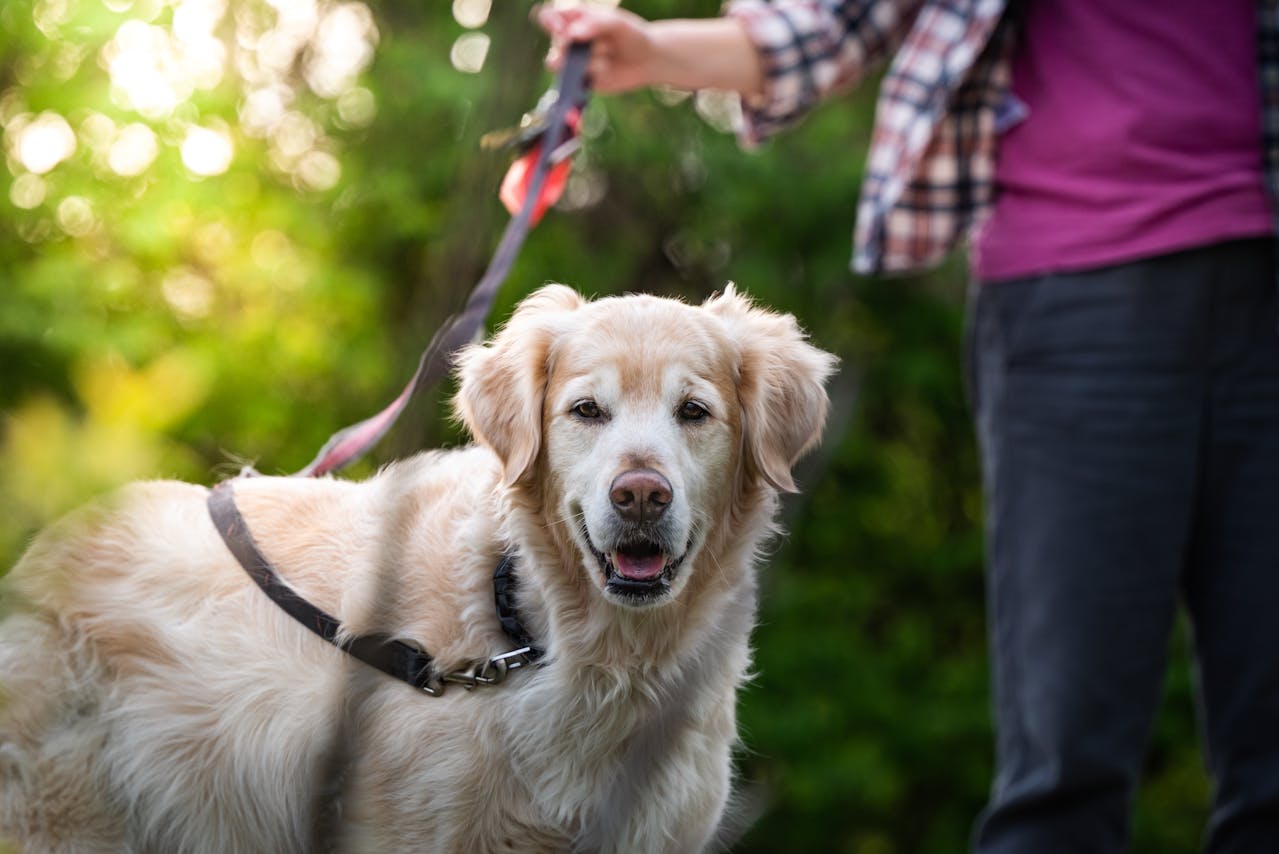
Aging is an inevitable part of every pet's life. We notice the graying muzzle, a slower gait, and longer naps. Often, we simply chalk up odd behavioral changes to "just getting old." But what if that confusion, nighttime anxiety, or "disobedience" is a sign of something more? We're talking about Canine Cognitive Dysfunction (CCD), also known as doggy dementia—a condition that deserves our attention, understanding, and proactive support. It's not just a part of aging; it's a real medical diagnosis, and the good news is we can do a lot to help our four-legged friends. To learn more about this and other pet health topics, keep reading on Tvaryny.
What Exactly Is Canine Cognitive Dysfunction (CCD)?
Canine Cognitive Dysfunction (CCD) is a neurodegenerative disease in dogs that's similar to Alzheimer's disease in humans. It's linked to age-related changes in the brain, such as the buildup of protein plaques (beta-amyloids), reduced blood flow, and the death of neurons. These processes lead to a gradual decline in cognitive functions, including memory, learning ability, spatial orientation, and interaction with their environment.
Studies show that clinical symptoms of dog aging associated with CCD are observed in about 28% of dogs aged 11–12 and a staggering 68% of dogs aged 15–16. However, the first, subtle changes can appear much earlier.

Key Symptoms of Dog Dementia: The DISHA Acronym
To help owners better track and report symptoms, veterinarians often use the acronym DISHA. If you notice symptoms from several of these categories in your dog, it's a serious reason to schedule a vet visit.
D – Disorientation
- Your dog seems confused in familiar surroundings (at home, in the backyard).
- They might get "stuck" in corners, behind furniture, or stare blankly at a wall.
- They confuse doors, trying to go outside through the wrong one.
- They have trouble recognizing familiar people or animals.
I – Interaction Changes
- Their social behavior changes: they become less interested in cuddling, playing, or interacting.
- Alternatively, they may become overly "clingy," anxious, and demand constant attention.
- They might show sudden irritability or aggression without any obvious trigger.
S – Sleep-Wake Cycle Changes
- Disruptions to the sleep-wake cycle are a classic symptom.
- The dog sleeps excessively during the day but is restless at night, pacing, whining, and aimlessly wandering.
- Overall activity levels decrease, and interest in walks and games fades.
H – House-soiling / Forgetting Training
- A dog that has been house-trained for years starts having accidents inside, as if they've forgotten the rules.
- They ignore familiar commands ("sit," "come") they used to perform flawlessly.
- They forget where their food or water bowl is located.
A – Activity & Anxiety
- There's a decrease in purposeful activity (playing, going for walks).
- Instead, aimless behaviors appear: circling, pacing back and forth.
- An overall increase in anxiety, separation anxiety, or fear of loud noises that didn't bother them before.
Is It Dementia or Something Else? The Importance of a Vet Visit
Heads up! Many of the symptoms listed above can also be signs of other medical conditions. Never diagnose your dog yourself. Behavioral changes can be caused by pain, loss of sight or hearing, or endocrine disorders. For example, a reluctance to move, irritability, and sleep issues can be a result of chronic pain from conditions like arthritis and joint problems in dogs. Similarly, "potty problems" could indicate a urinary tract infection or other health issues.
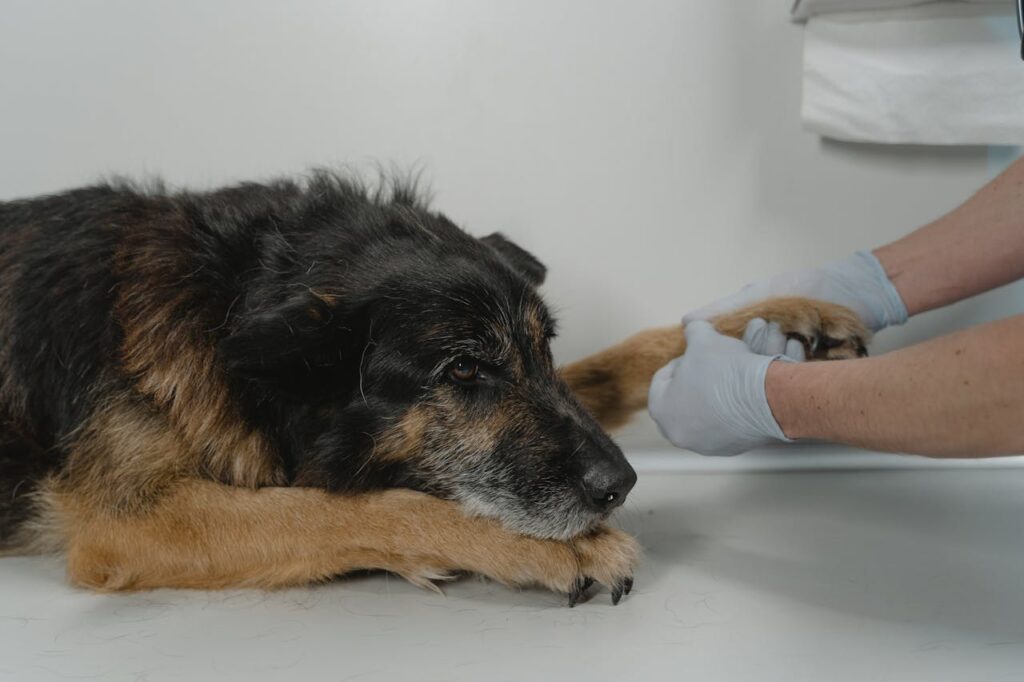
Your vet will perform a full physical exam, run blood and urine tests, and rule out other possible causes. Only then can they confirm a diagnosis of canine cognitive dysfunction.
How to Slow Down Dog Dementia and Improve Their Quality of Life
Unfortunately, there is no cure for CCD, as it is a degenerative process. However, there are many ways to help an old dog, significantly slow the disease's progression, and support a high quality of life. A comprehensive approach is the key to success.
1. Diet and Nutritional Supplements
Proper nutrition plays a huge role. Look for dog food or supplements rich in antioxidants (vitamins E and C, selenium), Omega-3 fatty acids (DHA), and medium-chain triglycerides (MCT oil, coconut oil). These components protect brain cells from oxidative stress and improve energy metabolism. There are specialized veterinary diets (for example, Hill's Prescription Diet b/d, Purina Pro Plan Veterinary Diets NC NeuroCare) specifically formulated to support cognitive function.
2. Environmental Enrichment and Mental Stimulation
The brain, like muscles, needs exercise—even in old age.
- Interactive Toys: Use puzzle toys and food dispensers that force your dog to think to get a treat.
- Short Training Sessions: Practice familiar commands or teach new, simple tricks. Keep sessions short (5–10 minutes) and positive.
- New Scents and Routes: On walks, allow your dog to sniff as much as they want. Occasionally change up your usual route to stimulate their brain with new information.
3. The Importance of a Consistent Routine
Predictability reduces anxiety and disorientation. Try to stick to a clear schedule for feeding, walks, play, and rest. A stable routine helps your dog orient themselves in time and feel more secure. This also applies to grooming: for example, regular and properly cleaning your dog's ears should be a part of their normal routine, not a stressful event.
4. Medications for Dog Dementia
Your vet may prescribe special medications to improve brain function. A common one is Selegiline (brand name Anipryl), which increases dopamine levels in the brain, improving cognitive function and mood. There are also other medications and supplements your vet might recommend depending on your dog's specific symptoms. Never try to self-medicate!
5. Adapting Your Home Environment
Make your home safer and more comfortable for your senior pet:
- Leave a nightlight on to reduce disorientation at night.
- Avoid rearranging furniture. Environmental stability is crucial.
- Use non-slip rugs on slick floors to prevent falls.
- Ensure easy access to food and water bowls, as well as their bed.
Frequently Asked Questions (FAQ)
At what age does dementia start in dogs?
The first subtle changes in the brain can begin as early as 6–8 years, but obvious clinical symptoms most often appear after 10–11 years of age. This varies individually and depends on the dog's breed, genetics, and overall health.
Can dog dementia be completely cured?
Unfortunately, no. Canine Cognitive Dysfunction is a progressive disease. However, modern approaches to treatment and care can significantly slow its progression, ease symptoms, and maintain a high quality of life for your dog for years to come.
My dog started having accidents in the house. Is it definitely dementia?
Not necessarily. Incontinence can be caused by urinary tract infections, kidney disease, diabetes, joint pain (making it difficult for the dog to hold it or go outside), or stress. The first step should always be a visit to the vet to rule out other medical causes.
How do I distinguish normal aging from cognitive dysfunction?
"Normal" aging can include a slight decrease in activity or a decline in hearing/vision. The key difference with CCD is the presence of cognitive impairments: disorientation (getting stuck in corners), a disrupted sleep-wake cycle, forgetting learned skills and commands, and changes in social interaction. If you see a combination of these symptoms, it's likely more than just normal aging.
Conclusion: Patience and Love Are Your Most Powerful Tools
A diagnosis of dog dementia can be frightening. But it's important to remember that your pet is still the same creature you love—their brain just works differently now. More than ever, they need your patience, care, and understanding. Adapt to their new needs, celebrate small victories, and provide comfort and security. Your love is the best medicine and will help make your friend's golden years truly happy.