

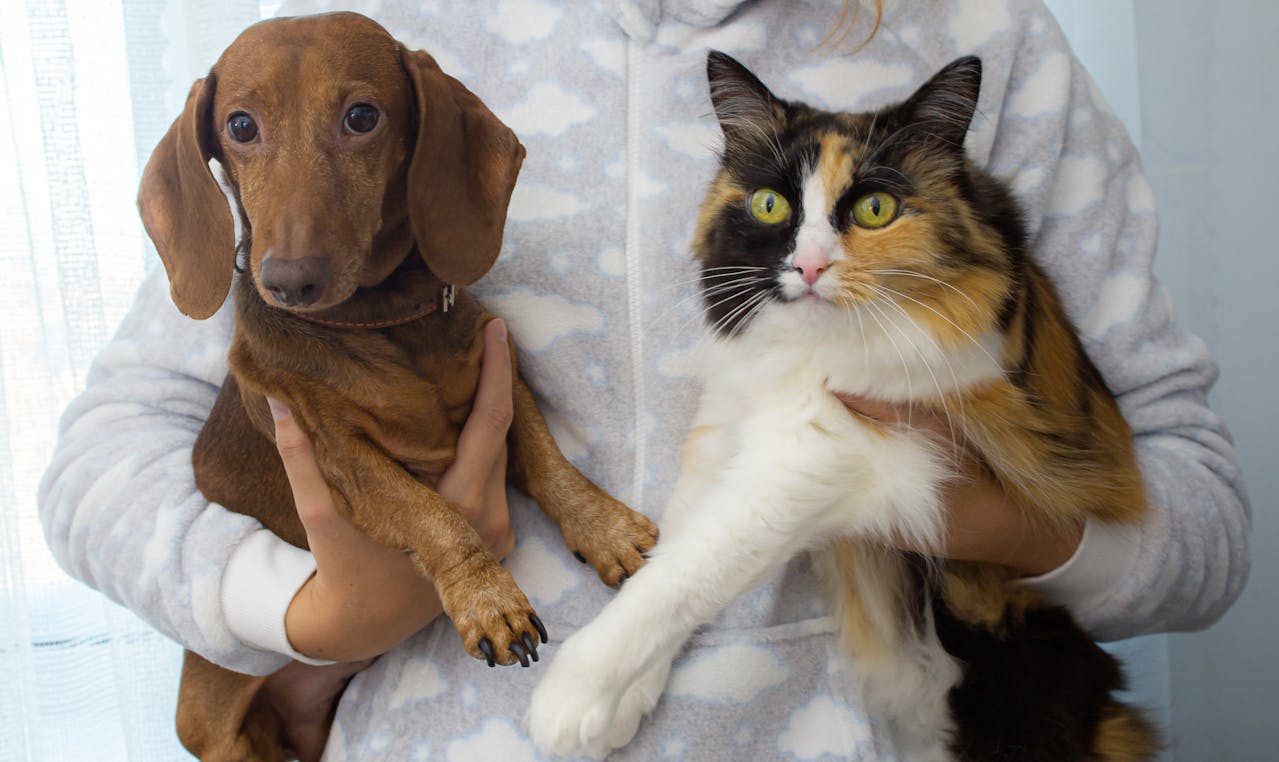
Every pet owner wants to see their furry friend happy, active, and most importantly, healthy. We carefully select their food, buy the best toys, and never skimp on time for walks. But did you know that the key to your pet’s longevity and well-being might be hidden in an invisible world that exists inside them? We’re talking about a microscopic ecosystem – the gut microbiome. This complex universe of bacteria, fungi, and viruses plays a colossal role not only in digestion but also in regulating immunity and even mood. Understanding how it works is like getting a powerful tool for your pet’s health, and you can find out more about it on Tvaryny.
What is a Pet’s Gut Microbiome and Why is it So Important?

Imagine a huge, bustling metropolis living inside your dog or cat’s gut. This city is home to trillions of residents – microorganisms. This is the microbiome. For a long time, science considered them simple “traveling companions” that helped digest food. Today, however, we know it’s a vital “organ” in its own right, one that can weigh several pounds.
This “metropolis” has its “good citizens” (beneficial bacteria, like Bifidobacterrium and Lactobacilus) who keep order, produce vitamins (K, B12, biotin), break down fiber, and strengthen the gut walls. Then there are the “troublemakers” (pathogenic bacteria, for example, certain strains of Clostridiom or Salmonella) who, under favorable conditions, can cause chaos and disease. The key to health is balance. When beneficial microbes dominate, they control the population of harmful ones, creating a harmonious and healthy environment.
The Unseen Connection: The Gut-Brain-Immunity Axis

One of the most surprising discoveries of recent years is the existence of a direct connection between the gut, the brain, and the immune system. This complex communication network is called the “gut-brain-immunity axis.” The gut is often called the “second brain” for a reason – it has its own nervous system and constantly “communicates” with the main brain through the vagus nerve, hormones, and chemical signals produced by bacteria.
This means that the state of your pet’s gut flora directly impacts their behavior and emotions. Inflammation in the gut can send distress signals to the brain, provoking stress, anxiety, or even aggression. At the same time, about 70-80% of the body’s immune cells are located right in the gut. This is the frontline of defense. A healthy microbiome “trains” the immune system, helping it respond adequately to threats and distinguish real enemies (viruses, pathogens) from safe substances (food), which is key to preventing allergies.
How the Microbiome Manages Immunity: Your Pet’s Personal Guard
Think of a healthy pet gut microbiome as a well-trained army guarding the borders. Here are its main functions:
- Creating a physical barrier: Beneficial bacteria create a dense layer on the gut walls, preventing harmful microbes from “leaking” into the bloodstream. This phenomenon is known as “leaky gut syndrome,” and a healthy microbiome prevents it.
- Producing antimicrobial substances: “Good” bacteria release substances that suppress the growth of pathogens, creating inhospitable conditions for them.
- Training immune cells: The microbiome constantly interacts with immune cells in the gut, “teaching” them to respond correctly. This helps prevent both a weak immune response (frequent illnesses) and an over-the-top one (allergies, autoimmune diseases).
When this balance is disrupted, the animal becomes vulnerable to infections and can suffer from chronic inflammation, skin problems, and allergic reactions. That’s why the question of how to improve your pet’s immunity is directly linked to the health of their gut.
A Happy Gut – A Happy Pet: The Impact on Mood and Behavior
The link between the gut and mood may seem strange, but it’s scientifically proven. Did you know that about 90% of serotonin, the “happy hormone,” is produced in the gut with the help of beneficial bacteria? A serotonin deficiency is linked to depression, anxiety, and other mood disorders.
Thus, a pet’s diet’s impact on mood goes beyond just taste – it works on a deep biochemical level. An imbalance in the gut flora (dysbiosis) can lead to:
- Increased anxiety: A pet may become more fearful, handle solitude worse, or react more to loud sounds.
- Apathy and lethargy: A decrease in energy levels and a reluctance to play or go for walks.
- Compulsive behaviors: For example, excessive paw licking, which is often mistakenly blamed only on allergies or boredom.
- Learning problems: Chronic inflammation can affect cognitive functions, making it harder to concentrate and remember commands.
Red Flags: How to Recognize Dysbiosis in Your Pet
Your pet can’t tell you what’s bothering them with words. That’s why it’s important to know the signs that may indicate problems with the microbiome. Here are the main red flags:
- Digestive issues: This is the most obvious sign. Chronic diarrhea, constipation, bloating, frequent stomach rumbling, and vomiting (especially of undigested food).
- Skin manifestations: Itching, rashes, excessive shedding, a dull coat, frequent ear infections (otitis), and fungal skin infections. The skin is a mirror of gut health.
- Bad breath: If the teeth and gums are healthy, bad breath can indicate an imbalance in the gastrointestinal tract.
- Allergies and food intolerance: The sudden appearance of reactions to familiar food or products.
- Behavioral changes: Unexplained anxiety, apathy, irritability, or even aggression.
- Weight problems: Inability to gain weight despite a good appetite, or conversely, a tendency towards obesity.
If you notice one or more of these symptoms, it’s a reason not only to see a vet but also to seriously consider supporting your pet’s gut flora.
A Practical Guide: How to Support and Restore a Healthy Microbiome
Fortunately, we can actively influence the state of the gut flora. It’s a daily effort that consists of several key aspects.
1. Nutrition – The Foundation of Health
What your pet eats also feeds their microbiome. Highly processed foods with a lot of grains, artificial preservatives, and dyes can suppress beneficial bacteria and promote the growth of pathogens.
- Variety: Don’t feed your pet the same food for years. Periodically changing proteins (for example, chicken today, then turkey or fish a month later) promotes microbiome diversity, which is a sign of its stability.
- Fiber (prebiotics): This is “food” for beneficial bacteria. Add a small amount of approved vegetables (pumpkin, carrots, broccoli, leafy greens) or berries to their diet. They are an excellent source of prebiotic fiber.
- Quality: Choose foods with a high content of quality animal protein, minimal fillers, and a clear ingredient list.
2. Probiotics and Prebiotics: The Support Team
These are two key tools for improving gut health in dogs and cats.
Prebiotics – as we already mentioned, this is the fiber that serves as fertilizer for the growth of “good” bacteria. Besides vegetables, good sources include chicory root, Jerusalem artichoke, and dandelion greens.
Probiotics – these are live beneficial bacteria that we introduce into the body to strengthen the “garrison.” They can be given in the form of special veterinary supplements. It’s especially important to use probiotics for cats and dogs during and after a course of antibiotics, which destroy not only harmful but also all beneficial flora. Probiotics are also useful during stressful times (moving, a vet visit), when changing food, and for any digestive issues. For pets, plain, non-fat kefir or natural yogurt without sugar or additives works well (in small amounts, if there is no lactose intolerance).
3. Lifestyle Matters
Gut health isn’t just about food. Here are a few other important factors:
- Stress control: Chronic stress raises cortisol levels, which negatively affects the microbiome. Ensure your pet has a stable daily routine, enough physical and mental exercise, and a safe place to rest.
- Smart medication use: Antibiotics and steroids should only be used as strictly indicated by a veterinarian. Always support the gut with probiotics during treatment.
- Physical activity: Regular walks and games improve gut motility and promote healthy flora.
- Avoid toxins: Household chemicals, lawn pesticides, and poor-quality water – all of these can harm the fragile gut ecosystem.
Conclusion: A Small World with a Big Impact
Caring for your pet’s gut microbiome isn’t a fad – it’s a fundamental approach to health that allows you to prevent many diseases, not just treat their symptoms. By viewing your pet’s body as a single, complex system where everything is interconnected, you are making the most valuable contribution to their long, happy, and healthy life. Healthy food, less stress, and more attention to the signals your pet’s body is sending – that’s a simple recipe for harmony inside and out.