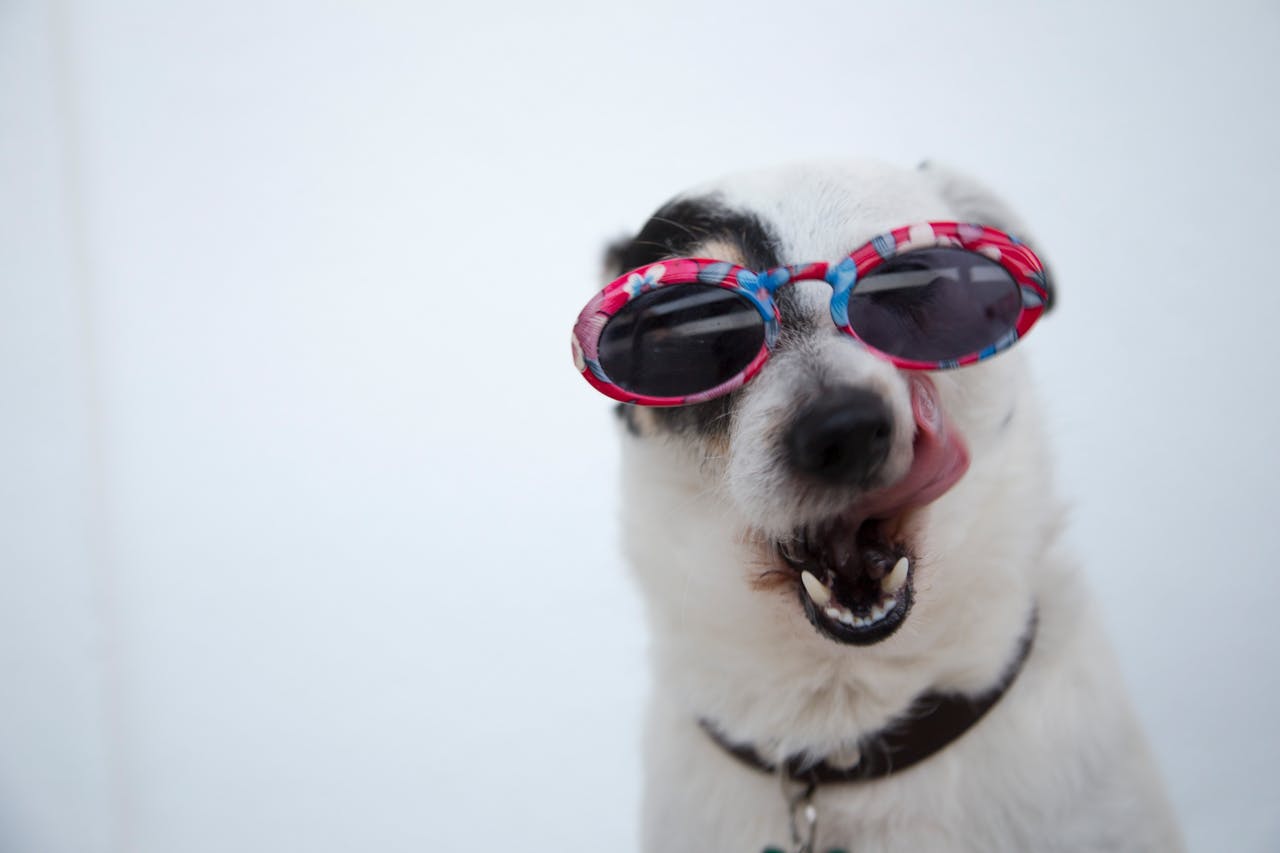
Every dog or cat owner has had this thought at least once: "He totally did that on purpose!" It’s that moment when your golden retriever steals a sock, prances by you, then stops to look back with a playful challenge in his eyes. Or when your cat casually bats a pen off the table, watching its descent with the satisfied expression of a scientist who just confirmed gravity. These moments make us wonder: are our pets capable of more than just instinct? Do they have what we humans call a sense of humor? It’s a complex question at the intersection of ethology and psychology, and the answer might just change your perspective on your four-legged friend's antics forever. Read more on this at Tvaryny.
Let's be honest: we often project human qualities onto our animals. It's called anthropomorphism. But what if there's some truth to it? What if that playful glimmer in your dog's eye isn't just a reflex, but a genuine display of canine humor? Scientists worldwide are taking the study of animal emotions more seriously than ever, and the results are astounding. They reveal that the inner world of our companions is far richer and more complex than we've been led to believe.
What is a "Sense of Humor" From a Scientific Point of View?
Before we look for humor in animals, it’s important to define what it is. For humans, a sense of humor is a complex cognitive process. It includes the ability to notice inconsistencies, understand puns and wordplay, detect irony, and find pleasure in unexpected, funny situations. It's also an important social tool for easing tension and strengthening relationships.
Obviously, we can’t apply such a complex idea directly to animals. We can't ask a cat if it got a subtle joke. That’s why scientists suggest we consider not "humor" in the human sense, but its evolutionary predecessor: play and playfulness. Play is the universal bridge that gives us a peek into the emotional world of animals. After all, the foundation of both humor and play is the ability to create a "not-so-serious" reality, derive pleasure from it, and bring others into it.
Canine Humor: Who's the Goodest Prankster?
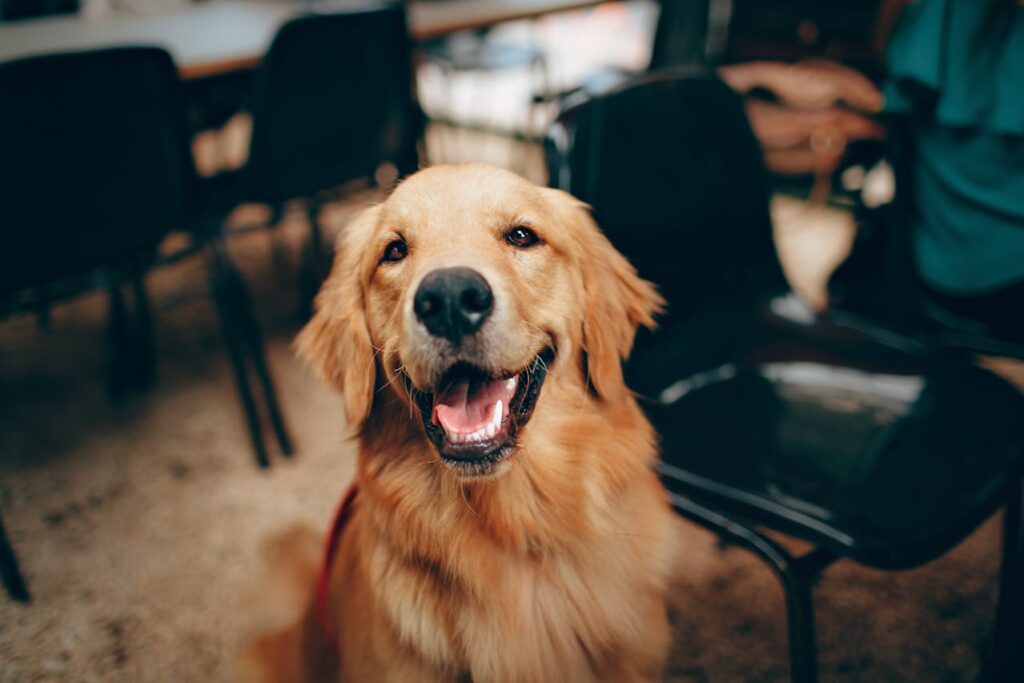
Dogs are extremely social creatures, and their behavior gives us plenty of evidence for a kind of proto-humor. They’ve evolved alongside us for years, becoming experts at reading our emotions and communicating their own.
A Dog's "Laugh": More Than Just Panting
Did you know that dogs have their own version of a laugh? Ethologist Patricia Simonet and her colleagues at Sierra Nevada College studied dog vocalizations during play. They found a specific puffing sound that’s different from normal panting. This sound, which can be described as a "heh-heh-heh," is produced across a broad range of frequencies. When researchers played this recording for other dogs in a shelter, the dogs showed a significant drop in stress levels, started wagging their tails, and began to initiate play. Essentially, the sound is a signal: "I'm just playing, what I'm doing now isn't serious, let's have fun!".
The "Play Bow" as an Invitation to Joke Around
Another key part of dog etiquette is the "play bow." A dog will lower its front end while keeping its rear in the air, looking right at its playmate. This is a universal signal that basically means, "I'm about to jump on you / nip at you, but it's all in good fun!" This gesture is so important that dogs use it to diffuse the tension if a play session gets too rough. It's proof of high-level social intelligence and the ability to negotiate the rules of "fun."
Intentional Provocations: When a Dog Knows What It's Doing
This brings us back to those stolen socks. Many aspects of dog and cat behavior point to intentionality. A dog that wants to play doesn't just bring you a toy; it often gets creative. It might steal something you've forbidden it from touching, and that's the whole point. It knows this will get a reaction out of you. Then, it doesn't run away for good but stays just far enough away for you to chase it. This is a pure provocation, a doggy "prank" meant to lure you into a fun game of tag. This kind of intelligence in cats and dogs shows a deep understanding of cause and effect and the ability to manipulate situations for entertainment.
"We see that dogs are capable of deception and trickery during play. They might pretend to run in one direction and then abruptly change course to confuse their partner. This requires an understanding of what another being is thinking. It's far more complex than simple reflexes," notes Marc Bekoff, an ethologist at the University of Colorado.
Feline Humor: Masters of the Subtle Joke
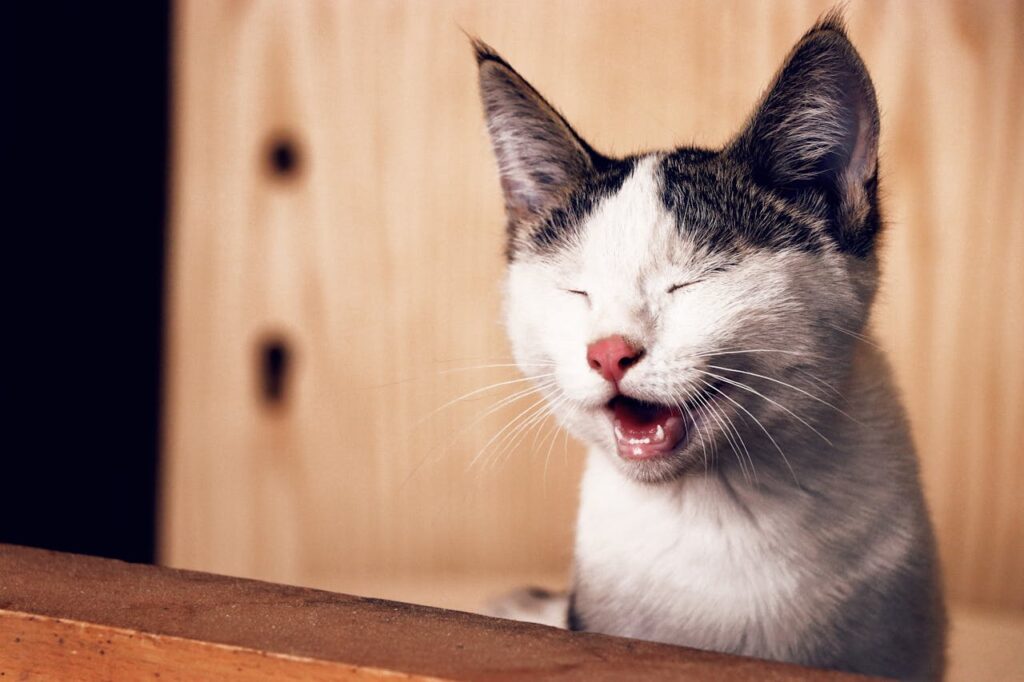
If dog humor is loud and obvious, cat humor is a fine art. Cats are typically more reserved, but that doesn't mean they don't know how to have fun and joke around. Their methods are just more sophisticated. If you're wondering how animals like this joke, the answer lies in their hunting instincts.
Ambushes and Playful Attacks
A classic example of feline humor is the ambush attack on your feet as you walk by. Sure, it’s an echo of their hunting instincts. But in a domestic setting where the cat is well-fed and safe, this behavior becomes a game. The cat knows you're not real prey. It enjoys the element of surprise and your reaction. Gentle, controlled bites without the claws out are the cat's equivalent of a playful "Gotcha!".
When Your Cat "Tricks" You
Has this ever happened to you? Your cat meows insistently at the door, you get up and open it, and it just turns around and walks away. Or it leads you to an empty food bowl, even though you know you fed it half an hour ago? Often, this isn't so much a sign of hunger as it is a learned form of manipulation to get your attention. The cat has realized that certain actions get a reaction from you, and it uses this for entertainment or simply to interact with you. It's a type of "joke" that works every time.
The Animal Brain: Is There Room for Jokes?
The question of animal emotions stopped being purely philosophical a long time ago. Neuroscience gives us more and more evidence that animals, especially mammals, have brain structures similar to our own. Their very similar to ours, in fact. The limbic system, which is responsible for emotions, is nearly identical in dogs, cats, and humans. During play, their brains produce dopamine - the "pleasure hormone," the same one that activates in our brains when we laugh at a good joke.
This means that animals don't just mechanically go through the motions of playing. They get real pleasure from the process. The desire to repeat that pleasant experience can push them to engage in inventive, "jokey" behavior designed to spark a play session.
How to Know if Your Pet is Joking: Practical Tips
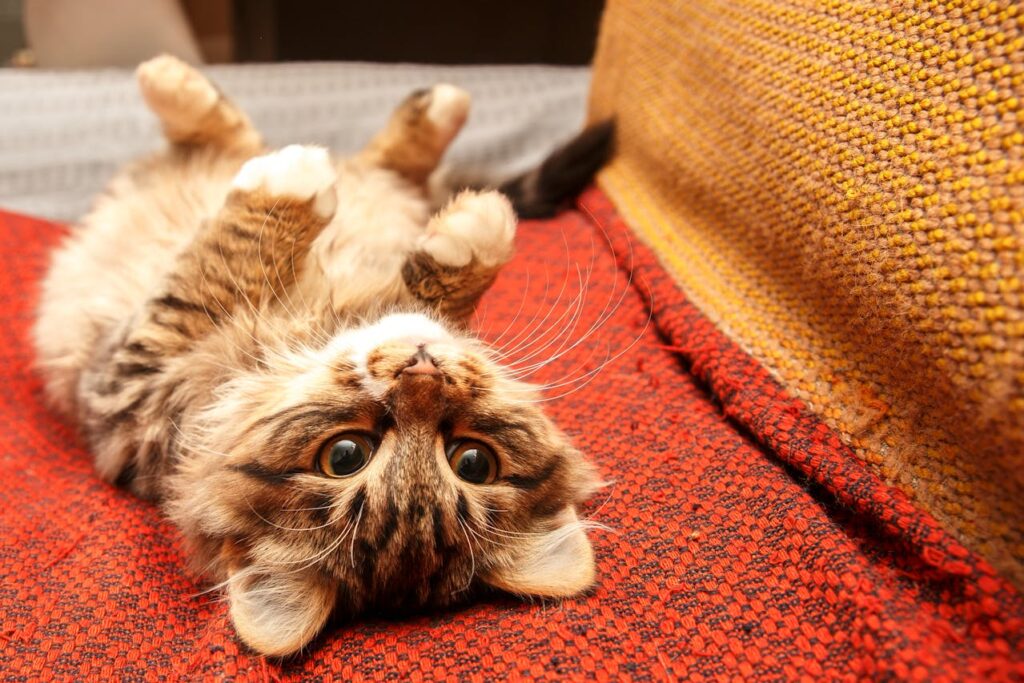
To tell the difference between a real joke and problem behavior, you have to be a keen observer. Here are a few signs that your pet is just playing around and not showing aggression or stress:
- Body Language: Look for relaxed postures. For a dog, this might be a "play face" with a slightly open mouth and relaxed ears. For a cat, it could be dilated pupils (from excitement), ears pointed forward, and a twitching tip of the tail.
- Repetition and Expectation: The animal does something and then looks at you, waiting for a reaction. If you don’t react, it might repeat the action, maybe with more drama. This is key to understanding its intentions.
- Context: It all happens in a safe, familiar environment. The animal is fed, healthy, and feels no threat. Playful behavior is a luxury that only comfortable and content animals can afford.
- Role Reversal: During a game of chase, the roles often switch. First you "attack," then your pet does. This shows that both of you understand the non-serious nature of what's happening.
How to "Joke" Back: Strengthening Your Bond
The best part about all this is that you can actively encourage your pet's playfulness. Don't scold your dog for stealing a slipper; turn it into a fun game instead. Try to initiate jokes yourself: hide unexpectedly behind a door and call your pet, or set up an "ambush" with their favorite toy. The main thing is to know your furry friend's boundaries and not turn playtime into a stressful experience.
Conclusion: So, Do Our Four-Legged Friends Really Laugh?
So, do animals have a sense of humor? If we're talking about the ability to understand complex jokes, the answer is probably no. But if we define humor as the capacity for intentional play, provocation, trickery, and getting joy from unexpected and non-serious situations, then the answer is a resounding "yes." Scientific data and the experiences of millions of pet owners confirm that dogs and cats have rich emotional worlds where there is plenty of room for joy, fun, and what we can confidently call a sense of humor.
So the next time your cat knocks a pen off the table or your dog starts a chase with a sock, don't be so quick to get annoyed. Look closer. You might have just been invited to join in on the best joke in the world - one that's understood without any words at all.