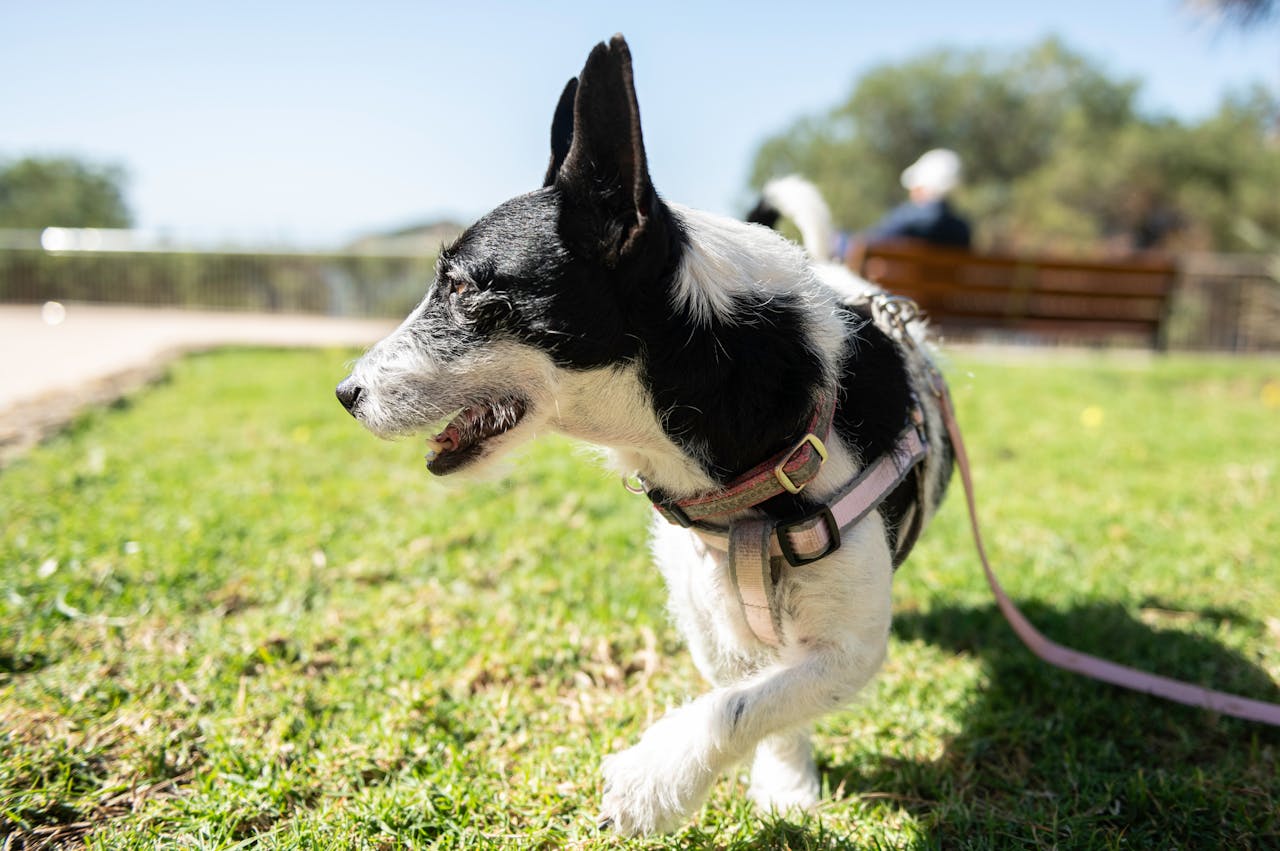
Does this sound familiar? You head out for a walk with your beloved dog, hoping for a peaceful and enjoyable time. But then, another dog or even just a pedestrian appears on the horizon, and your four-legged friend transforms into a barking bundle of nerves. The leash tightens to its limit, and you feel embarrassed, irritated, and helpless. If this is your scenario, know that you’re not alone, and this problem can be solved. This condition is called reactivity, and we'll dive into how to work with it in detail right here on Tvaryny.
Leash reactivity is one of the most common behavioral issues dog owners face. But the good news is that with patience, understanding, and the right training methods, you can teach your dog to react calmly to triggers, bringing joy back to your daily walks.
Reactivity vs. Aggression: What's the Key Difference?
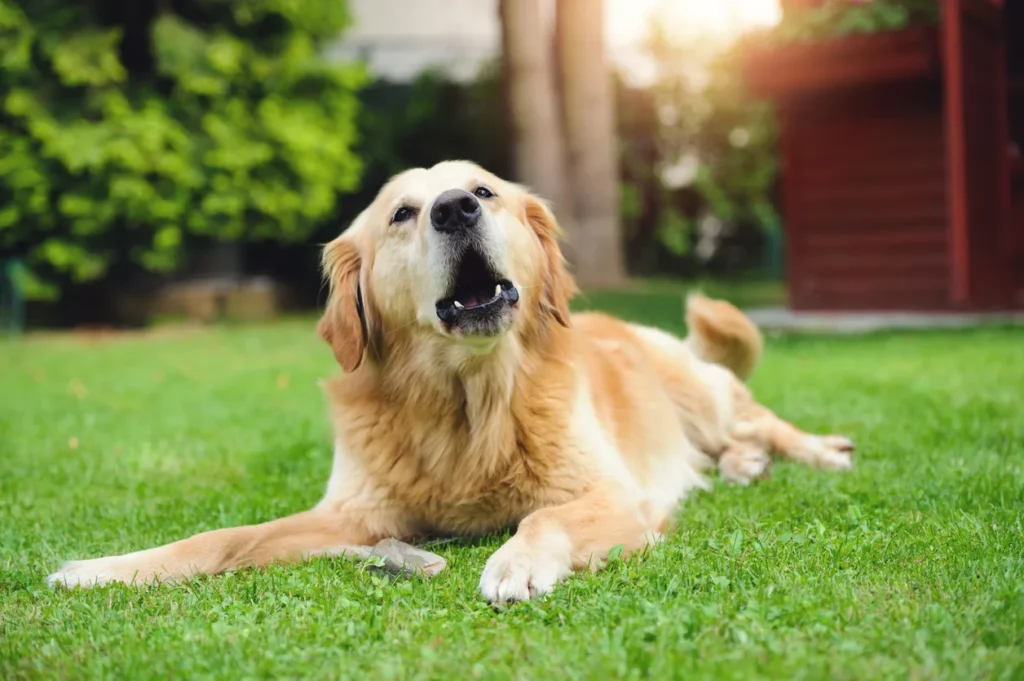
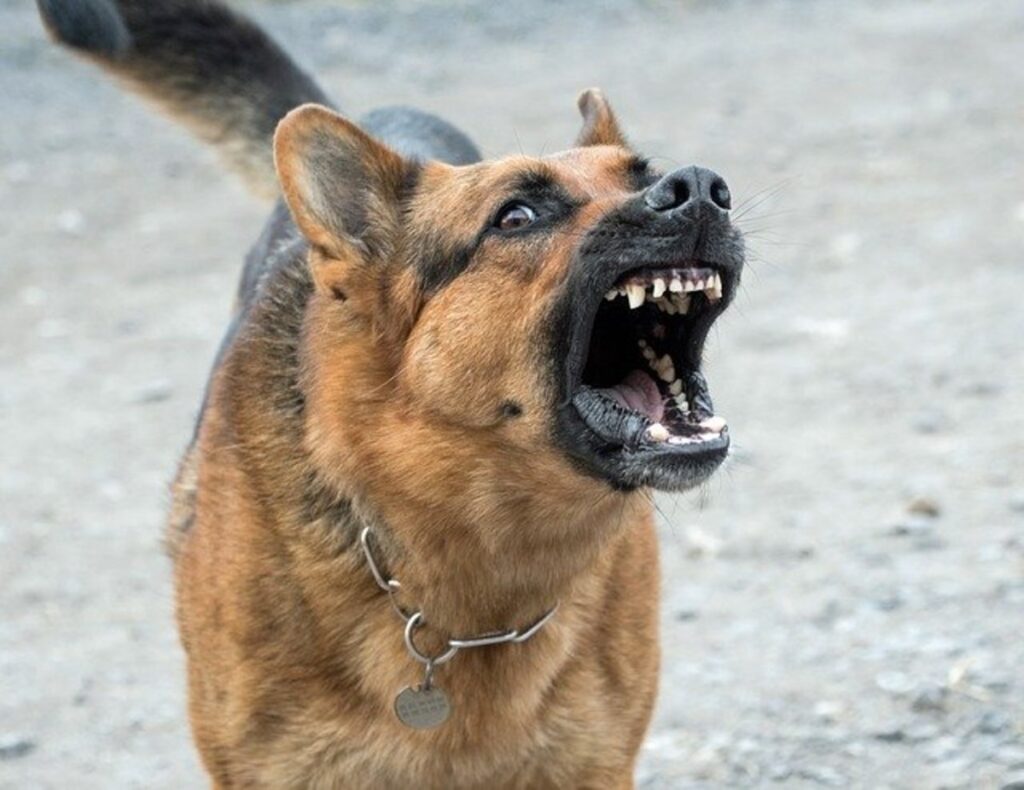
First and foremost, it's crucial to distinguish between these two concepts. While they might look similar outwardly (barking, lunging, a tense leash), their underlying motivations are fundamentally different.
- Reactivity (Reactivity) is an excessive reaction to a common stimulus (another dog, a person, a bicycle). Usually, reactivity is rooted in fear, anxiety, or strong over-excitement. The dog doesn't necessarily want to attack; it simply doesn't know how else to cope with its emotions in that moment. Its barking is often a cry of: "Go away, I'm scared!" or "I want to get to you so badly I can't control myself!"
- Aggression (Aggression) is behavior intended to cause harm. It can be offensive or defensive, but the intent here is to attack.
Many reactive dogs never display true aggression. They make a lot of noise, but their goal is to increase the distance from the object that frightens or overly excites them. Understanding this is the first step towards resolving the problem, as it shifts the focus from "punishing bad behavior" to "helping the dog cope with its emotions."
Why Does My Dog Bark at Others? Let's Find the Root of the Problem
To effectively correct your dog's behavior, you need to understand what exactly triggers such reactions. There can be several reasons, and often they are combined.
1. Fear and Insecurity
This is the most common reason. Perhaps your dog had a negative experience in the past (an attack by another dog), or they didn't have enough socialization as a puppy. For such a dog, another dog or person is a potential threat. They try to ward off this threat by barking. Fear and anxiety are among the deepest causes of reactivity, similar to how dogs experience distress when left alone, which can lead to separation anxiety and destructive behaviors.
2. Leash Frustration
Your dog might be very sociable and simply desperately want to greet another dog. However, the leash restricts their movement and prevents them from performing the standard greeting ritual (sniffing, appeasement signals). This inability to satisfy their desire leads to frustration, which boils over into barking and lunging. It's as if the dog is screaming: "Just let me go over there!"
3. Territory and Resource Guarding
Some dogs consider their owner to be their most valuable resource. When someone approaches, they may perceive this as a threat and begin to "protect" you. This behavior can be linked to resource guarding, similar to how food aggression in dogs manifests when they protect their food bowl.
4. Learned Behavior
Sometimes, a dog simply learns that its tactic works. It barked – the other dog walked past. In its mind, the connection solidified: "My barking makes the scary object disappear." And it repeats this behavior again and again.
First Steps: Management Before Training Begins
Before you begin active correction, your goal is to stop practicing the unwanted behavior. This is called management. The less your dog barks at other dogs, the faster you'll see progress.
- Increase the distance. This is your golden rule. See a trigger from afar? Don't wait for a reaction. Turn around and calmly walk in another direction or cross the street.
- Change walk times and locations. Temporarily avoid parks and paths where there are many dogs. Walk early in the morning or late in the evening when there are fewer people and animals around.
- Use the right equipment. A comfortable harness (especially one with a front leash attachment) will help you control your dog better and won't put pressure on their neck, which can increase arousal.
- Stock up on the tastiest treats. We're not talking about ordinary biscuits here. These should be small pieces of boiled chicken, cheese, or other "high-value" goodies that your dog absolutely adores and only gets during walks.
Step-by-Step Training Plan: How to Teach Your Dog to Stop Barking at People and Other Dogs
The core of training is to change your dog's emotional reaction to a trigger from negative ("Oh no, danger!") to positive ("Oh, awesome, something good is about to happen!"). This process is called counter-conditioning and desensitization.
Step 1: Find Your Dog's "Threshold"
The threshold is the distance to the trigger (another dog/person) at which your dog notices it but hasn't started to react yet (barking, pulling, tensing up). This could be 50, 30, or even 100 yards. Your task is to find this "comfort zone" and begin training there. If your dog is already reacting, you've gotten too close.
Step 2: The "Open Bar / Closed Bar" Method
This is a very simple and effective game for changing associations.
- "Open Bar": As soon as a trigger appears in sight (at a safe distance!), you start continuously giving your dog very tasty treats. One after another. Don't ask for anything, just keep feeding.
- "Closed Bar": As soon as the trigger disappears from sight, the treats instantly stop.
Your dog will quickly learn the rule: "Another dog appearing = tasty party! Dog disappearing = fun's over!" Gradually, their emotional reaction to another dog appearing will start to shift from anxiety to joyful anticipation.
Step 3: The "Look at That" Game
Once your dog is reacting more calmly to the appearance of a trigger, you can move on to this game. It teaches your dog to see the trigger and, instead of reacting, offer you their attention.
- Find a safe distance (beyond the threshold).
- As soon as your dog looks at the trigger, immediately say a cheerful marker like "Yes!" (or click your clicker) and give a treat.
- Your goal is to give the marker the second they see the dog, but before they start reacting.
- Repeat this. After some time, your dog, upon seeing another dog, will automatically turn their head to you, expecting a treat.
Gradually, very slowly, inch by inch, you'll be able to reduce the distance to the trigger while continuing the training. The correct dog behavior on a leash is the result of your joint and consistent efforts.
What NOT to Do: Mistakes That Worsen the Situation
- Yelling at and punishing your dog. This will only confirm their fears ("When another dog appears, my owner gets scary and angry too!"). You'll only intensify their tension and anxiety.
- Harshly yanking the leash. Jerking creates pain, discomfort, and negative associations with walks and other dogs.
- Tensing the leash. When you see another dog and pre-emptively tense up, pulling on the leash, you transfer your anxiety to your dog. They'll think: "My human is tense, so there must be danger!"
- Forcing contact. Never drag a reactive dog towards another dog with words like "go say hi, don't be scared." This could end very poorly.
When to Call a Professional?
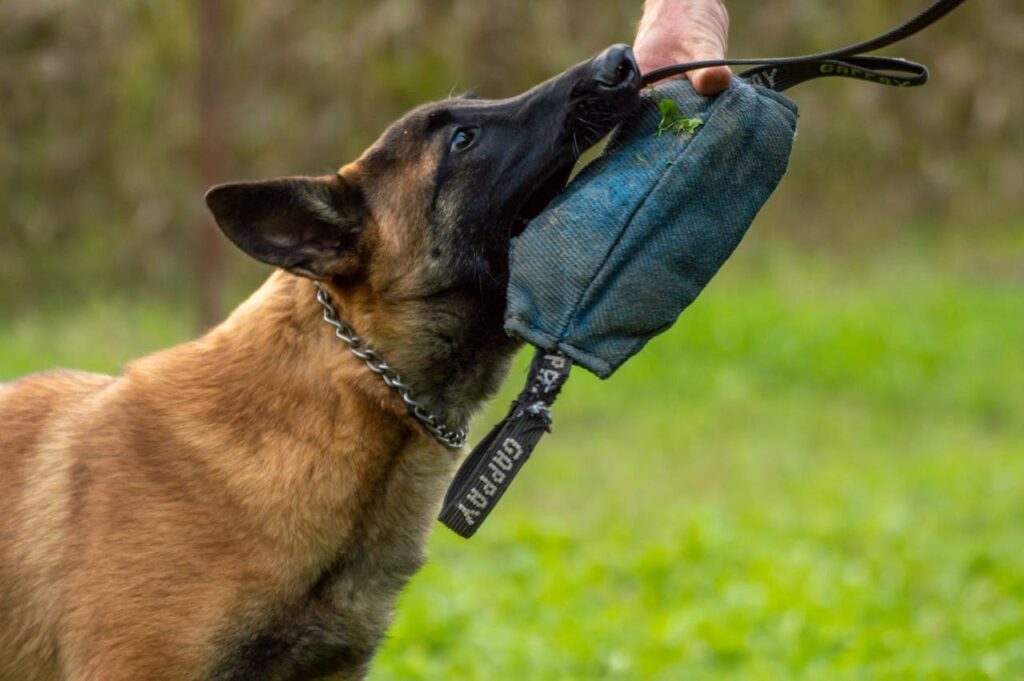
Working with dog reactivity is a marathon, not a sprint. If you feel you can't cope on your own, there's no progress, or your dog's behavior escalates to genuine aggression (attempts to bite, lunging with intent to attack) – don't hesitate to seek help from a certified dog trainer or veterinary behaviorist who works with positive reinforcement methods.
Conclusion: Patience and Understanding Are Key to Success
Remember, your dog isn't barking because they want to annoy you. They do it because they can't cope with their emotions in any other way. Your job as a loving owner is to become a reliable support and a calm leader for them, showing them that the world around them isn't so scary.
- Understand the cause of your pet's reactivity.
- Manage the environment to avoid triggers in the early stages.
- Work on changing emotions using counter-conditioning methods.
- Be consistent and patient. Progress won't be linear – there will be good days and bad days.
- Never punish your dog for showing reactivity.
Every calm walk, every situation where your dog chooses to look at you instead of barking, is a huge victory. Appreciate these moments, and they will happen more and more often, transforming your shared outings into true enjoyment.