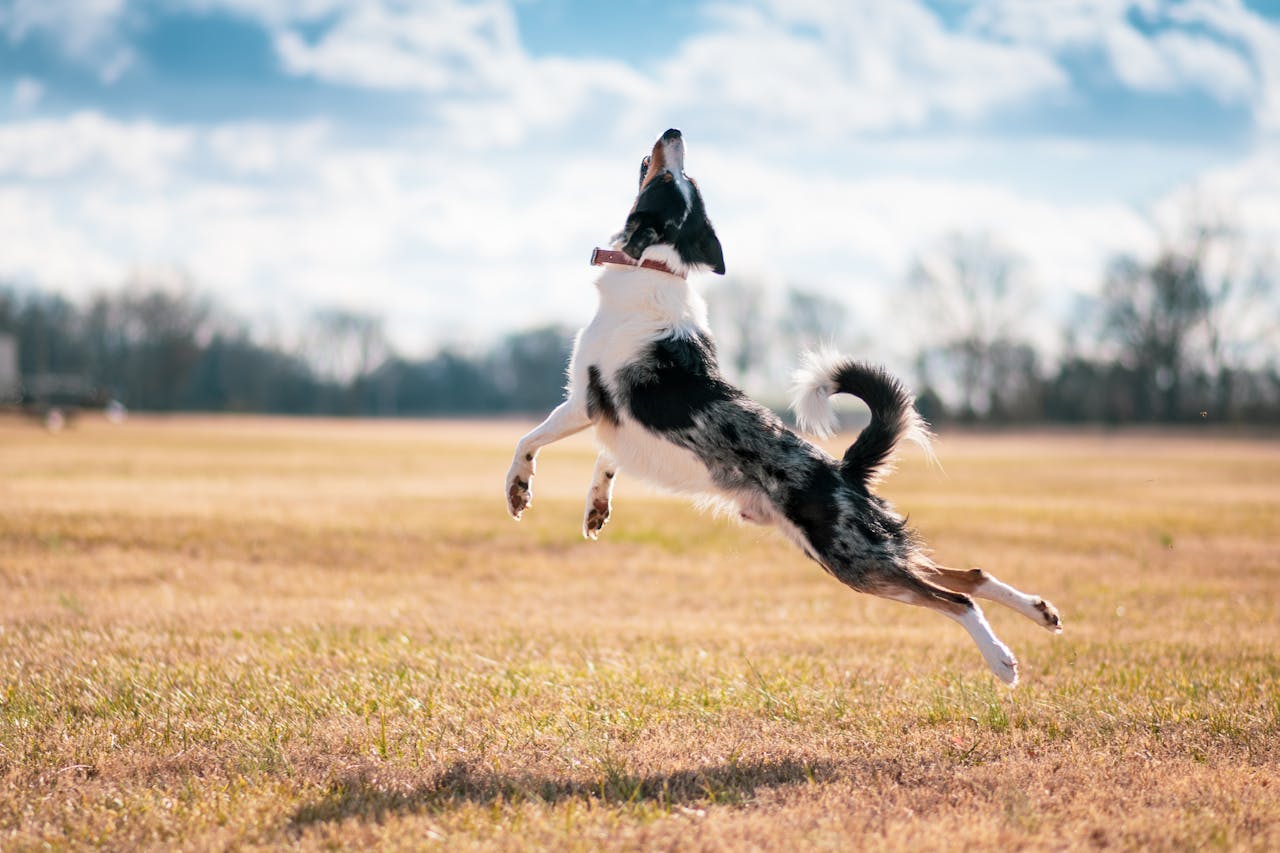
Has your dog brought you the ball again, staring up at you with those pleading eyes, even though you just got back from an hour-long walk? Is he tearing through everything in his path, unable to find an outlet for his endless energy? If this sounds like your four-legged friend, a simple park stroll is just a warm-up for him. Energetic and smart dogs need real challenges that engage not only their muscles but their minds too. And that’s where the thrilling world of canine sports comes in.
Forget the monotonous game of fetch. Today, we're diving into the dynamic universe of dog frisbee and flyball—two sports that are quickly gaining popularity. This isn't just for fun; it's a complete training system that can dramatically change your pet's life and your own. To find out how to get started, what gear you need, and which sport is the best fit for your duo, read on at Tvaryny.
Why You Should Try Dog Sports Instead of Just Walks
Many owners believe a long walk is all a dog needs. That's only partly true. For many breeds, especially herding, hunting, and terrier types, physical exercise without mental stimulation is like knowing the alphabet but not being able to read. Dog sports offer a comprehensive approach.
- Physical Health. Regular training helps maintain an ideal weight, strengthens the cardiovascular system, builds muscle, and improves coordination.
- Mental Stimulation. Your dog has to think: calculating a disc's flight path, remembering a sequence of actions, and learning to work as a team. This prevents boredom and destructive behavior.
- Deepening Your Bond. Shared training sessions, wins, and even failures create a unique bond between you and your dog. You learn to understand each other without words, build trust, and work as a unified team.
- Socialization and Discipline. Group activities teach your dog to behave properly around other animals and people, and the training process itself improves their obedience in everyday life.
Dog Frisbee: The Elegance of Flight and Acrobatics
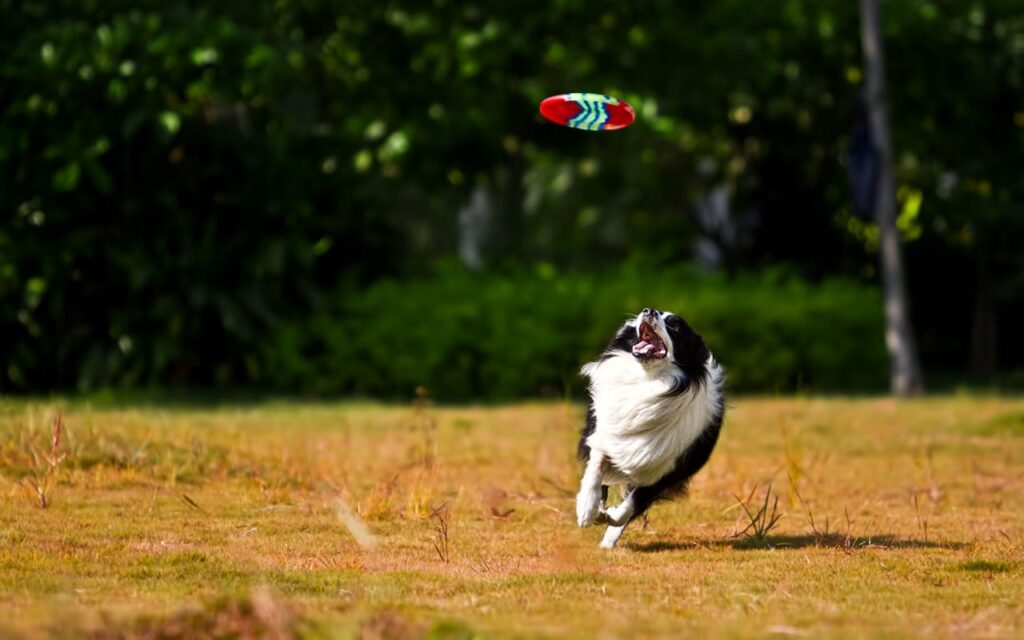
Dog frisbee, or freestyle frisbee, is so much more than just tossing a plastic disc. It's a spectacular sport where the dog and handler perform a variety of tricks to music. The main goal is for the dog to catch the disc in mid-air, showing off their agility, speed, and incredible jumps.
Which Dogs Are Suited for Dog Frisbee?
This sport is perfect for dogs with a strong motivation to play, a natural love for jumping, and good focus. Breeds that excel include Border Collies, Australian Shepherds (Aussies), Belgian Shepherds, and their mixes. Ultimately, the most important things are temperament and physical fitness. It's crucial that the dog is healthy, with no joint or spine problems, as the sport involves significant strain.
What You Need to Get Started
- Special dog frisbee discs (2–3 of them). Important! Don't use regular human-grade plastic discs. They're too hard and can injure your dog's gums and teeth, and they crack quickly, creating sharp edges. Professional discs are made from a soft yet durable plastic and typically cost between $15 and $30 each in the U.S.
- Treats and toys for motivation. These will help keep your dog interested in the initial stages.
- An open space with a soft surface. A grassy area in a park or on a field is ideal. Avoid asphalt and concrete.
How to Start Training: A Step-by-Step Guide
Patience is your main tool. Don't force your dog to jump right away, as this can scare them and lead to injuries. Start with the basics.
- Get to Know the Disc. Make the disc the most desired object in the world. Use it as a food bowl, play gentle tug-of-war with it, or simply carry it on walks. Your dog needs to understand that the disc is a source of positive feelings.
- Rollers. Teach your dog to catch the disc as it rolls along the ground. Stand the disc on its edge and give it a light push away from you. When your dog catches it, praise them enthusiastically. This is the safest way to teach them to grab the object properly.
- Short Throws. Once rollers are mastered, move on to low and short throws from 3–6 feet away. Throw the disc so it flies smoothly at your dog's mouth level. Your goal is to teach them to catch the disc from the air, not pick it up off the ground.
- Increase the Distance. Gradually increase the distance of your throws, working on your technique. It's important to learn how to throw the disc consistently so your dog can predict its flight path.
- Teaching Jumps. Only after your dog is confidently catching discs at various distances can you cautiously introduce jumping elements. Start with slightly higher throws, encouraging your dog to jump up.
Flyball: Speed, Thrills, and Team Spirit
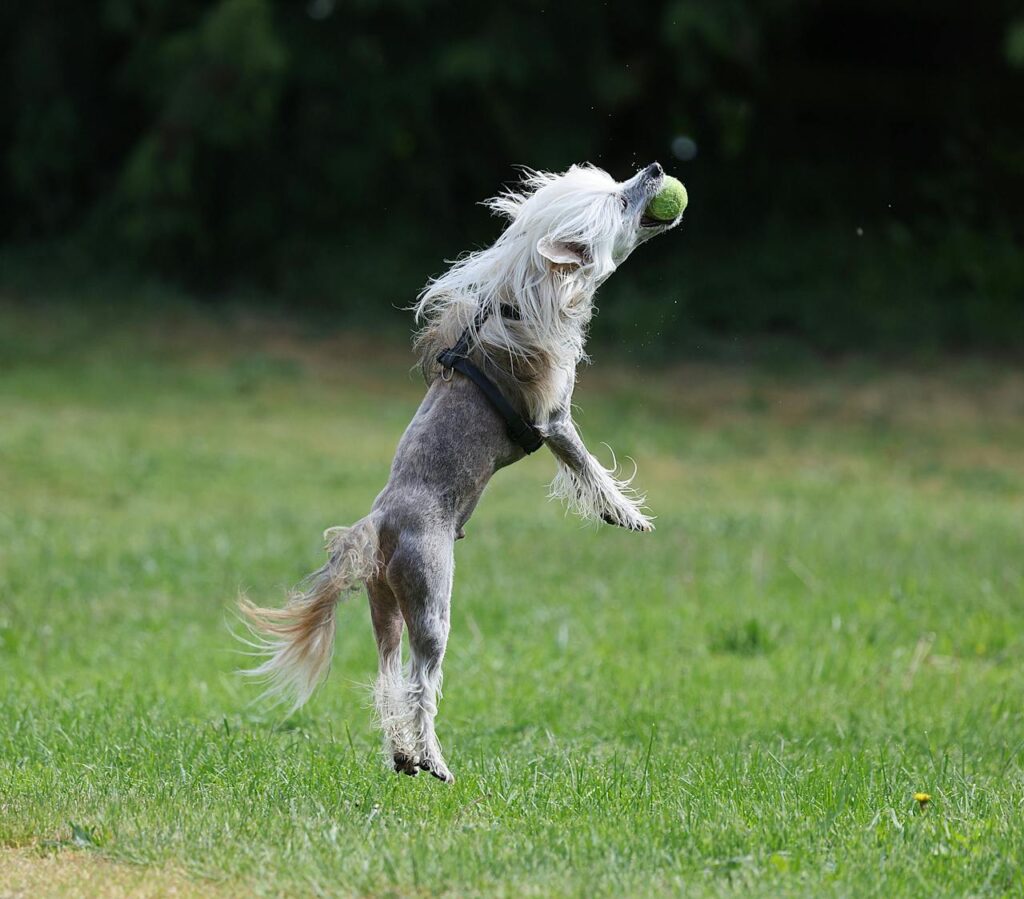
Flyball is a team relay race for dogs. A team consists of four dogs who, one by one, race down a lane with four hurdles, hit a special device (a flybox) that shoots out a ball, catch it, and race back over the same hurdles. The team that finishes the relay first without any faults wins.
Which Dogs Are Suited for Flyball?
Flyball for dogs is a sport for true high-energy dogs and retrievers. If your dog is obsessed with balls and will run anywhere to get one, he's the ideal candidate. Here, grace isn't as important as it is in frisbee; what matters is speed, drive, and a love for the ball. Terriers (Jack Russell, Parson Russell), Border Collies, Shelties, and small, agile mixes all do great. An important condition is that the dog must not be aggressive towards other animals, since it's a team sport.
What You Need to Get Started
Unlike frisbee, flyball requires specific equipment, which is why it's usually played at dog clubs. However, you can work on the basic skills on your own.
- Tennis balls. These are the main motivator and item of play.
- Low hurdles. You can make your own from PVC pipes or use children's sports cones. The height of the hurdles in flyball depends on the dog's height at the withers, so there's no need to set up tall obstacles right away.
- A flybox (for club sessions). This is a mechanical device that releases a ball when the dog presses on it with his paws.
How to Start Training: Basic Exercises
- Perfect Retrieving. The dog should not just bring the ball back, but do it quickly, directly to your hand, and be ready to run for the next one immediately. Practice this skill until it's automatic.
- Hurdle Training. Set up one low hurdle and throw the ball over it, encouraging your dog to jump. Gradually add more hurdles (up to four), placing them in a straight line.
- The 'Swimmer's Turn'. This is a key element in flyball. The dog must learn to push off the flybox (at first, this can be a board or a wall) and turn 180 degrees without losing speed. This exercise is best done under the supervision of a trainer to prevent injuries.
- Teamwork. The most difficult part is teaching your dog to run their lane without getting distracted by other team members running alongside or towards them. This is only practiced in group sessions.
Dog Frisbee vs. Flyball: Which to Choose?
Both sports are incredibly rewarding and exciting, but they suit different temperaments (of both dogs and owners). To help you decide, we've prepared a comparison table.
Dog Frisbee vs. Flyball: Which to Choose? · 6
| Criteria | Dog Frisbee | Flyball |
|---|---|---|
| Type of Activity | Individual work, a "dance" between the human-dog pair. | Team relay race, high-speed dash. |
| Key Dog Skills | Jumping ability, focus, catching on the fly, good eyesight. | High speed, love of the ball, ability to work in a noisy environment. |
| Requirements for the Owner | Ability to throw the disc accurately and consistently, creativity. | Quick reaction, ability to work in a team with other people. |
| Equipment to Start | Minimal (a few special discs). | Specialized (hurdles, flybox), requires training at a club. |
| Ideal for... | Thoughtful and artistic duos who love inventing tricks. | High-energy, high-drive dogs and their owners. |
| Example Breeds | Border Collie, Australian Shepherd, Belgian Shepherds. | Jack Russell Terrier, Border Collie, Sheltie, mixes. |
Safety First: How to Avoid Injuries
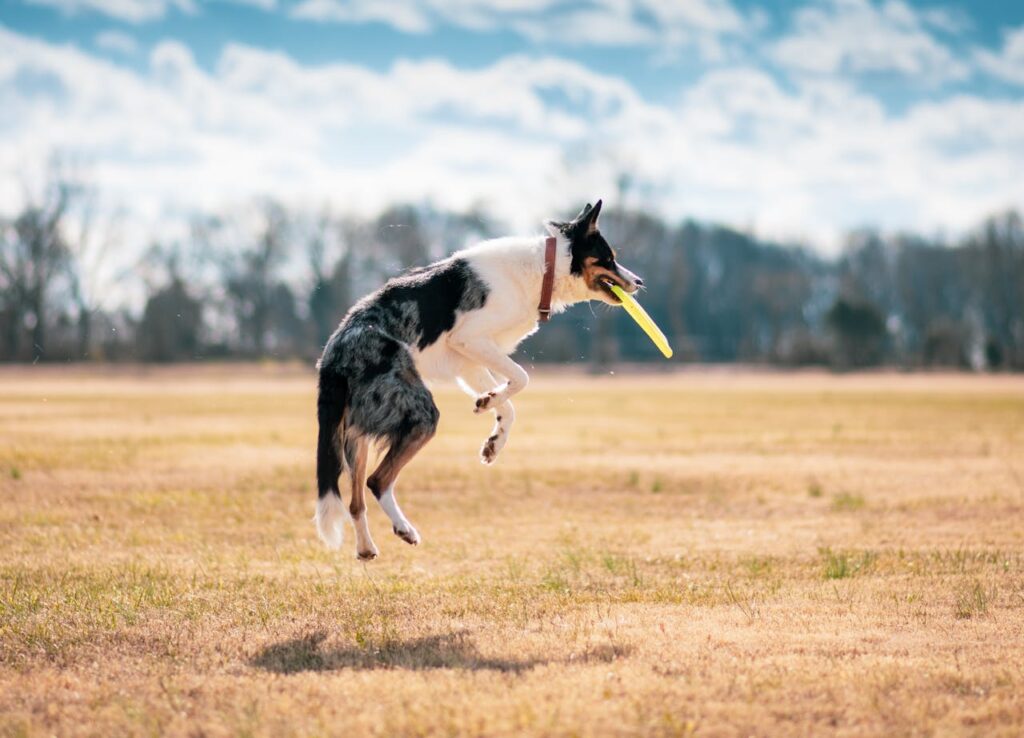
Any active sport comes with potential risks. To minimize them, always follow these rules:
- Always warm up. Before training, let your dog trot gently for 5–10 minutes and do a few simple stretching exercises.
- Don't train puppies. Until their bone growth is fully complete (around 12–18 months, depending on the breed), jumps and sharp turns are forbidden. With puppies, you can only teach basic elements, like rollers in frisbee.
- Watch the surface. Avoid slippery, wet grass, asphalt, and ice. The ideal surface is a dry, even lawn.
- Don't overwork your dog. A training session should be short (15–20 minutes for beginners) and always end on a positive note, when the dog still wants to keep going.
- Monitor their health. Visit the vet regularly. If your dog starts limping, avoids jumps, or shows other signs of discomfort, stop training immediately and consult a vet.
Conclusion: A New World of Opportunity for You and Your Dog
Dog frisbee and flyball aren't just ways to "tire out" your dog. They are a path to harmony, mutual understanding, and incredible shared moments. By choosing a sport that fits your pet's temperament, you'll discover new talents in them, and in yourself, the passion of a coach and the joy of shared achievements. Don't be afraid to try! Start small, praise every little victory, and very soon you'll see your energetic mischief-maker transform into a focused and happy athlete. It's an investment of time and patience that will pay off a hundredfold in the form of health, obedience, and the boundless loyalty of your four-legged partner.