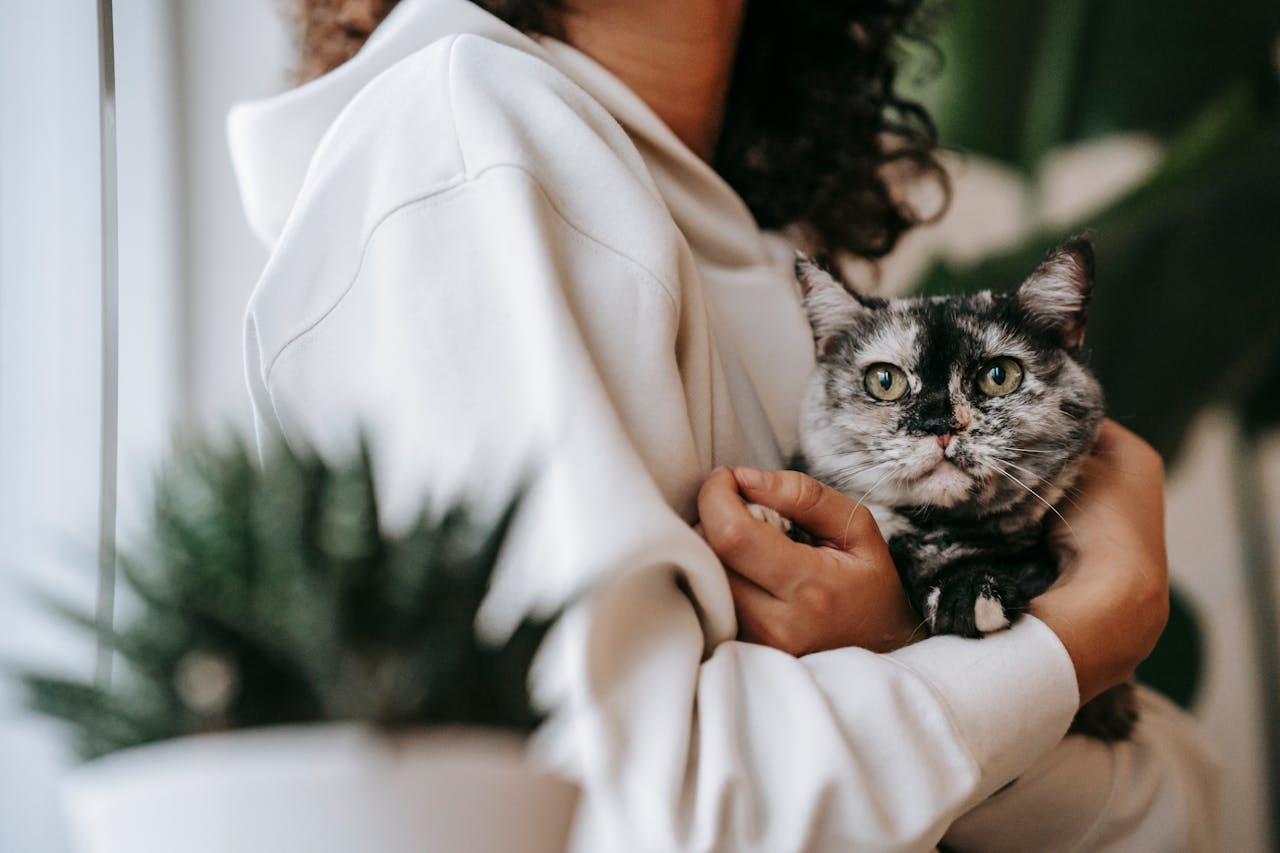
Stress, anxiety, a hectic workday - in today's world, mental health demands just as much attention as physical health. We often have a gut feeling that animals make us happier. But have you ever considered that interacting with a cat is a recognized form of therapy? This phenomenon is called feline therapy, or cat-assisted therapy. It's not just a pleasant way to spend time, but a method with a scientific foundation that genuinely improves well-being. We’ll discuss exactly how these furry friends heal our bodies and minds in more detail on Tvaryny.
A cat's presence in the home creates a special atmosphere of comfort. Their independence, combined with an astounding ability to appear exactly when we need support, makes them unique therapists. Feline therapy uses this unique interaction to improve a person's emotional, and sometimes even physical, condition.
What Is Feline Therapy and How Does It Work?

Feline therapy is one type of pet therapy (animal-assisted therapy) where the cat serves as the "therapist". Unlike dogs, who often undergo special training, cats "work" simply through their presence and natural behavior.
The method is based on several factors:
- Tactile Contact: Petting a cat's soft fur is a meditative process. The rhythmic movements of your hand reduce muscle tension and calm the nervous system.
- Emotional Connection: A cat gives us a sense of being needed and unconditional acceptance. It doesn't judge or criticize; it's simply there.
- Auditory Impact: The legendary cat purr. This is perhaps the most powerful tool in feline therapy, and it deserves a closer look.
The Magic of Purring: The Science Behind Its Health Benefits
A purr isn't just a sound. It's a vibration with unique characteristics. Scientists have shown that cats purr in a frequency range of 20 to 140 Hz. These very frequencies are used in physical therapy for treatment and recovery.
Healing Vibrations
Research shows that the benefits of cat purrs are very real:
- Healing Bones and Tissues: Frequencies in the 25–50 Hz and 100–140 Hz ranges promote improved bone density and accelerate the regeneration of muscles and tendons. It's no wonder they say "cats have nine lives" - purring literally helps them recover faster from injuries.
- Pain Reduction: The vibrations from purring act as a natural analgesic, lowering pain sensations.
- Easing Inflammation: Low-frequency vibrations also help reduce swelling and inflammatory processes in the joints.
Psychological Effect of the Sound
Beyond the physical impact, the sound of a purr has a powerful psychological effect. It acts like "white noise", masking other iritating sounds and creating a feeling of safety and calm. When we hear a purr, our brain receives a signal: "Everything is okay, you're safe." This helps lower cortisol levels (the stress hormone).
However, it’s worth remembering that cats don’t just purr out of contentment. Sometimes it can be a sign of stress or pain - the animal's way of "self-soothing". It's important to understand the context, as why cats purr is a complex issue that goes beyond simple pleasure.
How Do Cats Impact Human Mental Health?
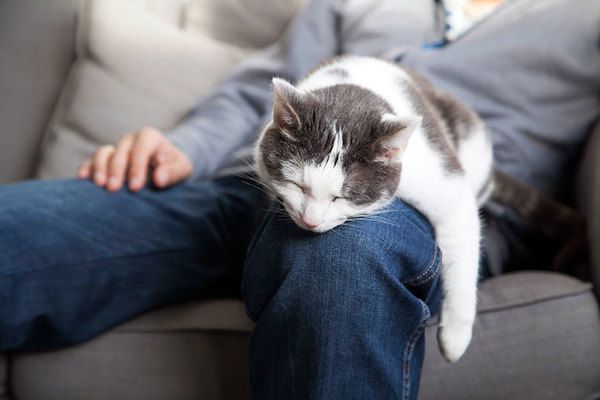
The impact of cats on the psyche is hard to overstate. These aren't just subjective feelings - there are real biochemical processes in our brain behind it.
Reducing Stress and Anxiety
The simple act of petting a cat triggers a cascade of positive reactions. In humans:
- Cortisol levels decrease.
- Oxytocin levels increase (the "love hormone" or "cuddle hormone"), which is responsible for feelings of trust and connection.
- Heart rate and blood pressure normalize.
Even 10–15 minutes of this interaction can significantly improve mood and relieve an acute phase of stress. The rhythmic motions of petting have a meditation-like effect.
Fighting Depression and Loneliness
For people suffering from depression or feeling lonely, a cat can be a true lifesaver. The animal provides constant, quiet companionship. It doesn't demand complex social interactions but offers a powerful sense of connection.
The responsibility for a living creature - the need to feed, clean the litter box, and play - structures the day and provides a sense of purpose. This is especially important on those days when it's hard to find the motivation to even get out of bed. A cat offers unconditional love and acceptance, which is critically important for people in a vulnerable emotional state.
Improving Sleep
Many cat owners note they sleep better when their pet is nearby. The warmth of the cat's body and its rhythmic purring create the ideal conditions for falling asleep. It's a natural "sleeping aid" with no side effects. The sound of the purr helps the brain shift into a relaxation phase, much like we can learn from what our pets' sleeping positions mean.
Physical Benefits of Cat Therapy
The effect of feline therapy isn't limited to the psyche. Research confirms the positive impact of cats on their owners' physical health.
Heart and Cardiovascular Health
One of the most well-known studies, conducted by the University of Minnesota, found that cat owners have a 30–40% lower risk of death from cardiovascular diseases, including heart attack and stroke. This is attributed to the general reduction in stress levels, normalized blood pressure, and a steadier heart rate that interacting with a cat provides.
Boosting the Immune System
Surprisingly, contact with cats (and their allergens in moderation) at an early age can "train" a child's immune system. Studies show that children who grow up with cats have a lower risk of developing allergies (not just to animals, but also to pollen and dust) and asthma.
How to "Practice" Feline Therapy
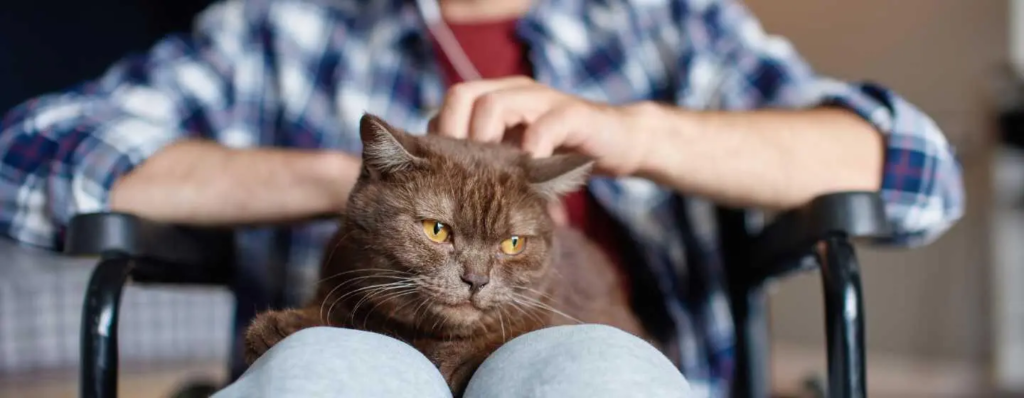
Feline therapy isn't a procedure that gets "prescribed". It's a process of building a relationship and interacting correctly with the animal.
If You Have a Cat
The key to successful therapy is respecting the animal. Don't force a cat to sit on your lap if it doesn't want to. The best effect is achieved when the cat comes to you for affection on its own terms.
- Create rituals: Daily play sessions, evening petting before bed, relaxing together on the couch.
- Observe: Learn to understand your cat's body language. When is it relaxed and ready for contact?
- Be present: When you're petting the cat, don't get distracted by your phone. Focus on the sensations: the softness of the fur, the warmth of its body, the vibration of the purr.
If You Don't Have a Cat
You don't have to own a cat to experience the benefits of feline therapy. There are other ways:
- Visit a "cat cafe": These are special establishments where you can grab a coffee in the company of cats.
- Volunteer at a shelter: This will help not only you (you'll get your dose of animal interaction) but also the cats waiting for their forever homes.
- Spend time with friends' cats: If your friends have an affectionate cat, ask for permission to spend time with it.
- "Digital" feline therapy: Even watching cute cat videos on the internet, as studies show, can boost your mood and reduce stress levels.
When Cat Therapy Might Not Work
It's important to be realistic. Feline therapy is not a panacea, and it isn't suitable for everyone.
First, allergies. If you're allergic to cat dander or saliva, trying to "treat" yourself with a cat will only make your condition worse. Second, fear or dislike. If a person is afraid of cats (ailurophobia) or simply doesn't like them, forced contact will have the opposite effect - it will only intensify the stress.
It's also important to understand that cats are living beings with their own character. Some cats are not cuddly, are skittish, or may even show agression. Owners can face various behavioral problems, such as the rare but serious phenomenon of sudden aggression syndrome in cats. In such cases, what's needed isn't feline therapy, but a consultation with a vet and an animal behaviorist.
Conclusion
Feline therapy is a wonderful example of how deeply humans and nature are connected. A cat in the home isn't just a furry companion, but a real therapist that helps us combat stress, reduces anxiety, improves sleep, and even boosts physical health.
The scientific basis for this phenomenon, especially the healing vibrations of purring, only confirms what cat owners have intuitively known all along: the bond with these animals makes us healthier and happier. The main thing is to build these relationships on mutual respect and love.