


Have you ever looked at your beloved pet, especially if they came from the street or a shelter, and wondered, “Who were your ancestors?” Maybe you see the traits of a sheepdog in their loyal gaze, or a touch of a terrier in their stubbornness during walks. But curiosity about their origins is just the tip of the iceberg. Modern science offers a way to look much deeper—at the DNA level—to get not just answers, but a powerful tool for caring for your four-legged friend’s health and happiness. You can learn more about this on Tvaryny.
Canine genetic testing is no longer a futuristic technology from a sci-fi movie. It’s an accessible way to learn everything about your dog: from the mix of breeds in their genome to their predisposition to hundreds of hereditary diseases. This article will be your detailed guide to the world of dog genetics. We’ll break down how DNA tests work, what valuable information they provide, how to choose the right test, and, most importantly, how to use this knowledge to benefit your pet.
What is a Dog DNA Test and How Does It Work?

Imagine DNA as a unique instruction manual for every living organism. This manual contains everything: eye color, coat length, personality traits, and, unfortunately, a predisposition to certain illnesses. Genetic testing for dogs is the process of “reading” this manual.
It all starts with a simple and painless procedure: collecting a saliva sample using a special swab from the inside of your dog’s cheek. This sample is sent to a lab, where specialists extract the DNA and analyze it using thousands of genetic markers. The data is then compared to a huge database of DNA from various dog breeds. As a result, you get a detailed report that can be divided into two main parts: breed analysis and health screening.
Secrets of Origin—What Does a Dog Breed Test Tell You?
For the owner of a mixed-breed dog, dog breed identification is an exciting opportunity to solve a mystery. But the value of this information goes far beyond simple curiosity. Knowing the breeds in your pet’s genome helps you better understand their needs and behavior.
- Behavioral Traits. If your seemingly calm dog turns out to be 25% Border Collie, their need for constant intellectual stimulation and games will make a lot more sense. And the presence of Beagle genes will explain their desire to follow a scent, ignoring your commands.
- Energy Levels and Exercise Needs. A mix of hunting or herding breeds will require significantly more physical activity than a dog with genes from toy breeds. This allows you to adjust the length and intensity of walks to keep your pet happy and prevent them from destroying the house out of boredom.
- Potential Size and Weight. If you adopted a mixed-breed puppy, a DNA test can predict its adult size. This is important for planning space in your home, budgeting for food, and choosing the right gear.
- Training Specifics. Knowing that your dog has genes from a Siberian Husky, for example, will prepare you for their independent nature and tendency to escape. And Labrador Retriever genes will indicate their people-pleasing nature and how easy they are to train with rewards.
Ultimately, the breed report is not just a list of names; it’s a key to a harmonious relationship with your pet, built on understanding their innate instincts and needs.
Looking to the Future—How a DNA Test Cares for Your Dog’s Health
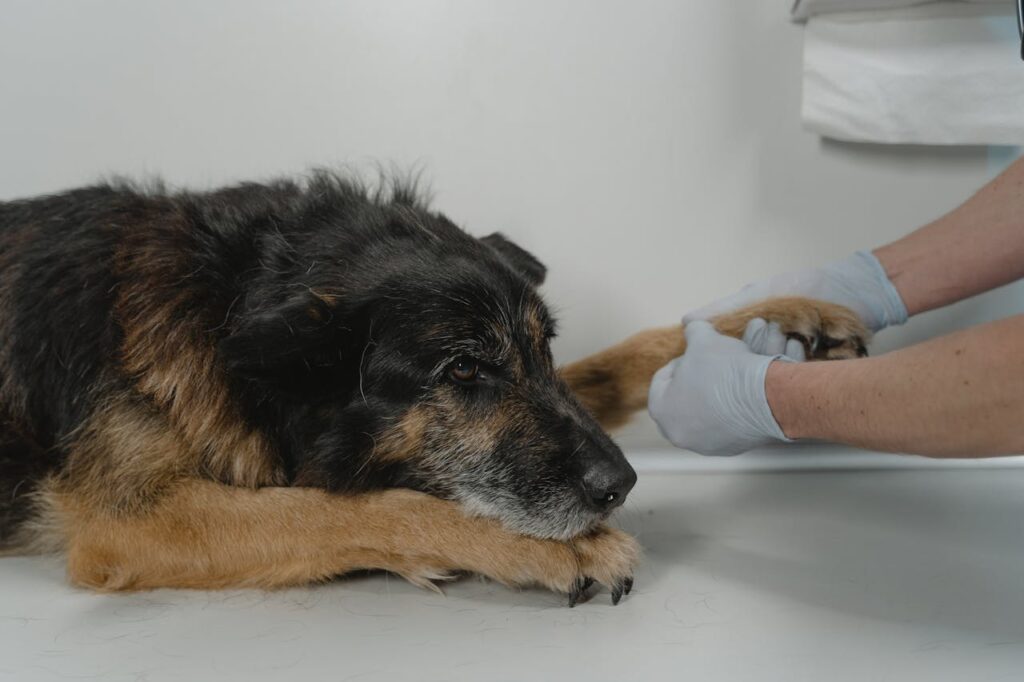
This is the most important part offered by canine genetic testing. Many breeds have accumulated a predisposition to certain hereditary diseases over generations. Early detection of these risks allows you to transition from reactive treatment to proactive care.
Modern tests can screen a dog for over 200 genetic diseases in dogs and mutations. It’s important to understand that the test doesn’t show the presence of a disease, but rather the genetic predisposition to it. In the report, you may see the following statuses:
- Clear: The dog does not have a copy of the mutation associated with the disease. They will not develop the illness and won’t pass it on to their offspring.
- Carrier: The dog has one copy of the mutation. They usually won’t get sick themselves, but can pass this mutation on to their puppies. This is critically important information for breeders.
- At Risk / Affected: The dog has two copies of the mutation. This significantly increases the risk of developing the disease during their lifetime.
Information about your dog’s health from their DNA gives you and your vet a unique advantage: time. You can develop a personalized prevention plan, which may include a change in diet, special supplements, and regular check-ups and screenings.
Examples of Common Genetic Diseases Identified by Tests
| Disease | Description | Breeds at Risk |
|---|---|---|
| MDR1 Gene Mutation | Increased sensitivity to certain medications (including some anti-parasitic drugs). | Collie, Sheltie, Australian Shepherd, Bobtail |
| Degenerative Myelopathy (DM) | A progressive spinal cord disease that leads to paralysis of the hind limbs. | German Shepherd, Welsh Corgi, Boxer, Rhodesian Ridgeback |
| Progressive Retinal Atrophy (PRA) | A group of diseases that cause a gradual degeneration of retinal cells, leading to blindness. | Labrador Retriever, Poodle, Cocker Spaniel, Dachshund |
| Hip Dysplasia | While many factors influence its development, a genetic predisposition is key. | German Shepherd, Golden Retriever, Rottweiler, Labrador |
| Hyperuricosuria (HUU) | Elevated uric acid levels, leading to the formation of bladder stones. | Dalmatian, English Bulldog, Black Russian Terrier |
Step-by-Step Guide: How to Get a Genetic Test
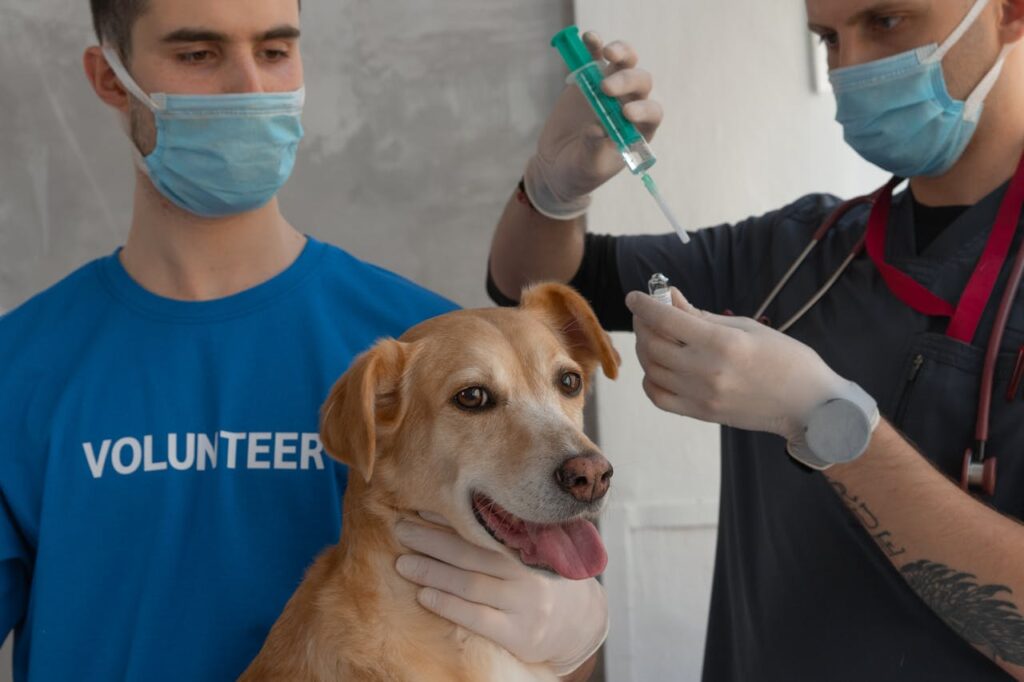
The process is extremely simple and designed so that any owner can manage it at home.
- Step 1: Choose and Order a Test. Research the market. There are various companies (such as Embark, Wisdom Panel, and others) that offer dog DNA tests. Compare them based on the size of their breed database, the number of health genetic markers, reviews, and price. In the U.S., prices typically range from $80 to $200, depending on the scope of the test. Choose the one that best suits your needs and order the kit online.
- Step 2: Register the Kit and Collect the Sample. Once the kit arrives, activate it on the manufacturer’s website using the unique code. Before collecting the sample, make sure your dog hasn’t eaten, drunk, or played with other animals for at least an hour. Gently but thoroughly rub the swab from the kit on the inside of your dog’s cheek for 30–60 seconds.
- Step 3: Send to the Lab. Place the swab in the special container, pack everything according to the instructions, and send the kit back to the lab. Most companies provide a prepaid return label.
- Step 4: Wait for the Results. The analysis usually takes 2 to 4 weeks. You’ll receive an email notification when your report is ready. The results are presented in an interactive online profile with detailed explanations, charts, and recommendations.
What to Do with the Results? A Checklist for the Responsible Owner
Receiving the report is just the beginning. The main thing is to use this information correctly. If your pet has a genetic predisposition to a disease, don’t panic. Here is a plan of action:
- ✅ Book an appointment with your vet. This is the first and most crucial step. Show the report to the doctor. They will help you interpret the results in the context of your dog’s overall health, age, and lifestyle.
- ✅ Develop a monitoring plan. Work with your vet to determine which examinations (blood tests, ultrasounds, X-rays) and how often they should be performed to “catch” the disease in its early stages if it begins to develop.
- ✅ Adjust their diet and lifestyle. For some diseases (for example, a predisposition to joint problems or bladder stones), prevention can involve a specialized diet, weight management, and moderate physical activity.
- ✅ Be attentive to symptoms. Knowing the potential risks, you will be on the lookout for early signs of a disease that you might have previously ignored (e.g., a slight limp, increased thirst, or behavioral changes).
- ✅ Share the information. If your dog is a purebred and has papers, inform your breeder about the results (especially if they are a “carrier”). This helps with responsible breeding and improving the health of the breed as a whole.
Limitations and Myths: What to Remember
Genetic testing is a powerful tool, but it’s not a crystal ball. It’s important to realistically assess its capabilities.
- Genetics is not a death sentence. An “at risk” status doesn’t mean your dog will definitely get sick. The development of many diseases is influenced by environmental factors, diet, and care.
- Not all diseases have a genetic basis. The test will not show the risk of infectious diseases, injuries, or spontaneously occurring cancers.
- Accuracy of breed determination. Accuracy is high with leading companies, but the results can be influenced by the dog’s origin. If your pet’s ancestors come from regions where breeds are poorly represented in the database, the report may show “unidentified” percentages.
Conclusion: An Investment in Your Friend’s Future
Canine genetic testing is more than just satisfying curiosity. It’s an act of deep care and responsibility. It’s an investment that pays off in years of a healthy and happy life for your pet. Knowing their unique genetic traits allows you to become not just an owner, but a truly informed guardian capable of making the best decisions for their well-being.
Ultimately, decoding their DNA strengthens the bond between you and your dog. By understanding why they behave the way they do and what health challenges they might face in the future, you begin to love them even more deeply—not in spite of, but because of their uniqueness, written into every cell of their body.
Frequently Asked Questions (FAQs)
Is the DNA test sample collection painful for a dog?
Absolutely not. The procedure is painless and non-invasive. It’s just a gentle rub with a soft swab on the inside of the cheek. Most dogs don’t even notice it or see it as a game.
At what age can a dog have a DNA test?
The test can be done at any age, even on a small puppy, as DNA doesn’t change throughout their life. The only condition is that the puppy must be weaned from its mother to prevent her milk, which also contains DNA, from contaminating the sample.
How accurate are the test results?
Accuracy depends on the company, its database, and its technology. Leading labs report an accuracy of over 95–99% for detecting genetic diseases. The accuracy of breed identification is also very high, especially if the dog doesn’t have a very complex lineage.
Is there any point in testing a purebred dog?
Yes, and it is very important. First, you can verify the “purity” of the breed. Second, and most importantly, you will get a complete picture of the hereditary diseases common in your specific breed. This is invaluable information for maintaining health and for responsible breeding.