

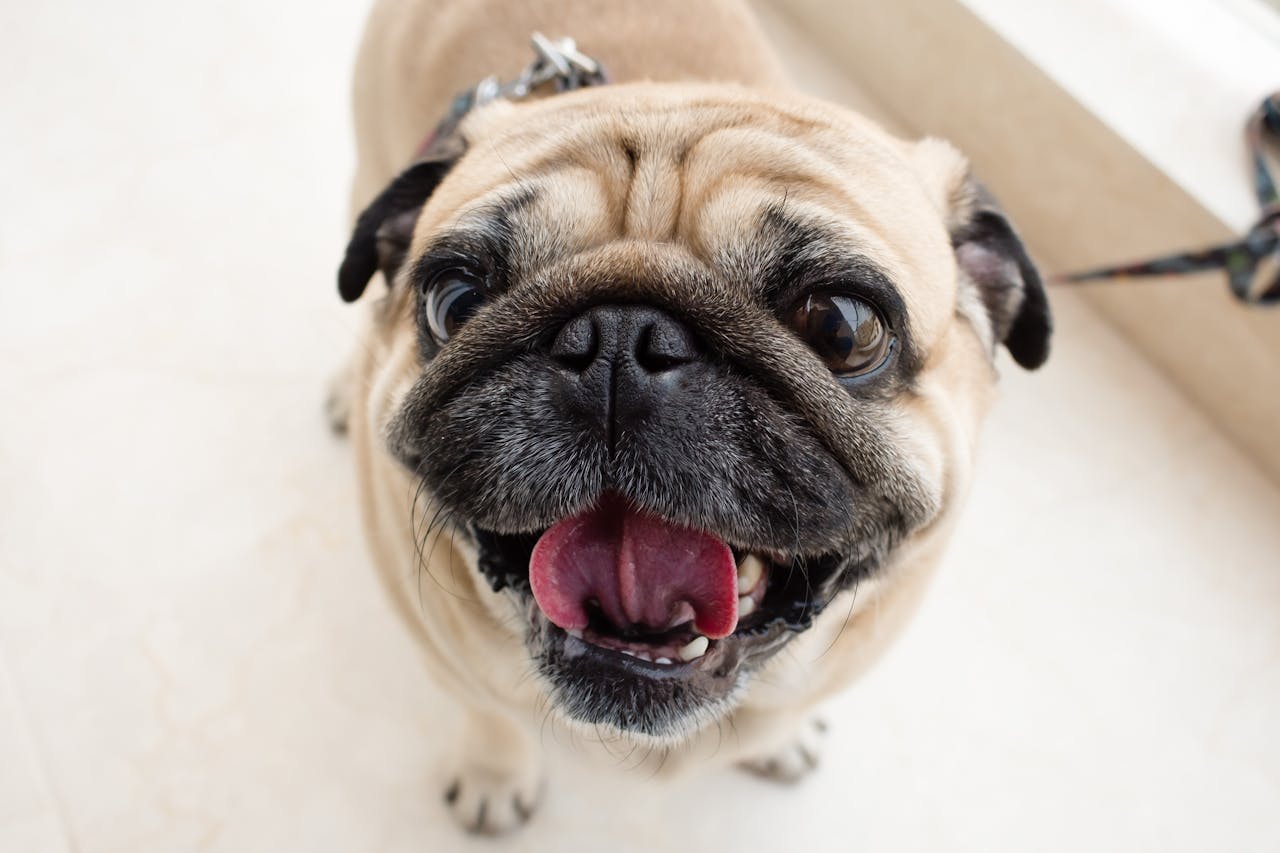
The dream of the perfect four-legged friend often starts with an image: a playful Golden Retriever, a loyal German Shepherd, or a charming Pug with expressive eyes. We choose a breed based on character, looks, and reputation, rarely thinking about what lies hidden deep within its DNA. Every purebred dog isn’t just a set of desirable traits but also, unfortunately, a potential “Trojan horse” of hereditary diseases. This “price” for pure blood can prove overwhelming, both emotionally and financially. Understanding genetic risks isn’t about panicking; it’s the first step toward conscious and responsible ownership; read more on Tvaryny.
This article is your detailed guide to the world of pet genetics. We’ll explore why purebred animals are in the at-risk group, which diseases are the “calling card” of certain breeds, and most importantly-how to prepare financially and morally for the challenges ahead. After all, love for an animal isn’t measured by its pedigree, but by our readiness to provide it with a healthy and happy life, regardless of the genetic lottery.
What Are Hereditary Breed Diseases?

First, it’s important to distinguish the concepts. Hereditary (or genetic) diseases are conditions caused by abnormalities in an animal’s genetic code, passed down from parents to offspring. They shouldn’t be confused with congenital defects (which can result from problems during pregnancy but aren’t necessarily genetic) or acquired illnesses (injuries, infections).
Hereditary breed diseases are a specific group of genetic ailments that have accumulated and become fixed in a breed’s population through the process of selection. The very things we value in breeds – unique looks, working abilities, predictable temperaments – are the result of careful, and sometimes rigid, breeding. But this selection has a downside.
Why Are Purebred Animals Specifically at Risk?
The answer lies in the fundamentals of genetics and the history of breed creation. Most modern dog and cat breeds were “engineered” by humans in a relatively short period, often from a limited gene pool.
- Founder Effect: Many breeds descend from a small group of “founders.” If even one of these founding animals carried a hidden defective gene, that gene could spread rapidly among its many descendants, becoming a “norm” for the breed.
- Inbreeding (Close Mating): To fix desirable traits (like a specific head shape, coat color, or size), breeders often resorted to inbreeding – mating close relatives (parents with offspring, siblings with siblings). This is the fastest way to get uniform litters, but it also exponentially increases the chances that two copies of a recessive “sick” gene will meet in one offspring.
- Selection for Aesthetics: The pursuit of “extreme” looks often harms health. The desire for the shortest possible muzzle in Pugs or French Bulldogs led to Brachycephalic Obstructive Airway Syndrome (BOAS). The drive for a “perfect” sloping back in German Shepherds contributed to the spread of hip dysplasia.
As a result, we have a paradox: the “purer” the blood and the longer the pedigree, the higher the likelihood that genetic “time bombs” have accumulated within it.
Common Hereditary Diseases: Who is at Risk?
Virtually every breed has its “list” of genetic predispositions. It’s important to understand that this isn’t a sentence, just an elevated risk. However, when choosing a breed, you must be aware of these risks.
| Breed | Most Common Hereditary Risks |
|---|---|
| German Shepherd | Hip (HD) and elbow (ED) dysplasia, degenerative myelopathy (paralysis of hind limbs). |
| Golden Retriever / Labrador | Hip and elbow dysplasia, progressive retinal atrophy (PRA – blindness), tendency for oncology (especially hemangiosarcoma in Goldens). |
| Dachshund | Intervertebral Disc Disease (IVDD) – “Dachshund disease,” leading to pain and paralysis. |
| Pug / French Bulldog / Pekingese (Brachycephalics) | Brachycephalic Obstructive Airway Syndrome (BOAS – breathing problems, snoring, heat intolerance), eye problems, skin allergies. |
| Cavalier King Charles Spaniel | Mitral valve disease (heart condition developing at an early age), syringomyelia (neurological condition). |
| Doberman | Dilated Cardiomyopathy (DCM – serious heart condition), von Willebrand disease (blood clotting disorder). |
| Maine Coon (Cat) | Hypertrophic Cardiomyopathy (HCM – heart disease), spinal muscular atrophy. |
| Persian / Exotic (Cat) | Polycystic Kidney Disease (PKD) – a progressive disease leading to kidney failure. |
The Financial Side: The Real Cost of “Expensive Vet Treatment”
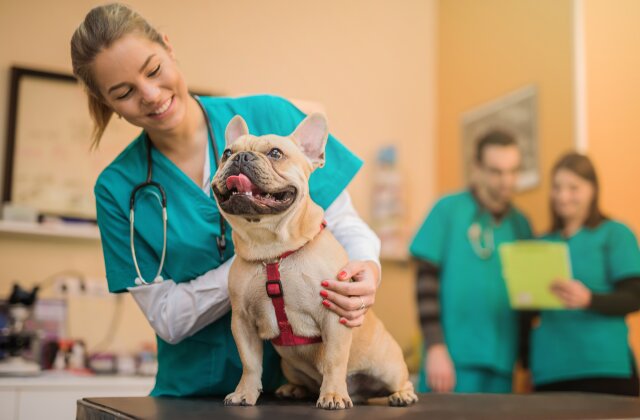
When choosing a “dream breed” puppy or kitten, we often budget for the cost of the animal itself, vaccinations, food, and toys. But we rarely plan for the potential medical expenses related to genetics. And this is the biggest mistake, leading to huge bills and broken hearts.
Treating a hereditary disease is almost never a “course of antibiotics.” It’s usually a lifelong battle or a costly, high-tech operation.
Let’s look at the real figures (these are estimates, but they give an idea of the sums involved in the U.S.):
- Diagnosis: Before you can treat, you need a diagnosis. An MRI or CT scan (necessary for diagnosing spinal issues in Dachshunds or neurological problems) can cost between $2,000 and $4,000. An echocardiogram (for Cavaliers or Dobermans) – $500 – $800. A genetic test for a specific condition – $100 – $250.
- Surgery: Orthopedic surgery (e.g., for dysplasia or a TPLO for a cruciate ligament rupture) can easily reach $4,000 – $8,000 for a single joint. Spinal surgery for a Dachshund (IVDD) – $6,000 – $12,000. Surgical correction for BOAS in a Bulldog – $3,000 – $7,000.
- Lifelong Treatment: Animals with heart, kidney, or joint diseases often need lifelong medication, special diets, and regular (every 3-6 months) check-ups. This can add $50 – $150 to your monthly expenses, every year, for the rest of the animal’s life.
Hypothetical Scenario: The Price of Loving a Bulldog
Imagine you bought an adorable French Bulldog puppy. By one year old, he’s lethargic, struggles to breathe after 5 minutes of play, snores so loudly the walls shake, and one hot day, he collapses. The diagnosis – severe BOAS. You’re offered comprehensive surgery: rhinoplasty (widening the nostrils), soft palate correction, and removal of laryngeal saccules. The bill for the surgery and hospital stay – $5,000. Without it, the animal will suffer its whole life and could die from suffocation. Are you prepared for such a situation?
How to Protect Yourself and Your Future Pet: A Responsible Owner’s Strategy
Panicking and giving up on purebred animals isn’t the answer. But you must approach the choice with a cool head and a clear plan. Your goal is to minimize the risks.
1. Research – Your Best Tool
Before you fall in love with photos, fall in love with information. Study not just the positives of the breed, but also its “dark side” – the list of genetic diseases. Read owner forums and articles on veterinary sites (like ours). Assess not only if the temperament suits you, but also if you can “handle” the potential treatment. At this stage, it’s vital to consider everything: for example, whether you can match a dog breed to your climate (brachycephalics struggle in the heat), or which dog breeds suit elderly people (active breeds with dysplasia risks are a poor choice).
2. Choosing a Breeder – The Most Important Decision
This is the key moment. A good breeder isn’t just someone who “breeds” puppies for sale. They are a breed enthusiast who cares about its health.
Red Flags (Walk away):
- Selling on online classifieds (like Craigslist or Facebook), in pet stores, or from “puppy mills” without documentation.
- The breeder has many different breeds.
- You aren’t allowed to see the mother or the conditions the animals are kept in.
- Puppies are given away too early (before 8 weeks).
- When asked about parental health tests, they reply: “They’re all healthy, never been sick.”
Signs of a Responsibile Breeder:
- They are a member of a recognized kennel club (e.g., AKC – American Kennel Club).
- They specialize in 1-2 breeds.
- They ask you just as many questions as you ask them (they want to ensure you’re a good owner).
- They provide the results of parental health tests!
3. Valuable Tool: A Checklist of Questions for the Breeder
Don’t be afraid to seem picky. You are choosing a family member for 10-15 years. Ask:
- What genetic tests are recommended for this breed (e.g., via the AKC or breed club)?
- Can you show me the health test certificates for both parents for [name specific diseases: e.g., OFA scores for a Shepherd, PRA for a Retriever, HCM/PKD scan for a Maine Coon]?
- What is the inbreeding coefficient (COI) for this litter? (A good breeder will know this).
- Can I see the mother with the puppies? What are their living conditions?
- Do you provide a contract of sale and a health guarantee?
- What socialization have the puppies had?
The answers to these questions will tell you more than any pedigree. A breeder who invests in health testing is doing everything possible to reduce the risks.
4. Health Testing and Insurance
Even if you buy from the best breeder, risks remain. Genetics is a complex science.
- Genetic Tests for Your Pet: Even if the parents are “clear,” you can get a DNA test for your own pet. This will give you a “map” of their personal risks and allow you to start proactive care (e.g., change diet, add joint supplements, check their heart more often).
- Pet Insurance: In the United States, this market is robust and well-established. Having a policy is one of the only reliable ways to protect yourself from sudden bills costing thousands of dollars. It’s financial planning that allows you to make decisions based on medical necessity, not on your bank account balance.
Conclusion: Informed Love is the Strongest Love
Purebred animals are an amazing result of human selection; they bring us enormous joy. But this selection has a price, and its name is hereditary breed diseases. Owning a purebred animal today is a huge responsibility.
It requires us to be not just loving owners, but educated consumers. It means refusing to impulsively buy a “cute face” from an online ad and being willing to spend months searching for a responsible breeder. It means being prepared to set aside money “for a rainy day” or to buy that insurance policy. Knowing about genetic risks and expensive treatments isn’t a reason to be afraid, but a motivation to act consciously. After all, teh best gift we can give our future friend is the maximum chance at a long and healthy life.