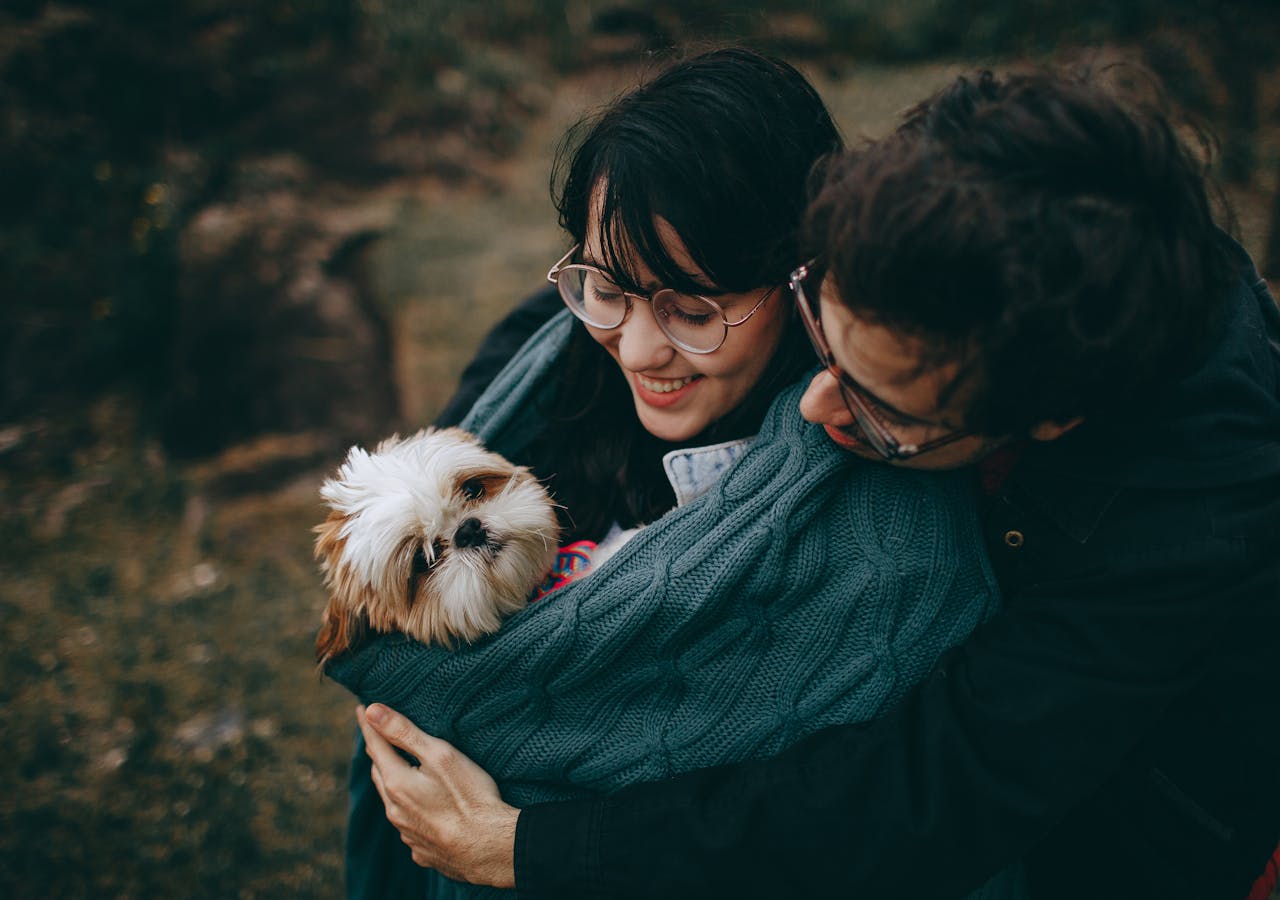
Your dog is a loyal companion, a family member, and a source of endless joy. But there’s one small hitch: it seems all that joy is reserved for a single person. Maybe your furry friend is your husband's shadow, ignoring you completely. Or perhaps they have eyes only for your daughter, treating the rest of the family like hired help. It’s frustrating, breeds jealousy, and can even hurt. Sound familiar? You’re likely dealing with a phenomenon unofficially known as "single-person dog syndrome."
This isn't an official diagnosis you’ll find in a vet’s handbook, but rather a common behavioral pattern where a dog forms an exceptionally strong bond with one person, favoring them over all others. Why does this happen, is it a problem, and most importantly, how can you balance the relationships in your household so no one feels left out of your pet's affection? We’ll dive into all that and more right here on Tvaryny.
What is "Single-Person Dog Syndrome"?
Single-person dog syndrome is a behavioral model where a dog shows a clear and consistent preference for one person in the family. This person becomes the center of their universe: they’re the one the dog runs to greet first, the one they choose to sleep next to, the one they look for across a room, and the one whose commands they follow best. The dog may interact with other family members neutrally, ignore them, or even show signs of stress or annoyance when they try to engage.
It's crucial to understand: this doesn't mean the dog "doesn't love" the others. They can be friendly, accept food, and play with them. But that deep, instinctive bond built on complete trust and security is formed with just one individual. While this behavior is common, its causes can vary widely.
Why Dogs Choose One Person: The Main Reasons
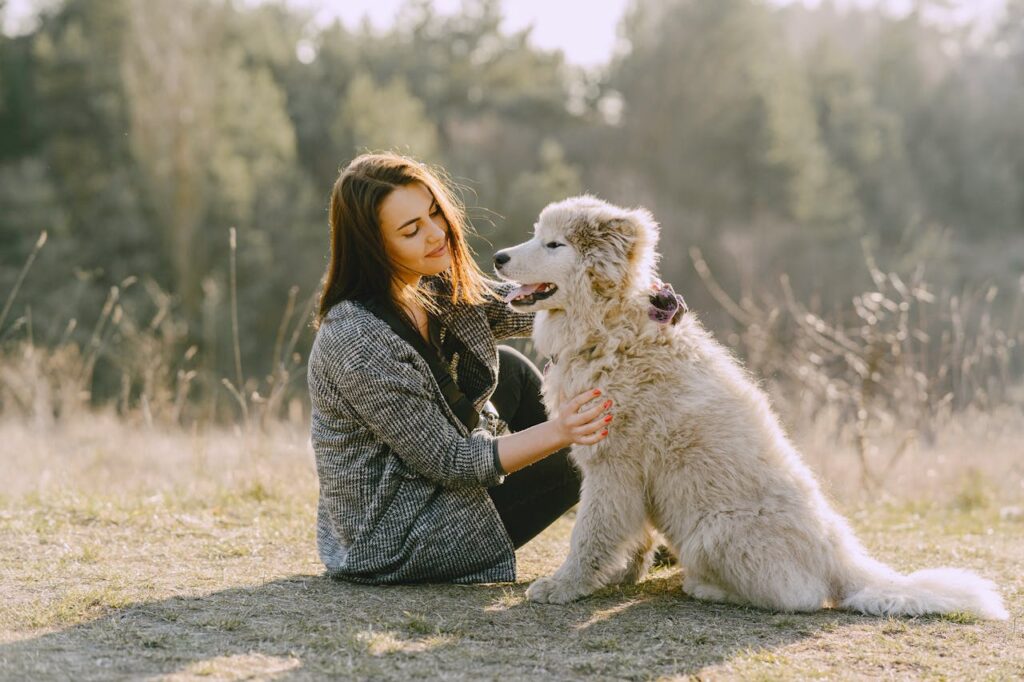
A dog’s decision to “appoint” a main person is rarely random. It's usually the result of a combination of factors that have shaped their perception of the world and the people in it.
- Intense Early Socialization. The period from 3 to 16 weeks is critical for a puppy. The person who spends the most time with them during this stage—feeding, playing, and introducing them to the world—is most likely to become their "number one." The puppy's brain literally imprints this person as the primary source of safety and positive emotions.
- Genetic Predisposition of the Breed. Some breeds were historically developed to work closely with a single handler. For example, herding dogs (Border Collies, Australian Shepherds) are used to concentrating on a shepherd's commands, while working breeds (German Shepherds, Rottweilers) are focused on their handler. This doesn't mean they can’t be family dogs, but a tendency for a strong bond with a "leader" is in their blood.
- The Role of Primary Caregiver. Dogs are pragmatic creatures. The person who meets their basic needs—feeding, walking, and training—automatically earns higher status in their eyes. If one person in the family handles these duties, the dog logically concludes that this person is the most important for their survival and comfort.
- Similar Temperaments. Sometimes it’s just "chemistry." A calm, mellow dog may gravitate toward an equally balanced family member, while an energetic and playful pup will choose someone who is always up for active games and adventures. They're simply on the same wavelength.
- Unconscious Reinforcement. We often reinforce this behavior ourselves. The "chosen" person might give the dog more attention, allow them to sleep on the bed, or scratch their ears more often. At the same time, the "unchosen" family members, faced with being ignored, may become hurt and distance themselves even more, thereby worsening the problem. It creates a vicious cycle: why is my dog ignoring me? Because the owner, feeling ignored, interacts with them less.
Is It a Problem? Potential Risks
What's so bad about a strong friendship, right? For the "chosen" person, it might even feel nice. However, an excessive fixation on one owner can have negative consequences:
- Separation Anxiety in the Dog. If their "center of the universe" goes to work, leaves on a business trip, or just goes to the store, the dog can experience severe stress, howl, chew on things, or destroy furniture.
- Difficulties in Care. What happens if the "main" person gets sick or goes on vacation? The dog may refuse to eat from someone else’s hand, not want to go on a walk, or not allow someone else to perform medical procedures.
- Household Tension. Feelings of hurt and jealousy from other family members are a real issue. It's especially tough for kids who don’t understand why their dog doesn't seem to love them.
- Socialization Problems. An overly dependent dog may be less self-confident, fearful of strangers, or anxious in new places without their owner's support.
Action Plan: How to Balance Family Relationships
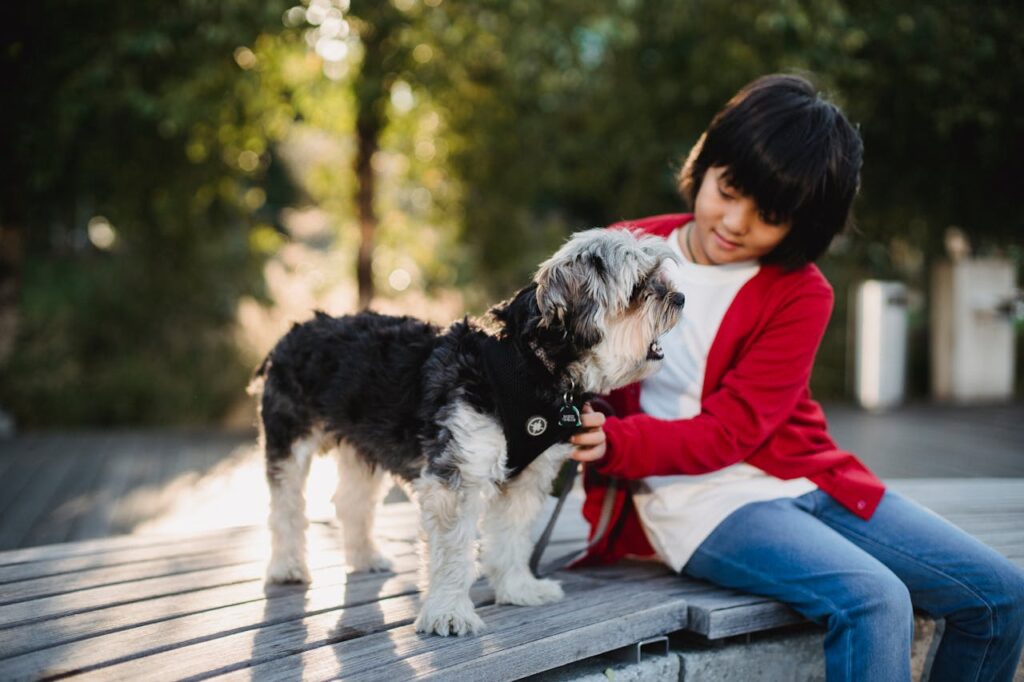
If you’ve decided the situation needs to change, the main thing is to act together as a family. The goal isn't to "steal" the dog from one person, but to expand their circle of trust to include everyone. This will require time, patience, and consistency.
The key to success isn't to make the dog "fall out of love" with the chosen person, but to help them expand their circle of trust and feel safe with all family members.
What the "Unchosen" Family Member Should Do
Your task is to become a source of joy and resources. You need to change the dog's associations from "oh, it's just another person in the house" to "wow, this person is the source of all the best things!"
- Take Over the Feeding. This is the most powerful tool. Let it be you who puts the food in their bowl. At first, the dog might hesitate, but hunger will win out. Feed them treats by hand as you walk by.
- Become the “Walk God.” Let your hands be the ones to clip on the leash, and you be the one to open the door to the outside. Walks are a huge joy for a dog, and that joy should be associated with you.
- Play Their Favorite Games. Find out what the dog loves most—a ball, tug-of-war, or hide-and-seek? Dedicate 10–15 minutes a day to playing together. Don't force it if they're not in the mood, but consistently offer.
- Engage in Positive Training. Learn a few simple commands together: "sit," "paw," "lie down." Use delicious treats and generous praise. Short but positive training sessions incredibly strengthen your bond. It's an effective way to reconnect with your dog.
- Be Patient and Don’t Force It. The worst thing you can do is try to win their love by force. Don't grab the dog or make them sit on your lap. Just be there. Sit on the floor and read a book, allowing the dog to come over and sniff you on their own terms.
The Role of the “Chosen” Owner
You’ll also need to slightly change your behavior. Your task is to gently reduce the dog’s dependence on you and encourage them to interact with others.
- Take a Step Back. Don’t be the sole initiator of games and affection. When the dog approaches for attention, redirect them to another family member. For example, say, "Go to Dad, he'll give you a scratch."
- Slightly Ignore Demanding Behavior. If the dog constantly nudges you for attention, ignore them for a few seconds, then ask another family member to call them over and praise them.
- Support Others. During training or feeding sessions with another family member, be nearby to reassure the dog with your calm presence, but don't interfere with the process.
Common Mistakes to Avoid
- Don't punish the dog for their choice. They aren’t doing this to spite you. It's an instinctive behavior. Yelling and punishment will only destroy trust.
- Don't have a "love competition." Don't try to "buy" the dog's affection with more expensive toys or treats. This needs to be a systemic effort to build relationships, not one-off actions.
- Don't physically force the dog. Don't pull them toward you or hold them against their will. This will only cause fear and make the situation worse.
- Don't give up too quickly. Building trust is a marathon, not a sprint. The first results might appear in weeks or even months.
When to Call a Professional
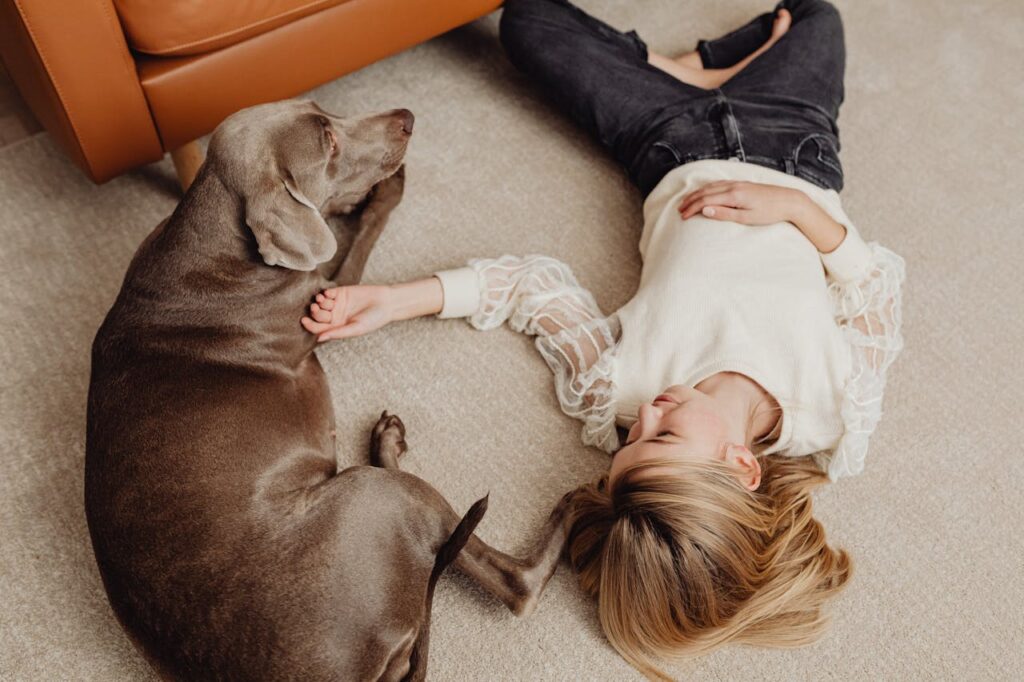
In most cases, the problem can be solved by the family. However, you should consider consulting a professional dog trainer or a veterinary behaviorist if:
- The dog's behavior is accompanied by aggression (growling, attempts to bite) toward other family members.
- The dog shows signs of severe separation anxiety: destroying the house, howling for hours, or harming themselves.
- Your attempts to build a connection over several months yield no results.
A specialist can help develop a personalized behavior modification plan tailored to the specific needs of your dog and your family.
Conclusion
The fact that your dog has picked a person isn’t a death sentence for your relationships. It's simply an indication that the bond with one family member became stronger due to certain circumstances. Instead of taking it personally, look at it as an opportunity for the whole family to become a true "pack" for your beloved pet.
Remember the three pillars of success: patience, consistency, and positive reinforcement. Redistribute responsibilities, make interaction with every family member a positive and rewarding experience for the dog, and over time, their heart will open up to everyone. After all, a dog's love is big enough for anyone willing to give them their care and time.