

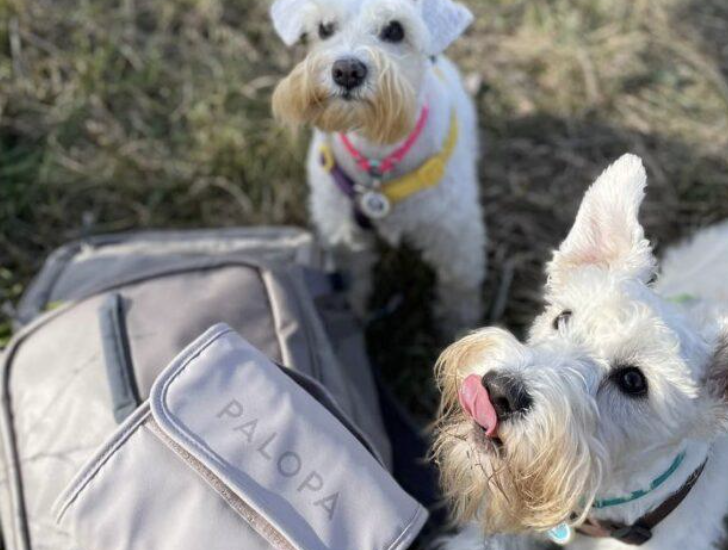
Let’s go, go, go! Grab your leashes, pack those treats, and double-check your gear. Today we are diving into a topic that makes every real adventure with our four-legged buddies possible. When you are in the zone, your dog flying over an agility hurdle or conquering a steep mountain trail right beside you, the adrenaline is pumping. But as an instructor who has seen hundreds of training sessions, competitions, and hikes, I have to hit you with a hard truth. Injuries happen even to the most seasoned furry athletes. If you are not ready to act on the spot, your perfect active weekend can quickly turn into a total disaster.
By reading the tvaryny.com portal, you clearly want to give your four-legged partners nothing but the best. But the best is not just about a top-tier harness. It is not just about super-premium food or regular training. It is also about your 100% readiness to save the day right here and now. Sometimes every single second counts. A paw pad sliced open on a sharp rock. A tick you picked up in the spring woods. A sudden allergic reaction to a wasp sting in the middle of a field. All of these requre a lightning-fast response. That is why today we are breaking down the ultimate dog first aid kit. It needs to be in your home, in your hiking backpack, and in the trunk of every active dog owner’s car!

Why your human first aid kit won’t save your dog
I see it all the time on the training field. Beginners notice a minor cut on their dog’s paw and immediately dig into their bags for human Band-Aids. They grab hydrogen peroxide or iodine. Guys, stop! Just stop right there. Canine physiology is drastically different from ours. What is a standard headache pill for you could be a deadly poison for your Jack Russell or Shepherd. Many human medications cause irreversible liver and kidney damage in dogs.
Plus, human bandages simply do not stick to fur. You apply a plaster, and your dog takes two steps. One shake of the paw, and it goes flying into the mud. Our goal is to put together a specialized, compact, and highly effective set of tools and meds. This will allow you to provide rapid first aid. You can stabilize your furry friend and calmly drive to the vet clinic. No amateur attempts at complex diagnoses. Just the clear, practiced actions of a pro!
Top 10 essentials: building the base for a furry extremist
1. Cohesive bandage (self-adhering elastic wrap or Vetrap)
Forget about regular gauze from the nearest pharmacy. When your dog slices a paw on hidden glass in the grass, standard gauze will slip off after three seconds of movement. A cohesive bandage is an absolute must-have in the dog world. It sticks to itself. It does not stick to your dog’s fur. It holds the dressing rock-solid even during sprints or jumps.
I always buy bright colors – neon yellow or hot pink. Why? So I can see from a distance if my dog has lost the wrap during a forest walk. The golden rule when wrapping: do not wrap it too tight! The bandage is very elastic. If you secure it too snugly, you will cut off the blood circulation. Always leave the two middle toes exposed. This lets you check their temperature and ensure there is no swelling.
2. Chlorhexidine aqueous solution 0.05%
Washing a fresh wound with water from your drinking bottle? Or worse, the nearest puddle? Bad idea. A chlorhexidine aqueous solution is your best friend after a tough trail run. It does not sting at all, unlike iodine or rubbing alcohol. Those are strictly forbidden for treating open canine wounds anyway. They cause deep chemical burns to the tissues.
I always keep a couple of bottles with a handy nozzle. One stays in the home kit, the other goes in my treat pouch during training. You take the paw and part the fur. Then you squirt the wound under pressure straight from the bottle. This flushes out all the sand, dirt, and bacteria. It is the very first and most critical step before applying any dressing or ointment.
3. Tick removal tool (Tick Twister)
Woods, fields, tall grass – this is our element. It is where we practice tracking and just enjoy life. But that is also where tiny armored monsters await us. Forget about those barbaric old-school methods of smothering a tick in oil. That just makes the parasite regurgitate infected saliva into your dog’s bloodstream. Pulling them out with a thread is also a no-go.
A special plastic hook tool lets you extract the parasite in a second, head included. The speed of your reaction is key here. The longer a tick sits on your dog, the higher the risk of transmitting diseases like babesiosis. Just slide the tick into the hook’s slot. Make a few twisting motions around its axis. Pull gently, and you are done. Your dog will not even pause from sniffing that bush.
4. Absorbents (Enterosgel, Activated Charcoal, or equivalents)
Our beloved dogs are basically furry vacuum cleaners. Even a perfectly trained dog with super impulse control might be tempted by an unknown “snack” in the grass. All it takes is looking away for a second to check a text. Sometimes an upset stomach happens simply due to competition stress. Or maybe it is from switching to a new water source in a different town.
Diarrhea or vomiting will dehydrate a canine athlete incredibly fast. Give them an absorbent at the very first sign of mild food poisoning. You will buy yourself precious time. Enterosgel is easy to mix with a little water. Then you just syringe it into the dog’s cheek pouch using a needleless syringe. The absorbent will bind the toxins and gently flush them out of the system.
5. Antihistamines
Picture this: we are at an away agility seminar. It is the middle of summer, surrounded by a blooming meadow. My dog catches not just a frisbee in the air, but a bee. In dogs, an allergic reaction to insect stings can develop at lightning speed. Swelling of the muzzle, red eyes, heavy breathing. These are signs of anaphylaxis or angioedema.
If the larynx swells, the animal can suffocate in a matter of minutes. That is why antihistamines are your life preserver. Your kit should have tablets (like Benadryl or similar) for mild cases. You also need ampoules (like Dexamethasone) for critical shock states. Attention: you must discuss injection dosages with your vet beforehand. Write it down with a marker right on the packaging!
6. Antibacterial ointment or wound-healing spray
After intense sprints on asphalt or gravel, paw pads often get worn down or develop micro-cracks. A good antibacterial ointment draws out dirt perfectly. It fights bacteria and speeds up tissue regeneration. Apply a thick layer. Add a gauze pad, wrap it with Vetrap, and pop on a protective dog boot.
The main task at this stage is to stop the dog from licking the wound. Their saliva contains tons of bacteria. Constant licking will turn a tiny scratch into a massive, weeping ulcer. Therefore, we apply the ointment right before distracting the dog with something tasty. Or we put an Elizabethan collar on them straight away.
7. Saline solution for eye washes
Dust and sand on the training field, strong mountain winds, or stiff grass in the field often cause issues. A dog’s eyes can become very red, start watering, or get gunky. Never wash their eyes with tea! That is a fast track to introducing new infections.
Regular plastic ampoules of sterile saline solution are perfect for flushing out a speck of dirt or pollen. They are cheap, safe, and easy to pop open with one hand. Just squeeze a few drops into the outer corner of the eye. Then gently wipe it with a clean gauze pad. Never use a cotton pad, as the fibers can get stuck on the cornea.
8. Digital thermometer
Do you still think you can tell a dog’s temperature by feeling their wet nose? Forget that harmful myth forever! A nose can be completely dry and warm after a deep sleep or heavy play. At the same time, your pup could be perfectly healthy. The only objective method is a digital thermometer. And yes, temperature is only measured rectally.
Normal canine temperature ranges from 37.5 to 39.0 degrees Celsius. If your dog becomes lethargic during a summer session, their gums turn bright red, and the temp spikes over 39.5 – that is heatstroke. You must act immediately. Move the dog to the shade. Dampen their belly and paws with cool (not ice-cold!) water. Contact a clinic urgently.
9. Syringes of various sizes (2 ml, 5 ml, 20 ml)
Syringes are not just in the kit for injections. Small syringes (2 ml) are perfect for accurately measuring out liquid medications. But large syringes without a needle (20 ml or more) are an indispensable tool. You use them to squirt dissolved absorbents or painkillers right into the dog’s mouth. They are also great for forcing water during severe dehydration.
Also, a large syringe is super handy for blasting deep puncture wounds with chlorhexidine solution under strong pressure. The stream of liquid will knock all the dirt out from the inside. You would never be able to reach in there with your fingers or a swab.
10. Styptic powder
A nail ripped or broken at the base on a dogwalk, A-frame, or just plain asphalt is a classic in dog sports. There is usually so much blood it looks like the dog lost half a leg. The owner’s panic hits the roof in that moment. But for the dog, it is not life-threatening.
Styptic powder instantly seals the damaged blood vessel. You take a pinch of the powder in your fingers. Press it firmly against the bleeding nail and hold for 5-10 seconds. The bleeding stops in a flash. After that, you can calmly apply a light protective wrap and let the dog rest.
Emergency cheat sheet: what to do right now
In a critical situation, the brain often just shuts down. So here is a simple table to help you get your bearings quickly. Save it, print it out, and stash it in your kit!
| Problem on the trail or walk | Your first steps (no panic) | What to grab instantly from the kit |
|---|---|---|
| Deep cut on the paw pad | Flush the wound under pressure, assess the depth, stop the bleeding. | Chlorhexidine, gauze pads, cohesive bandage (Vetrap). |
| Bee/wasp sting to the face | Remove the stinger (if it’s a bee), cool the area, monitor for swelling and breathing issues. | Antihistamines (tablets or Dexamethasone injection). |
| Suspected poisoning / diarrhea | Withhold food, ensure rest, prepare for a trip to the vet. | Absorbent (Enterosgel), diluted with water via a large needleless syringe. |
| Nail torn to the quick | Calm the dog, secure the paw, press the treatment against the wound. | Styptic powder. |
How to teach your dog not to fear medical procedures (Medical Training)
Dogs are often masters at hiding pain. In the wild, weakness means death. That is why your Terrier or Malinois might keep chasing a ball on a torn ligament until they literally collapse from exhaustion. We need to learn how to read their body language. Even if you own one of those unshakable guardians like a Cane Corso, Doberman, Rottweiler, Shepherd, or Giant Schnauzer, they will mask their discomfort just the same. Technology is moving forward at a crazy pace today. But until there are perfect digital pain analyzers for dogs, our primary neural network is our own eyes, intuition, and experience.
To prevent first aid from turning into a wrestling match, your dog needs to get used to being examined beforehand. Train it just like any other fun trick!
- Play vet at home: regularly feel their paws. Look into their ears and mouth. Praise them and give them the tastiest cuts of meat for cooperating.
- Positive reinforcement: take out the first aid kit. Just place it nearby and feed your dog. The kit should be associated with awesomeness, not pain.
- Clicker sounds: mimic the hiss of a spray. Or the sound of popping pills out of a blister pack. Let your dog get used to these noises in a totally relaxed setting.
Age changes: the kit for a furry veteran
When your tailed partner gets older, their vital needs change dramatically. A sports veteran doesn’t jump as high for a frisbee anymore. They tire faster, and you might notice them seeming disoriented or anxious for no reason. If you spot strange behavior, staring blankly into space, or the loss of old skills, it is incredibly important to know how to recognize cognitive dysfunction in older dogs and slow it down. This way, your buddy can stay active and happy for as long as possible.
For senior dogs, the standard kit expands. You absolutely must add any medications they take on a permanent basis. (For example, heart support meds or joint supplements). In the summer heat, these dogs need extra care and cooling vests are mandatory. Their thermoregulation just doesn’t work as flawlessly as it does in younger pups.
“A fully stocked kit in your backpack is your confidence on the trail and in the woods. You can’t control every sharp branch or pothole on the route. But you have an absolute duty to manage the fallout. Being prepared means loving truly.”
What is STRICTLY forbidden in a dog’s first aid kit
Let’s lock in the basics one more time. Just so we don’t accidentally cause a disaster with our own hands in a moment of panic.
- Ibuprofen, Paracetamol, Aspirin: these are highly toxic to a dog’s digestive system and kidneys. They trigger internal bleeding.
- Iodine and Brilliant Green: they provoke severe chemical burns on the skin and mucous membranes. Chlorhexidine only!
- Hydrogen peroxide (pouring it into a wound): it destroys living cells trying to regenerate. This significantly delays the healing process. Vets only use it to induce vomiting (under strict indications).
- Human sedatives: they have an unpredictable effect on an animal’s central nervous system. Instead of calming them down, they can induce aggression or a deep coma.
Well team, are you ready to sort through your backpacks before next weekend? Put this kit together once and do it right. Check the expiration dates of the meds every six months. And let’s hope you definetely never have to use it in real life! Keep grinding, train smart, love your furry friends, and I will see you on the agility fields. May your paws always stay safe, and your tails always wag high!