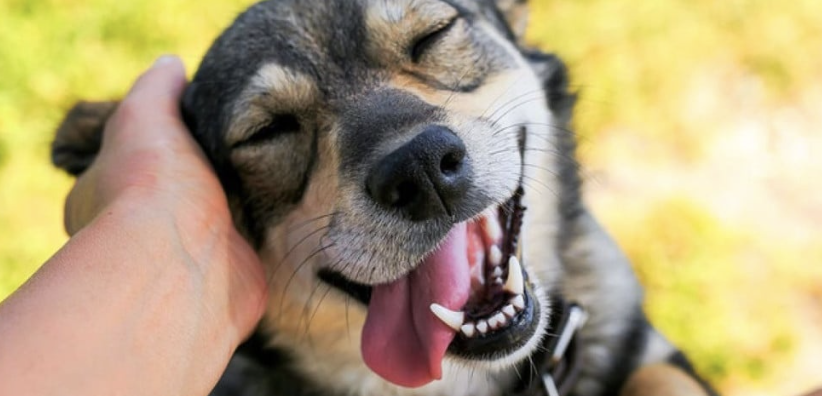
You walk into the living room and find a sight that makes your heart sink: your favorite leather boots have been turned into Swiss cheese, and the corner of the designer sofa now features a "decorative" fringe. Standing nearby is a furball with innocent eyes. But you know better. Those eyes belong to a tiny terminator currently sprouting permanent teeth. At tvaryny.com, we hear these stories daily. I want to reassure you: this isn't a display of malice or bad behaivor. It is a natural stage of development that simply requires the right instumental approach to survive.
When Gums "Burn": The Science of Growing Pains
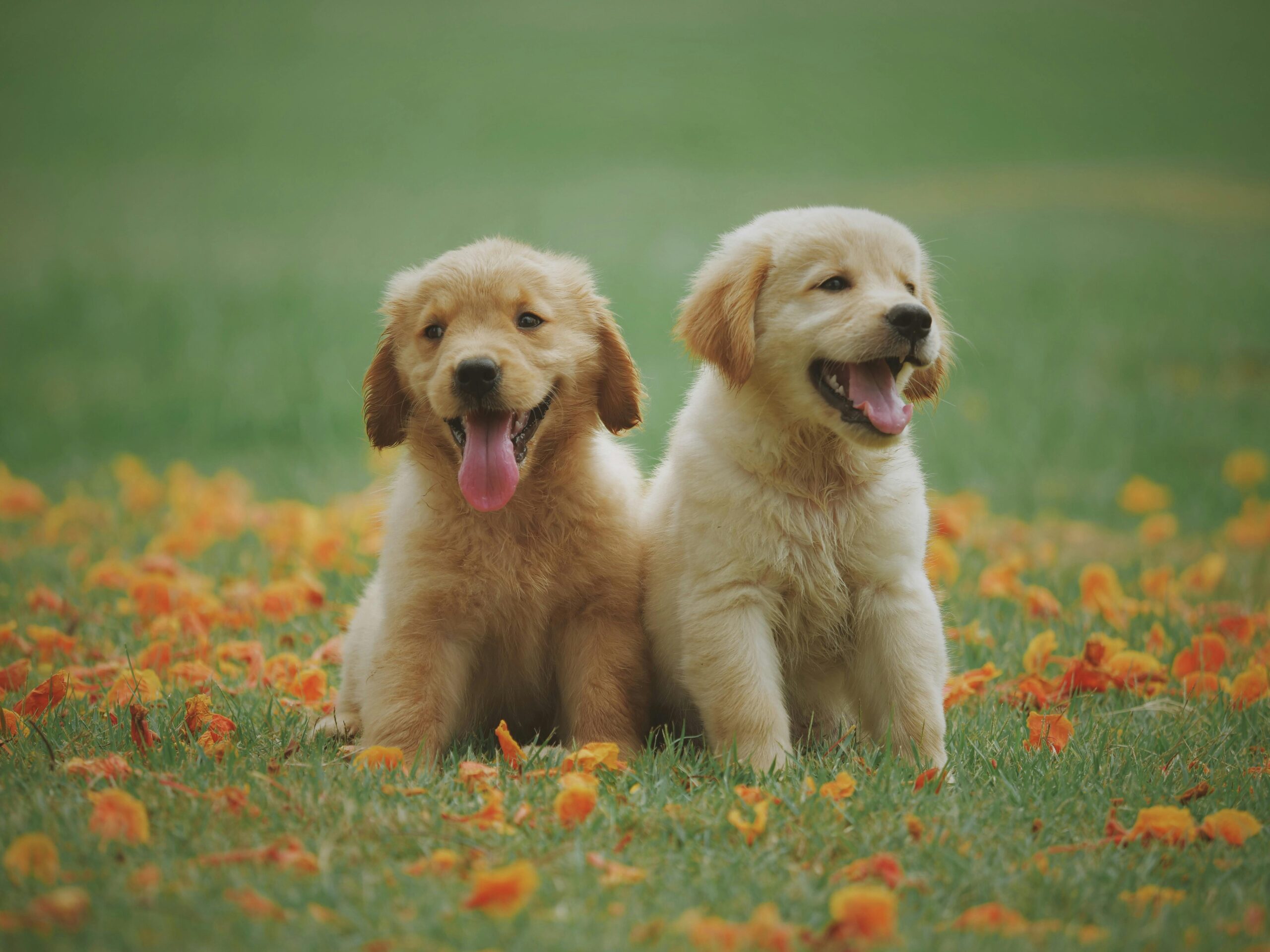
The transition from milk teeth to a permanent set usually kicks off around 3–4 months of age and wraps up by month 7. During this window, the puppy's jaw expands rapidly while the roots of the baby teeth dissolve. This makes way for 42 permanent teeth, including powerful incisors and canines. The process creates constant itching, gum swelling, and a dull ache. Your pup tries to "numb" this discomfort by gnawing on literally anything within reach.
While we focus on canines, kitten owners often notice similar habits. Even a sleek Japanese Bobtail might exhibit a sudden urge to nibble on fingers or soft fabrics during their own teething phase. However, for dog owners, the scale of the "destruction" is usually much higher. Recognizing that this is a physical need, not a personality flaw, helps you stay calm and act constructively.
Red Flags and Teething Symptoms:
- Excessive Drooling: Irritated gums trigger the salivary glands as the body reacts to inflammation.
- Loss of Appetite: It simply hurts to crunch down on hard kibble during a growth spurt.
- Intense Gnawing: A fixation on hard surfaces, from baseboards to chair legs.
- Low-Grade Fever: It's common for puppies to seem a bit lethargic or warm during the day.
- Blood on Toys: Small pink spots are a normal sign that a baby tooth has just been pushed out.
Pro Tip: A puppy's mouth is a gateway for bacteria during this stage. If you notice a foul, rotting smell, call your vet immediately. This could indicate an infection or a "retained" baby tooth that is blocking the permanent one's path.
The Battle Plan for Furniture and Shoes
The golden rule of puppy ownership: don't tempt them. Anything left on the floor is technically a toy in their eyes. Keep shoes in closed closets, zip-tie loose wires, and put away the kids' stuffed animals. If an object is immovable, like the leg of your dining table, use a bitter deterrent spray. These usually contain citrus or apple bitters that taste terrible to dogs but are safe for the finish.
Interdiction isn't enough - you must provide a better alternative. Chewing is a biological necessity. Your goal is to offer objects with various textures to soothe the gums. Mix it up with rubber rings, cotton ropes, and dental-safe chews. The more engaging the "legal" toy is, the less likely they are to return to your expensive leather boots.
| Toy Category | Puppy Benefits | Safety Warnings |
|---|---|---|
| Treat-Stuffing Rubber (Kong type) | Massages gums and provides long-term mental distraction. | Choose the right size so the puppy doesn't swallow it. |
| Chilled Cotton Ropes | The cold numbs the swelling and calms the ache. | Don't freeze them into a solid block; a deep chill is safer for enamel. |
| Natural Chews (Bully sticks) | Natural flavor and satisfying "give" while chewing. | Always supervise to prevent choking on the last small bit. |
| Soft Textile Toys | Mimics prey and feels gentle on sensitive spots. | Check for holes regularly so they don't ingest the stuffing. |
Your Hands Are Not Toys: Breaking the Biting Habit
The most common rookie mistake is letting a puppy play-bite your hands. Those needle-teeth might feel harmless now, but you are reinforcing a dangerous habit. Once that dog hits adulthood, their bite strength will be formidable. Retraining an adult dog is significantly harder than setting boundaries now. We call this "play aggression," and it usually stems from a lack of clear rules.
If your pup nips you during play, emit a sharp, high-pitched "Ouch!" sound. This mimics the yelp of a littermate. Immediately stop all interaction and turn your back. This is the universal canine language for: "You hurt me, and now the fun is over." Wait 30 seconds before re-engaging with a toy. This teaches them that human skin is off-limits for teeth.
Steps to Foster Good Manners:
- Redirect instantly: Always keep a toy within arm's reach to shove into their mouth the moment they get "nippy."
- Use firm cues: A calm, steady "No" or "Off" works better than shouting, which can over-excite them.
- Positive reinforcement: If they choose their bone over your sneaker, praise them like they just won a gold medal.
- Mental exercise: A tired puppy is a well-behaved puppy. Use puzzle feeders to drain their energy.
- Gentle tug-of-war: Avoid pulling too hard on toys, as it can misalign the permanent teeth while they are setting.
While you might be researching things like choosing between catnip and valerian root for your feline friends, puppies require a different kind of distraction. Try the frozen carrot hack: a cold, whole carrot is hard enough to massage gums and packed with healthy vitamins. Just be prepared to clean up some orange crumbs afterward. It's a small price to pay for saved furniture.
When your patience is wearing thin, remember that this phase is fleeting. Your goal is to be a steady guide, helping your dog navigate discomfort rather than being a warden who only says "No."
When to Call the Professional
Sometimes nature needs a nudge. Occasionally, a milk tooth refuses to fall out even when the permanent one erupts right behind it. We call this a "double row." This can ruin a dog's bite and lead to rapid plaque buildup between the cramped teeth. If you see a persistent double tooth for more than a week, book a vet visit to discuss a quick extraction.
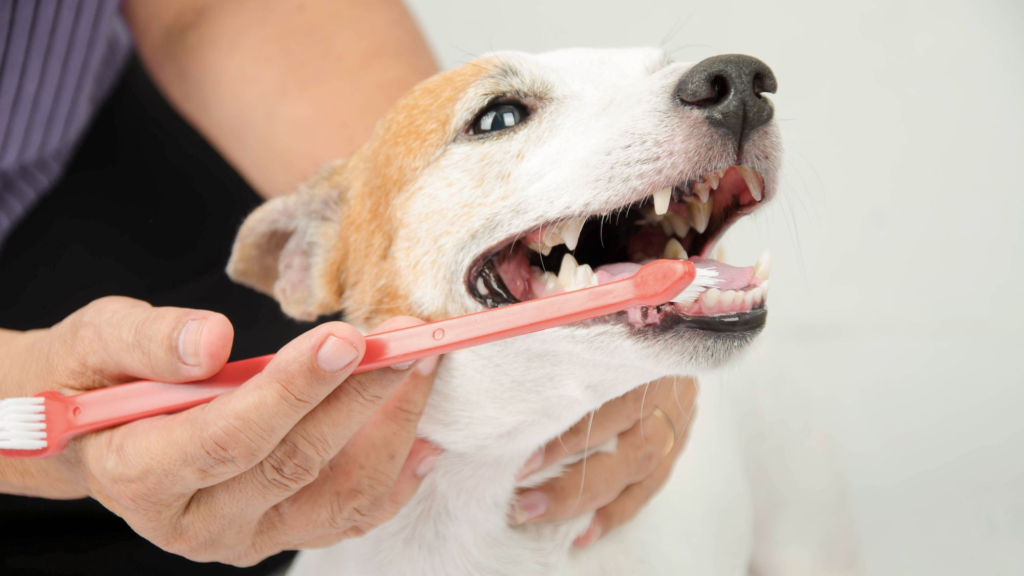
Start your dental hygiene routine now. Even though milk teeth fall out, getting your pup used to a toothbrush and dog-safe toothpaste is vital. It builds a lifelong habit that prevents painful professional cleanings under anesthesia down the road. Keep the sessions short, fun, and packed with rewards.
Teething is a true test of your resilience and love. Stay patient, stock up on the right gear, and maintain your sense of humor. Soon enough, your pup will be smiling at you with 42 pearly whites. Those chewed-up shoes will eventually become a fond (if expensive) memory of their puppy days. You can handle this - you're now armed with the knowledge to lead your little friend through this big transition.