

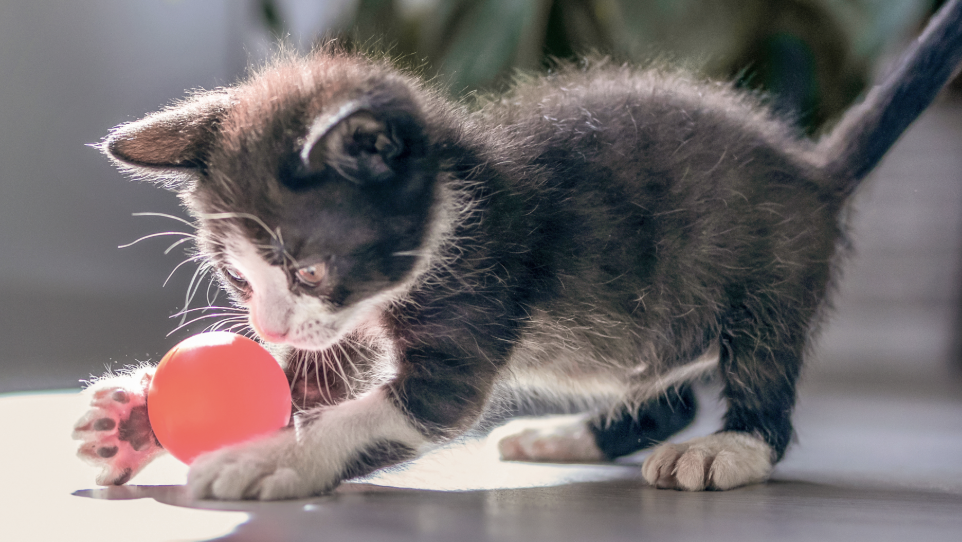
You have just brought home a tiny, fluffy bundle of joy. They purr, play, and seem like an absolute angel. But fast forward a few months, and this little angel might suddenly hiss at a guest. They might bite your hand during playtime or start hiding under the bed at the slightest noise. Does this mean their character is ruined? Not at all. You simply missed the most crucial stage in your pet’s life – the “socialization window”. Fortunately, our team at tvaryny.com has put together a detailed guide to help you raise a confident and friendly cat without a single drop of aggression.
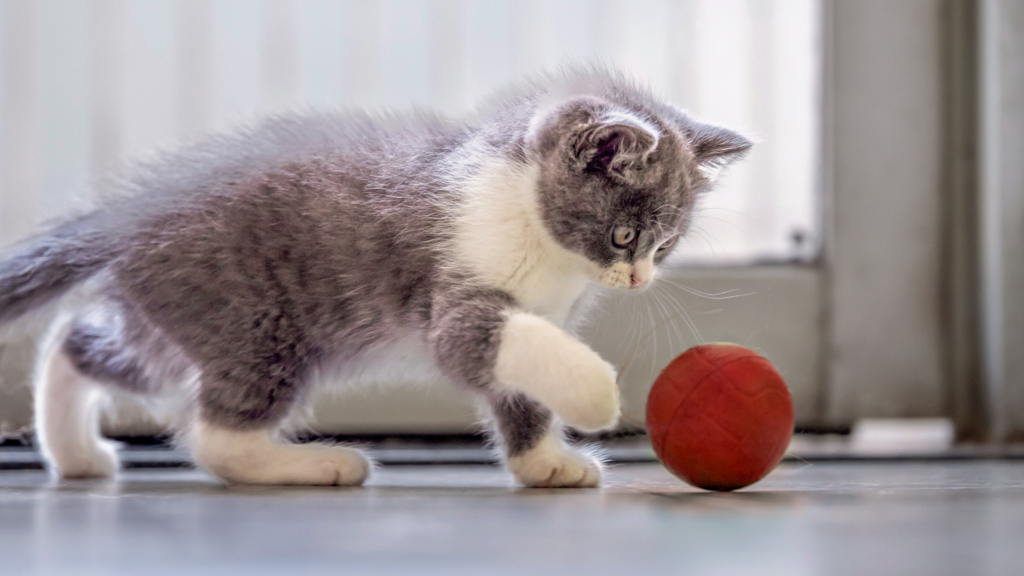
What is the “window of opportunity” in a kitten’s life?
In veterinary psychology, this is a critical period between 2 and 16 weeks of age. Imagine your kitten’s brain as a completely blank hard drive. Right now, it is being formatted. It is recording base settings like “who is a friend,” “what is safe,” and “how to react to stress.” After 4 to 5 months, this drive is almost entirely full. You can certainly retrain an adult animal. However, it is ten times harder than teaching a kitten from scratch.
If you shield the baby from the whole world during this time, their psyche will form a strong defensive reaction. Keeping them away from other people, animals, or new sounds will make the equation simple: everything unknown equals danger. This is exactly where aggressive cats come from. They are the ones who attack your feet or get terrified of thier own shadow.
Socialization isn’t just about meeting other cats. It is the animal’s ability to calmly accept any changes in its enviroment – from the sound of a vacuum cleaner to a trip to the vet.
Stage 1: Socializing with humans (2-7 weeks)
At this age, the kitten learns to trust humans. If the baby doesn’t get enough positive tactile contact, things can go wrong. They might grow up unsociable or aggressive toward hands. Here is what experienced feline experts advise.
The “Three different people a day” rule
Invite friends and relatives over. Mix up their genders, ages, and even hair colors. Let each new guest give the kitten a treat or play with them using a feather wand. IMPORTANT: Guests should never grab the baby suddenly or yell loudly. Only calm, positive interactions are allowed.
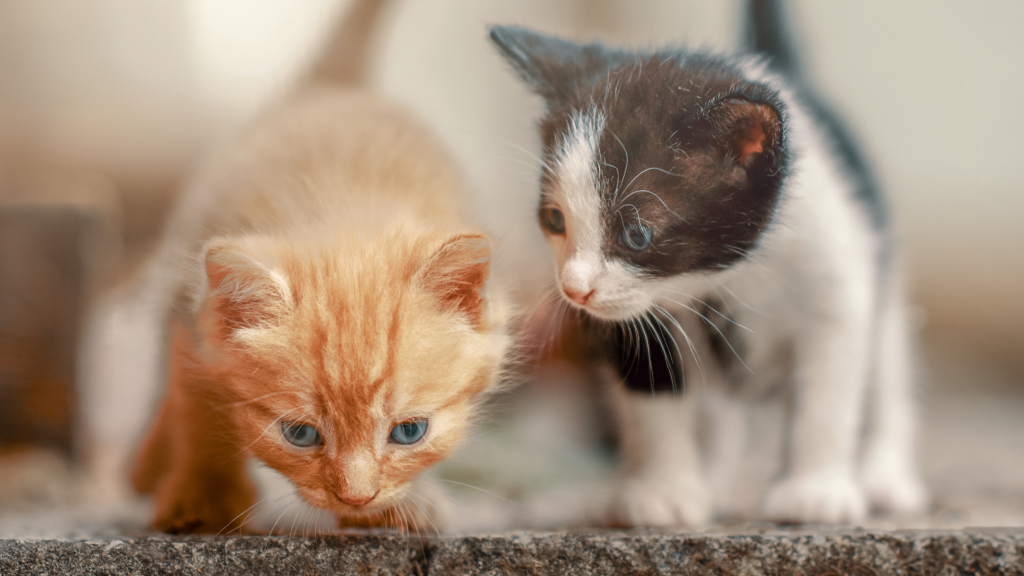
- Children under 10: Teach them not to pull the kitten’s tail. They should also learn not to scream “kitty!” at the top of their lungs.
- Men with deep voices: Cats are often most afraid of them. Ask these guests to speak gently and quietly.
- People wearing hats, umbrellas, or glasses: Changes in appearance can easily scare animals. Let the little one sniff every unusual accessory.
By the way, if you plan to take your cat to a summer cabin or travel frequently, get them used to different places early on. The underlying principle here is exactly the same as with routine pet care. For instance, figuring out how to properly dry your dog, avoiding the wet dog smell and skin problems, requires that exact same gradual desensitization. The more diverse experiences your pet has in childhood, the calmer the adult animal will be.
Stage 2: Meeting other animals (8-12 weeks)
This is the exact period when species identity is formed. The kitten starts to understand: “I am a cat, and this is a dog (or another cat).” If you skip this stage, you risk raising a highly anxious pet. They will panic at the sight of a wagging tail or a bark behind the door.
| Type of animal | Introduction method | Common mistakes |
|---|---|---|
| Adult cat (your own) | Exchange blankets (scents) 3-5 days before visual contact. | Trying to force them to “be friends” immediately without scent adaptation. |
| Dog | First meeting through a safe baby gate. The dog must absolutely be on a leash. | Leaving them alone together during the first few days. |
| Rodents/birds | Keep them securely locked in a cage. The kitten should see them but not reach them. | Believing that “he is so small, he won’t hurt them.” |
Remember the story of the “snow cat”? A Bengal cat was once brought to my clinic who refused to leave the room after hearing a dog bark outside. The animal was 3 years old, yet it had never seen a dog during its childhood. There are thousands of cases just like this.
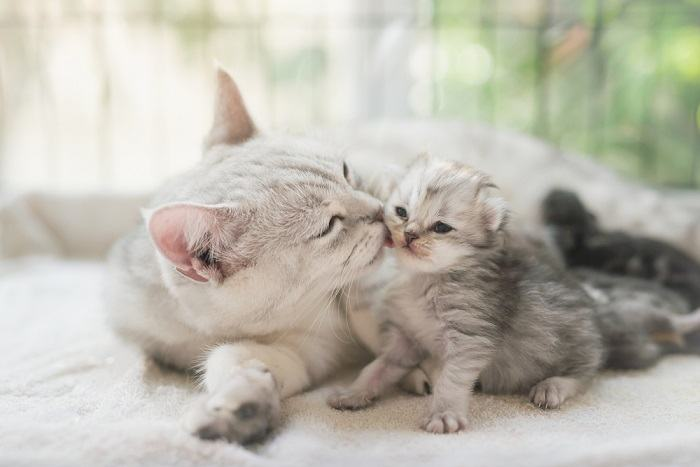
Stage 3: Household noises and stressful situations (9-16 weeks)
The most common cause of aggressive behavior in adult cats is noise phobia. This is a panic-inducing fear of vacuum cleaners, blenders, or doorbells. Fortunately, you can easily train kittens to ignore these sounds using the “food association” method.
- Vacuum cleaner: First, just place the turned-off vacuum in the room where the kitten eats. After 2 days, turn it on for 10 seconds during feeding time. Gradually increase the duration.
- Hairdryer or washing machine: Follow the exact same scheme. Start at the lowest volume from about 15 feet away.
- Knocking or doorbell: Ask a friend to intentionally ring the bell. Right at that moment, give the kitten its favorite treat paste from a tube.
The cold season adds another challenge – street chemicals and hypothermia. Even though kittens use a litter box, you might be teaching them to walk on a harness. In that case, or if you just want to make sure you’re doing everything right, make sure to read our veterinarian’s tips on how to properly take care of a kitten. It will save both your nerves and the baby’s health in the long run.
Red flags: When to consult an animal behaviorist
Even perfect socialization doesn’t always guarantee a 100% success rate, especially if the kitten has experienced prior trauma. Here are clear signs that your DIY socialization attempts are failing:
- Tremors or involuntary urination when a new object appears (even a toy).
- Aggressive posture (an arched back on stiff legs, tail puffed straight up) with no obvious reason.
- Refusal to eat for more than 12 hours after a stressful event.
- Auto-aggression (the kitten bites its own tail or paws until they bleed).
Do not wait for it to “pass on its own.” Mental disorders in cats are treated with behavioral therapy and sometimes antidepressants. The sooner you start, the better the chances are for a normal life without cages and sedatives.
Quick summary: Your daily checklist
Socializing a kitten is not an act of heroism. It is a simple daily routine. Dedicate just 15 minutes a day to these exercises. In six months, you will be proud of a cat that doesn’t flee under the bathtub at the sound of the doorbell.
- Weeks 3-4: Pick the kitten up 10 times a day. Even if they struggle, hold them gently for 5 seconds, then let them go and offer a tasty treat.
- Weeks 5-6: Show them 5 different floor surfaces. Use a rug, laminate, grass, a blanket, and a glossy floor.
- Weeks 7-8: Play a recording of a thunderstorm or fireworks at minimum volume while the kitten is eating.
- Weeks 9-10: Invite a couple of friends with beards or hats to come over and let them feed the little one.
Your calmness is the absolute best socialization tool. Kittens read your emotions through pheromones. If you get nervous at the sight of a dog, the baby will decide: “I need to be scared!” Breathe deeply and smile – it is contagious.
Remember: an aggressive cat is not born that way. They become that way due to misunderstanding, the owner’s fear, and a missed “window of opportunity.” But now you know exactly what to do. Your pet has every chance to grow up friendly and confident. Let your relationship be built on mutual trust, not on attempts to bite the vet.