

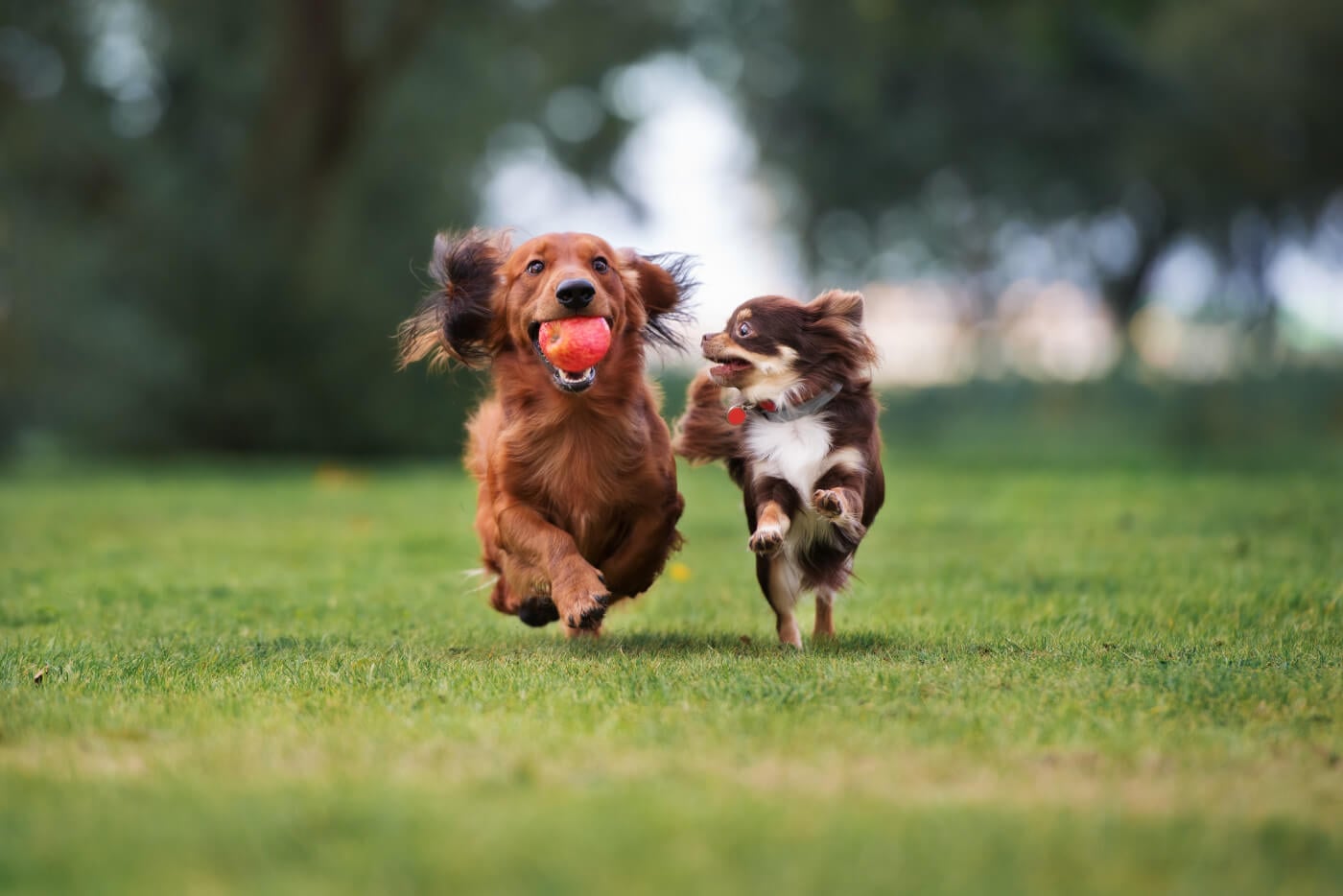
There is a common stereotype: if a dog fits in a purse, it doesn’t need commands, patience, or strict discipline. We often see owners smiling affectionately when their tiny Chihuahua growls at passersby, or when a Yorkshire Terrier barks frantically at the doorbell. “He’s just protecting Mommy,” they say. But the truth is, a lack of training in small breeds isn’t cute – it’s dangerous for the animal itself. Find out more on Tvaryny.
The “Lap Dog” Myth: Why Don’t We Train Small Dogs?
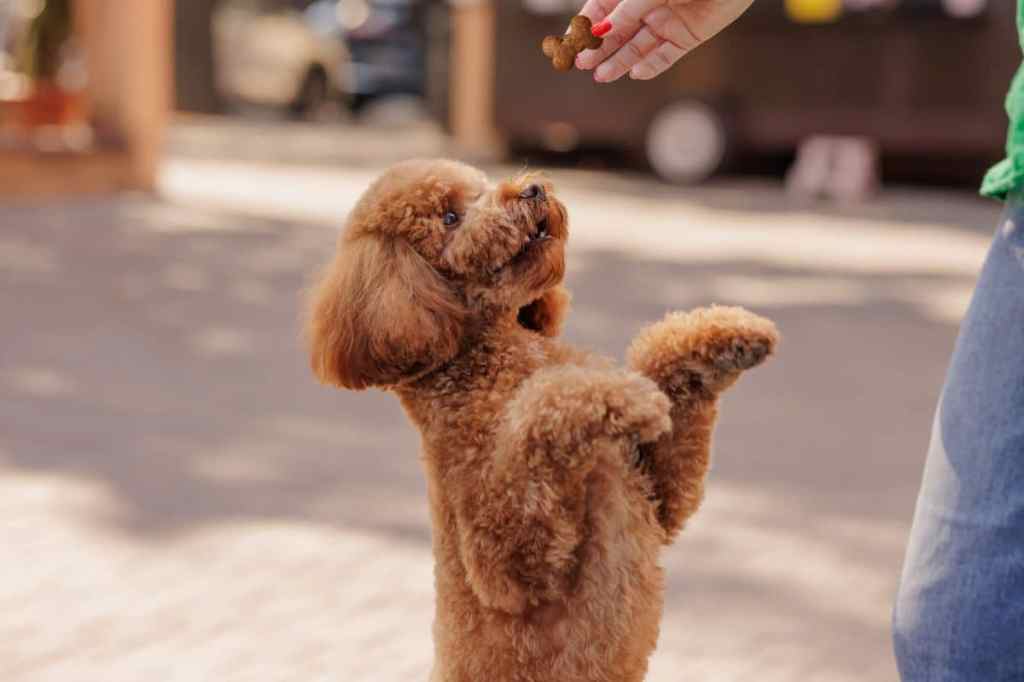
Statistics from veterinary behaviorists reveal an interesting paradox: small dog breeds demonstrate aggression and disobedience more frequently than large working dogs. Why does this happen? The root of the problem lies in human psychology.
When a 90-pound German Shepherd jumps on us, we understand: this is a problem that needs immediate solving. When a 5-pound Toy Terrier jumps on us, it makes us smile. We forgive the little ones for things we would never forgive a Doberman. As a result, a vicious cycle is formed:
- Ignoring boundaries: Owners allow the dog to sleep on their head, eat from the table, and bite hands during play.
- Lack of socialization: Instead of letting the dog get to know the world on its own paws, it is carried in arms.
- Justifying fear: Trembling and barking are perceived as a breed trait, rather than a signal of stress.
However, training small dog breeds is a vital necessity. A trained dog is a dog that stresses less, gets hit by cars less often (because it knows the “Stay” command), and doesn’t provoke fights with larger relatives.
What is “Small Dog Syndrome”?
It isn’t an official medical diagnosis, but a very real behavioral pattern. It arises when owners don’t treat the dog like a dog. Imagine the world through the eyes of a Chihuahua: everyone around you is a giant who constantly grabs you, squeezes you, and lifts you into the air without warning. The animal gets a feeling of total loss of control over the sitaution.
To regain this control, the dog starts to “growl and bite”. If a Yorkie barks and you pick him up to “calm him down”, you are actually reinforcing the aggression. The dog thinks: “Aha, I barked, and I was removed from the dangerous situation. I am the boss, I control the humans.” This is how domestic tyrants are born.
Physiological and Psychological Differences in Training
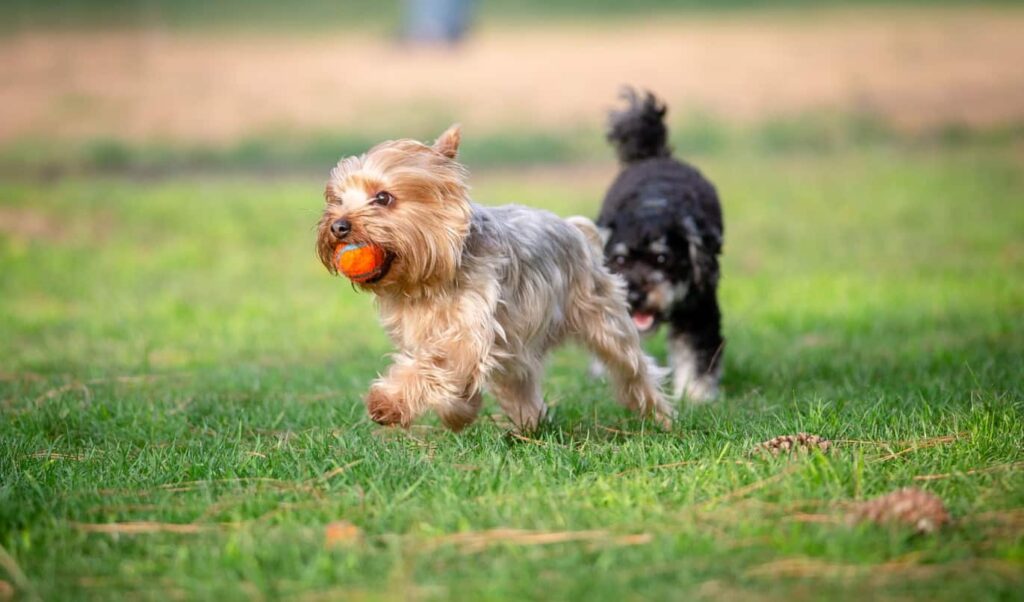
Training a Yorkshire Terrier or a Pomeranian has its technical nuances that distinguish it from working with a Labrador. The main difference is size and metabolic rate.
1. The top-down perspective
For a small dog, a human looming over them is a threat. If you stand at full height and command “Sit”, the little one has to crane their neck back severely, which is physically uncomfortable, or they simply get scared of your silhouette. Tip: get down to the dog’s level. Sit on the floor or kneel. This immediately increases trust.
2. Fast metabolism and stomach size
Small breeds have tiny stomachs. They get full quickly, so using standard treats for training won’t work – the dog will be full after the fifth repetition and lose interest. Use micro-pieces the size of a match head. Food should only be a symbol of reward.
3. Neck vulnerability
Many decorative breeds (Yorkies, Chihuahuas, Pomeranians) are prone to tracheal collapse. Jerks on the leash, which are acceptable for a shepherd, can seriously injure a little one. Be sure to use a harness, not a collar, for training.
Basic Commands Necessary for Safety
Your pet doesn’t necessarily need to know the “Working Dog” standards, but there is a “gold standard” of commands that ensures a comfortable life.
| Command | Why for a small breed? | Typical owner mistake |
|---|---|---|
| “Come” | Safety outdoors. Small dogs are often scared of loud noises and may run away. | Chasing the dog while repeating the command. It turns into a game of tag. |
| “Bed” / “Place” | Controlling emotions when guests arrive. Prevents jumping on people. | Using the crate or bed as a punishment. |
| “Leave it” | Protection from scavenging trash (poisoning is more dangerous for small stomachs). | Yelling instead of clear intonation. |
| “Quiet” | Stopping continuous barking – a frequent problem with terriers and spitz breeds. | Yelling at the dog in response to barking (the dog thinks you are barking along with it). |
Socialization: The World at Your Feet, Not in Your Arms
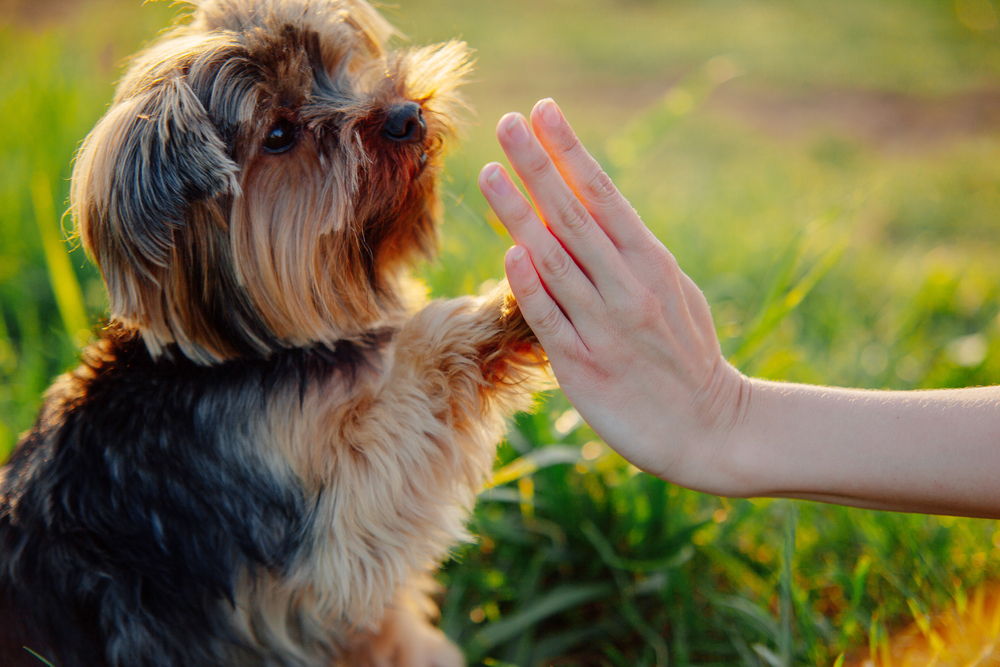
The biggest mistake in raising a Chihuahua and other small dogs is isolation. Owners often avoid contact with other dogs, fearing injury. But without social interaction, the dog becomes hysterical. It seems to them that everything around wishes them harm.
Start introducing the puppy to calm, adult dogs of medium size. Do not pick your pet up at the sight of another dog unless there is real aggression. Let them have a sniff. Your confidence is transmitted through the leash.
Important: If you want your dog to be a full member of society with whom you can go to a restaurant or shop, you need to pay attention to impulse control. Learn how to teach your pet to lie calmly under the table while you drink coffee. This skill will significantly expand your opportunities for joint outings.
Potty Training: Why Is It So Hard?
This is perhaps the most painful topic. Yorkie owners often complain that the dog “marks” corners even in adulthood. There are two aspects here.
Firstly, physiology. They really do have a small bladder and a high metabolism. A Yorkie puppy physically cannot hold it as long as a Labrador puppy. Secondly, it is often a question of dominance or anxiety. If the dog does not feel a leader in the owner, it tries to “mark” the territory to feel safer.
The solution is a clear schedule and restricting space (a playpen) when you cannot watch the dog. A puppy pad is fine, but walks outside stimulate correct social behavior and marking territory “where it is supposed to be”.
Activity for the Mind: A Tired Dog Is a Happy Dog
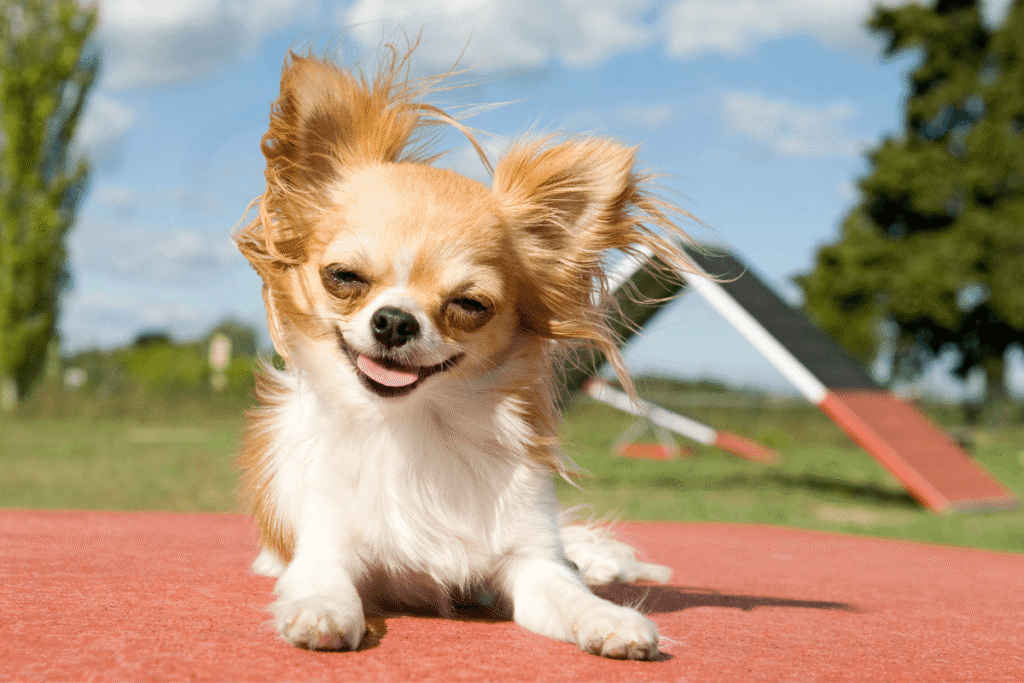
Many people forget that a Yorkshire Terrier is primarily a terrier, a rat hunter. It has a colossal reserve of energy and working instincts. Chihuahuas also possess a high level of intelligence. If you don’t burden these brains, they will find an occupation themselves: chewing baseboards, barking at shadows, or hunting your feet.
Physical walks are often insufficient. Intellectual games are needed. A wonderful option is agility at home. Overcoming obstacles not only physically exhausts the dog but also incredibly raises its self-esteem. “I managed to jump over this barrier! I’m awesome!” – this is the best medicine against fear and insecurity.
A Step-by-Step Action Plan for the Owner
If you have decided that it is time to change the rules of the game and turn your little dictator into a well-mannered gentleman, start with this:
- Set the rules. Decide for yourself: is the dog allowed on the bed? Is begging at the table allowed? The rules must always be the same. You cannot forbid it today becuase you are in a bad mood, and allow it tomorrow because he “looks so cute”.
- Stop “free” love. Affection and treats are currency. The dog must do something to earn them. At least simply sit before you put the food bowl down.
- Ignore unwanted behavior. If the dog jumps on you, turn away. If he barks demanding attention – leave the room. Attention (even negative) is what he craves. Do not give it to him.
- Train in short sessions. 5-7 minutes three times a day is an ideal schedule for training a Yorkshire Terrier. This is better than one hour-long training session once a week.
When Do You Need a Professional?
Sometimes owners face problems that are difficult to solve on their own, especially if the moment was missed at an early age. If your little one shows real aggression (bites until it bleeds, guards food or toys from family members), do not hesitate to contact a dog trainer. There is a myth that trainers only work with shepherds. In fact, a good specialist will help correct the behavior of any dog, regardless of its size.
Remember: love for a dog is not permissiveness. It is care for its mental health and safety. A disciplined Chihuahua is a calm, self-confident animal that does not tremble at every rustle and does not throw itself at passersby. Educate your little ones, because inside every one of them lives a great personality that needs a wise mentor.