

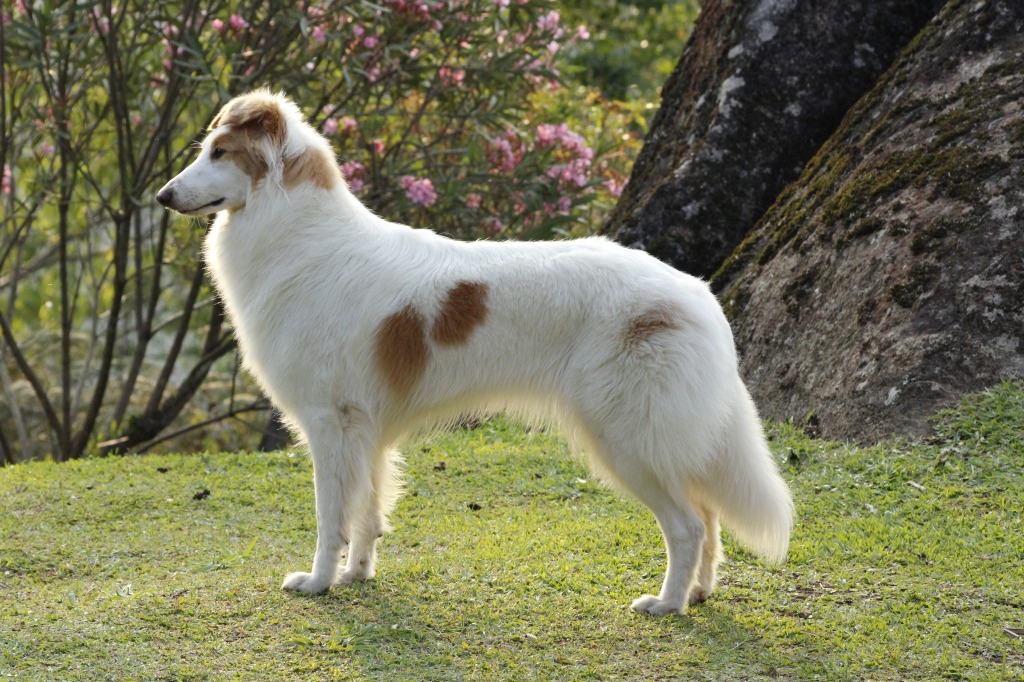
| Height | 55–65 cm |
| Weight | 23–32 kg |
| Lifespan | 12–14 years |
| FCI group | not FCI-recognized (Brazilian herding) |
| Origin | Brazil (Pampas) |
Exact ratings
Common health issues
Nutrition
The Gaucho Sheepdog (Gaucho sheepdog / Ovelheiro Gaúcho) is a breed that embodies the spirit of freedom, endurance, and incredible loyalty. This isn’t just a dog; it’s a living history of the Rio Grande do Sul region, where harsh conditions forged an animal with unique intelligence and working qualities. If you are looking for a reliable companion capable of understanding you without a word, this breed deserves your closest attention. But is this energetic dog right for you? Learn more on Tvaryny.
Origins of the Breed
The history of this breed is inextricably linked to the colonization of southern Brazil. It wasn’t bred in fancy kennels at the whim of aristocrats. No, the Gaucho Sheepdog is a product of natural selection and functional necessity. In the 19th and 20th centuries, European immigrants brought their herding dogs with them. Among the Gaucho’s ancestors, you can find traces of Scotch Collies and the Border Collie, which mixed with local dogs.
Farmers (Gauchos) needed a dog that could manage herds of cattle and sheep over vast territories, protect property from predators, and survive in changing weather conditions. Weak dogs simply didn’t make it. Only the smartest, fastest, and toughest remained. That is exactly how, through the rigorous selection of daily work, the modern look of this breed was formed. Official recognition by the Brazilian Confederation of Cynology (CBKC) was the logical conclusion of a century-long journey.
Appearance and Breed Standards
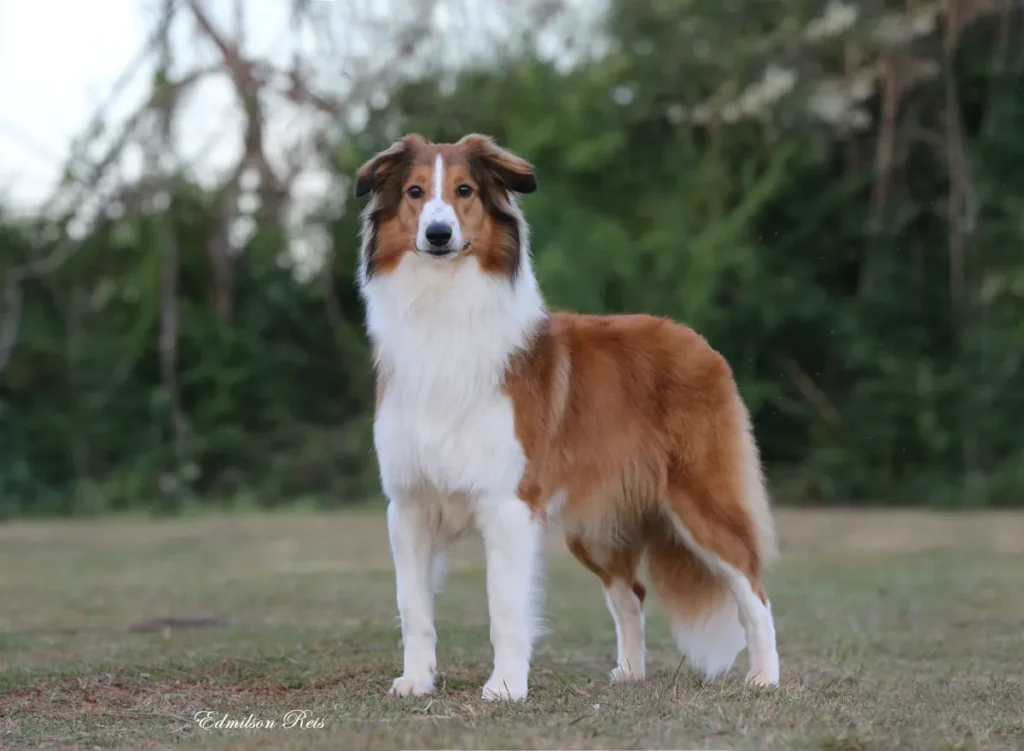
The appearance of the Gaucho Sheepdog immediately gives it away as a working dog. There is nothing superfluous here; every line of the body is aimed at functionality. It is a medium-sized dog, strong but not heavy, allowing it to develope great speed and change direction instantly.
- Head: Wedge-shaped, proportional to the body. The skull is wide, and the transition from forehead to muzzle (stop) is moderate.
- Eyes: Usually almond-shaped, can be different colors, including blue (often found in merle dogs). The gaze is intelligent and attentive.
- Ears: Triangular, set high. Can be erect or semi-erect, very mobile, helping the dog catch the slightest sounds.
- Body: Rectangular format, body length slightly exceeds height at the withers. The chest is deep, indicating a robust cardiovascular system.
- Coat: Has a thick undercoat and medium-length topcoat. The texture may vary, but it always protects the dog well from bad weather.
| Parameter | Males | Females |
|---|---|---|
| Height at withers | 21.5 – 25.5 in | 19.5 – 23.5 in |
| Weight | 55 – 77 lbs | 44 – 66 lbs |
| Lifespan | 13 – 15 years | 13 – 15 years |
Character and Temperament
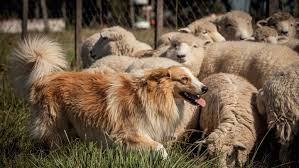
The character of the Brazilian Sheepdog is a combination of high intelligence and inexhaustible energy. They are extremely attached to their owner and ready to follow them everywhere. However, this is not a dog that will just lie on the couch all day. They need work or activity that simulates work.
Family Relations
In the family circle, Gauchos behave calmly and gently. They get along well with kids, often taking them under their wing. However, due to their herding instinct, they may try to “herd” children by lightly nipping at their heels, which needs to be corrected through training.
Guard Qualities
These dogs treat strangers with suspicion. They do not show unprovoked aggression but are always on alert. If the owner or territory is threatened, the reaction will be instant. Gauchos are excellent “doorbells” that will warn of approaching guests long before they reach the door.
Intelligence and Trainability
The Gaucho Sheepdog is considered one of the smartest breeds in its region. They are capable of making independent decisions, which is critical when working with livestock at great distances from the shepherd. This trait makes them similar to their distant relatives; for example, the Border Collie is also famous for its analytical mind, and the Gaucho is no less clever.
They easily learn new commands but can be somewhat stubborn if they don’t see the point in the owner’s actions. Monotonous repetition of the same thing quickly bores them. Training should be varied, interesting, and built on positive reinforcement. Harsh training methods are unacceptable with this breed, as they can lead to a loss of trust or the dog becoming withdrawn.
Working Qualities and Application
The main purpose of this breed is herding livestock. They work with both cattle and sheep. Their working style is characterized by persistence. Gauchos are not afraid to confront even bulls, forcing them to move in the right direction.
Besides herding, they excel in dog sports such as agility, frisbee, or obedience. Their versatility and speed sometimes resemble the qualities possessed by the Lurcher – a type of dog known for its sprinting ability and instant reaction time. If you don’t plan to use a Gaucho for herding, sports will be the perfect way to realize their potential.
Care and Maintenance
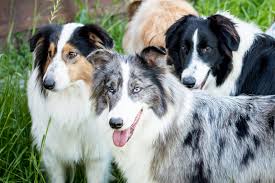
The Gaucho Sheepdog is an undemanding dog, but that doesn’t mean it doesn’t need care. Its “rural” background has made it resistant to many factors, but a responsible owner must know the basic hygiene rules.
- Coat: Requires regular brushing, especially during shedding seasons (spring and fall). Using a slicker brush or a special comb once a week is enough to keep the fur from matting. Frequent bathing is not recommended to avoid washing away the natural protective oil layer.
- Teeth: Regular brushing or using special dental treats will help avoid tartar buildup.
- Claws: If the dog runs a lot on hard ground, the claws wear down on their own. Otherwise, they need to be trimmed once a month.
- Ears: Check ears weekly for dirt or signs of inflammation.
It is important to understand that this breed is not suitable for living in a cramped apartment without proper physical exertion. They need space. In this regard, they differ radically from more fragile breeds, such as the Italian Greyhound, which can feel comfortable in a less active mode and require much more delicate handling due to their refined constitution. The Gaucho is an all-terrain vehicle that needs movement.
Health and Typical Diseases
Diet: What Should Be in the Bowl?
Pros and Cons of the Breed
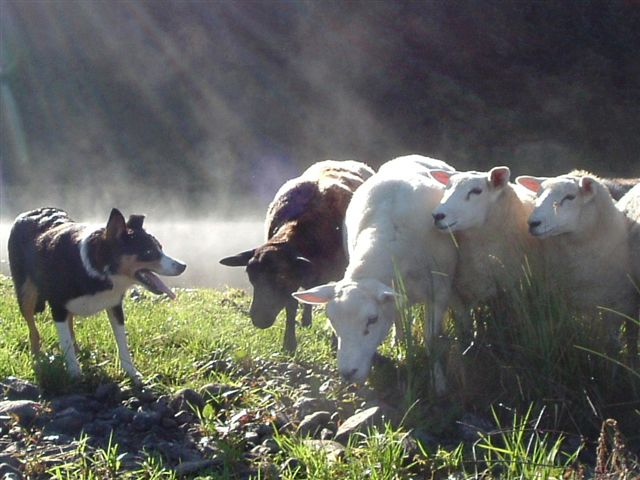
Before getting a Brazilian Sheepdog, it is worth honestly assessing your capabilities. Here is an objective look at the advantages and disadvantages of the breed.
- Pros:
- High intelligence and learning ability.
- Excellent health and endurance.
- Great protective qualities without excessive aggression.
- Low maintenance coat care.
- Strong attachment to the owner.
- Cons:
- Requires a lot of physical activity (not suitable for homebodies).
- Can display stubbornness and independence.
- Tendency to “herd” everything that moves (children, cars, cats).
- Heavy shedding twice a year.
- Requires early socialization to avoid distrust of people.
Interesting Facts About the Breed
- Color Palette: This breed has an incredible variety of colors. There are dogs that are black, white, golden, as well as various merle variations. Each dog looks unique.
- Native and European Heritage: It is believed that not only imported European dogs participated in the formation of the breed but also local primitive dogs that lived with indigenous tribes.
- Universal Soldier: On Brazilian farms, these dogs are often used not only as herders but also as watchdogs for the home and even helpers in hunting small game.
- Late Recognition: Despite the fact that the breed has existed for over a century, the official standard was approved relatively recently, which allowed it to preserve its original working characteristics without the distortions of show breeding.
Frequently Asked Questions (FAQ)
Is this breed suitable for an apartment?
Theoretically, yes, if you are ready to dedicate at least 3-4 hours a day to walks with active games. But the ideal environment for them is a private house with a large territory. In a confined space with nothing to do, the dog may start destroying things.
How do they handle cold and heat?
Thanks to their coat and origin, Gauchos adapt well to different climatic conditions. They feel great in the cool, but in extreme heat, physical exertion should be reduced, and constant access to water and shade ensured.
Do they bark a lot?
Yes, Gauchos tend to use their voice. It’s part of their herding and guarding work. They bark to warn of danger or control the herd. The “Quiet” command should be one of the first you teach.
Is it difficult for a beginner to train a Brazilian Sheepdog?
It can be a challenge. High intelligence means the dog learns quickly, but also quickly learns to manipulate the owner. A novice will need the help of an experienced dog trainer to direct the dog’s energy in the right direction.
Video About the Breed
- An excellent, gentle flock driver
- Clever and easy to train
- Devoted, sociable with the family
- Hardy, robust health overall
- A very high energy level
- Needs work or sport, not for an apartment
- A herding instinct (may “herd” children)
- Rare outside Brazil
| Border Collie | Collie (Rough) | Australian Shepherd | |
|---|---|---|---|
| Height | 48–56 cm | 51–61 cm | 46–58 cm |
| Energy | 5 | 3.5 | 5 |
| Apartment | 2 | 2.5 | 2 |
| Beginners | 2.5 | 3.5 | 2.5 |
Why is the Gaucho called a “Brazilian collie”?
Is the breed suitable for an apartment?
Is the Gaucho aggressive with the flock?
Brazilian herding breed · ALKC (Ovelheiro Gaúcho)
For apartments · For kids · For beginners · Active · Smartest · Hypoallergenic · All rankings →