


The world of dog and cat breeding usually revolves around standards, pedigrees, and shows. However, there is a huge group of animals that don’t fit into any boxes yet remain the most popular companions in the world. These are – mixed-breeds (Mutts / Crossbreeds). A dog or cat with the blood of several breeds flowing through its veins often becomes a mystery for the owner, a “surprise package” from nature that reveals itself gradually. A mixed-breed isn’t just a “stray”; it is a complex biological combination that can give you the most loyal friend with a unique set of qualities. Learn more on Tvaryny.
What is a mixed-breed from a scientific perspective

In a broad sense, a mixed-breed is the descendant of crossing animals of different breeds, or a purebred animal with a non-purebred one. It is important to distinguish between the concept of a “mixed-breed” and an “aboriginal stray animal.” First-generation mixes (when the mom is one breed and the dad is another) often take the best traits from both parents thanks to a phenomenon known as heterosis (hybrid vigor).
Mixed-breed genetcs is an exciting lottery. While in purebred breeding, breeders strive for homozygosity (fixing identical genes to transmit stable traits), heterozygosity rules supreme in mutts. This means predicting the character, size, or coat type of a puppy or kitten with 100% accuracy is impossible. However, this is exactly what often makes them possess more robust health and high adaptability.
Classification of mixes: from accidents to designer decisions

Not all mixed-breeds appear by accident. Modern cynology identifies several categories of mixed breeds:
- Random bred: The result of an unplanned mating. These are the classic “mutts,” whose genotype may contain a mix of dozens of different breeds. They often have a phenotype resembling wild ancestors (prick ears, medium size, curled tail).
- Designer breeds: This is the purposeful crossing of two pure breeds to obtain offspring with certain qualities (for example, the hypoallergenic coat of a Poodle and the character of a Labrador – the Labradoodle).
- Complex mixed-breeds: Descendants of mixed-breeds over several generations. Their genetic code is so mixed that visually identifying ancestors is almost impossible without a DNA test.
Exterior features: unique beauty
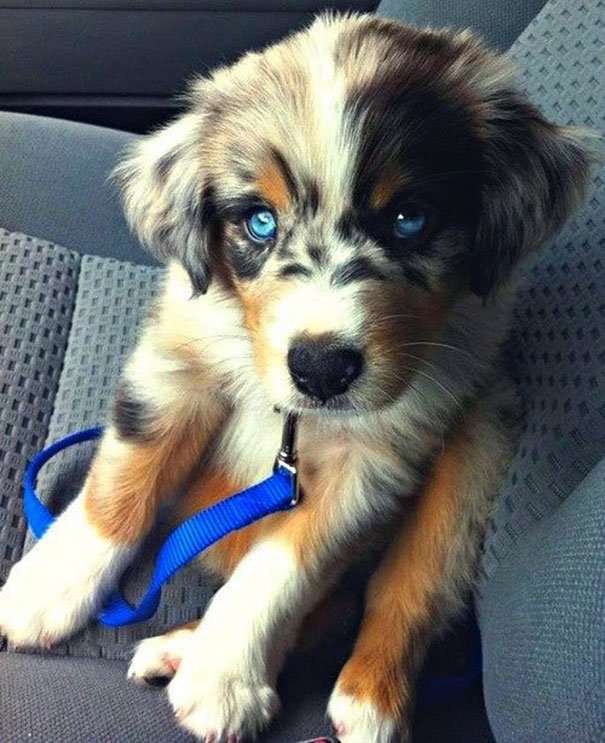
The appearance of a mixed-breed is always a mystery. Puppies are often born looking like one parent, but as they age, the genes of the other “sprout” through. For example, you might pick up a puppy that looks like a shepherd, but it grows into a dog with short fur and floppy ears. Some mixed-breeds are so unique that they resemble rare or ancient breeds, such as the Korean Sapsali or the strong and hardy Sage Koochee, which were formed under the harsh conditions of natural selection.
| Characteristic | Purebred Animal | Mixed-breed |
|---|---|---|
| Size | Predictable (according to standard) | Variable (can only be roughly predicted) |
| Coat type | Standard | Can combine coat structure of both parents |
| Color | Limited by standard | Any, including rare spots and markings |
| Body build | Specific to the breed | Tends toward the “average” biological type (mesomorph) |
Intelligence and temperament
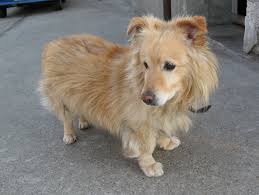
There is a common myth that mutts are smarter than purebred dogs. This statement is partly true, but with nuances. Mixed-breeds, especially those that have passed the “school of survival” on the streets over several generations, possess developed adaptive intelligence. They are cunning, able to adapt to changing conditions, and solve non-standard tasks quickly.
However, if compared with working breeds, the situation changes. For example, the German Shepherd Dog Shorthaired has a genetically ingrained drive for obedience and protection, while a mixed-breed may not have such innate motivation. Its mind is directed more toward its own survival and comfort than following service commands.
Important: A mixed-breed’s character can be a mosaic. The dog may have the hunting instinct of a Spaniel but the independence of a Husky. This requires flexibility in upbringing from the owner.
Health and genetics: the heterosis effect

One of the main advantages of mixed-breeds is considered to be robust health. This is becuase crossing unrelated individuals reduces the risk of recessive genetic diseases, which often plague pure breeds. The absence of inbreeding makes the mixed-breed’s immune system more resistant to infections.
However, one should not assume that a mixed-breed never gets sick. If both parents had, for example, joint dysplasia, the mixed-breed puppy will also be at risk. Comparing with a popular family dog, such as the Labrador Retriever, which is prone to obesity, a Labrador mix might inherit this appetite but possess a lighter bone structure, which will lead to musculoskeletal problems if overfed.
Training and upbringing
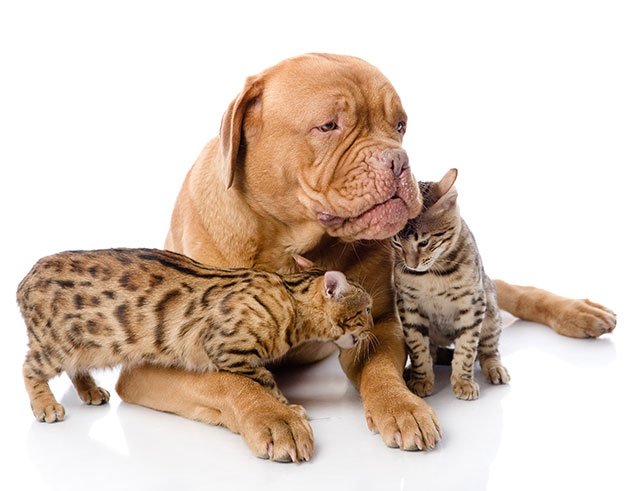
The approach to training a mixed-breed must be individual. Cookie-cutter methods written for specific breeds won’t work here. You will have to become a researcher to understand what motivation works best: food, a toy, or social praise.
Unlike the Chihuahua, which is sometimes forgiven upbringing errors due to its size, a medium or large mixed-breed requires a clear hierarchy and socialization. Mixed-breeds often have a higher level of empathy. They read the owner’s emotional state perfectly. If you are nervous, the dog may start behaving destructively or show aggression out of fear.
| Type of Mixed-breed (probable ancestors) | Recommended Activity | Training Difficulty |
|---|---|---|
| Terrier + Mutt | Agility, coursing, search games | Medium (requires patience) |
| Shepherd + Mutt | Obedience, protection, frisbee | Low (catches on quickly) |
| Molosser + Mutt | Weight pulling, long calm walks | High (can be stubborn) |
Nutrition and care

Mixed-breeds are generally not picky eaters. Their digestive system, hardened by evolution, is capable of digesting a variety of food. However, this does not mean they can be fed leftovers from the table. A balanced diet is the key to longevity.
Special attention should be paid to the coat. In mixed-breeds, it can be of a combined type: soft undercoat, which is prone to forming mats, and harsh guard hair. Regular brushing is necessary not only for beauty but also for skin health.
Pros and cons
Advantages
- Uniqueness: You will never meet an exact copy of your dog on the street.
- Price: Usually, mixed-breeds are available for a nominal fee or for free (except for designer breeds).
- Health: Lower susceptibility to hereditary diseases thanks to the widening of the gene pool.
- Longevity: Statistically, mixed-breeds live 1-2 years longer than their purebred relatives of similar size.
Disadvantages
- Unpredictability of size: A small fluffy ball can grow into a 90-pound giant.
- Behavioral surprises: A combination of conflicting instincts is possible.
- Absence of history: If you adopt a mixed-breed from a shelter, it is often unknown what psychological traumas it might have suffered in childhood.
Interesting facts about mixed-breeds
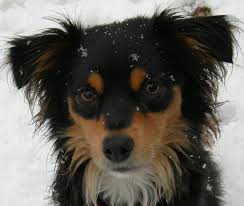
- Cosmonauts: The most famous space dogs, Belka and Strelka, were ordinary street mutts. Scientists chose them precisely because of their stable psyche and endurance.
- Unique smell: Studies show that some mixed-breeds have a better sense of smell than their purebred parents, thanks to a more complex structure of receptors obtained as a result of mixing genes.
- Sports: In agility and flyball competitions in the “mixed breed” class, results are often demonstrated that surpass the performance of Border Collies.
Frequently asked questions about mixed-breeds

Is it true that mixed-breeds live longer?
Yes, statistics confirm that the average life expectancy of mixed-breeds is 1.2 years higher than that of purebred dogs of the same size. This is linked to a lower concentration of hereditary diseases.
Can you predict the character of a mixed-breed puppy?
Only partially. You can conduct a “Campbell test” for puppies to determine the type of nervous system (choleric, sanguine, etc.), but specific working qualities may manifest later.
How does a mixed-breed differ from a mutt?
Technically – in no way, if we are talking about a lack of breed. But the term “mixed-breed” is more often used to denote a cross between two specific breeds (for example, a Shepherd and Labrador mix), while a “mutt” or “mongrel” is a dog whose ancestors were non-purebred for many generations.