


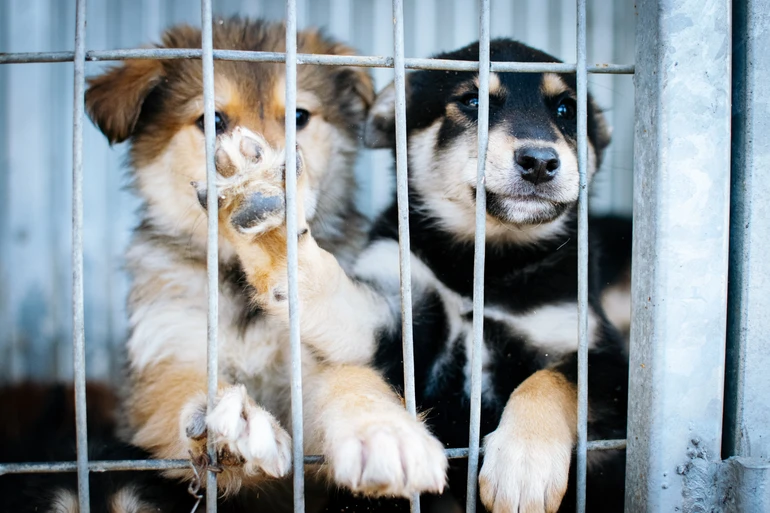
You’re standing in front of the kennel. You look into those big, hopeful eyes. Your heart aches with the desire to take this furball home. At the same time, your brain keeps whispering about hundreds of possible problems. Diseases, ruined furniture, and stress. This is a completely normal reaction. It’s familiar to anyone who has ever thought about rescuing an animal. Here at tvaryny.com, we constantly break down the nuances of choosing a pet. After all, this decision will irreversibly change both of your lives. In my 15 years of veterinary practice, I’ve seen thousands of incredible healing stories. I’ve also witnessed tears of disappointment due to a lack of preparation for reality. Let’s put aside the extra emotions. Let’s calmly figure out what’s true and what’s just a harmful stereotype.
Sweet myths that hold us back from taking the leap
A huge amount of prejudice surrounds the topic of adoption. These misconceptions act like an invisible wall. They scare potential owners away from a wonderful experience. Most often, people genuinely fear that an adult animal will never be able to love them. They think a deep bond can only form during the puppy or kitten stage.
This is a massive mistake. I disprove it every single day in my clinic. An animal’s psyche is an incredibly flexible thing. The gratitude of a rescued pet who finally feels warmth and safety knows no bounds. Another popular myth is that all shelter animals are chronically ill.
In reality, most pets end up on the street due to human circumstances. Moving, sudden allergies, or financial crises of previous owners. These are the main reasons for their homelessness. Let’s examine the most common fears under the microscope of facts.
- The myth of aggression. Aggression is usually just a defensive reaction to intense fear. When an animal enters a stable and safe environment, its “aggression” fades away without a trace.
- The myth of being untrainable. Adult dogs and cats learn new behavioral rules exceptionally well. They just need a little time. They need to understand your expectations and tone of voice.
- The myth of “bad” genetics. Mixed-breed animals often have a much stronger immune system. Natural selection makes them more resilient to many hereditary diseases. Even if you’re looking for a specific purebred like the Norwegian Buhund, you can sometimes find them or similar mixes waiting for a home in rescues.
The bitter truth: what you really need to prepare for
Adoption isn’t a picture-perfect Hollywood movie. On screen, everything is flawless the second the dog crosses the threshold. In real life, the first few days will be extremely stressful for both of you. You will definately face some unexpected surprises.
For example, digestive issues happen quite often. This occurs due to a sudden change in diet. It can also be triggered by the animal’s severe anxiety. It’s critical to approach feeding with a cool head. Many new owners immediately buy the most expensive food. They study premium diets and try to give their new buddy the absolute best.
However, such sudden changes only put a massive extra strain on the stomach. During the first few weeks, I strongly recommend sticking to the base food. Feed them exactly what they ate at the shelter. Transitioning to a higher-quality diet needs to be done gradually. Stretch this process out over 7 to 10 days.
Behavioral surprises in the first few days
Mentally prepare yourself for the fact that your new family member might hide under the couch for days. This is especially true for felines, and if you’re drawn to cat breeds with unusual eye shapes, those big exotic eyes will likely be peeking out from the shadows at first. They might refuse the tastiest treats. They could suddenly leave a puddle right in the middle of the rug. This isn’t revenge, spite, or a bad personality. It’s just body language.
This is the animal’s way of screaming: “I am terrified, and I have no idea what’s going to happen next!” Give them their personal space. Don’t forcefully pull them into your arms for a hug. Imagine being suddenly teleported to an alien planet surrounded by giants. You would instinctively hide in the darkest corner too.
Patience is the most important medicine you can offer your new friend. It can heal those invisible wounds that no X-ray machine will ever show.
Anatomy and psychology of adaptation (the 3-3-3 rule)
Over years of continuous veterinary practice, I’ve seen the effectiveness of the “rule of threes”. This concept helps owners lower their own expectations. It also gives the pet a legitimate timeline to decompress. Physiologically, a dog or cat’s brain needs alot of time to lower cortisol levels.
Cortisol is the stress hormone. As long as it’s pumping through their blood, the nervous system is overloaded. In this state, a furry friend is physically incapable of learning properly. They also can’t fully relax. The acclimation process can be clearly broken down into stages.
| Stage of adaptation | Physiological and emotional state | Typical behavior | Correct owner actions |
|---|---|---|---|
| First 3 days | Peak stress levels, hormonal shock. | Constantly hides, eats little, sleeps a lot, or acts very restless. | Provide absolute quiet. Do not force attention; place food bowls near their hiding spot. |
| First 3 weeks | Gradual decrease in cortisol, basic exploration of the new territory. | Cautiously begins to show interest in surroundings, tests the boundaries of what is allowed in the house. | Establish a strict feeding and walking schedule. Start gently teaching basic house rules. |
| First 3 months | Complete stabilization of the nervous system, feeling at home. | Deep bond forms, true character and temperament are revealed. | Enjoy the interaction. Expand socialization, engage in active playtime. |
Health of shelter pets: a vet’s perspective
Many potential pet parents are genuinely afraid of hidden infections or parasites. The risk is real. However, it’s completely manageable with modern medical protocols. Most responsible shelters adopt out animals that are already prepped for home life.
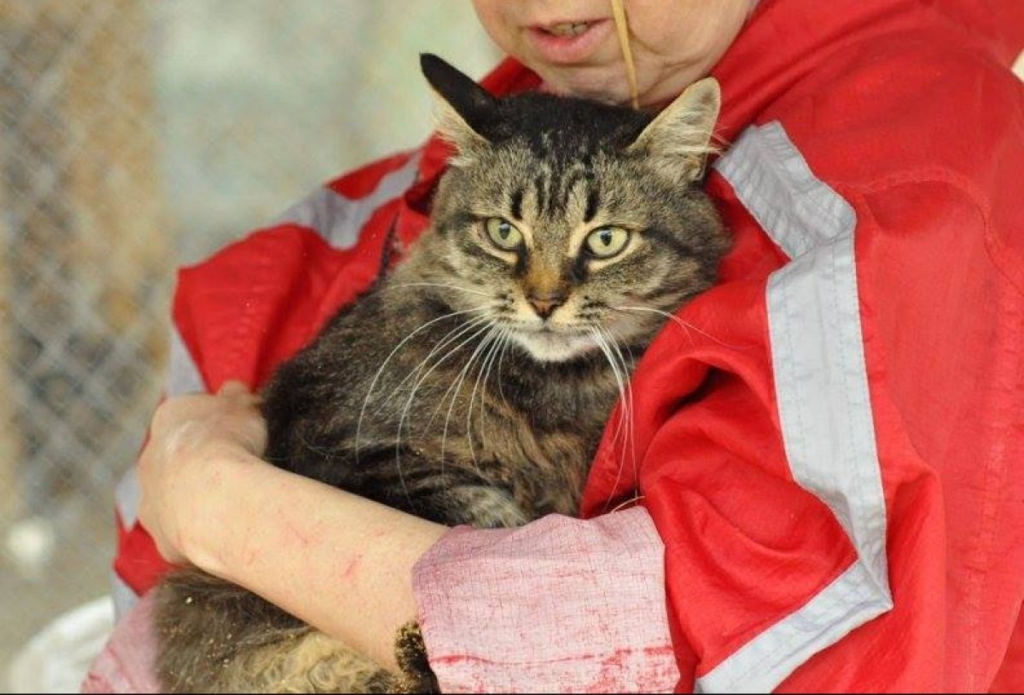
They should be vaccinated, treated for internal and external parasites, and microchipped. Vaccination is like a reliable bulletproof vest for your pet’s immune system. It doesn’t guarantee your pet will never get sick. But it does provide solid protection against the most terrifying, deadly viruses.
Make sure to ask the shelter staff for the vet records. Carefully check the dates of the most recent flea, tick, and deworming treatments. If this info is missing for any reason, you’ll need to handle the procedure yourself. Do this only after consulting your primary vet. I strongly advise against self-medicating your pet.
Specifics of caring for puppies and kittens
Babies require a much more delicate approach. Their immune system is still actively developing. Because of this, they are significantly more vulnerable to any stress or hypothermia.
If you’re bringing a very young critter home, make sure the rooms are warm. Check for drafts near the floor. Their metabolism runs fast, and they burn energy at lightning speed. Therefore, it’s critical to stick to a frequent feeding schedule with portions that match their weight.
Practical steps before heading to the shelter
Properly preparing your home is half the battle for a successful transition. Before bringing your pet home, you must create a completely safe environment. Carefully move small swallowable objects out of reach. Tuck away electrical cords and toxic houseplants.
Create a designated “safe zone”. This should be a cozy, dimly lit area where the pet won’t be bothered. Warn all family members, especially kids, that the pet is off-limits when they are in this zone. It is their personal, untouchable fortress.
- Buy the essential gear. You’ll need a sturdy collar with an ID tag, a comfortable anatomical harness, and a strong leash. Retractable leashes are strictly forbidden during the early stages of adaptation. They only teach a dog to pull.
- Find a reliable vet. Schedule a routine wellness exam for the first few days after adoption. This will help you evaluate their overall physical condition.
- Build a pet first-aid kit. Stock it with pet-safe absorbents for upset stomachs. Don’t forget alcohol-free antiseptics and bandages.
Walks in harsh weather conditions
If you plan on adopting a dog during the colder months, keep city walking conditions in mind. Modern winter streets are a highly aggressive chemical environment for sensitive dog paws. Ice, snow, and rock salt can cause serious damage.
You should research ahead of time how to properly protect your dog’s paws from de-icing chemicals and frostbite. Chemical burns on paw pads and between toes take an incredibly long time to heal. They are also extremely painful. Special paw wax or high-quality dog booties will be your best friends during this season.
Understanding body language: how to “listen” with your eyes
To become a true friend to a rescue animal, you need to learn how to read their non-verbal cues. Animals are constantly “talking” to us through ear position, tail wags, and muscle tension. If you see a dog licking its lips for no reason, yawning, or turning its head away – these are clear calming signals.
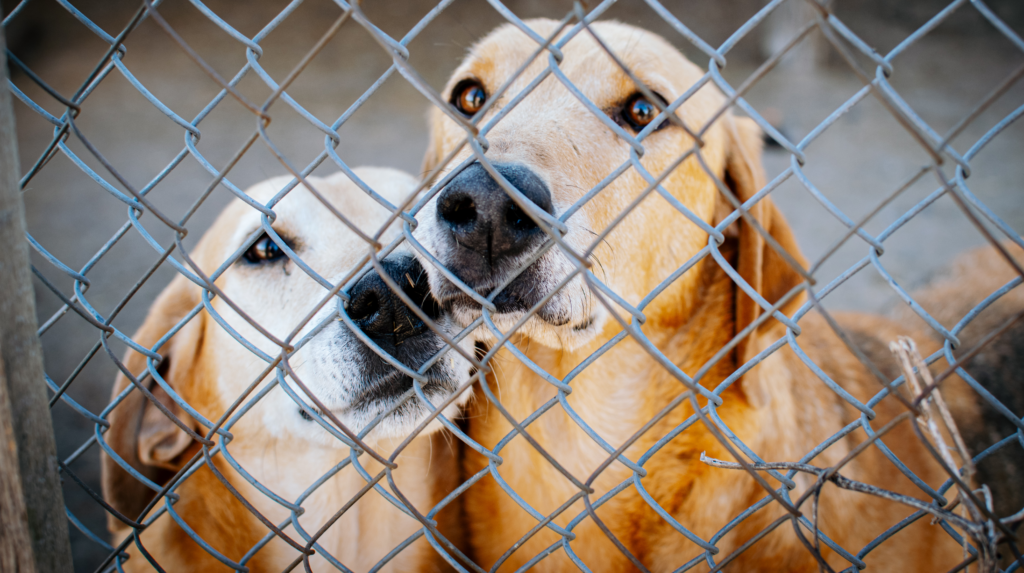
This is their way of showing discomfort. They are asking you to stop whatever is happening right now. Cats, on the other hand, express stress by nervously twitching the tip of their tail. They might also pin their ears flat against their head. Do not ignore these requests for distance.
- Signs of relaxation: Fluid movements, half-closed eyes. A dog will stretch its back legs out when lying down. A cat will slowly blink while looking at you.
- Signs of anxiety: Excessive vocalization (barking, meowing). Heavy panting with an open mouth (this is a critical red flag for cats). A tightly tucked tail.
- What to do during a panic: Don’t fuss or hover. Sit nearby, but don’t lean over them. Speak in a quiet, monotonous tone. Offer a high-value treat, but don’t force them to take it.
Conclusion: a journey worth every step
Bringing home a shelter pet is a very serious step. It demands genuine emotional maturity and a huge sense of responsibility. It’s a long road. Along the way, there will inevitably be chewed-up slippers, puddles on your favorite rug, and moments of deep frustration. You will doubt your decision, and that is completely normal too.
But eventually, that magical day will come. The day when this rescued furball calmly rests their head on your lap. They’ll let out a heavy sigh of absolute safety. In that exact moment, you’ll realize all the sleepless nights and hard work weren’t in vain. You didn’t just change the fate of one specific animal. You saved their entire universe. Be patient, don’t hesitate to reach out to professionals, and believe in the process. Your love has the power to heal even the deepest wounds.