

Fleas and ticks at a glance
- Treat your dog with modern products (chewables, spot-on drops or a collar). The CAPC recommends year-round prevention across the U.S., not just in summer.
- Ticks in America transmit Lyme disease, ehrlichiosis, anaplasmosis and Rocky Mountain spotted fever — some of which also affect people.
- Check your dog after every walk; remove any tick as soon as possible (the risk of infection is lowest within the first 24 hours).
- Fleas live in the home too — treat bedding and the house, not just the dog, or the infestation will return.
Fleas and ticks are among the most common external parasites in dogs — and in the United States they are far more than a nuisance. They cause intense itching and flea-allergy dermatitis, and ticks can transmit serious, sometimes life-threatening diseases to both dogs and their owners. This guide explains how to prevent and control fleas and ticks effectively, which products work best, and exactly what to do if you find parasites on your dog.
Why are fleas and ticks dangerous for your dog?
Beyond constant scratching, these parasites carry real medical risks:
- Flea-allergy dermatitis (FAD) — the most common skin allergy in U.S. dogs, triggered by flea saliva.
- Tapeworms — a dog that swallows an infected flea while grooming can develop a tapeworm infection.
- Tick-borne diseases — Lyme disease, ehrlichiosis, anaplasmosis and Rocky Mountain spotted fever are widespread, especially in the Northeast, Upper Midwest and Southeast.
- Anemia — heavy flea infestations can cause dangerous blood loss in puppies and small dogs.
The flea life cycle: why a comprehensive approach is essential
Only about 5% of a flea problem is the adult fleas you see on your dog — the other 95% (eggs, larvae and pupae) is hidden in carpets, bedding and floor cracks. That is why treating the dog alone fails: eggs keep hatching for weeks. Effective control means treating the pet and the environment at the same time, and continuing long enough to break the cycle.

Tick season and the risk of infestation
In much of the U.S., ticks are active from early spring through late fall, but in warm southern states (Florida, Texas, the Gulf Coast, California) they stay active year-round. Warming winters are also extending the season northward. Because of this, U.S. veterinarians and the Companion Animal Parasite Council now recommend continuous, year-round protection rather than seasonal treatment.
Key methods of prevention
A reliable defense combines several measures:
1. Regular use of modern parasite preventives
Give a monthly or 12-weekly chewable, apply spot-on drops, or fit a long-acting collar — on a strict schedule with no gaps. Consistency is what keeps protection effective.
2. Careful, regular coat inspections
After walks in grass or woods, run your hands over your dog and check the ears, neck, armpits, groin and between the toes — the spots ticks prefer.
3. Keeping the home and yard clean
Vacuum floors and furniture often, wash bedding hot, and keep the lawn mowed and leaf-free to reduce tick habitat around the house.
4. Limiting contact with wildlife and strays
Deer, rodents and stray animals bring ticks and fleas into yards and parks — discourage them and keep your dog from investigating dens and tall brush.
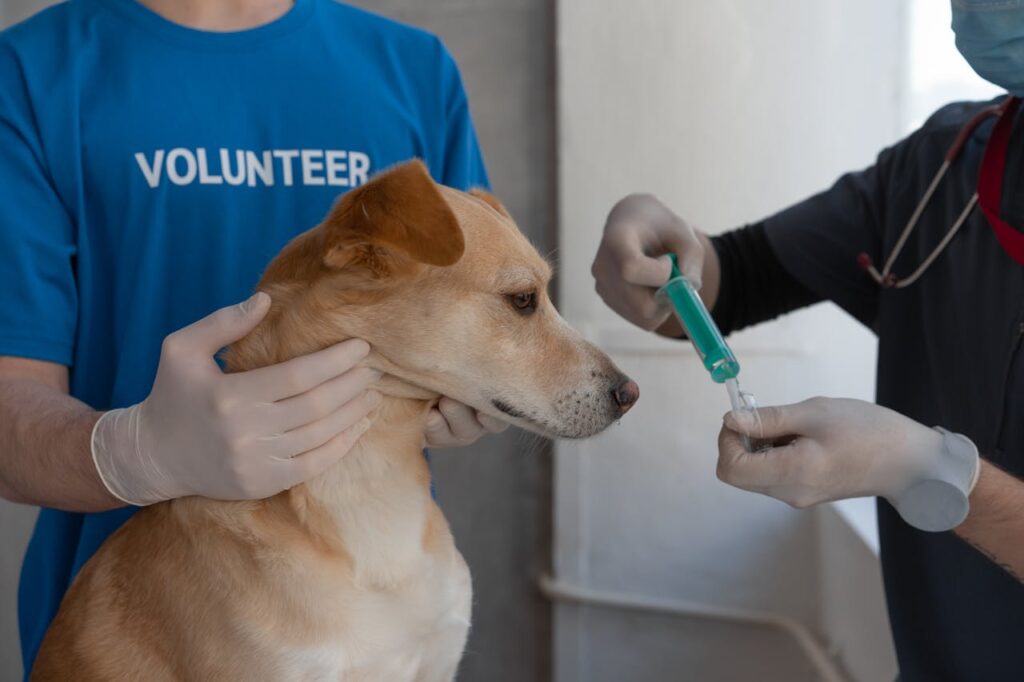
Overview of the most effective flea and tick products
In the U.S., the main options are:
- Oral chewables — NexGard, Bravecto, Simparica Trio and Credelio; convenient and unaffected by bathing or swimming.
- Spot-on treatments — Frontline Plus and K9 Advantix II applied to the skin between the shoulder blades.
- Collars — Seresto provides up to 8 months of flea and tick protection.
- Fast knock-down — Capstar tablets kill adult fleas within hours for a heavy infestation.
| Product form | How it works | Protection | Best for |
|---|---|---|---|
| Oral chewable | Works through the bloodstream | 1–3 months | Dogs that swim or are bathed often |
| Spot-on drops | Spreads in the skin’s oils | About 1 month | A simple monthly routine |
| Collar | Releases the active slowly | Up to 8 months | Long-term, low-maintenance cover |
| Fast-acting tablet | Kills adult fleas within hours | About 24 hours | Knocking down a heavy infestation |
Many of the most effective products are prescription-only, so choose with your veterinarian — the right pick depends on your dog’s weight, age, health and the parasites common in your region. Never use a dog product on a cat.
A step-by-step plan when you find parasites
If your dog already has fleas or a tick, act methodically:
- Remove ticks promptly with fine tweezers or a tick hook, grasping close to the skin and pulling straight out without twisting.
- Treat the dog with a vet-recommended product to kill remaining fleas and ticks.
- Treat the environment — wash all bedding hot, vacuum thoroughly (throw out the bag), and use a home flea spray or fogger if needed.
- Repeat and stay on schedule for at least 3 months to clear every stage of the flea life cycle.
- Watch for illness — fever, limping, lethargy or loss of appetite in the weeks after a tick bite warrant a vet visit.

Common mistakes dog owners make
- Treating only in summer and stopping in winter, leaving gaps ticks exploit.
- Treating the dog but not the home, so eggs keep re-infesting the pet.
- Under-dosing by guessing the dog’s weight instead of weighing it.
- Using cheap or expired products, or a cat product on a dog (or vice versa).
- Twisting or crushing an attached tick, which raises the risk of disease transmission.
FAQ: answers to frequent questions
Does my dog need flea and tick treatment in winter?
Yes. Fleas thrive indoors year-round, and in warm states ticks never fully stop. The CAPC recommends year-round prevention nationwide, so most U.S. vets advise not to pause treatment in winter.
Are flea and tick products safe for puppies?
Yes, if you use a product licensed for your puppy’s age and weight — some start at 8 weeks or 4 lbs. Always check the label and confirm with your veterinarian before treating a young puppy.
Should I bathe my dog before applying spot-on drops?
If you bathe, do it 24–48 hours before a spot-on so the skin’s natural oils return, which helps the product spread. Oral chewables aren’t affected by bathing at all.
How often should I check my dog for ticks?
After every walk in grass or woods, and at least daily in peak season. Prompt removal within the first 24 hours greatly lowers the risk of Lyme disease and other infections.
Conclusion
An integrated, consistent approach is the key to protecting your dog from fleas and ticks. Combine year-round preventives chosen with your veterinarian, frequent coat checks, a clean home and yard, and prompt action when parasites appear. Do that, and you’ll give your dog a healthy, active and happy life, free from the threat of external parasites.