


Does this sound familiar? Your black clothes instantly turn into a fuzzy sweater, your couch is covered in a fine layer of fur, and clumps of pet hair roll across the floor like tumbleweeds in a Western movie? If so, you’re not alone. Shedding is a natural process for most dogs and cats, but sometimes it feels like a full-blown “fur-pocalypse.” Luckily, there are effective ways to get this process under control. Let’s break down exactly how, and much more, right here on Tvaryny.
In this article, we’ll dive deep into why excessive shedding happens in dogs and cats, how to tell the difference between normal shedding and a concerning symptom, and offer a comprehensive strategy combining proper grooming and a balanced diet. Your goal isn’t just a clean home, but also a healthy and happy pet.
Shedding: When It’s Normal, and When It’s a Red Flag
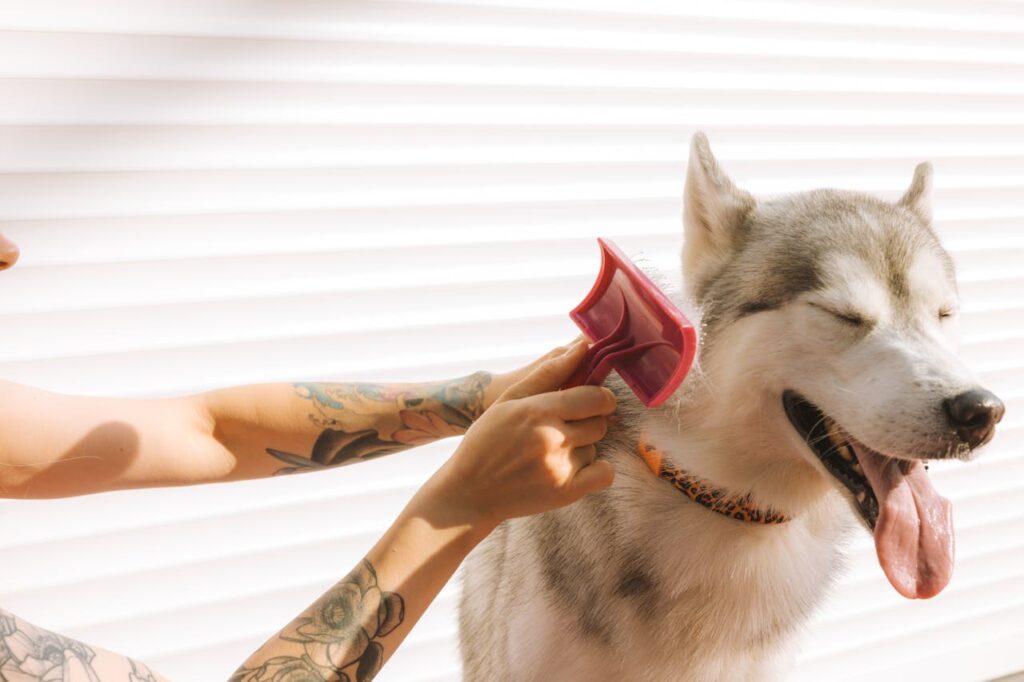
First and foremost, it’s important to understand that shedding is a completely normal physiological process. Just like human hair, pet fur has its own life cycle. Old hairs fall out, and new ones grow in their place.
- Seasonal Shedding: This most often occurs twice a year—in spring and fall. In the spring, animals shed their thick winter undercoat to prepare for warmer weather. In the fall, conversely, they shed their summer coat to grow a warm “winter coat” for the colder months. During these periods, the amount of shed hair increases significantly, and that’s perfectly normal.
- Year-Round Shedding: Pets that live exclusively indoors with stable temperatures and artificial lighting might shed a little bit throughout the entire year, as their biological rhythms can get a bit out of sync.
However, if you notice that shedding has become excessively intense, doesn’t stop, or if bald spots, redness, or dandruff appear on your pet’s skin—that’s a warning sign. This could indicate underlying health problems that need your attention and, potentially, a vet’s consultation.
Main Causes of Excessive Pet Shedding
If seasonal fluctuations are ruled out and fur continues to fall, it’s worth looking into the possible reasons for your pet’s shedding. Most often, they stem from one of the following factors:
1. Unbalanced Nutrition
This is the most common cause of coat problems. Cheap, economy-class foods, table scraps, and a lack of essential vitamins and minerals—all of these immediately impact the condition of the skin and fur. The coat becomes dull, brittle, and starts shedding heavily.
2. Stress and Anxiety
Yes, pets get stressed too! Moving to a new home, the arrival of a new family member or another pet, loud noises (construction, fireworks), or loneliness—all of these can trigger increased hair loss.
3. Health Issues
- Parasites: Fleas, ticks, and mites cause itching. The animal constantly scratches itself, damaging its skin and hair follicles.
- Allergies: Food allergies (for example, to chicken or grains) or atopic dermatitis (a reaction to pollen or dust mites) often manifest as skin and coat problems.
- Hormonal Imbalances: Thyroid problems (hypothyroidism) or an imbalance of sex hormones can lead to symmetrical baldness and heavy shedding.
- Fungal and Bacterial Infections: Dermatophytosis (ringworm) and bacterial pyoderma can destroy the structure of the fur and skin.
4. Improper Grooming
Bathing too often or, conversely, too rarely, using unsuitable shampoos (especially human ones!), or neglecting regular brushing—all of these can disrupt the skin’s natural protective layer and trigger shedding.
A Comprehensive Approach: Your Action Plan as a Pet Owner
Dealing with excessive shedding is a marathon, not a sprint. The best results come from combining proper care and dietary adjustments.
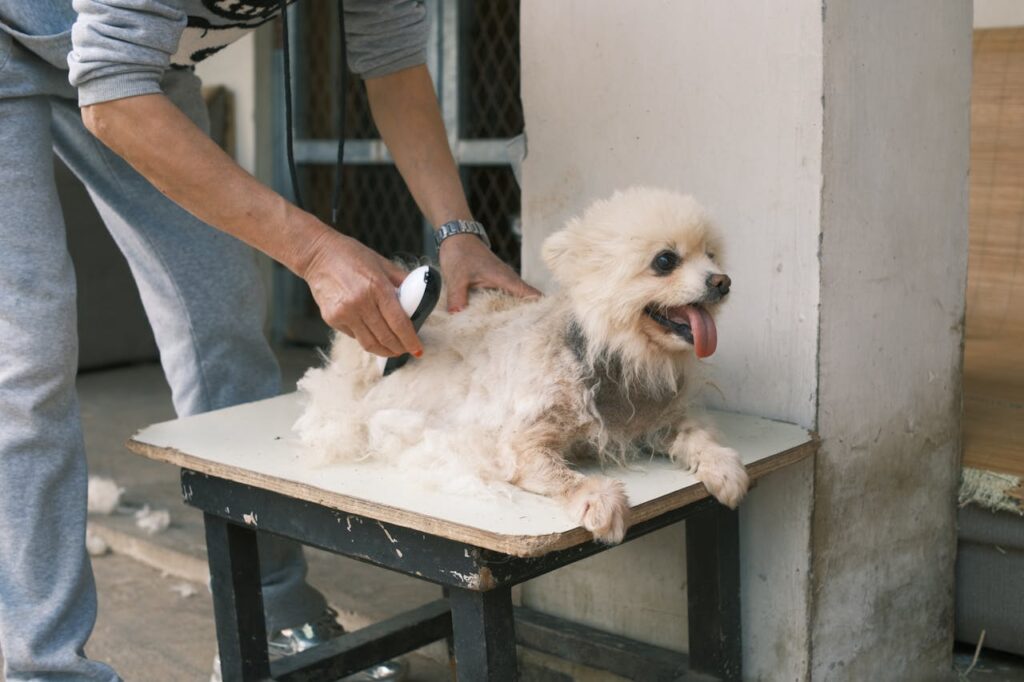
Part 1: Ideal Coat Care for Your Dog or Cat
Regular grooming is your best friend. It doesn’t just remove dead fur, keeping it from flying around your home, but also stimulates blood circulation in the skin and promotes the growth of new, healthy fur.
A Guide to Grooming Tools:
- Slicker Brush: A brush with thin metal bristles. Ideal for long-haired pets and those with a thick undercoat (Collies, Pomeranians, Maine Coons). It’s great for detangling mats and removing dead undercoat.
- Furminator (Deshedder): A tool with a special blade that effectively “combs out” dead undercoat without damaging the outer guard hairs. It’s a real lifesaver during seasonal shedding. It’s crucial to use it correctly, without heavy pressure, and no more than 1–2 times a week. It’s not suitable for pets without an undercoat (Poodles, Yorkies).
- Comb with varying tooth spacing: A versatile tool for untangling knots and for the final “polishing” of the coat after the main brushing.
- Rubber Curry Brush/Glove: A wonderful choice for short-haired pets (Labradors, French Bulldogs, most short-haired cats). It gently collects dead hairs and massages the skin.
How often should you brush?
For short-haired pets—1-3 times a week. For long-haired pets—daily or every other day to prevent matting. During periods of active shedding, you can increase the frequency.
Part 2: Nutrition for Healthy Fur
The beauty and health of your pet’s fur start from the inside. Make sure your beloved companion is getting all the nutrients they need for strong, shiny hair.
Nutrition Checklist:
When choosing pet food, always read the ingredients carefully. Look for the following components, which are critically important for healthy skin and fur:
- ✅ High-quality Protein: Fur is 95% protein (keratin). The source should be meat or fish, not plant-based by-products. These should be listed first in the ingredient list.
- ✅ Omega-3 and Omega-6 Fatty Acids: These are the “gold standard” for healthy skin. They reduce inflammation, moisturize the skin, and make the fur shiny. Look for fish oil, salmon oil, or flaxseed oil in the ingredients.
- ✅ Biotin (Vitamin H): One of the key vitamins for shedding. It strengthens the hair structure.
- ✅ Zinc: An important mineral for skin cell regeneration. Its deficiency often leads to hair loss and crust formation.
- ✅ B Vitamins: Promote healthy metabolism in skin cells.
- ✅ Vitamin E: A powerful antioxidant that protects skin cells from damage.
If you’re unsure about the quality of your pet’s food, consult a veterinarian or a pet nutritionist. Sometimes a vet might recommend specialized veterinary diets or additional vitamin supplements to improve coat condition. A typical vet visit in the U.S. for a basic check-up usually costs between $50 and $250, but this can vary depending on the clinic and location.
“Red Flags”: When to See a Vet Immediately?
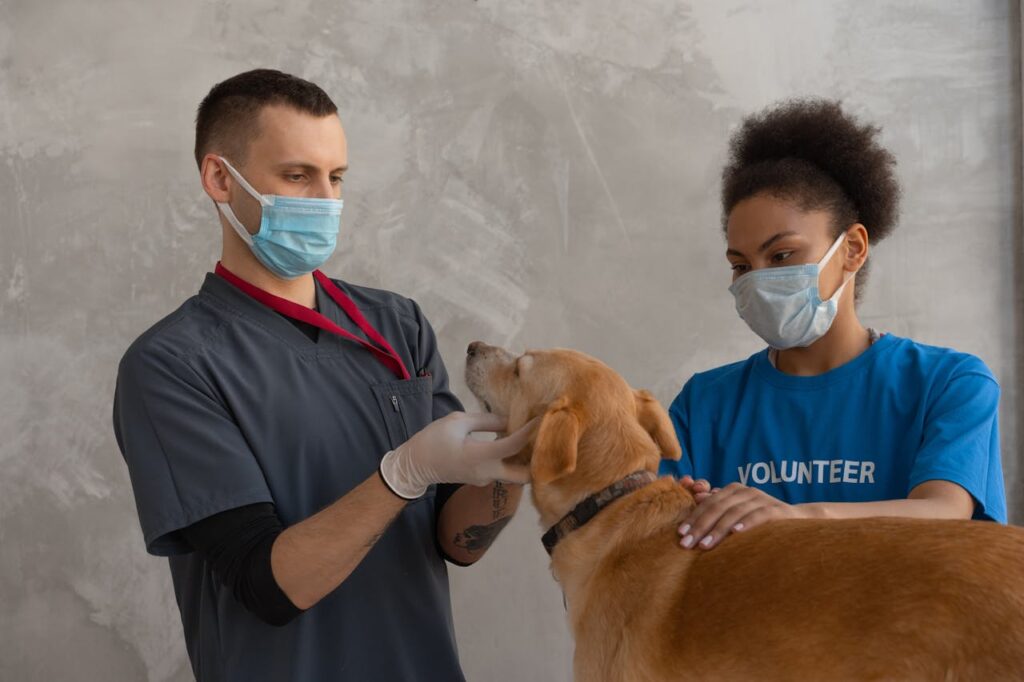
While DIY care and dietary adjustments are great, there are situations where you simply can’t do without professional help.
Symptoms you shouldn’t ignore:
- Severe, continuous itching that causes the animal to scratch itself raw.
- The appearance of full or partial bald spots (alopecia), especially symmetrical ones.
- The skin has become red, inflamed, with ulcers, pus, or weeping areas.
- A large amount of dandruff, “flakes” in the fur.
- An unpleasant odor from the skin or fur.
- Shedding is accompanied by behavioral changes: lethargy, refusal to eat, increased thirst.
These signs almost always indicate a systemic illness that requires diagnosis and professional treatment.
Conclusion: The Path to Harmony and a Clean Home
Dealing with excessive shedding in your dog or cat is more than just cleaning. It’s comprehensive care that demonstrates your love and devotion. Let’s summarize the key steps:
- Assess the situation: Determine if shedding is seasonal or a persistent problem.
- Organize regular grooming: Choose the right tools and brush your pet consistently.
- Review their diet: Invest in high-quality food rich in protein and Omega fatty acids.
- Monitor their health: Don’t ignore worrying symptoms and seek veterinary advice promptly.
Remember, a shiny, healthy coat is a reflection of your four-legged friend’s overall health. And a clean home with no fur on your clothes is a nice bonus to your dedicated care.