


Imagine this scenario: your beloved dog, always active and cheerful, suddenly becomes lethargic and refuses to eat. Or your cat, playing around, makes a clumsy jump from the bookshelf and starts limping. Your first thought is panic. Your second is to rush them to the vet. In the doctor’s office, you hear a diagnosis that requires emergency surgery or expensive, long-term treatment. And in that stressful moment, you have to worry not just about your family member’s health, but also about the finances. This is exactly why pet insurance exists—a financial safety net for your furry family member.
In the U.S., pet insurance is a growing service that still raises a lot of questions: Is it a waste of money? What does a policy actually cover? How do you avoid choosing the wrong company? Let’s break it all down so you can make an informed decision. We’ll talk about this in more detail on Tvaryny.
What is Pet Insurance and How Does it Work?
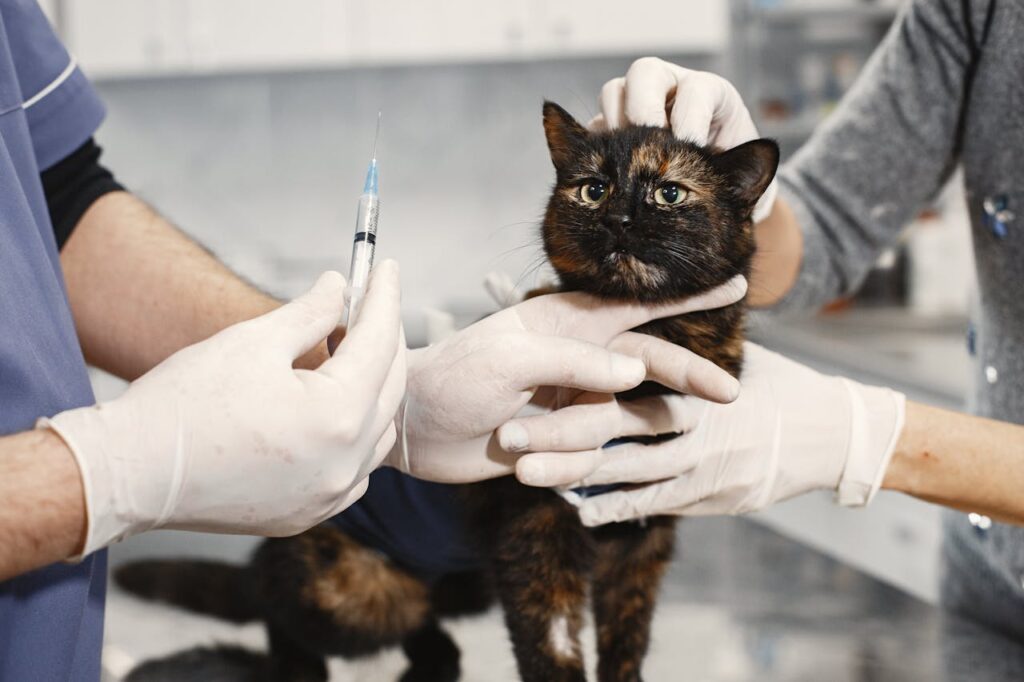
Pet insurance is a type of insurance similar to health insurance for people. You pay a certain amount each month or year (the premium), and in return, the insurance company agrees to reimburse part or all of the cost of veterinary services if your pet falls ill or is injured in an accident.
The basic principle usually works like this:
- You visit a vet. You can choose any licensed clinic (most policies don’t restrict your choice).
- You pay the bill. You initially pay for the services yourself.
- You file a claim for reimbursement. You send the necessary documents to the insurance company: the invoice, the vet’s diagnosis (epilogue), and a completed claim form.
- The insurance company pays the compensation. After reviewing the documents, the company pays you back in line with your policy’s terms (after deducting the deductible and within the set limits).
Should You Insure Your Dog or Cat? Weighing the Pros and Cons
This is the main question, and there’s no single answer. It all depends on your attitude toward risk and your financial situation. Let’s look at the arguments.
Arguments ‘FOR’: Financial Peace of Mind and the Best Care
- Protection against catastrophic costs. Treating serious illnesses (oncology, heart disease), complex fractures, or emergency surgeries can cost thousands of dollars. The cost of vet services is constantly on the rise. For instance, a cruciate ligament operation for a dog can cost anywhere from $3,000 to $6,000, while a course of chemotherapy can exceed $10,000. Insurance helps cover these shocking bills.
- The ability to make decisions based on health, not your wallet. In a critical situation, you won’t have to make the terrible choice between high-quality but expensive treatment, and a cheaper but less effective option (or, most frighteningly, euthanasia due to a lack of funds).
- Access to specialist vets and modern diagnostics. With insurance, you’ll be more likely to agree to an MRI, CT scan, or consultations with a cardiologist or neurologist, which allows for an accurate diagnosis and the right treatment to begin.
- Peace of mind. This is an intangible, but perhaps the most important asset. Knowing you have financial support significantly reduces stress in an emergency.
Arguments ‘AGAINST’: Costs and Limitations
- Ongoing monthly costs. The premium is a regular expense in your budget, even if your pet is perfectly healthy and you don’t use vet services.
- Insurance doesn’t cover everything. Most basic policies don’t cover routine check-ups, vaccinations, parasite control, dental procedures, or grooming. There is always a list of exclusions.
- Pre-existing conditions are not covered. This is the most crucial point. If your pet has already been diagnosed with a chronic condition before you take out the policy, treatment for that condition and its consequences will not be covered. This is why it’s best to insure a pet from a young age.
- Waiting period. After you buy a policy, there’s usually a “waiting period” (from 14 days to a month) during which the insurance doesn’t yet cover illnesses (though it may cover accidents).
How to Choose a Pet Insurance Policy: A Step-by-Step Guide

The **pet insurance** market in the U.S. is well-developed, with many companies offering their services. To make the right choice, take the time to carefully study all the details. Here is a checklist to help you.
✅ Step 1: Assess your pet’s needs
Think about your pet’s breed, age, and lifestyle. Some breeds are prone to certain genetic diseases (e.g., hip dysplasia in Labradors, breathing problems in pugs, heart disease in Maine Coons). Active dogs that spend a lot of time off-leash have a higher risk of injury. For older pets, the risk of age-related illnesses is significantly higher.
✅ Step 2: Understand the types of coverage
Several options are usually available:
- Accident-only coverage: The cheapest option, which covers injuries, poisoning, animal bites, and so on.
- Accident and illness coverage: The most popular and balanced option. It covers both injuries and sudden illnesses (infections, digestive disorders, cancer, etc.).
- Comprehensive coverage (with ‘wellness’ options): The most expensive package, which may include partial reimbursement for preventative procedures (check-ups, vaccinations, microchipping).
✅ Step 3: Carefully read ‘the fine print’ — limits, deductibles, exclusions
This is the most important stage! Pay attention to:
- Annual limit: The maximum amount the insurance company will pay out in one year. The higher it is, the better.
- Deductible: The portion of the claim you pay yourself. It can be a fixed amount (e.g., $250 per claim) or a percentage (e.g., 10% of each bill). Policies with a higher deductible are usually cheaper.
- List of exclusions: A detailed list of what is NOT covered. Typical exclusions include pre-existing conditions, routine care, pregnancy and birth, cosmetic procedures, and behavioral therapy.
✅ Step 4: Compare quotes from different companies
Don’t just go with the first option you see. Find 2-3 companies that provide dog insurance and cat insurance in the U.S. Get a quote for your pet and compare the terms based on all the points mentioned above. Read reviews from real customers.
An Alternative to Insurance: Does a ‘Personal Fund’ work?
Some owners prefer not to buy insurance, and instead, put a certain amount of money aside each month into a separate ‘vet fund’ account. This is a good option, but it requires a lot of financial discipline.
Pros: The money is always yours, and you’re not paying a ‘foreign company’.
Cons: If a serious problem happens in the first year or two, the amount you’ve saved may not be enough to cover a bill of $5,000. Pet insurance is specifically about protecting against these sudden and huge expenses.

Frequently Asked Questions (FAQ)
Can you insure an elderly pet?
Most companies have age restrictions on taking out a new policy (for example, they won’t insure pets over 8-10 years old). However, if you insured your pet when they were young, many companies allow you to continue the policy for life. The cost of insurance for older pets is always higher.
What counts as a ‘pre-existing condition’?
Any illness, injury, or symptom that was recorded by a vet before you took out the insurance and before the waiting period ended. Even if a precise diagnosis wasn’t given but symptoms (for example, periodic limping, allergic reactions) were present, this could be considered a pre-existing condition.
Does insurance cover hereditary and genetic conditions?
This depends on the policy. Some companies cover them if the symptoms hadn’t appeared at the time of insurance. Others exclude them completely. This is one of the key points to check in the contract.
Conclusion: An Investment in Peace of Mind
Pet insurance isn’t a luxury; it’s a tool for managing risk. It’s your Plan B for when things go wrong. It won’t save your pet from illnesses, but it will save you from financial stress and allow you to provide the best possible care for them.
Analyze your budget, assess the risks associated with your pet, and research the market. It might be that a pet insurance policy is the small monthly investment that gives you the most valuable thing of all—peace of mind about your four-legged family member’s future.