

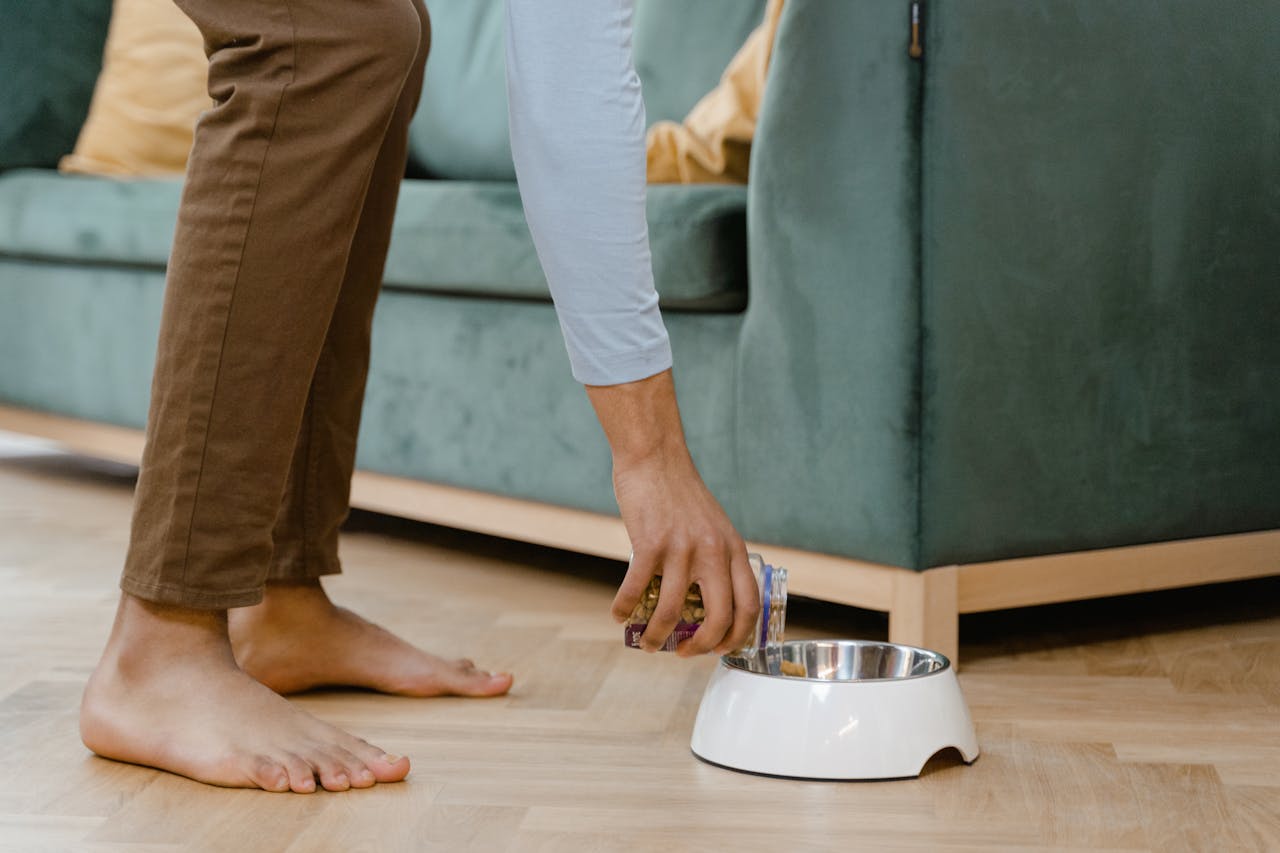
Changing your pet’s diet is a big step, often driven by a variety of reasons. Maybe their needs have changed with age, a vet recommended a new formula, or you’re simply looking for a more balanced, higher-quality option. However, switching food abruptly can be a shock to your pet’s digestive system, potentially leading to diarrhea, vomiting, and overall discomfort. To avoid these issues and make the transition as smooth as possible for your furry friend, it’s crucial to follow a proven, gradual process. We’ll show you exactly how to do it right here on Tvaryny.
This article is your complete guide to a successful diet transition. We’ll help you understand the nuances, keep your dog or cat healthy, and avoid common mistakes. You’ll learn not only the step-by-step process for switching foods but also the reasons why a change might be necessary and how to monitor your pet’s well-being throughout the process.
Why Do Pets Need a New Diet in the First Place?
Before we dive into the “how-to,” it’s important to know when a diet change is truly warranted. Pet owners typically make this decision for a few key reasons:
- Age-Related Changes. The nutritional needs of a puppy or kitten are vastly different from those of an adult or senior pet. Puppy formulas are packed with more protein and calories for growth, while adult foods are more balanced for weight maintenance. Senior diets are often enriched with ingredients to support joint health and manage calorie intake.
- Health Conditions and Medical Needs. This is one of the most critical reasons for a diet change. If your pet is diagnosed with a specific condition like urinary tract disease, kidney failure, liver problems, food allergies, or obesity, your vet will likely prescribe a special therapeutic diet.
- Pregnancy and Lactation. Pregnant and nursing females require significantly more energy and nutrients to support their offspring and produce milk. There are specialized, high-calorie formulas designed just for this life stage.
- Food Allergies or Intolerances. If you notice your pet scratching, developing skin rashes, experiencing poor coat quality, or having chronic digestive issues, the cause might be an allergy to an ingredient in their food (most often a protein source like chicken). In this case, a switch to a hypoallergenic or single-protein diet is necessary.
- Low-Quality Current Food. Many owners become more informed about pet nutrition and decide to upgrade from an economy-class kibble to a premium or super-premium brand to ensure their pet is getting higher-quality ingredients.
- Fussy Eaters. Sometimes, dogs and especially picky cats might just get tired of their usual food. As long as it’s not due to a health issue, a change in diet can help bring back their appetite.
The Golden Rule: Why a Gradual Switch is So Important
The digestive systems of dogs and cats contain a unique ecosystem of microorganisms—the microbiome—that helps them break down food. This microbiome is adapted to the specific ingredients in their current diet, including certain proteins, fats, and carbohydrates. When an entirely new food is introduced suddenly, the “old” bacteria can’t break it down effectively. This leads to an imbalance, fermentation, excess gas, and ultimately, digestive upset. Symptoms include diarrhea, vomiting, and abdominal pain.
By slowly introducing the new food, you give the gut’s microflora time to adjust and adapt to the new ingredients. This minimizes stress on their system and prevents gastrointestinal issues. That’s why the key to a successful transition is a healthy dose of patience and a strict schedule.
Step-by-Step Transition Guide: The 7-to-10-Day Plan
This is a universal and safe plan that works for most healthy dogs and cats. For pets with sensitive stomachs or when switching to a therapeutic diet, you might want to extend this period to 14 days, stretching each stage for 3-4 days.
| Day | Old Food Percentage | New Food Percentage | What to Look For |
|---|---|---|---|
| Days 1-2 | 75% | 25% | Watch for appetite and overall mood. Stool changes should be minimal. |
| Days 3-4 | 50% | 50% | This is the critical stage. Pay close attention to stool consistency. If all looks good, keep going. |
| Days 5-6 | 25% | 75% | The digestive system should be largely adapted now. The risk of upset is much lower. |
| Day 7 (and beyond) | 0% | 100% | The transition is complete. Continue to observe your pet for a few more days. |
Pro tip: Don’t just layer the new food on top of the old. Always thoroughly mix the two foods together in the bowl so your pet can’t pick out only the familiar kibble and ignore the new one.
How to Monitor Your Pet During the Switch
Your careful observation during this time is the key to success. Here’s a checklist of what to watch for:
- Stool. This is the main indicator of gut health. Ideally, it should be well-formed, not too dry or too loose. A slight softening on days 3-4 is acceptable, but if diarrhea starts, it’s a sign to return to the previous step (e.g., the 75/25 ratio) and stay there for a few more days.
- Appetite. Is your pet eating with the same enthusiasm as before? If your furry friend is a little hesitant, try moistening the food with some warm water—this can enhance the aroma.
- Activity and Mood. Lethargy, apathy, or irritability can be signs of stomach discomfort. A healthy pet should remain playful and active.
- Skin and Coat. In the long run (3-4 weeks after the full switch), a good-quality food should improve your pet’s coat, making it shinier and reducing shedding. The appearance of dandruff or itching is a red flag.
- Vomiting. A single instance of vomiting might be a fluke, but if it happens repeatedly, it’s a reason to immediately stop the transition and consult with your veterinarian.
Common Problems and How to Solve Them
- What to do if diarrhea starts? If your pet gets an upset stomach, immediately go back to 100% of their old food until their stool returns to normal. Once it does, try the transition again but even more slowly, stretching each stage for 3-4 days. You can also add probiotics to their diet to support their gut flora (after consulting with your vet).
- My pet refuses to eat the new food. Cats, especially, can be stubborn. Try these tricks:
- Mix the new food into a wet (pâté) food that they love.
- Slightly warm up the food mixture.
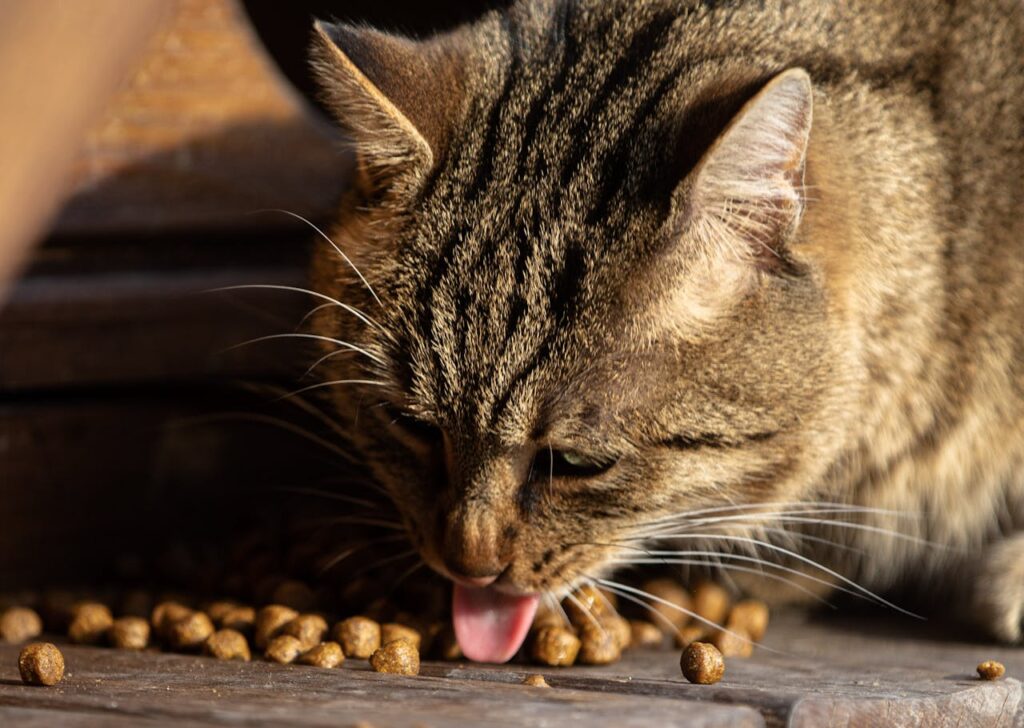
- Place a few kibble pieces next to the bowl so they can “get acquainted” with the smell.
- When should I call the vet? Seek help immediately if:
- Diarrhea or vomiting lasts for more than 24 hours.
- There is blood or mucus in their stool.
- Your pet completely refuses food and water.
- You see signs of severe pain or dehydration (dry gums, sunken eyes).
FAQ: Common Owner Questions
Is it okay to mix different brands of food?
Yes, it’s necessary during the transition. However, it’s not recommended to feed your pet a permanent mixture of different foods. Each diet is individually balanced, and combining them can throw off the nutrient balance.
How long does it take for a pet to fully adapt to new food?
While the transition itself takes 7-10 days, full adaptation of the digestive system and the whole body can take 3 to 6 weeks. Only after this period can you make a final judgment on whether the food is the right fit for your pet.
How do I switch to a therapeutic diet?
A switch to a veterinary diet should always be done under the supervision of a vet. A slower schedule (14-21 days) is usually recommended because your pet’s body is weakened by illness, and therapeutic diets have a very specific composition.
Should I change my pet’s food if everything is fine?
If your pet is healthy, active, at a good weight, has a shiny coat, and their age and lifestyle haven’t changed, there is no need to switch from a diet that is working perfectly. “If it ain’t broke, don’t fix it.”
Final Thoughts
A proper transition to new food isn’t rocket science; it’s an act of care and responsibility. The key to success is in three words: gradual, observant, and patient. By following a simple 7-day schedule, closely monitoring your pet’s reaction, and not ignoring any red flags, you can make this process completely painless and safe. A healthy digestive system is the foundation of your dog’s or cat’s overall well-being, and proper nutrition plays a starring role in that.