

| Height | 48–57 cm |
| Weight | 16–25 kg |
| Lifespan | 11–14 years |
| FCI group | 7 · pointing dogs |
| Origin | France (Bourbonnais) |
Exact ratings
- Generally a robust working breed
- Hip dysplasia
- Ear infections (drop ears)
- A tendency to gain weight without exercise
- A natural stumpy tail (breed norm, not a fault)
A balanced food for an active pointer, with weight control. Check the drop ears regularly; provide exercise and scent work; use only gentle, positive training methods.
The Bourbonnais Pointer (Braque du Bourbonnais) is an elegant and diligent French pointing dog breed with a rich history dating back to the 16th century. Known for their versatility in hunting all kinds of game, these dogs have also earned a reputation as wonderful companions thanks to their balanced and devoted character. They are often called “tailless pointing dogs” due to a unique genetic trait – many puppies are born with a naturally short tail or even no tail at all. Bourbonnais Pointers don’t require complex grooming, boast robust health, and become excellent family members for active owners. For more details on this remarkable breed, continue reading on Tvaryny.
Bourbonnais Pointer: A Quick Breed Overview
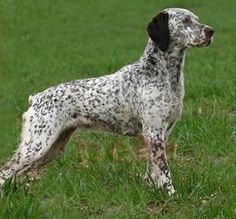
| Breed Name | Bourbonnais Pointer (Braque du Bourbonnais) |
| Other Names | Tailless Pointing Dog |
| Country of Origin | France (Bourbonnais province) |
| Time of Origin | 16th century, officially revived in the 20th century |
| FCI Classification | Group 7 (Pointing Dogs), Section 1.1 (Continental Pointing Dogs, Braque type) |
| Lifespan | 13-15 years |
| Height at Withers | Males: 20-22.5 inches; Females: 19-21.5 inches |
| Weight | Males: 40-55 lbs; Females: 35-48 lbs |
| Use | Hunting (versatile pointing dog), companion dog |
| Temperament | Intelligent, balanced, gentle, passionate hunter |
History of the Bourbonnais Pointer Breed
The history of the Bourbonnais Pointer is among the oldest of all French pointing dogs. The first mentions of a dog very similar to the modern breed representative date back to the late 16th century. In 1598, Italian naturalist Ulisse Aldrovandi described in his work a “dog with mottled white fur with pale lilac or wine-colored patches,” which lived in the French province of Bourbonnais. This description perfectly matches the breed’s unique coloring. For centuries, these dogs were prized for their exceptional hunting abilities: a keen sense of smell, endurance, and the capacity to work in all conditions.
The breed endured several difficult periods that nearly led to its complete extinction. The French Revolution, and subsequently two World Wars, dealt a devastating blow to the population. After World War II, the breed was considered practically extinct. Its revival began only in the 1970s, thanks to the efforts of an enthusiast named Michel Comte. He gathered the surviving representatives of the breed that matched the ancient descriptions and founded the Club du Braque du Bourbonnais in 1982. Thanks to his dedicated work and careful breeding, he managed not only to restore the numbers but also to preserve the authentic working qualities and external appearance of the breed. Today, Bourbonnais Pointers are among the finest and most elegant continental pointing dogs, though they remain relatively rare outside of France. Similar to the Jämthund, breeder determination has been key to their survival.
What the Bourbonnais Pointer Looks Like: Standard and Appearance Description
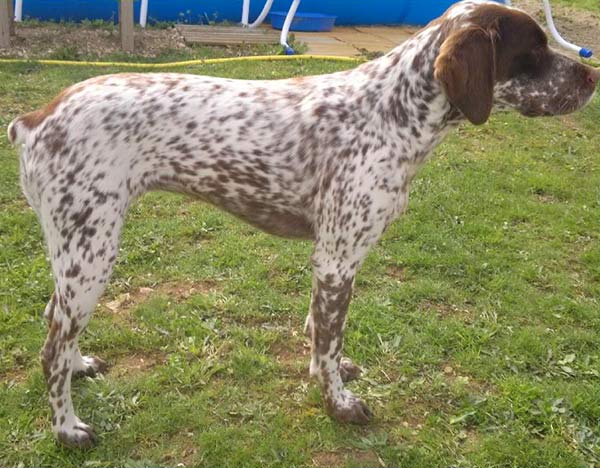
The Bourbonnais Pointer is a medium-sized dog with a robust yet elegant build and well-developed musculature. Its appearance exudes both strength and grace. Important characteristics include its compact and well-proportioned body.
Head, Eyes, and Ears
The head has a characteristic pear-like shape, typical of Braque breeds. The skull is rounded, and the stop (transition from forehead to muzzle) is smooth but distinct. The muzzle is strong, rectangular, with a large nose whose color harmonizes with the main coat color. The eyes are large, expressive, hazel, or dark amber. Their gaze is intelligent, kind, and calm. The ears are medium-sized, set at eye level or slightly higher, drooping along the cheeks, and have a triangular shape with a slightly rounded tip. Often, the ears have a solid dark color, contrasting with the mottled coloring of the head.
Body and Tail
The body is slightly elongated, with a strong, straight back and muscular loins. The chest is deep and wide, providing ample space for the lungs and heart, which is vital for a working dog. The belly is well tucked up. The limbs are straight, parallel, with well-developed musculature that provides powerful propulsion. The paws are compact and well-knuckled.
The tail is one of the breed’s most distinctive features. Many Bourbonnais Pointer puppies are born with a naturally short tail (brachyuria) or completely without one (anuria). If a puppy is born with a long tail, the standard allows for it to be docked to a length of no more than 6 inches (in countries where this is permitted). A naturally short tail is preferred.
Coat and Coloring
The coat is short, fine, dense, and close-lying to the body. On the back, it may be slightly coarser. This type of coat effectively protects the dog from harsh weather but is not adapted to extreme cold. The coloring of the Bourbonnais Pointer is unique and is a hallmark of the breed. The standard recognizes two primary variations:
- “Wine sediment” (lie de vin): dense brown speckles on a white background, creating an impression of a lilac or rosy-lilac hue.
- “Peach blossom” (fleur de pêcher): dense fawn (light reddish-brown) speckles on a white background, giving the coat a delicate peach tone.
Large patches of the corresponding color may also be present on the coat. The head and ears usually have more solid coloring than the body.
Character: Temperament and Behavior
The Bourbonnais Pointer is a dog with a dual character. In the field, they are passionate, energetic, and tireless workers, but at home – calm, gentle, and devoted family members. This breed is very people-oriented and forms strong bonds with its owner and family. They don’t cope well with loneliness and require constant contact. Left alone for too long, they may suffer from separation anxiety, which can manifest in destructive behavior.
They are known for their composure and high intelligence. These are very sensitive dogs who subtly sense their owner’s mood. They do not tolerate harsh treatment or shouting; the best results in training are achieved through patience, consistency, and positive reinforcement. Although they possess a certain stubbornness and sense of dignity, they always strive to please their owner. This is not a dog that will blindly obey, but it will serve faithfully and devotedly.
With children, Bourbonnais Pointers usually get along wonderfully, showing patience and gentleness. They can become excellent playmates. However, as with any breed, interactions with small children should be supervised. They generally get along well with other animals, especially other dogs, if they have grown up together. Early socialization is important for your Bourbonnais Pointer to be calm around other dogs, whether it’s another gundog like the Ariège Pointer, or a spitz breed such as the Jämthund. The hunting instinct can manifest towards cats and other small animals, so their introduction should be gradual and controlled.
Pros and Cons of the Breed
| Pros | Cons |
|---|---|
| Outstanding hunting qualities: A versatile hunter with an excellent sense of smell and a steady point. | High energy requirements: Not suitable for inactive people or apartment living without sufficient exercise. |
| Devoted and gentle nature: A wonderful family companion, affectionate with children. | Does not tolerate loneliness: May develop anxiety and destructive behavior if left alone for too long. |
| High intelligence: Learns quickly, eager to please its owner. | Sensitivity and stubbornness: Requires patient training without harshness, can be headstrong. |
| Robust health: Rarely gets sick, with a low incidence of genetic diseases. | Needs mental stimulation: Without intellectual tasks, can become bored and find “work” for itself. |
| Simple coat care: Does not require complex grooming, shedding is moderate. | Strong hunting instinct: Requires a reliable leash during walks in unfenced areas. |
Care and Upkeep of the Bourbonnais Pointer
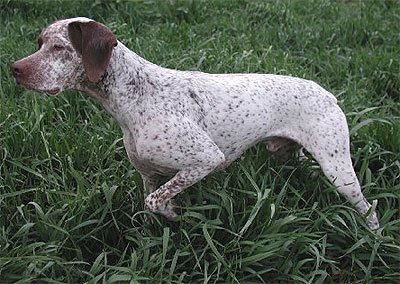
Living Conditions and Physical Activity
The best place to keep a Bourbonnais Pointer is a country house with a large, securely fenced yard. This is a very energetic breed that needs space to move. Theoretically, they can live in a city apartment, but only if the owner is willing to dedicate at least 2-3 hours daily to active walks. These dogs need more than just slow walks on a leash; they need the opportunity to run, explore the territory, and expend their energy. Ideal activities for them include long hikes, running alongside a bicycle, swimming, and, of course, hunting or simulating hunting activities (e.g., retrieving, tracking).
Grooming and Coat Care
Caring for the short coat of the Bourbonnais Pointer is straightforward. It’s sufficient to brush it with a rubber brush or grooming mitt 1-2 times a week to remove dead hairs and maintain its shine. Shedding is moderate, increasing seasonally. Bathe the dog only as necessary, using specialized dog shampoos to avoid damaging the skin’s protective layer. It is strictly forbidden to use human cosmetic products.
Particular attention should be paid to their ears, as their drooping shape creates favorable conditions for the development of infections. Regularly inspect and clean the ears with a special lotion. Also, don’t forget about nail clipping (if they don’t wear down naturally) and dental care.
Training and Socialization
Training a Bourbonnais Pointer requires patience and an understanding of its sensitive nature. They are very intelligent and quickly grasp commands, but harsh methods or physical punishment can permanently undermine their trust. The cornerstone of successful training is positive reinforcement: praise, treats, and toys. Sessions should be short, engaging, and varied to keep the dog from getting bored.
It is important to start socializing puppies from a young age: introducing them to different people, sounds, places, and other animals. This will help to raise a confident and well-balanced dog. Particular attention should be paid to developing their hunting instincts. Even if you don’t plan to hunt, it’s important to allow the dog to express its natural urges through games that simulate searching and retrieving. Their hunting style can be compared to other French pointing dogs, such as the Braque d’Auvergne, but unlike some more impetuous breeds like the German Shorthaired Pointer, the Bourbonnais Pointer works more methodically and calmly, always maintaining close contact with the hunter.
Health of the Bourbonnais Pointer: Typical Ailments and Prevention
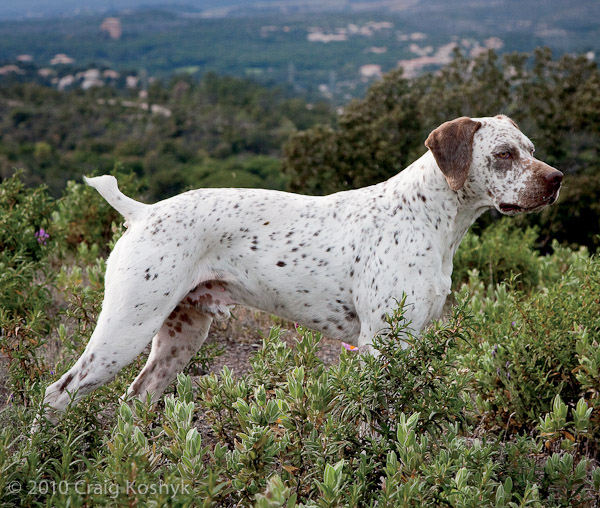
Generally, the Bourbonnais Pointer is a breed with robust health and a long lifespan. Thanks to efforts to restore the breed, many genetic problems have been avoided. However, as with many medium to large breeds, there is a predisposition to certain ailments:
- Hip and elbow dysplasia: A common condition in active dogs. It’s important to choose a puppy from tested parents with relevant health clearances and to ensure proper nutrition and moderate exercise during the growth period.
- Pulmonic stenosis: A congenital heart defect where the outflow tract of the pulmonary artery is narrowed. May require medication or surgical treatment.
- Eye diseases: Entropion (inward rolling of the eyelid) and ectropion (outward rolling of the eyelid) are sometimes encountered.
- Hypothyroidism: Insufficient function of the thyroid gland, which can lead to weight gain, skin problems, and lethargy.
Regular veterinary check-ups, annual vaccinations, parasite control, and a balanced diet are the foundation for a long and healthy life for your beloved pet.
| Condition | Description | Prevention and Diagnosis |
|---|---|---|
| Joint Dysplasia | Abnormal development of the hip or elbow joint, leading to arthritis. | X-rays of parents, weight control, balanced diet, avoidance of excessive strain in puppies. |
| Pulmonic Stenosis | Congenital narrowing of the pulmonary artery valve, hindering heart function. | Cardiac auscultation (listening) in puppies, echocardiogram. Responsible breeders do not allow affected dogs to breed. |
| Eye Diseases | Inward or outward rolling of the eyelids, irritating the cornea. | Regular eye examinations. In case of redness or watery eyes, consult a vet. |
Nutrition for the Bourbonnais Pointer: Key Recommendations
The diet of the Bourbonnais Pointer should be high-quality and balanced, considering its high level of activity. Calorie requirements directly depend on the workload: a dog that spends its day on the couch needs significantly less food than one that actively hunts or trains. The basis of the diet can be either high-quality dry food for active medium-sized dogs or a natural diet.
For natural feeding, the diet should consist of:
- Lean meat (60-70%): beef, turkey, chicken, organ meats. This is the primary source of protein.
- Grains (10-15%): rice, buckwheat, oatmeal.
- Vegetables and fruits (10-15%): carrots, pumpkin, zucchini, apples.
- Fermented dairy products: kefir, low-fat cottage cheese.
- Fats: In colder months or during high activity, 0.5 to 1 ounce of animal fats or a tablespoon of fish oil can be added to the diet.
It is important not to overfeed your dog to avoid obesity, which puts an additional strain on the joints. The daily portion is best divided into two meals to reduce the risk of bloat. Always ensure access to fresh, clean water.
Interesting Facts about the Bourbonnais Pointer
- Short Tail Gene: A naturally short tail (brachyuria) is a dominant genetic trait. However, the homozygous state of this gene (when the puppy inherits it from both parents) is lethal, so such embryos do not develop. Because of this, litters always contain puppies with both short and long tails.
- Historical Color Name: In ancient texts, the breed’s unique mottled coat color was described as “the color of withered lily.”
- Revival “from Scratch”: After 1963, no Bourbonnais Pointer was registered, and the breed was considered extinct. Michel Comte revived it by finding only a few dogs that met the standard and initiated a breeding program.
- Soft Mouth: Like many pointing dogs, Bourbonnais Pointers are known for their “soft mouth,” which allows them to retrieve shot game without damaging it.
- International Recognition: The breed is recognized by the Fédération Cynologique Internationale (FCI), as well as the American Kennel Club (AKC) and the United Kennel Club (UKC), attesting to its growing popularity worldwide.
Frequently Asked Questions about the Breed (FAQ)
Is the Bourbonnais Pointer suitable for apartment living?
It’s possible, but not recommended. If you live in an apartment, you must be prepared for daily long (2-3 hours) and intense walks, with opportunities for the dog to run freely.
Do they shed a lot?
Shedding is moderate, intensifying twice a year. Regular brushing helps to keep this process under control.
Are they good guard dogs?
No, they are not a guard dog breed. They may bark to alert to strangers, but they have no aggression towards people. Their friendly nature makes them poor watchdogs.
Are they easy to train?
Yes, thanks to their high intelligence, they learn quickly. However, their sensitivity requires the use of positive reinforcement methods only. They are not for a harsh or impatient trainer.
How do they get along with other pets?
Generally well with other dogs, especially with early socialization. Problems may arise with cats and small animals due to their strong hunting instinct. A careful and gradual introduction is required.
Video about the Breed
- Affectionate, devoted, good with children
- A versatile, hardy hunter
- Low-maintenance, robust health
- Clever, easy to train
- A high energy level — not for an apartment
- Needs scent work or hunting
- Sensitive — only gentle training
- Drop ears are prone to infections
| French Pointer (Pyrenean) | Brittany | German Shorthaired Pointer | |
|---|---|---|---|
| Height | 47–58 cm | 47–52 cm | 53–64 cm |
| Energy | 4.5 | 5 | 4.5 |
| Apartment | 2 | 2.5 | 2.5 |
| Beginners | 3.5 | 3.5 | 3 |
Why is the Braque du Bourbonnais tailless?
Is the Braque du Bourbonnais good for a family?
How old is the breed?
FCI Standard No. 179 · Société Centrale Canine
For apartments · For kids · For beginners · Active · Smartest · Hypoallergenic · All rankings →