

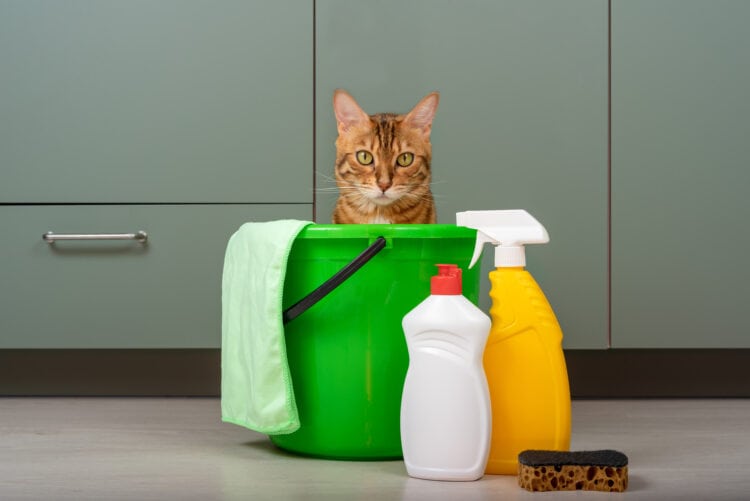
The love for a pet is a boundless feeling. Their warm hugs, playful games, and devoted gaze can melt any heart. But let’s face it: along with the joy, our homes also face a few small challenges. Tumbleweeds of fur dancing in the sunbeams and that specific “aroma” that guests are the first to notice – it’s a familiar scene for many pet owners. But there’s no need to despair and think that a perfectly clean home is an impossible dream. There are countless proven methods to effectively get rid of fur and odors, turning cleaning from a chore into a quick and efficient ritual. We’ll dive into all the secrets of a spotless home later on Tvaryny.
Chapter 1: The All-Out Assault on Fur – From Floors to Clothes
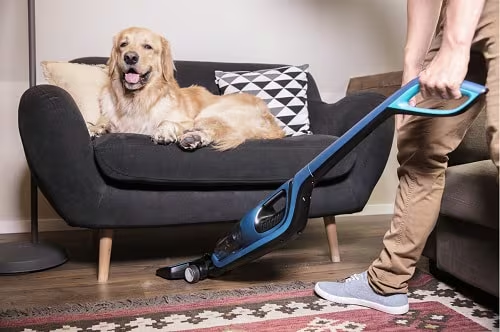
Pet hair has an incredible ability to get everywhere: on carpets, couches, your favorite black jeans, and even into your soup. The key to victory is a systematic approach and the right arsenal of tools. The main goal is to collect the fur, not just push it around from one spot to another.
Step 1: Hard Surfaces – Laminate, Tile, and Hardwood Floors
At first glance, removing fur from a smooth floor seems easy. But a regular broom often just sends it flying into the air. To be effective, try the following:
- A vacuum with the right attachment. Use a soft-bristled brush attachment designed for hard floors. It won’t scratch the surface and will pick up hairs effectively.
- A microfiber mop. Dry microfiber acts like a magnet for fur and dust thanks to static electricity. It’s the perfect option for a quick daily cleanup.
- Damp mopping. After you’ve collected the bulk of the fur, go over the floor with a damp mop or cloth. This will help gather any remaining strands and freshen the air.
Step 2: Carpets and Rugs – The Main Fur Traps
The pile of a carpet holds onto pet hair tightly, weaving it into its fibers. This calls for heavy artillery.
Your main tool is a powerful vacuum cleaner. Ideally, your vacuum will have a turbo brush – a special attachment with a rotating roller that “combs” the fur out from deep within the pile. Vacuum slowly, going over the same area several times in different directions.
Life Hacks for Deep-Cleaning Carpets:
- A rubber squeegee. A simple window squeegee can work wonders! Drag it across the carpet with a bit of pressure, and you’ll be amazed at how much fur it gathers into clumps that are easy to pick up by hand or with the vacuum.
- A damp rubber glove. Put on a standard household cleaning glove, dampen it slightly with water, and wipe your hand across the carpet. The fur will ball up and stick to the glove.
- Baking soda. Before vacuuming, lightly sprinkle the carpet with baking soda. Let it sit for 15-20 minutes. The soda not only helps to loosen the hairs but also absorbs unpleasant odors.
Step 3: Upholstered Furniture – Couches, Chairs, and Beds
These are favorite resting spots not just for us, but for our pets too. De-furring furniture requires patience. The same methods used for carpets work brilliantly here: a damp rubber glove and a squeegee. There are also some specialized tools:
- Specialized brushes. Pet stores sell brushes with a velvet-like surface that effectively lifts fur from fabric.
- Lint rollers. A great option for a quick tidy-up just before guests arrive. Always keep one handy.
- A vacuum with an upholstery attachment. Use this at least once a week for a deep clean.
Chapter 2: Battling the Invisible Enemy – How to Get Rid of Dog and Cat Odors
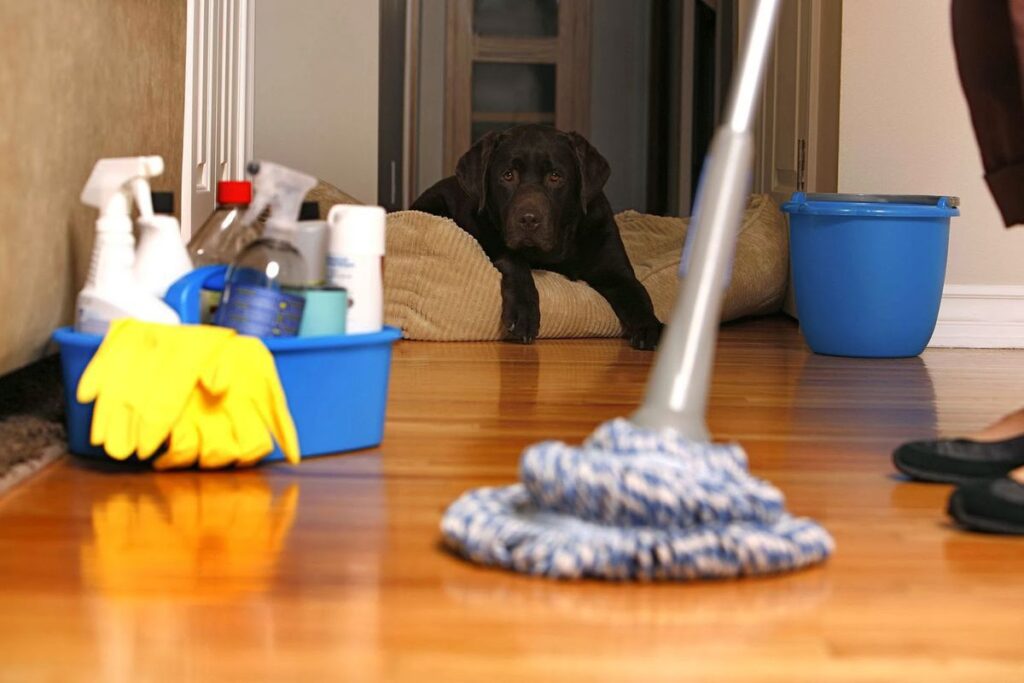
Even in the cleanest home, a distinct pet smell can develop over time. Masking it with perfumes and air fresheners only provides a temporary fix and can sometimes make things worse by creating an odd mixture of scents. Our goal is not to mask the smell, but to completely neutralize the source.
Identifying the Source of the Odor
Before you start cleaning, it’s important to figure out where the smell is coming from. The main culprits are:
- Marking and “accidents.” Even if your pet is house-trained, accidents can happen. Urine is the primary source of persistent odors.
- Beds, blankets, and toys. Your pet’s favorite things absorb skin oils and smells.
- Carpets and upholstered furniture. They don’t just collect fur, but also tiny particles of skin and saliva.
- The pet itself. Sometimes, the cause can be a health issue (e.g., problems with their skin, teeth, or ears).
Effective Remedies for Pet Odors:
1. Enzymatic Cleaners. This is your number one tool in the fight against urine odors. Unlike regular cleaning products, they contain special enzymes that break down the protein compounds in urine, completely destroying the source of the odor rather than just masking it. Always keep a bottle at home. You can find them in pet stores. These are truly profesisonal products that deliver results.
2. Home Remedies That Work:
- White vinegar. A solution of water and white vinegar in a 1:1 ratio is an excellent disinfectant and odor neutralizer. You can use it for mopping floors or treating stains (after testing on an inconspicuous area of the fabric). The vinegar smell dissipates quickly, taking other “aromas” with it.
- Baking soda. As we’ve already mentioned, baking soda is a fantastic absorbent. Sprinkle it on your carpet, couch, or pet’s bed, leave it for a few hours (or overnight), and then vacuum it up thoroughly.
- Hydrogen peroxide. Helps to tackle old stains. Mix about a half-cup (100ml) of 3% hydrogen peroxide with 1/2 teaspoon of dish soap. Apply it to the stain, rub gently, and let it dry. Then, vacuum the residue. Warning: Always test on a hidden spot first, as peroxide can bleach certain fabrics!
Chapter 3: Prevention – Your Greatest Ally
The most effective way to get rid of fur and odors is to reduce them from the start. A few simple habits can make a world of difference.
- Regular grooming. Brush your pet with a special grooming tool several times a week (or daily during shedding season). This will help you catch loose fur before it ends up on your couch.
- Proper Nutrition and Health. A high-quality, balanced diet improves the condition of your pet’s coat, making it stronger and reducing shedding. Regular trips to the vet will help catch any health problems that could be causing unpleasant odors.
- Washing Your Pet’s Belongings. Wash their beds, blankets, and soft toys at least once every two weeks. Use hypoallergenic detergents without strong fragrances.
- Regularly Airing Out Your Home. Open the windows for at least 15-20 minutes every day, even in winter. Fresh air is the best remedy for stale smells.
- Organizing Their Space. Give your pet their own designated spot with a bed that’s easy to wash. Encourage them to rest there. You can also use special throws for your furniture that are easy to remove and wash.
Chapter 4: A Pet Owner’s Cleaning Checklist
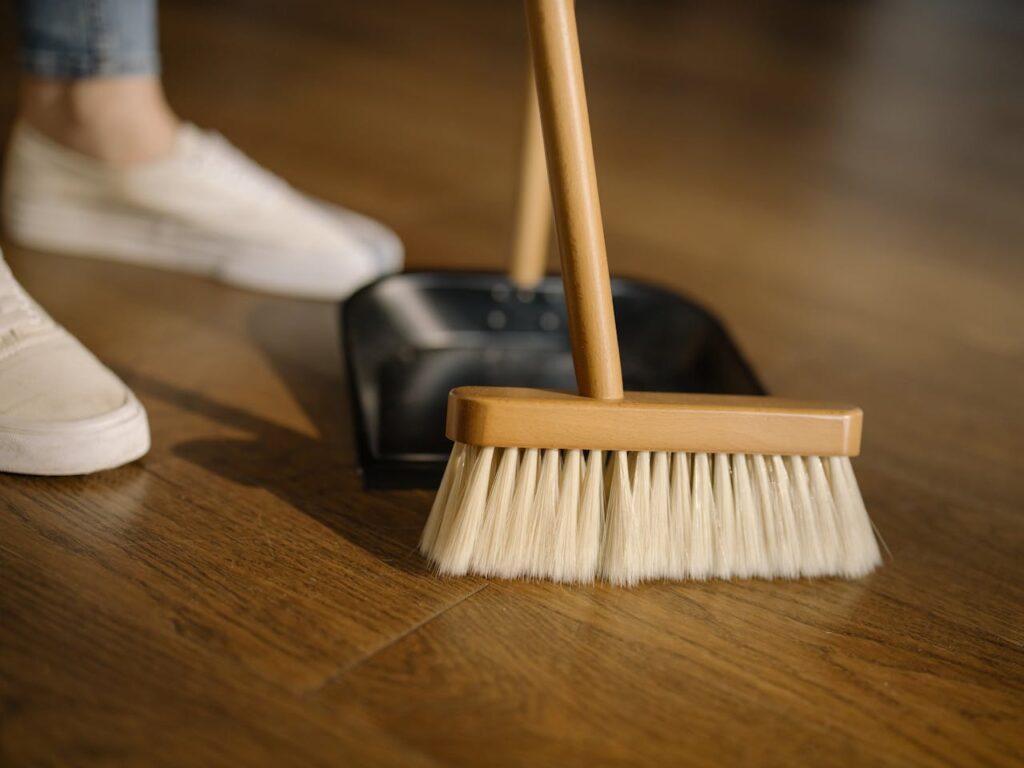
To make keeping on top of things easier, create a simple schedule. Regular care and the right tools can make the process much more manageable.
Daily:
- Quickly sweep or wipe up fur from floors (a microfiber mop is great for this).
- Clean food and water bowls.
- Clean out the litter box.
- Air out the rooms.
2-3 times a week:
- A thourough vacuuming (floors, carpets, furniture).
- Groom your pet.
- Mop hard floors.
Every 1-2 weeks:
- Wash your pet’s bedding, blankets, and toys.
- Deep clean furniture to remove fur (using a squeegee or rubber glove).
Conclusion: The Harmony of Cleanliness and Love
Life with a pet doesn’t have to be a never-ending battle for cleanliness. Think of cleaning not as a punishment, but as another way to care for your home and the health of your whole family, including its four-legged member. By using these simple yet effective methods, you can easily banish fur and odors and enjoy a cozy, fresh home. After all, harmony in the home is when there’s room for both perfect order and a happily wagging tail.