

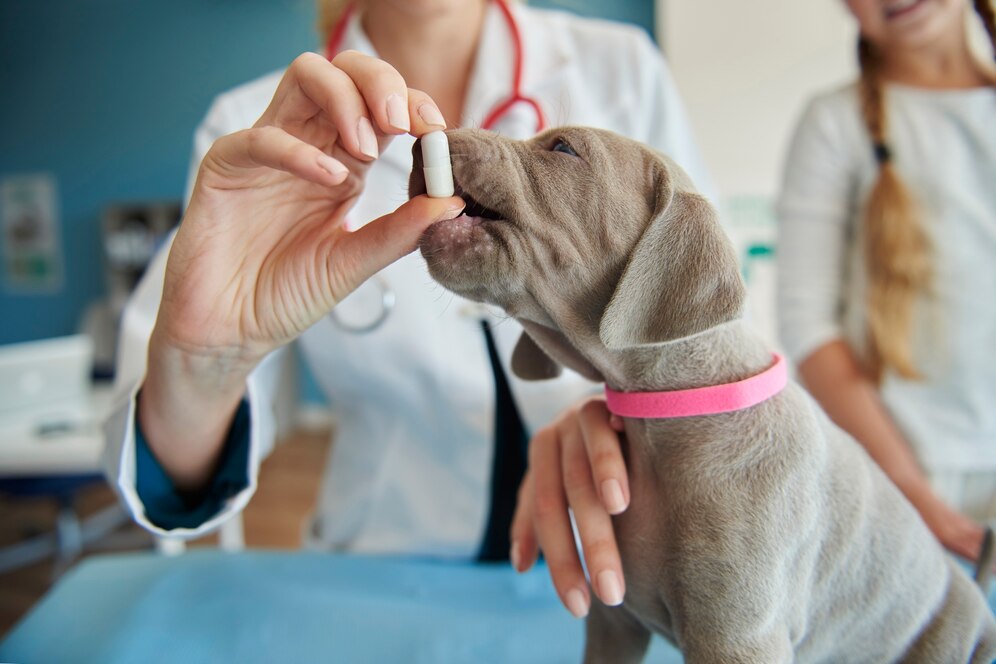
As spring arrives, we usually feel a burst of energy from the first rays of sun, but at the same time, we often complain about drowsiness, dull skin, and general fatigue. We head to the pharmacy for multivitamins to support our bodies after winter. But have you ever wondered if your four-legged friends go through similar processes? Learn more on Tvaryny.
For dogs and cats, springtime means a major physiological shift. Changing temperatures, heavy shedding, and the awakening of parasites put a huge strain on their immunity. Many owners ask: does “spring avitaminosis” exist in animals the way we understand it, and should we run to the pet store for bright jars of pills? Let’s get to the bottom of this, relying on veterinary science rather than marketing myths.
Avitaminosis or Hypovitaminosis: Setting the Record Straight
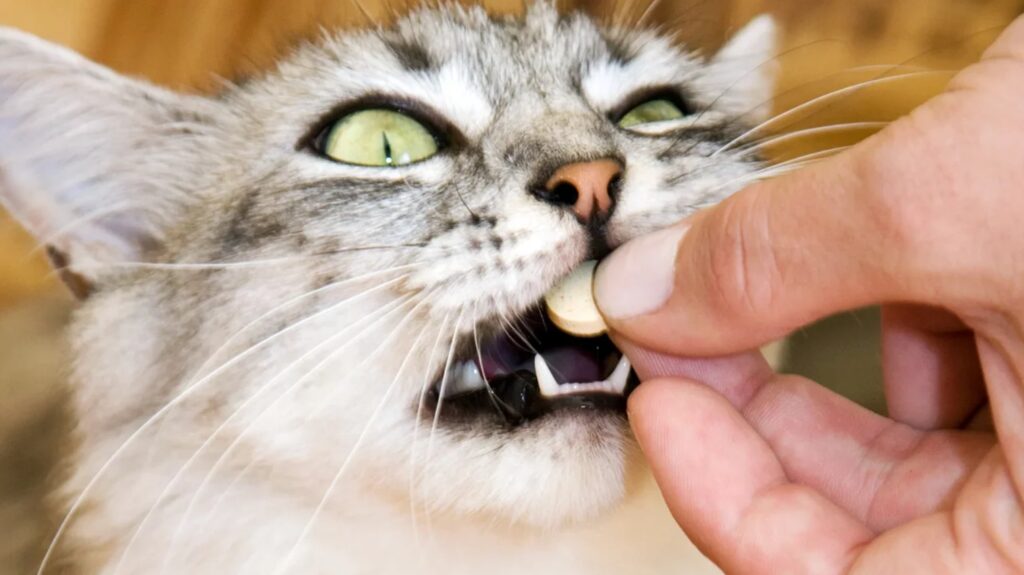
Before we talk about treatment, let’s get the terminology straight. What we casually call “avitaminosis” is actually most often hypovitaminosis.
- Avitaminosis – this is the complete absence of a specific vitamin. It is a severe pathological condition that can lead to serious, sometimes irreversible consequences, and even death. In pets that get at least some food, it is extremely rare.
- Hypovitaminosis – is a partial shortage (deficiency) of one or a group of vitamins. This is exactly what we see most often in spring, when the body’s reserves are depleted by winter, and the need for resources grows due to activity and shedding.
Therefore, when talking about spring issues, we are referring specifically to seasonal hypovitaminosis and a general decrease in the body’s resistance.
Why Is Spring Stressful for a Pet’s Body?
Many people believe that if an animal eats the same food year-round, seasonality doesn’t affect it. This is a misconception. Important biological processes happen in the spring:
- Seasonal shedding. This is perhaps the most resource-intensive process. To grow a new coat, the body spends a colossal amount of protein, sulfur, zinc, and B vitamins. If these substances are lacking in the diet, they are “leached” from internal reserves, weakening other organs.
- Hormonal surges. Longer daylight hours affect the endocrine system, especially in non-neutered animals. This speeds up metabolism and increases the need for nutrients.
- Change in activity. In winter, walks with dogs are usually shorter. In spring, activity time increases, which requires more energy and antioxidants for the muscles.
Red Flags: Symptoms of Vitamin Deficiency
How do you know if your pet needs help? Symptoms can be vague, but an attentive owner will notice changes. It is crucial not to confuse vitamin deficiency with other diseases. By the way, some skin issues are often mistaken for allergies. If you see your pet scratching, we recommend reading our article on spring allergies and pollen sensitivities in pets to accurately differentiate the problem.
We’ve gathered the main signs of hypovitaminosis in this handy table:
| Body System | Symptoms in Dogs | Symptoms in Cats |
|---|---|---|
| Coat and Skin | Dull coat, prolonged shedding, dry skin, dandruff (“snow” on the back), slow healing of scratches. | Matted fur, hair loss around ears or eyes, loss of shine. |
| Behavior | Lethargy, reluctance to take long walks, quick fatigue, eating non-food items (dirt, chalk, feces). | Sleeping more than usual, irritability, refusal to play. |
| Musculoskeletal System | Shaky gait, trouble getting up after sleeping (especially in large breeds). | Reluctance to jump on high surfaces, limping. |
| Eyes | Tearing, corneal clouding, poor vision in twilight. | Eye discharge, frequent blinking. |
Top 5 Essential Vitamins for Spring
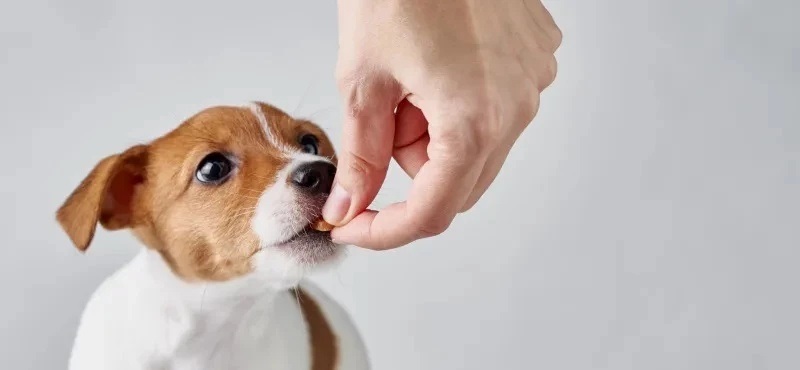
Not all vitamins are equally critical during the spring season. Here is the “fab five” you should pay attention to.
1. Vitamin A (Retinol)
Responsible for vision, the condition of skin and mucous membranes, as well as growth in young animals. Its deficiency often manifests as “night blindness” and dry eyes. For cats, it is critically important because, unlike dogs, they cannot synthesize it from beta-carotene (plant food) and must recieve it exclusively from meat products.
2. B Vitamins (B1, B2, B6, B12)
This is “fuel” for the nervous system and the main building material for a healthy coat. The B group suffers the most during shedding. A shortage leads to dermatitis, nervousness, cramps, and anemia.
3. Vitamin D
There is a myth that it’s enough for animals to just walk in the sun. This isn’t entirely true. Dogs and cats are covered in fur, and the synthesis of Vitamin D under UV light is much less effective than in humans. This vitamin regulates calcium-phosphorus metabolism. Its deficiency is a direct path to rickets in puppies and osteoporosis in adult animals.
4. Vitamin E (Tocopherol)
A powerful antioxidant. It protects cells from aging and toxins, and supports reproductive function. In spring, it is necessary to maintain muscle tone.
5. Biotin (Vitamin H)
Although technically part of the B group, it is often highlighted separately. This is the “beauty vitamin.” Without biotin, it’s impossible to achieve bright color and coat density after shedding.
Natural Foods or Pharmacy Complexes: What to Choose?
This is the eternal dilemma for owners. The answer depends on your pet’s diet type.
If the animal is on dry food
High-quality Super Premium and Holistic class kibble is already balanced. The manufacturer has calculated the daily allowance of all microelements. Adding vitamin complexes “just in case” can lead to hypervitaminosis (overdose), which is much more dangerous than a deficiency. For example, an excess of calcium and Vitamin D in large breed puppies can lead to bone deformities.
Tip: If you feed high-quality food but see signs of deficiency, don’t buy vitamins on your own. Get a biochemical blood test. The problem might not be the food, but that the animal’s body simply isn’t absorbing nutrients due to GI issues (gastritis, parasites).
If the animal is on a natural diet (“home-cooked” or raw)
Balancing a natural diet at home down to the milligram is practically impossible. Store-bought meat is often depleted of vitamins due to livestock farming conditions. Thermal processing (cooking) of grains and vegetables destroys a large part of the vitamins.
For animals on natural diets, spring courses of vitamin-mineral complexes are mandatory. But there are rules here:
- Don’t give human vitamins! The dosage and composition for humans are completely different. Some sweeteners in human pills (like xylitol) are lethally toxic to dogs.
- Choose complexes according to age and size. The needs of a Yorkie and a Shepherd are radically different.
Vitamin Sources in Food: How to Enrich the Bowl
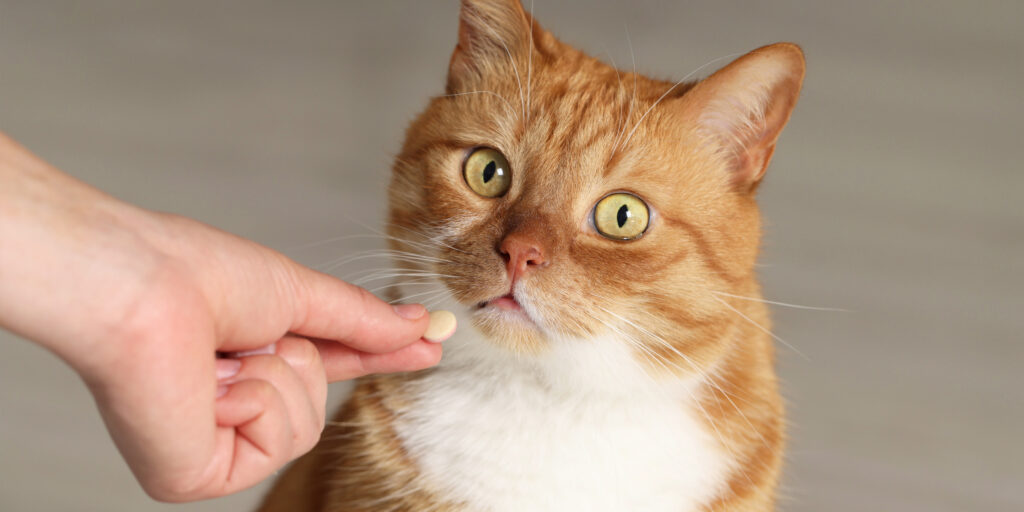
If you want to support your pet with natural products, here is a list of safe additives that can be introduced into the diet in spring:
- Fish oil (Salmon oil). A source of Omega-3 and Vitamins A and D. Great for the coat. Start with a few drops to avoid upsetting the stomach.
- Seaweed (Kelp). A record holder for iodine and microelements content. Enhances coat pigmentation (note: give with caution to white dogs, as the coat may acquire a reddish tint).
- Brewer’s yeast. The best source of B vitamins. Sold in pet pharmacies as a supplement.
- Sprouted grass (oats, wheat). Especially relevant for cats. This is a source of folic acid and a way to clear the stomach of fur.
- Beef liver. A powerful source of Vitamin A. Give only boiled and no more than once a week to avoid overdose.
How to Choose the Right Vitamin Complex?
You walk into a pet store – and it’s overwhelming. Brewers yeast, multivitamins, calcium supplements… How do you avoid mistakes? An owner should know that a universal pill doesn’t exist, but there is a selection algorithm:
- Define the goal. Do you need vitamins “for the coat” (during shedding), “for joints” (for senior dogs or large breed puppies), or for general health? Specialized complexes work better than “all-in-one.”
- Form of release.
- Tablets: Easy to dose, often meat-flavored.
- Liquid emulsions: Absorbed faster, easy to add to food for picky cats.
- Powders: Good for large dogs on natural diets.
- Injections: Prescribed only by a doctor for serious deficiencies.
- Manufacturer. Trust proven brands (e.g., Nutri-Vet, 8in1, Beaphar, Virbac). Cheap fillers often aren’t absorbed by the body and just pass right through.
Important: If you give vitamins that the animal needs, do it in courses. Usually, this is 3-4 weeks in spring and autumn. Continuous use of supplements without a break suppresses the body’s own vitamin synthesis.
Specifics for Different Species
Rodents and Birds
Small pets suffer from spring avitaminosis even more than cats and dogs. Guinea pigs, for example, do not produce Vitamin C at all. In spring, when last year’s vegetables have lost their nutritional value and fresh grass hasn’t grown yet, liquid vitamins in the water bottle or special feeds are critically esential for them.
Pregnant and Lactating Females
Spring is baby season. In a pregnant female, the need for calcium and vitamins doubles or triples. A deficiency during this period can lead to eclampsia (milk fever) – a potentially fatal condition. Special product lines exist just for them.
Conclusions
Spring avitaminosis isn’t a myth, but it’s not a reason for panic either. It is a physiological condition that requires diet correction. Remember the main rules:
- A healthy animal on high-quality professional food usually doesn’t need extra vitamins, except during heavy shedding.
- Animals on “natural diets” need a spring course of vitamins.
- Don’t self-medicate – hypervitaminosis is more dangerous than deficiency.
- Watch your pet’s appearance: the coat is the mirror of health.
Take care of your tails, ensure they get long sunny walks and a tasty, healthy diet. And may this spring bring you only joy from spending time with your four-legged friends!