

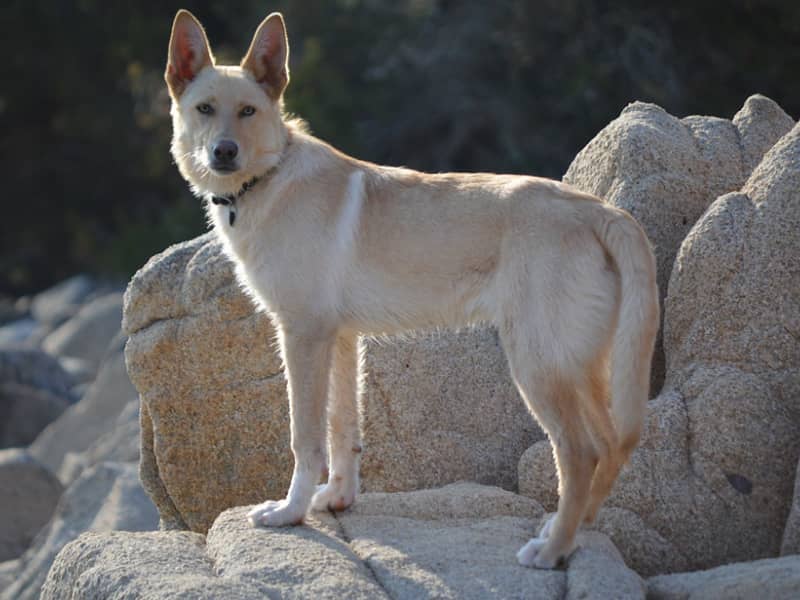
| Height | 57–65 cm |
| Weight | 25–38 kg |
| Lifespan | 11–13 years |
| FCI group | not FCI-recognised (Galician national) |
| Origin | Spain (Galicia) |
Exact ratings
Common health issues
Nutrition
The Can de Palleiro is an ancient breed of sheepdog rescued from the brink of extinction – is one of the rarest in the world. These strong and hardy dogs are happily kept in northwest Spain… and almost nowhere else. The shepherds’ favourites were crossed with other breeds for a long time until almost no purebred representatives remained. If you are lucky enough to meet a Can de Palleiro, know this: the four-legged “soul of the family” is extremely mistrustful of strangers. Learn more on Tvaryny.
Can de Palleiro: A brief overview of the rare breed
| Origin | Spain (Galicia) |
| Recovery programme start | 1999 (official launch by the Xunta de Galicia) |
| Group | Herding and shepherd dogs (recognised by Spanish national clubs) |
| Lifespan | 12-15 years (long-lived) |
| Height at withers | Males: 59-65 cm; Females: 57-63 cm |
| Weight | Males: 30-38 kg; Females: 25-33 kg |
Breed History: A journey from obscurity
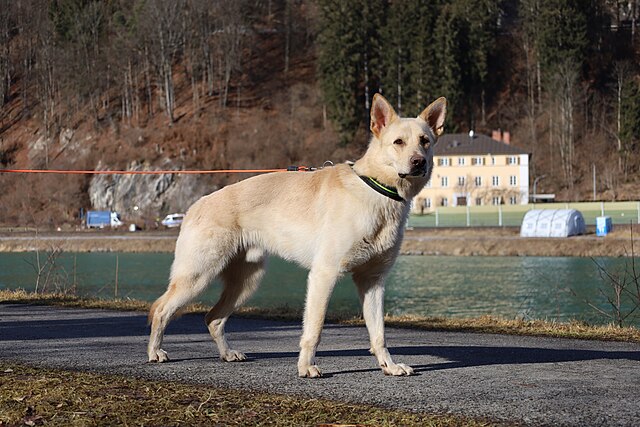
The history of this breed is rooted in deep antiquity. The Can de Palleiro is a little-known but truly ancient breed that accompanied Celtic tribes during their expansion into the Iberian Peninsula. They are descendants of Indo-European dogs, sharing a common ancestry with breeds such as the Belgian, Dutch, German, and Picardy Shepherds. For several centuries, they have guarded cattle herds and their master’s farmsteads in the harsh conditions of Galicia.
Unpretentious, intelligent, and obedient, these dogs were indispensable helpers to farmers for a long time. However, with the rise of industrialisation and the fashion for foreign breeds in the 20th century, their population began to plummet. Can de Palleiro dogs were crossbred uncontrollably with other dogs, diluting the gene pool, and found themselves on the verge of total extinction.
The situation became critical in the 1990s. To restore the population, the Spanish authorities, specifically the Galician government (Xunta de Galicia), announced a large-scale search for purebred “straw dogs”. In 1999, when the official recovery programme began, only two dozen typical representatives were counted that had preserved the phenotype and working qualities. Nine years of painstaking breeding work, genetic tests, and selection increased their numbers eightfold.
Targeted breeding of the Can de Palleiro continues to this day under the aegis of the “Club da Raza Can de Palleiro”. Consequently, these “Galician dogs from the straw barn” serve once again as shepherds, guards, and – thanks to their exceptional sense of smell and intelligence – as guides and rescuers in emergency services.
Breed Appearance
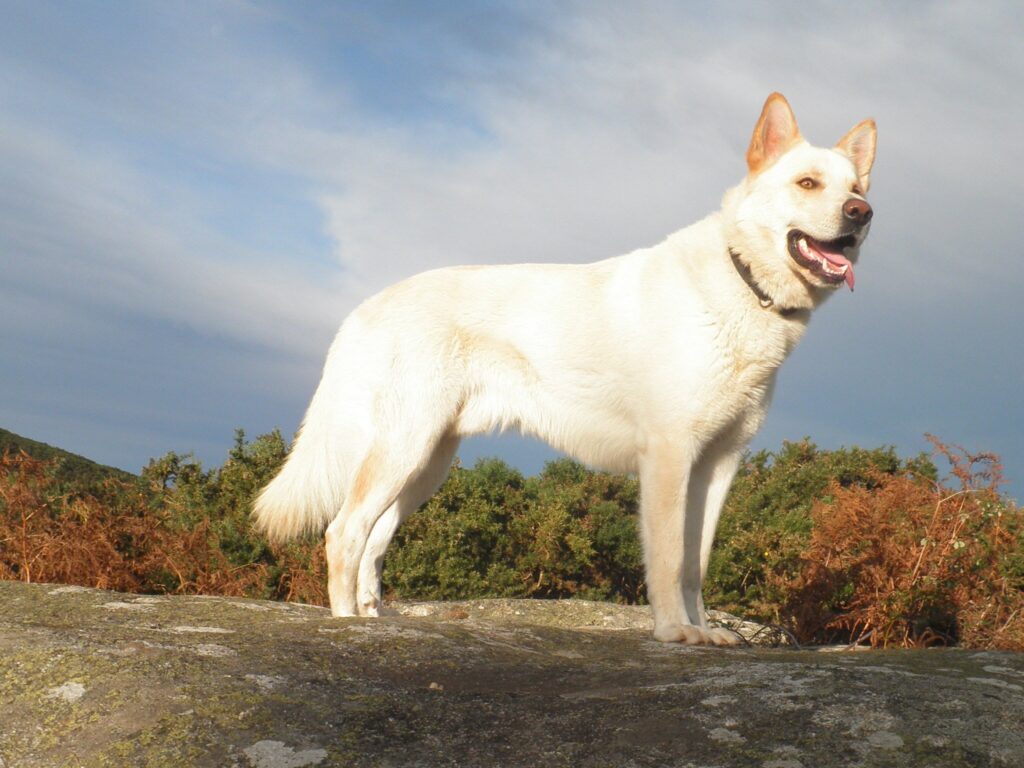
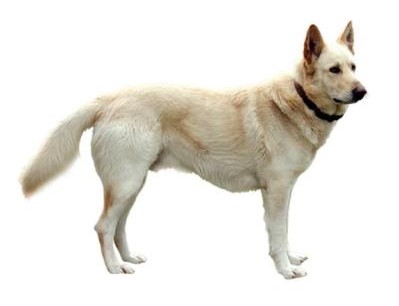
In the appearance of these straw dogs, the average observer might notice the “influence” of German Shepherds, yet the Can de Palleiro has a more “wild”, wolf-like look and less angular forms. These are mesomorphic dogs, strong, with an elongated body, muscular neck, and deep chest, providing ample lung capacity for endurance running.
Head and Muzzle
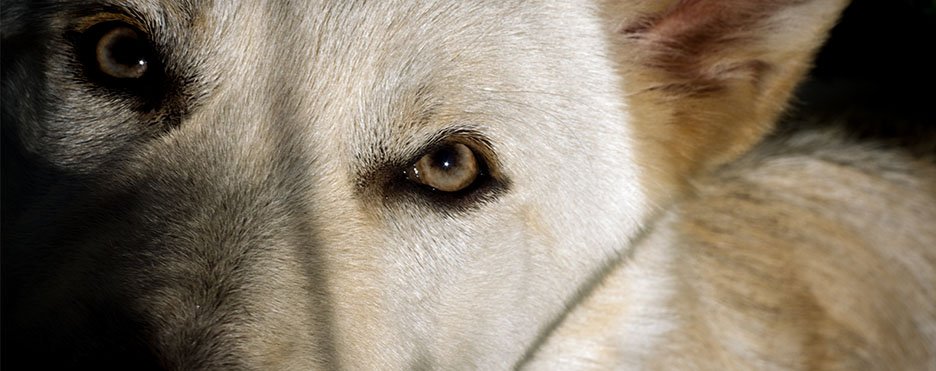
The head of the Can de Palleiro is pyramidal in shape and proportional to the body. The skull is flat and wide. Their muzzle tapers towards the nose but is not pointed like a Spitz. The transition from forehead to muzzle (the stop) is smooth, not sharply defined. The lips are tight, not drooping, and always pigmented black, as is the nose. The gaze is one of the breed’s trademarks: it is lively, interested, and very expressive. The eyes are medium-sized, almond-shaped, with colour varying from dark brown to honey (amber), depending on the coat colour.
Large ears stand upright, having a triangular shape and a wide base. They are very mobile, allowing the dog to catch the slightest sounds. In a state of rest, the ears may be slightly splayed to the sides.
Body and Tail
The back is straight and muscular, the loin wide. The bushy tail is carried high, especially during movement or excitement, but never lies on the back or curls into a ring. At rest, the tail hangs down, reaching the hocks. A characteristic feature is the thick fur on the tail, resembling a fox’s brush.
The limbs are straight, strong, with well-defined joint angles, ensuring free and sweeping movements. The paws are oval (“cat-like”), with sturdy pads that allow the dog to move across the difficult rocky terrain of Galicia without injury.
Coat and Colour
The thick and coarse coat of the Can de Palleiro is their natural protection against the rain and winds of the Atlantic. The undercoat is dense, especially in winter. The colour is usually solid. The breed standard identifies several main types:
- Sand (Capa areia): the most common, ranging from light cream to rich red.
- Black (Capa negra): deep black colour, sometimes with small white markings on the chest or paws.
- Wolf (Capa lobeira): agouti colouring, where the hair has alternating light and dark zones, giving the dog a wolf-like resemblance.
- Chocolate: occures less frequently.
If you are interested in other rare breeds with unique colouring and history, we recommend reading articles about the Can Guicho (Quisquelo), which also hails from this region, or the small but brave Kai Leo.
Character: Intelligence and Loyalty
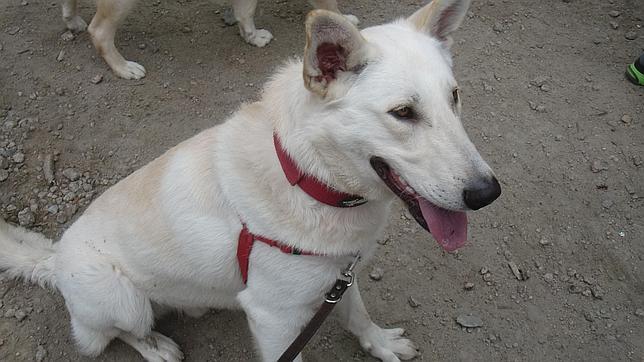
The four-legged Galician is smart and observant by nature. Its psyche was formed by centuries of selection where the ability to make decisions independently was valued. Breed qualities from the classic “shepherd set” – courage, independence, and faithful service – are combined with remarkable obedience. Unlike some other breeds that require constant control, the Can de Palleiro is capable of understanding a task and carrying it out, even if the master is not nearby.
The master’s word is law for such a dog. In the family circle, the stern guardian of the herd becomes kind and gentle, showing affection only to close family members. They sense the owner’s mood perfectly and can be unobtrusive companions when needed. This makes them ideal family dogs for those living in a house with a garden.
However, the straw dog perceives strangers with suspicion. This is not hysterical aggression, but cold wariness. It can show an active defensive reaction if it senses a real threat. It jealously guards the territory and herd entrusted to it, acting according to the situation. This trait distinguishes them from, for example, the Border Collie, which is often friendlier to strangers since its main task is herding rather than guarding. The intelligence and submissiveness of the dog have led the Can de Palleiro to serve in the police and army, where they are used to search for drugs and explosives.
Health: Genetics and Prevention
Coat Care and Hygiene
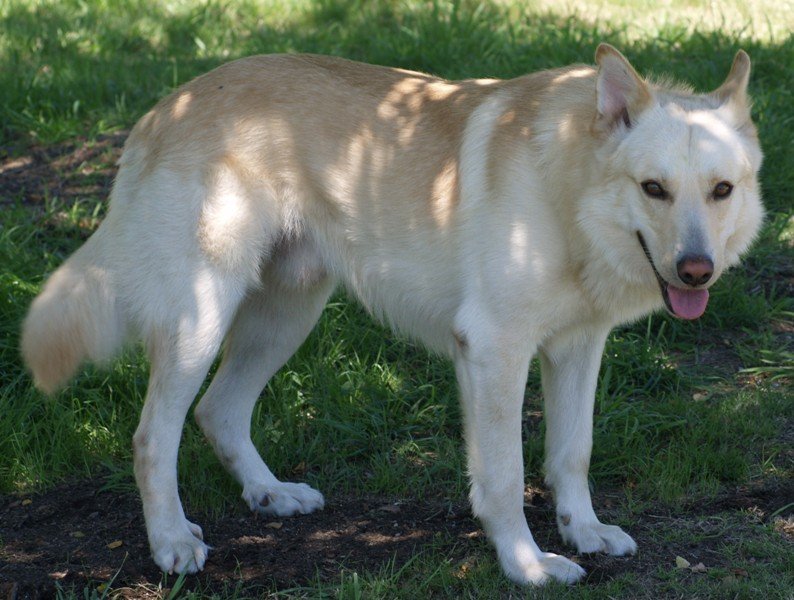
Can de Palleiros are undemanding pets. It is hard to become a fussy pamperling in conditions of daily exhausting work on a farm. Caring for representatives of this rare breed does not involve complex specific procedures requiring visits to a professional groomer. The focus is on the thick layer of fur, which is quite coarse in the straw dog and has self-cleaning properties.
Closer to winter, the coat thickens to protect the animal from the cold. It needs to be brushed regularly with a special brush or furminator, especially during the moulting period (spring and autumn). If the dog spends a lot of time outdoors, twigs, burrs, or clumps of earth can get tangled in the fur, which should be removed after every walk. Bathing the dog with shampoo is reccomended no more than 2-3 times a year so as not to wash away the protective oily layer from the skin.
Training and Socialisation
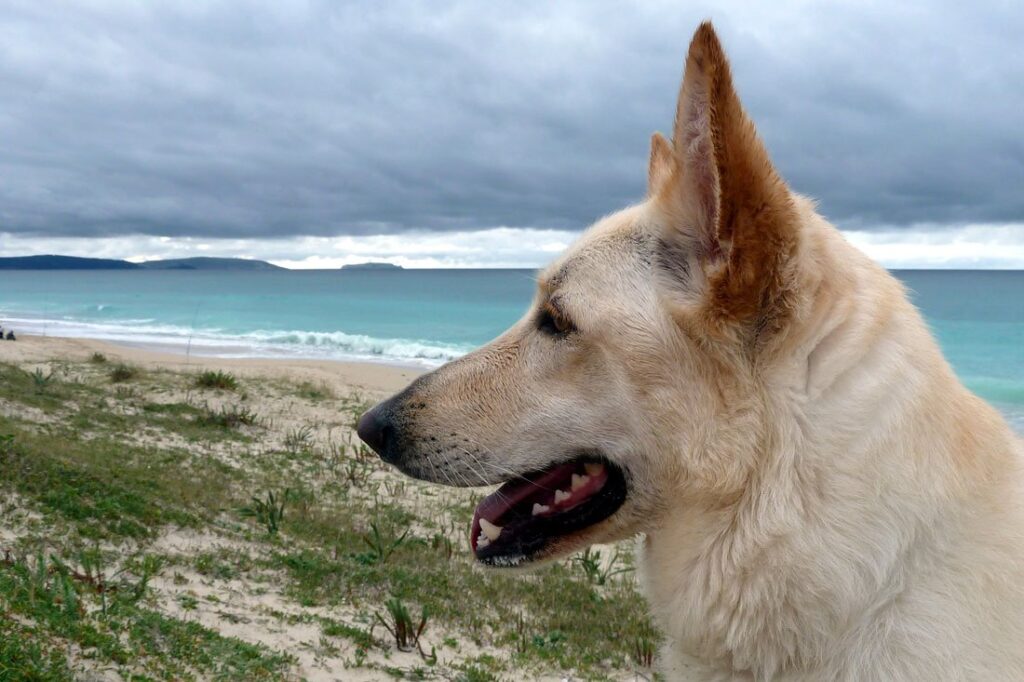
Galician straw dog puppies should be socialised as early as possible. Since natural mistrust is inherent in the breed, it is important to introduce the puppy to various people, city sounds, transport, and other animals from an early age. If this moment is missed, the adult dog may become excessively withdrawn or aggressively defensive.
Upbringing must be persistent and consistent. Do not delay the start of training. However, contrary to popular belief, harsh physical methods should not be used during teaching. The master’s authority is the guarantee that the Can de Palleiro will not contradict commands in a responsible situation, but this authority is built on fairness. The dog must not be insulted or humiliated – this wise animal has a good memory and will remember grievances.
The best method is positive reinforcement combined with clear boundaries of what is permitted. The upbringing and training of the breed are oriented towards the future service of the four-legged helper, who is unlikely to enjoy the idea of becoming an idle pet on the sofa. They need tasks: searching for objects, agility, or, if possible, herding service. In their temperament and working style, they somewhat resemble the Portuguese Sheepdog, which is their geographical neighbour.
Nutrition: Detailed Recommendations
Pros and Cons of the Breed
| Advantages | Disadvantages |
|---|---|
| Exceptional devotion to family and master | Can be overly mistrustful of guests |
| Robust health and unpretentious with food | Requires significant physical exertion |
| High intelligence and learning ability | Tendency to dominate without a firm hand |
| Versatility: shephard, guard, companion | Heavy moulting twice a year |
| Balanced psyche, absence of causeless barking | Rarity of the breed (hard to find a puppy) |
Interesting Facts About the Breed
- Polyglot Dog: Galician farmers claim that the Can de Palleiro understands commands not only in Spanish or Galician but also intuitively reads the gestures and whistles of the shepherd from hundreds of metres away.
- Unrecognised Genius: Although the breed is recognised at the national level in Spain and by the Ministry of Agriculture, it is still in the process of full international recognition by the FCI (Fédération Cynologique Internationale), even though it already has many fans outside the country.
- Film Star: Can de Palleiro dogs often appear in Spanish films and series where the image of an authentic, stern, but loyal dog is needed.
- Wolf Roots? Despite the external resemblance to a wolf (especially in the “lobeiro” colour), genetic studies have shown that this is one hundred per cent dog, albeit with a very ancient genotype.
Frequently Asked Questions (FAQ)
Is the Can de Palleiro suitable for a flat?
Theoretically, it is possible provided there are long and active walks (minimum 2-3 hours a day). However, the best environment for them is a private house with a large enclosed area where the dog can realise its guarding instinct.
How do they behave with children?
They treat “their” children very gently and patiently, often taking them under their wing. However, as with any large dog, play should take place under adult supervision. The dog may misinterpret the active play of other children with “its” child as a threat.
Is it difficult to buy a puppy of this breed?
Yes, it is quite difficult outside of Spain. Most breeders are concentrated in Galicia. When buying a puppy, it is important to check the parents’ documents and registration in the studbook to avoid getting a crossbreed.
Video about the breed
- A reliable guardian of farm and flock
- Even-tempered, with good trainability
- Devoted and calm with the family
- Hardy in a damp, cold climate
- Reserved and wary of strangers
- Independent, needs a calm leader
- Not for a flat — needs space and work
- The dense coat sheds and needs care
| Estrela Mountain Dog | Pyrenean Mastiff | Bernese Mountain Dog | |
|---|---|---|---|
| Height | 62–72 cm | 72–80 cm | 58–70 cm |
| Energy | 3 | 2.5 | 3 |
| Apartment | 1.5 | 1.5 | 2 |
| Beginners | 2 | 2 | 3 |
Where does the name “Can de Palleiro” come from?
What is the Can de Palleiro’s temperament like?
Is the breed suitable for a flat?
Galician national breed · Xunta de Galicia
For apartments · For kids · For beginners · Active · Smartest · Hypoallergenic · All rankings →