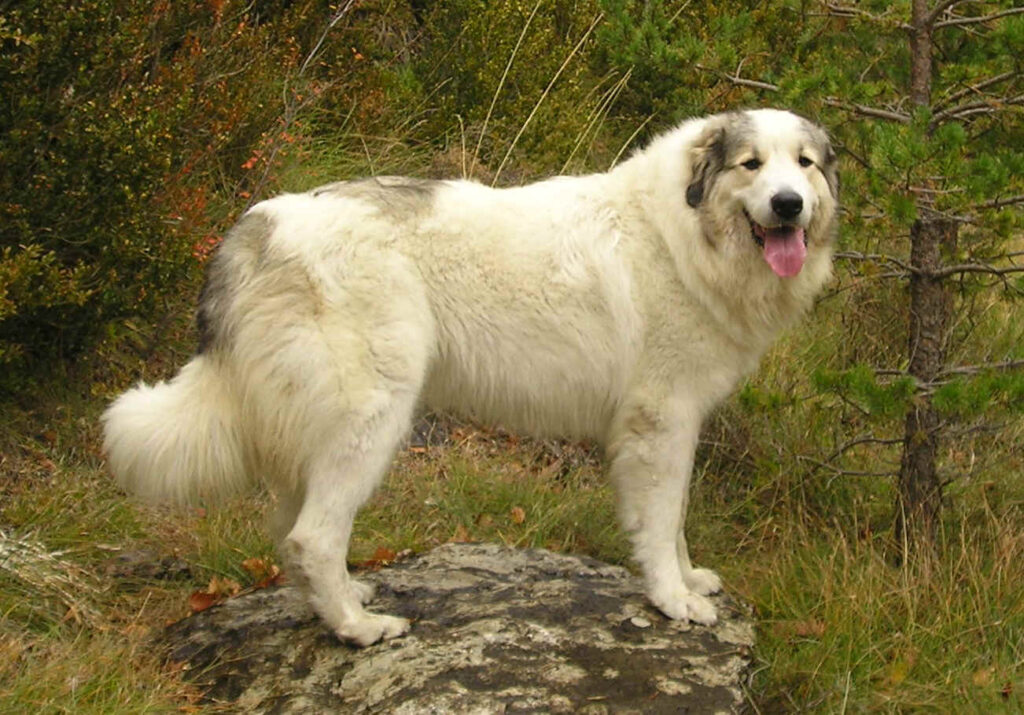
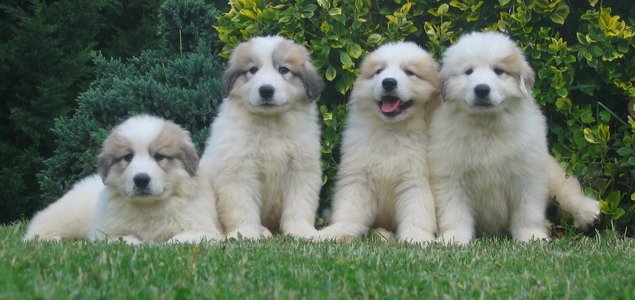
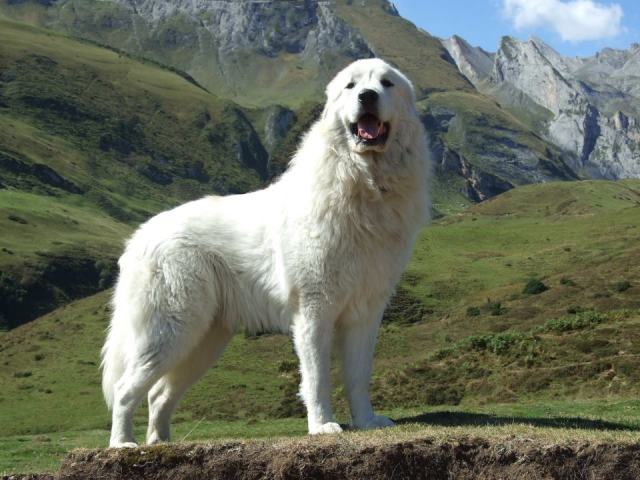
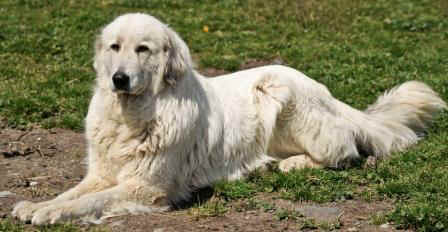
A snow-white giant guardian from the mountains: calm, gentle, independent and boundlessly devoted to its charges. The Pyrenean Mountain Dog (Great Pyrenees) is a classic flock guardian that dozes by day and patrols by night; it is affectionate with the family but self-reliant and needs space.
Apartment · not suitableKidsCatsOther dogsBeginners · with caveats
The Pyrenean Mountain Dogs, a breed overview prepared by Tvaryny, are truly striking with their majestic presence and gentle nature. These active and energetic giants are not only wonderful companions but also reliable guardians, capable of protecting any territory. Historically, these large white dogs safeguarded mountain flocks from predators, particularly wolves, and could even stand their ground against a bear. Today, they continue to perform their watchful duties in the Pyrenees. Interestingly, in France, Pyrenean Mountain Dogs are also valued for their therapeutic abilities, helping children with autism to adapt and improve their quality of life.
Pyrenean Mountain Dog: A Brief Breed Overview
Pyrenean Mountain Dog: A Brief Breed Overview · 8
Origin
France
Year of First Mention
1407 (first written description), breed standard adopted in 1907
The history of the Pyrenean Mountain Dog breed stretches back to ancient times. It's believed that the ancestors of these magnificent hounds arrived in the Pyrenees from Central Asia around three thousand years ago. The oldest archaeological finds, indicating the existence of similar dogs in this region, date back to the Bronze Age (approximately 1800–1000 BC). The first documented mention of the Pyrenean Mountain Dog comes from the French historian Jean de Froissart, who in 1407 described them as "beautiful dogs, larger than greyhounds," guarding the Château de Lourdes. Thanks to their isolated life high in the mountains, the breed maintained its original purity and avoided significant influence from other breeds. This makes the Pyrenean Mountain Dog one of the oldest and least altered breeds in the world.
For centuries, the Pyrenean Mountain Dog was an indispensable helper to shepherds in the Pyrenees, bravely defending flocks from wolves, bears, and other predators. Their strength, courage, and independent nature made them ideal guardians. The French royal family also highly valued these dogs. In the 17th century, the Pyrenean Mountain Dog became a favourite of King Louis XIV's court, who declared it the Royal Dog of France. This contributed to its growing popularity among the nobility. Interestingly, besides their guarding duties, in the past, Pyrenean Mountain Dogs were sometimes used to transport contraband across difficult mountain passes due to their strength and ability to navigate the terrain.
By the end of the 19th century, the population of Pyrenean Mountain Dogs in France had somewhat declined due to a reduction in the number of predators in the mountains, leading to a decreased need for their protective services. However, in the early 20th century, the breed was introduced to North America, where it quickly gained popularity thanks to its excellent working qualities and striking appearance. The first standard for the Pyrenean Mountain Dog breed was adopted in France in 1907, and in 1960, the breed received official recognition from the Fédération Cynologique Internationale (FCI).
What the Pyrenean Mountain Dog Looks Like: A Description of Appearance
The Pyrenean Mountain Dog is a large, powerful, and muscular dog with a proportionate build, exuding strength and elegance. Their head is large but not massive, with a broad muzzle that gradually tapers to a black nose. The lips are black and tight-fitting, though they may be slightly pendulous. Their eyes are medium-sized, almond-shaped, typically dark brown, with an intelligent and benevolent expression. The ears are triangular, medium-sized, pendulous, and lie flat against the head.
The neck of the Pyrenean Mountain Dog is strong and muscular, of medium length. The chest is broad and deep, indicating their strength and endurance. The back is straight and robust. Their limbs are powerful and muscular, with strong bone structure. The paws are compact, oval-shaped, with tightly knit toes and strong claws. A distinctive feature of the breed is the presence of double dewclaws on their hind legs, which are a legacy of their mountainous past and provide better traction on uneven surfaces.
The tail of the Pyrenean Mountain Dog is long, thick at the base, and tapers to a point. When at rest, it is carried low, but when excited or alert, it rises to the level of the back or curls into a ring, though it should not lie flat on the back. The coat is one of the breed's most characteristic features. It is long, dense, straight or slightly wavy, with abundant and soft undercoat, providing excellent protection from cold and harsh weather. The colouring is predominantly white, but light yellow, grey, or badger markings are permissible on the head, ears, and at the base of the tail. These markings should not cover more than one-third of the total body area.
Character: Temperament and Behaviour of the Pyrenean Mountain Dog
Pyrenean Mountain Dogs are renowned for their calm, balanced, and good-natured character. They are exceptionally intelligent and independent, a result of their many years working as flock guardians, where they often had to make decisions autonomously. These dogs are deeply devoted to their families and affectionate with children, patiently enduring their antics. They possess a highly developed guarding instinct and are always vigilant over their territory and loved ones. Towards strangers, the Pyrenean Mountain Dog is wary but without excessive aggression. Their imposing presence and loud bark are usually sufficient warning for unwelcome visitors.
Despite their large size, Pyrenean Mountain Dogs are not overly energetic indoors. They enjoy quiet relaxation with their family but also require regular walks and physical activity outdoors to maintain their physical and mental well-being. Their independence can manifest as stubbornness during training, so it's crucial to approach their education with patience, consistency, and positive reinforcement. Pyrenean Mountain Dogs respond well to praise and encouragement.
Socialisation is extremely important for Pyrenean Mountain Dogs. Early exposure of a puppy to various people, sounds, places, and other animals will help them grow into confident, calm, and well-adjusted dogs. Attending group training classes can also be beneficial for socialisation and learning basic commands. However, given their strong guarding instinct, it's important to consider this when introducing new animals to their territory.
Training and Socialisation of the Pyrenean Mountain Dog
Training a Pyrenean Mountain Dog requires an understanding of their independent nature and innate guarding instinct. They are not dogs that will unquestioningly obey every command, so it's crucial to establish a strong emotional bond with them, based on mutual respect and trust. Effective training methods include positive reinforcement (praise, treats, toys) and consistency in demands. Any pressure or harshness can lead to a loss of trust and undesirable behaviour.
Early socialisation is extremely important for Pyrenean Mountain Dogs. Introducing a puppy to various people, sounds, places, and other animals at a young age will help them grow into confident, calm, and appropriately responsive dogs. Attending group training classes can also be beneficial for socialisation and learning basic commands.
Given their guarding instinct, teaching commands that control barking and territorial behaviour is an important aspect of training a Pyrenean Mountain Dog. Their loud bark can be useful for warning of danger, but it should be controlled to avoid problems with neighbours.
Pros and Cons of the Pyrenean Mountain Dog Breed
Pros of the Breed
Excellent Guarding Qualities: Innate guardian instinct, vigilant and territorial.
Good-natured Temperament: Loyal and gentle with family members, especially children.
Striking Appearance: Majestic and beautiful dogs with a luxurious white coat.
Endurance and Robust Health: Adapted to harsh climatic conditions.
Cons of the Breed
Require Space: Not suitable for small apartments.
Heavy Shedding: Profuse shedding requires regular brushing.
Independent Nature: Can be stubborn during training.
Need Early Socialisation: To avoid behavioural issues.
Prone to Certain Ailments: Joint dysplasia, bloat.
Loud Barking: Can bark a lot, especially at night.
How to Care for the Pyrenean Mountain Dog's Coat
The magnificent white coat of the Pyrenean Mountain Dog is one of its most appealing features, but it requires regular care. Thanks to their dense undercoat, these dogs tolerate cold well, but in hot weather, they can suffer from overheating, so they need to be provided with a cool, shaded spot and plenty of water.
Brushing: The primary step in coat care. During shedding season (usually twice a year), the dog should be brushed daily to remove dead undercoat and prevent matting. At other times, brushing the coat 2–3 times a week with a long-toothed brush and an undercoat rake is sufficient.
Bathing: The Pyrenean Mountain Dog should only be bathed when necessary, when the coat becomes heavily soiled, as frequent bathing can disrupt the skin's natural oil balance. Use special shampoos for long-haired breeds.
Ear Care: Regularly check the dog's ears for dirt, inflammation, or parasites. Wipe the inner surface of the ear flap with a damp cotton pad, avoiding deep penetration into the ear canal.
Eye Care: Keep their eyes clean. If there's any discharge, gently remove it with a damp wipe or cotton pad soaked in a special solution.
Nail Trimming: Regularly trim the dog's nails as they grow. This is usually done every 2–3 weeks. Be careful not to damage the blood vessels located inside the nail.
Dental Care: Regularly brush your dog's teeth with a special pet toothpaste to prevent plaque and tartar build-up.
Pyrenean Mountain Dogs thrive best in a private home with a large, fenced area where they can move freely and exercise their guarding instinct. They are not recommended for apartment living due to their size and need for space.
Nutrition
Feeding the Pyrenean Mountain Dog: Key Recommendations
Health and risks
Health of the Pyrenean Mountain Dog: Typical Ailments and Prevention
Frequently Asked Questions About the Pyrenean Mountain Dog Breed
Are Pyrenean Mountain Dogs suitable for families with children?
Yes, Pyrenean Mountain Dogs are generally very affectionate and patient with children, especially if they grow up together. They are often referred to as "nanny dogs." However, due to their large size, supervise their interactions with very young children to avoid accidental bumps.
How much time is needed for coat care?
During shedding season, daily brushing is essential. At other times, 2–3 times a week is sufficient. You also need to periodically check and clean their ears, eyes, and trim their nails.
Is the Pyrenean Mountain Dog easy to train?
Pyrenean Mountain Dogs are intelligent but independent, so their training requires patience, consistency, and positive reinforcement. Harsh methods are absolutely unacceptable. Early socialisation is key to successful training.
What level of activity does this breed need?
They are not overly energetic indoors but require regular walks and physical activity outdoors to maintain their health. Long walks with the opportunity to run freely in a safe, enclosed area are ideal.
Do Pyrenean Mountain Dogs tolerate heat well?
No, they do not tolerate heat well. Thanks to their thick double coat, they are perfectly adapted to cold climates, but in summer, they need shade and constant access to cool water to avoid overheating.
Video about the Breed
FAQ
Why does the Pyrenean Mountain Dog bark at night?
It is the night-watchman instinct — historically it guarded flocks in the dark; in a city this can disturb the neighbours.
Is the Pyrenean Mountain Dog good with children?
Yes — a calm, gentle “gentle giant”, patient and caring with the family and other animals.
Is it suited to a flat?
No — a giant guardian that needs space, cool conditions and territory; the city does not suit it.