

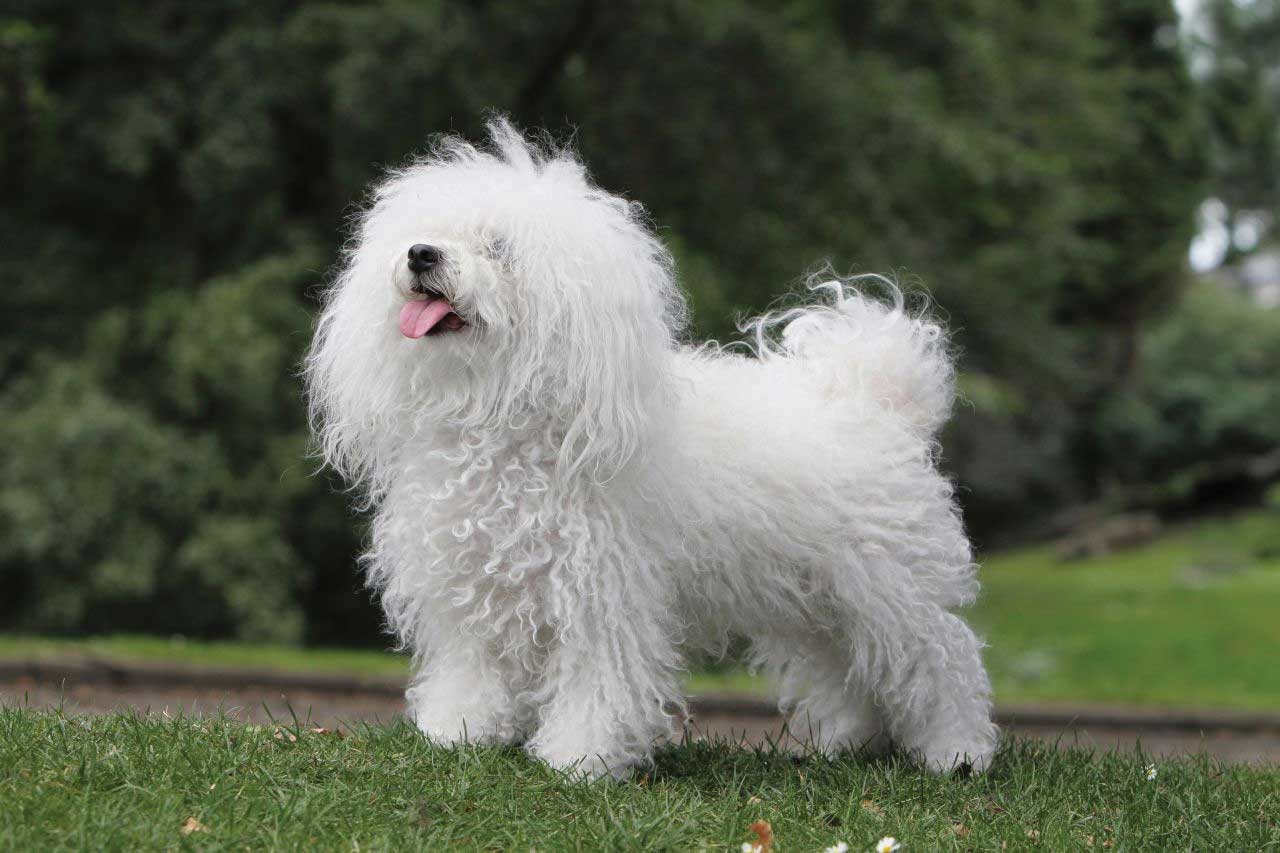
| Height | 25–30 cm |
| Weight | 2.5–4 kg |
| Lifespan | 12–14 years |
| FCI group | 9 · companion dogs |
| Origin | Italy |
Exact ratings
Common health issues
Nutrition
The Bolognese is an ancient breed of white toy dog originating from Italy. Once skilled rodent hunters in the port cities of the Mediterranean, their charming appearance and gentle nature soon made them favourites in the monarch courts of Europe. Today, these affectionate, cheerful, and incredibly devoted little dogs have earned a place of honour in the hearts of many families. They are true companions, living for human interaction. By providing a Bolognese with the proper care, you get not just a dog, but a faithful friend resembling a fluffy white cloud with an intelligent and attentive gaze. Read more about this unique breed on Tvaryny.
Bolognese: A Brief Breed Overview
| Characteristic | Description |
| Origin | Italy (City of Bologna) |
| FCI Classification | Group 9 (Companion and Toy Dogs), Section 1 (Bichons and related breeds) |
| Life Expectancy | 12-14 years (sometimes longer) |
| Height at Withers | Males: 27-30 cm, Females: 25-28 cm |
| Weight | 2.5 – 4 kg |
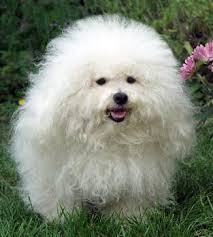
| Coat Type | Long, fluffy, cotton-like, no undercoat |
| Colour | Exclusively pure white |
| Temperament | Affectionate, playful, devoted, calm, somewhat reserved with strangers |
| Grooming Needs | Very high |
| Activity Level | Low to moderate |
| Suited for Flat Living | Ideally |
History and Origin of the Breed
The history of the Bolognese dates back to antiquity and is closely linked with the Italian aristocracy. This breed belongs to the Bichon family, which includes several small white dogs known in the Mediterranean since the Roman Empire. It is believed their ancestors, similar to modern Maltese, were popular companions for Roman matrons.
However, the Bolognese emerged as a distinct breed in Italy, taking its name from the city of Bologna, which became their breeding centre during the Renaissance. By the 11th-12th centuries, these charming little dogs were favourites among the nobility. They were valued for their beauty, intelligence, and incredible loyalty. Wealthy and influential families, such as the Medici and Gonzaga, considered it prestigious to gift Bolognese puppies to other monarchs and dignitaries as valuable diplomatic presents.
King Philip II of Spain, upon receiving two Bolognese from the Duke d’Este, wrote: “It is the most royal gift one can make to an Emperor.” The breed was extremely popular at the French court. Madame de Pompadour herself, the favourite of Louis XV, adored these dogs. Catherine the Great, Empress of Russia, was also a noted admirer of the breed and owned several Bolognese.
Despite centuries of popularity, the breed nearly vanished after the Second World War, like many other European breeds. Thanks to the efforts of dedicated Italian enthusiasts, notably the breeder Gian Franco Bolognini (whose surname coincidentally matches the city’s name), the breed was revived. They gathered the surviving dogs and began a careful breeding programme. The official breed standard was first published in 1955.
What Does a Bolognese Look Like: Standard and Appearance
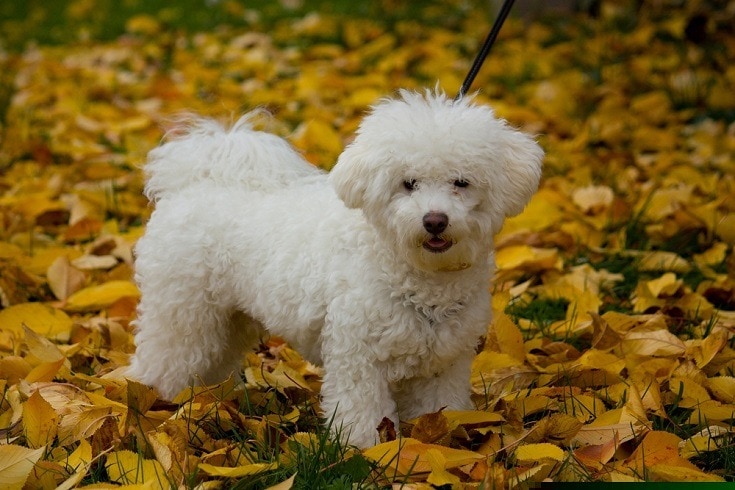
The Bolognese is a small, compact dog with a square build. Its body appears harmonious, and its movements are full of grace. The main adornment, of course, is its unique coat.
The head is of medium length, with a rather broad skull. The stop (the transition from forehead to muzzle) is well-defined. The muzzle is short but not flat. The eyes are one of the most expressive features. They are large, round, very dark (almost black), and forward-facing. The gaze is lively, intelligent, and attentive. The eye rims must be black.
The nose (or leather) must be large and exclusively black. The ears are set high, long, and hanging, held close to the head. They are covered in long hair that merges with the body coat. The body is compact and square, meaning the body length is roughly equal to the height at the withers. The back is straight, and the tail is set high, carried gracefully curved over the back, and covered in long, fluffy hair.
The Unique Bolognese Coat
The Bolognese’s coat is its key distinguishing feature. It has no undercoat, which makes the dog a good choice for people prone to allergies (though no dog is truly hypoallergenic). The coat is very long all over the body, fluffy, soft, and has a cotton-like texture. It doesn’t lie flat against the body but stands off, creating a “cloud” effect. It should never be silky or harsh and doesn’t form ringlets, but rather loose “flocks” or “tufts”.
Colour: Only one colour is permitted by the standard – pure white. Any patches or shades (even the pale or yellowish tones mentioned in old descriptions) are a serious fault or disqualification. Faint “ivory” shades on the ears are tolerated, but pure white is always preferred.
Bolognese Compared to Relatives
The Bolognese is often confused with other small white dogs. They are part of the Bichon family, which also includes the Bichon Frise, the Maltese, and the Havanese (though the latter comes in various colours). Here are the key differences:
- From the Bichon Frise: The Bolognese is slightly calmer in temperament. Its coat is fluffy and “cottony,” whereas the Bichon Frise’s coat is more curly, dense, and springy, resembling velvet.
- From the Maltese: The Maltese has a completely different coat structure – it’s long, straight, silky, and falls to the ground like a mantle. The Bolognese’s coat is fluffy and stands off the body. The Bolognese also has a more square body shape.
Comparison Table
| Characteristic | Bolognese | Bichon Frise | Maltese |
|---|---|---|---|
| Coat Structure | Fluffy, cotton-like, “cloud,” no undercoat | Double coat, dense, springy, velvety, forms spiral curls | Single coat, long, straight, silky, falls to the ground, “mantle” |
| Body Format | Square | Slightly rectangular (length slightly more than height) | Rectangular (length noticeably more than height) |
| Temperament | Calm, serene, very owner-oriented, reserved with strangers | Very playful, energetic, “clownish,” very sociable with everyone | Playful but can be stubborn, elegant, sometimes vocal |
| Energy Level | Low to moderate | Moderate to high | Moderate |
| Grooming Needs | Very high (daily brushing) | Very high (needs professional grooming to maintain shape) | Highest (if kept in full coat) |
Character and Temperament: The Ideal Companion
If you had to describe the Bolognese’s character in one word, it would be “companion.” This dog was bred over centuries exclusively to be by a person’s side, to give and receive love. They are incredibly focused on their family and their owner.
The original description of an “independent nature” isn’t quite accurate for the modern Bolognese. In reality, they are highly dependent on their owner. They literally follow them “like a shadow” from room to room and tolerate being alone very poorly. This breed is absolutely not suited for people who spend all day at work. A Bolognese left alone will suffer, which can lead to destructive behaviour and incessant barking. This is a key trait of their temperment to consider.
They are very affectionate, gentle, and adore physical contact – sitting on laps, cuddling. Yet, they are not pushy, but rather calm and composed. This isn’t an “energiser bunny” like a Jack Russell, but rather a dog for quiet evenings.
Interaction with Family, Children, and Other Animals
Bolognese get along wonderfully with all family members but usually pick one “favourite.” They can be good companions for older, gentle children who understand how to handle a small and rather fragile dog. For families with very young or boisterous children, the Bolognese is not the best choice, as it can become frightened or even injured.
Towards strangers, they are reserved and wary, but not aggressive. They will certainly give voice if someone approaches the door, making them decent “doorbells” or watchdogs (but not guard dogs, of course). They usually co-exist well with other animals (dogs, cats), especially if raised together. Their hunting instincts have long since faded.
Pros and Cons of the Breed
Like any breed, the Bolognese has its advantages and disadvantages. It’s important to assess them soberly before getting such a dog.
| Pros (Advantages) | Cons (Disadvantages) |
|---|---|
| Incredible devotion They adore their owners and are ready to spend 24/7 with them. | Prone to separation anxiety Absolutely cannot tolerate being alone; may howl and destroy things. |
| Hypoallergenic coat Lack of undercoat and low shedding make them a good choice for allergy sufferers. | Very high grooming needs Require daily brushing and regular professional grooming. |
| High intelligence They are smart, quick-witted, and respond well to training. | Prone to dental problems Like many small breeds, they need very thorough dental care. |
| Ideal for flat living Their compact size and moderate activity needs allow them to live comfortably even in a small home. | Fragility Small size makes them vulnerable to injury. Not suitable for homes with small children. |
| Calm temperament They are not hyperactive, but rather playful yet composed. | Prone to “small dog syndrome” Without proper training, they can become yappy, spoiled, and unmanageable. |
| Good companion for the elderly Their affectionate nature and low exercise needs make them wonderful companions. | Difficult to house-train Some individuals can be stubborn in this regard. |
Care and Maintenance
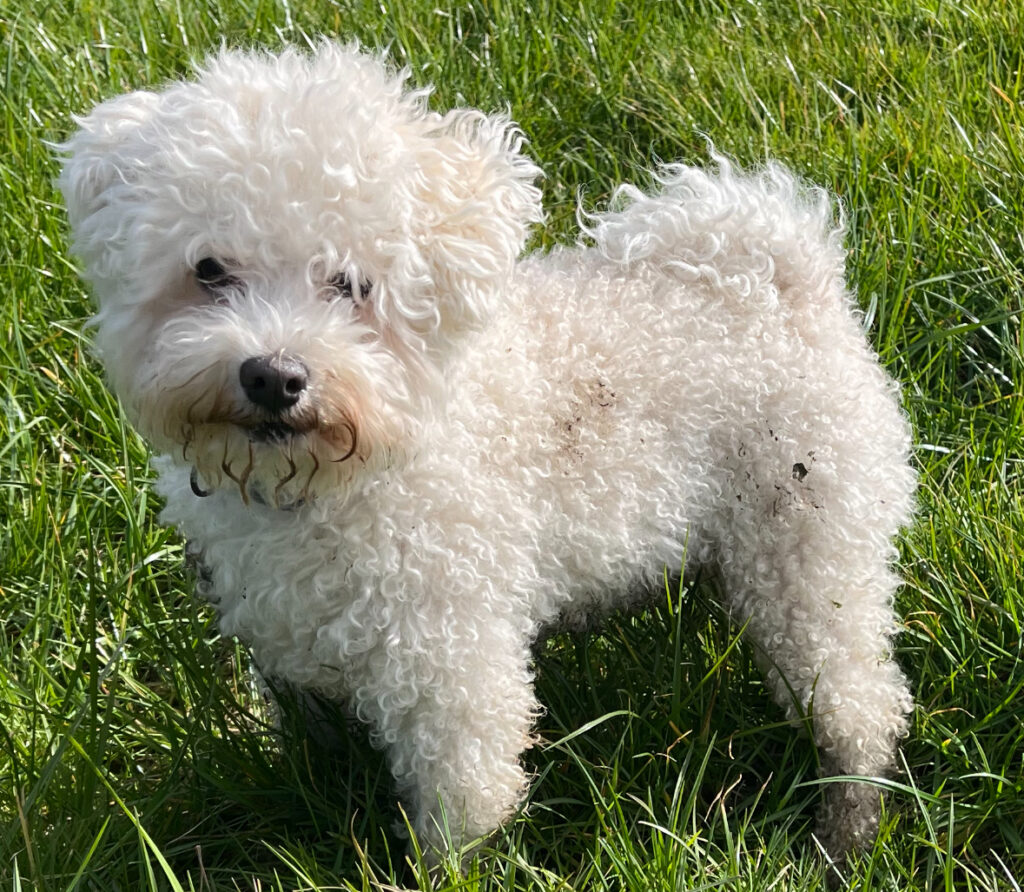
Caring for a Bolognese is perhaps the most demanding aspect of owning this breed. It requires time, patience, and financial investment.
Grooming: How to Care for the White Coat
Brushing: This is a daily and mandatory procedure. Their fluffy, single-layer coat mats very easily and quickly, especially behind the ears, under the armpits, and on the belly. If you skip brushing for even a day or two, the mats can become so tight they can only be cut out. Use a metal comb with varying tooth spacing and a soft slicker brush.
Clipping: Although the breed standard calls for a long, natural coat, most non-show owners prefer to keep their pets clipped. This makes maintenance much easier. A “puppy cut,” where the coat is trimmed to an even length all over the body, is popular. This trim needs to be redone by a professional groomer every 6-8 weeks.
Tear Stains: This is a common issue for Bolognese and other light-coloured breeds. These are reddish-brown stains under the eyes caused by excessive tearing (epiphora). The causes can vary: allergies, blocked tear ducts, improper diet, or simply genetic predisposition. It’s important to wipe the under-eye area daily with special lotions or boiled, cooled water. In some cases, switching to filtered water and a hypoallergenic diet can help.
Hygiene: Bathing, Teeth, and Ears
- Bathing: Bathe a Bolognese as needed, but not too frequently, to avoid drying out the skin – usually once every 3-4 weeks. Use only high-quality, mild shampoos for white dogs that don’t cause allergies. After a bath, the coat must be blow-dried while brushing, otherwise, it will mat instantly.
- Dental Care: This is critically important! Small breeds like the Bolognese are prone to plaque and tartar build-up, leading to periodontal disease and early tooth loss. Ideally, brush the dog’s teeth daily with a special toothpaste and brush.
- Ear Care: Their drop ears create a moist environment ripe for infections. Regularly check the ears, clean them with a special solution, and pluck the hair growing inside the ear canal for better ventilation.
- Nails: Trim the nails every 2-3 weeks to prevent discomfort when walking.
Exercise and Activity
The Bolognese is not an athlete. They don’t need marathons or intense workouts. Their activity needs are low to moderate. Two short walks on a lead (20-30 minutes each) per day are quite sufficient. Far more important to them are indoor games with their owner. They love playing with toys and chasing a ball around the flat. They also need mental stimulation – interactive toys and learning simple commands are perfect for this.
Health: Typical Illnesses and Prevention
Feeding: Diet Specifics
Training and Upbringing
Bolognese are intelligent dogs that genuinely want to please their owner. This makes training them relatively easy, but there are nuances. They are very sensitive to a person’s tone of voice and mood. You must not shout at them or use harsh punishment methods – this will only cause the dog to shut down, become fearful, and refuse to cooperate.
Positive reinforcement is the only correct method. Praise, treats, and play are what motivate a Bolognese. Training sessions should be short (10-15 minutes) and engaging, like a game.
Early socialisation is critically important. Due to their natural wariness of strangers, a Bolognese puppy must be introduced to different people, sounds, places, and other dogs from a young age. This will help raise a confident dog, not a timid or yappy one.
House-training can be a challenge. Small breeds have small bladders and need to go outside more frequently. Be consistent, use puppy pads (if necessary), and praise every success outdoors.
The biggest danger in raising them is “small dog syndrome”. This is when owners let a small dog get away with things they would never allow a large dog to do (jumping on people, barking, growling over food) because it seems “cute” or “harmless.” The result is a tiny tyrant. You must be just as consistent and firm (but gentle) with a Bolognese as with any other breed.
Interesting Facts About the Breed
- Diplomatic Dogs: For centuries, Bolognese puppies were used as valuable diplomatic gifts between the royal courts of Europe.
- Favourites of the Famous: Besides Madame de Pompadour and Catherine the Great, historical figures like Maria Theresa of Austria also owned Bolognese.
- “Anti-Stress Dogs”: Their calm, gentle nature and need for cuddles make them excellent therapy dogs. They literally “absorb” their owner’s stress.
- They barely shed: As they have no undercoat, they practically do not shed. Dead hairs remain in the coat and are removed during daily brushing.
- Their coat never stops growing: Like human hair, the Bolognese’s coat will grow continuously if not clipped.
- Not built for cold: The lack of an undercoat makes them very vulnerable to cold, wet weather. They definitely need a warm coat in winter.
Frequently Asked Questions (FAQ)
Do Bolognese shed a lot?
No, they shed very little. The lack of an undercoat means dead hairs stay in the coat rather than on your furniture. They need to be removed with daily brushing. This makes them an excellent choice for house-proud people.
Are Bolognese hypoallergenic?
No dog is 100% hypoallergenic, as allergies are caused by proteins in saliva and dander, not the hair itself. However, Bolognese are considered one of the best breeds for allergy sufferers due to their low shedding and minimal spread of dander.
Are they noisy?
They have a tendency to be “doorbells,” meaning they will bark when someone arrives or when they hear unusual sounds. They may also bark out of boredom or loneliness. Proper training and socialisation from a young age help to keep this in check.
Can a Bolognese be left alone at home?
This is highly discouraged. Bolognese are companion dogs that suffer from separation anxiety. They should not be left alone for a full working day (8-9 hours). They are suited for people who work from home, retirees, or families where someone is always at home.
How much does a Bolognese puppy cost?
The price for a Bolognese puppy from a responsible breeder (e.g., Kennel Club registered) can be quite high, often running into four figures. The cost depends on the pedigree, the health of the parents, and the breeder’s reputation. It’s important to choose based on quality, not price, to avoid future health and temperament problems.
Video About the Breed
- Gentle, devoted, calm
- Quieter than other bichons
- Ideal for a flat
- Affectionate and people-oriented
- Cannot bear being alone
- The fluffy coat needs grooming
- Fragile — take care with small children
- Can be shy with strangers
| Bichon Frise | Maltese | Coton de Tulear | |
|---|---|---|---|
| Height | 23–30 cm | 20–25 cm | 22–30 cm |
| Energy | 3.5 | 3 | 3 |
| Apartment | 4 | 4 | 4 |
| Beginners | 3.5 | 3.5 | 4 |
How does the Bolognese differ from the Bichon Frise?
Can the Bolognese be left alone?
Does the coat need a lot of care?
FCI Standard No. 196 · The Kennel Club
For apartments · For kids · For beginners · Active · Smartest · Hypoallergenic · All rankings →