

| Weight | 4–8 kg |
| Lifespan | 12–17 years |
| Coat | short, dense, plush |
| Recognition | CFA · TICA · WCF · FIFe |
| Origin | Great Britain |
Exact ratings
Common health issues
Nutrition
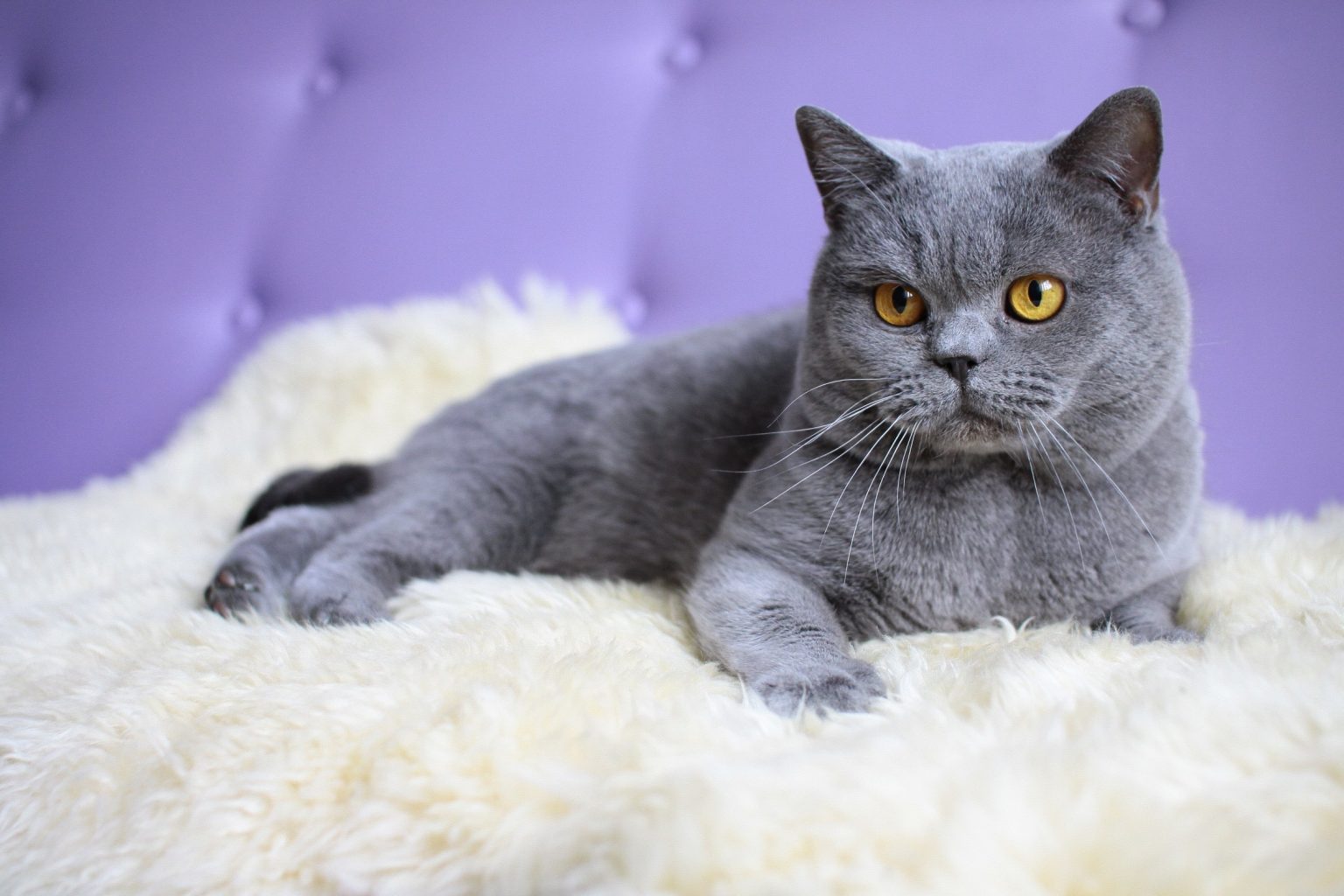
The British Shorthair is a breed of calm, majestic pets that feel equally comfortable in a city apartment or a country house, where they can exercise their natural hunting instincts. These cats are known for their plush coats, rounded forms, and balanced temperament. They get along well with other pets, including dogs, and while they appreciate their owner’s company, they don’t demand constant attention. Their hearty appetite and tendency to gain weight require strict dietary control – the temptation to share a treat can quickly affect the figure of this “plush teddy bear.” Learn more on Tvaryny.
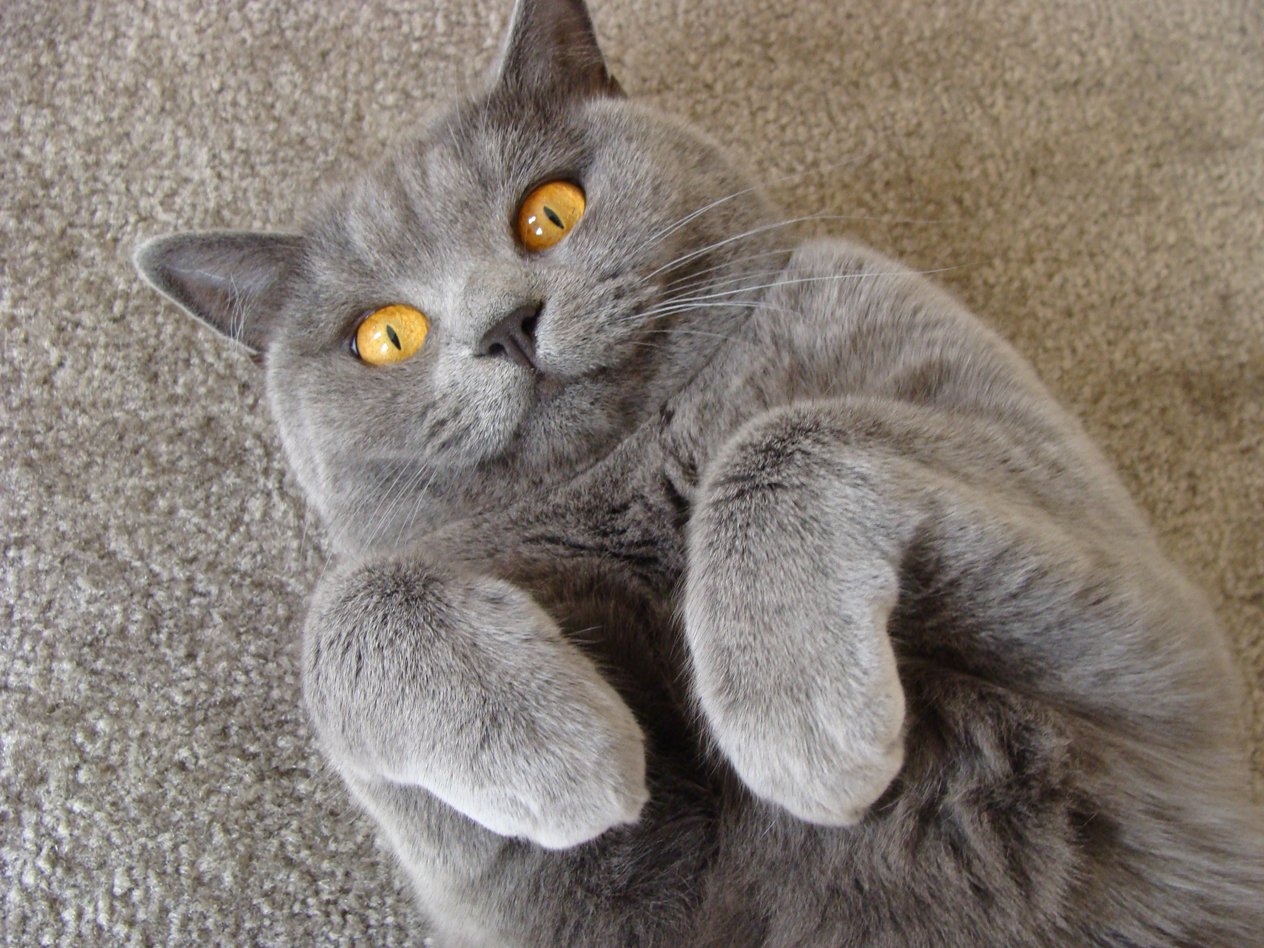
British Shorthair: A Brief Breed Overview
| Characteristic | Description |
|---|---|
| Origin | Great Britain |
| Year of Recognition (approx.) | Late 19th Century (formal recognition) |
| Life Expectancy | 12-20 years (average 14-16) |
| Height at Withers | 12-14 inches |
| Weight | Females: 7.5-11 lbs; Males: 11-17.5 lbs |
| Temperament | Calm, independent, loyal, reserved, patient |
| Grooming | Moderate (once a week, more often during shedding season) |
| Activity Level | Low / Medium |
| Compatibility with Children | Good, provided they are handled gently |
| Compatibility with Other Animals | Good |
Detailed History of the Breed
The history of the British Shorthair dates back to antiquity, likely as far back as the Roman Empire. It is believed that the ancestors of these cats arrived in Britain with Roman legionnaires, where they interbred with local wild cats. For centuries, these hardy felines lived on farms and the streets of British cities, valued primarily for their mousing abilities.
Targeted breeding efforts only began in the 19th century. A key figure in the breed’s development was Harrison Weir, known as the “father of cat fanciers.” He began selecting the best examples of street shorthairs, standardizing their type and appearance. At the first official cat show at the Crystal Palace in London in 1871, British Shorthairs caused a sensation, particularly the blue variety.
Two World Wars pushed the breed to the brink of extinction. The number of breeding animals plummeted. To restore the population and expand the gene pool, enthusiasts resorted to crossing the remaining British Shorthairs with other breeds. The most significant influences came from:
- Persians: Added mass, improved the head shape and coat texture, but also introduced the longhair gene (which periodically appears as the British Longhair) and some hereditary health issues.
- Russian Blues: Helped to restore and fix the classic blue coat color and refinement.
- Chartreux Cats: Similar in type and color, they were also used to boost numbers, especially for the blue variations.
- Domestic Shorthairs: To widen genetic diversity.
Thanks to these efforts, the breed was saved and is today one of the most popular in the world. The modern British Shorthair is the result of painstaking work by many breeders who strove to preserve and improve the unique traits of this breed.
What the British Shorthair Looks Like: Appearance
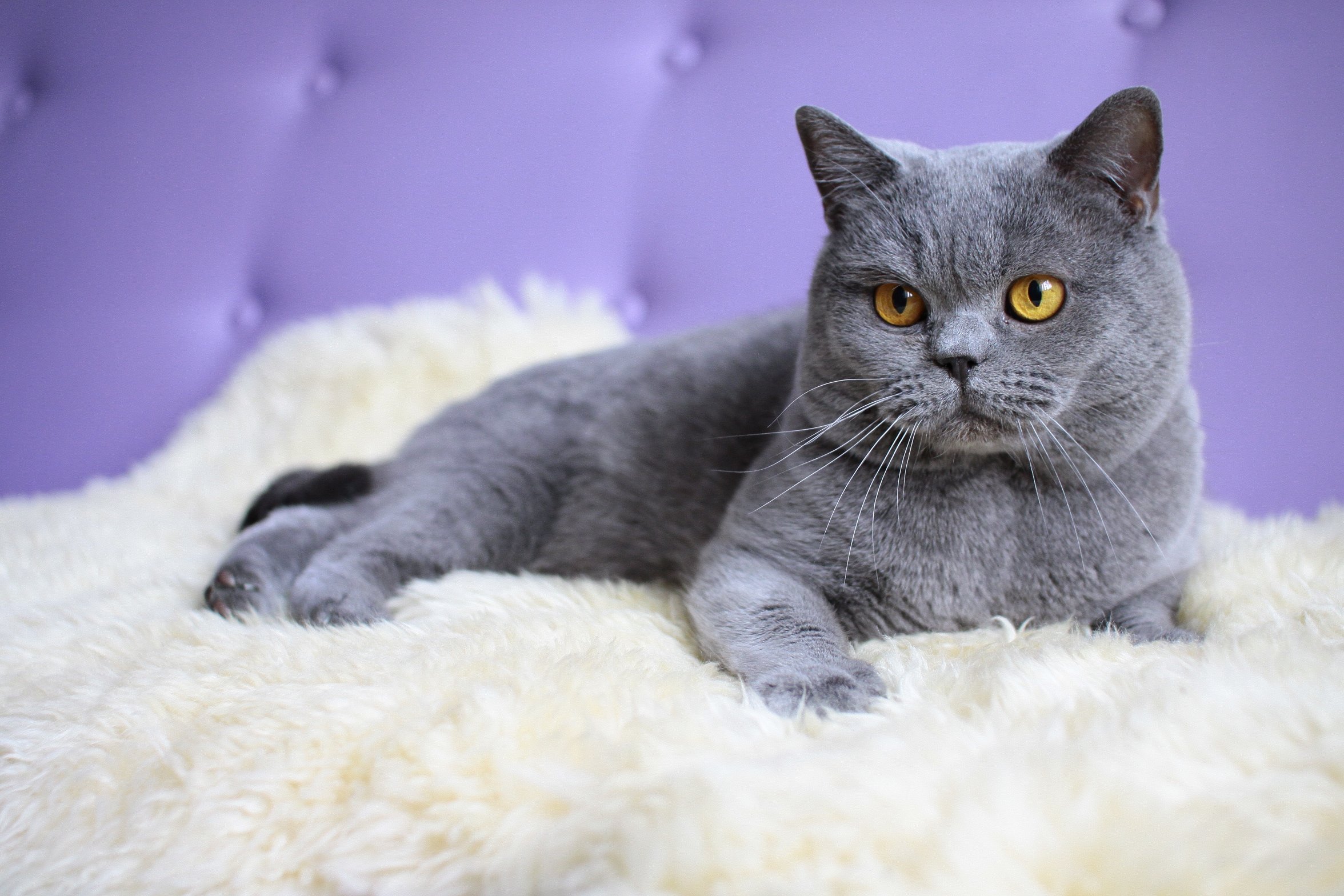
The British Shorthair gives the impression of a sturdy, cobby animal with harmonious proportions and characteristic rounded forms. Its appearance is often compared to a plush teddy bear.
- Head: Large, round, with a broad skull. It sits on a short, thick neck. The muzzle is short, with well-developed, rounded whisker pads, giving it a characteristic “smiling” expression. The chin is firm and well-developed.
- Ears: Medium-sized, broad at the base, slightly rounded at the tips. Set wide apart, fitting into the rounded contour of the head.
- Eyes: Large, round, and wide-set. The eye color is intense and corresponds to the coat color. The most common is copper or orange. In silver and chinchilla varieties, eyes can be green, and in colorpoints, they are blue.
- Body: Medium to large size, cobby, muscular, with a broad chest. The back is straight and strong. Males are significantly larger and more massive than females.
- Legs: Short, strong, with round, firm paws.
- Tail: Thick at the base, tapering gradually to a rounded tip. The tail length is proportional to the body (approximately 2/3 of the body length).
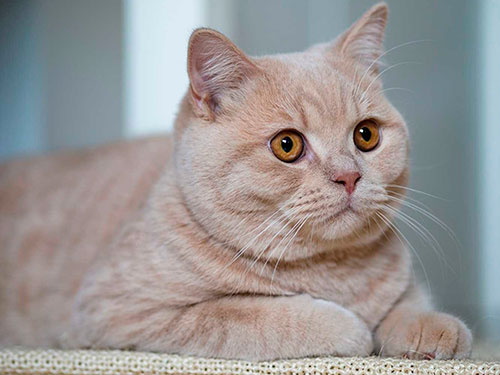
- Coat: The breed’s defining feature. Short, very dense, “plush” to the touch, it does not lie flat against the body but stands up like a hedgehog’s bristles due to the thick undercoat. The texture is resilient, not soft.
Variety of Colors
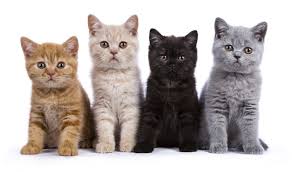
Although blue is considered the classic color, the breed standard allows for a vast array of colors and patterns. Some of the most popular include:
| Color Type | Description | Examples |
|---|---|---|
| Solid | Uniform color throughout the body without markings. | Blue, Black, White, Red, Cream, Lilac, Chocolate |
| Tortoiseshell | Patches of red/cream on a base color (black, blue, chocolate, lilac). Typically found only in females. | Black Tortie, Blue-Cream Tortie |
| Tabby | Distinct patterns present (classic, mackerel, spotted, ticked). | Silver Tabby, Brown Tabby, Red Tabby |
| Silver / Golden | Pale (silver) or warm (golden) undercoat with colored tips. Includes chinchilla, shaded, and tabby. | Black Silver Shaded, Golden Chinchilla, Blue Silver Tabby |
| Bicolor | Combination of white with another solid or tortoiseshell color. The amount of white can vary. | Blue Bicolor, Black Harlequin, Cream Van |
| Colorpoint | Light body with darker markings (points) on the face, ears, legs, and tail. Eyes are always blue. | Blue-point, Seal-point, Lilac-point |
Character: Temperament and Behavior
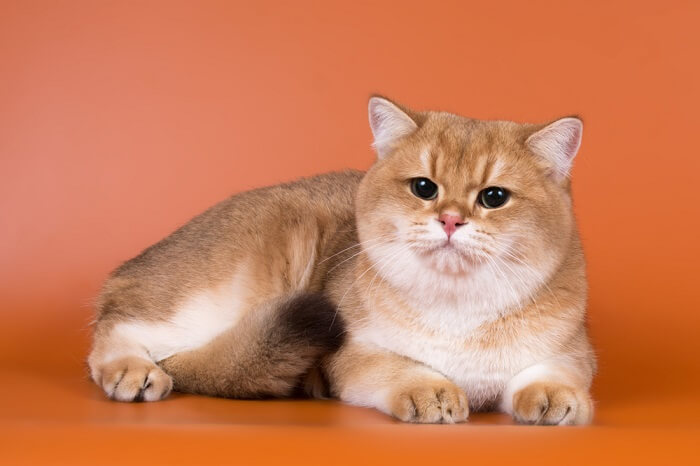
British Shorthairs are famous for their calm, balanced, and independent nature. Unlike the energetic Bengal cat, which is always on the move, the Brit is the ideal companion for people who value peace and unobtrusive affection.
- Independence: Brits value their autonomy. They do not require constant attention and are happy to spend time alone while their owners are at work. This doesn’t mean they are indifferent – they just aren’t clingy.
- Reserved Affection: These are not typical “lap cats.” They prefer to be near their owner, rather than on top of them. They express affection through quiet presence, purring, and rubbing against legs. They dislike excessive hugging or being picked up, though they tolerate affection patiently.
- Calmness and Patience: They are very level-headed cats, not prone to panic or aggression. It takes a lot to ruffle thier feathers. Thanks to this trait, they get along well with children, provided the kids are taught to respect the animal’s personal space.
- Low Activity: Especially in adulthood, Brits become quite mellow. They love a snooze in a cozy spot. Kittens and young cats are, of course, more playful, but activity levels drop with age. It is important to encourage play to maintain physical fitness.
- Quietness: British cats rarely vocalize without reason. Their meow is quiet and unobtrusive.
- Attitude to Strangers: Usually, they treat guests with caution and reserve, preferring to observe from a safe distance. Don’t expect a Brit to immediately make friends with a stranger.
- Compatibility with Other Animals: Due to their placid temperament, British Shorthairs usually coexist well with other cats and dogs, especially if introduced at a young age.
It is worth noting that they can be quite conservative and dislike changes to their environment or routine. Moving house or the arrival of new family members may require an adjustment period.
Health: Typical Illnesses and Prevention
Coat Care and Grooming
The Brit’s thick plush coat is its pride, but it requires regular care, although not as complex as long-haired breeds.
- Brushing: Despite the short length, the coat is very dense and has a thick undercoat. It is recommended to brush a Brit 1-2 times a week using a metal comb or a special deshedding tool to remove dead hair and prevent mats (although these are rare for this breed). During seasonal shedding (spring and fall), the procedure should be done more often – 3-4 times a week or even daily. Regular brushing also reduces the amount of hair the cat swallows while grooming, lowering the risk of hairballs.
- Bathing: British Shorthairs are clean cats and usually do not need frequent bathing. Bathe them only when necessary (heavy soiling, before a show). Use a dedicated cat shampoo. After bathing, it is important to thoroughly dry the coat with a towel and possibly a hair dryer (on a low setting and if the cat is not afraid of the noise) to avoid hypothermia, especially considering their thick coat takes a long time to dry.
- Eye Care: Some Brits, especially those with a flatter face, may have minor eye discharge. You should check the eyes daily and, if necessary, wipe them with a cotton pad dipped in a special eye lotion or warm boiled water. If the discharge is heavy, purulent, or changes color, consult a vet.
- Ear Care: Inspect the ears regularly (every 1-2 weeks). Clean ears are pale pink without visible dirt or odor. If there is dirt or wax, gently clean the outer part of the ear with a cotton pad dipped in a special ear cleaning lotion. Never use cotton swabs inside the ear canal to avoid damaging it. If you notice excessive wax, an unpleasant smell, redness, or if the cat shakes its head or scratches its ears, see a doctor.
- Claw Trimming: Since Brits are primarily indoor cats, their claws do not wear down naturally enough. Trim the tips of the claws with special clippers approximately every 2-4 weeks, cutting only the clear part to avoid the blood vessel. Accustom the kitten to this procedure from an early age. A scratching post is mandatory.
Training and Socialization
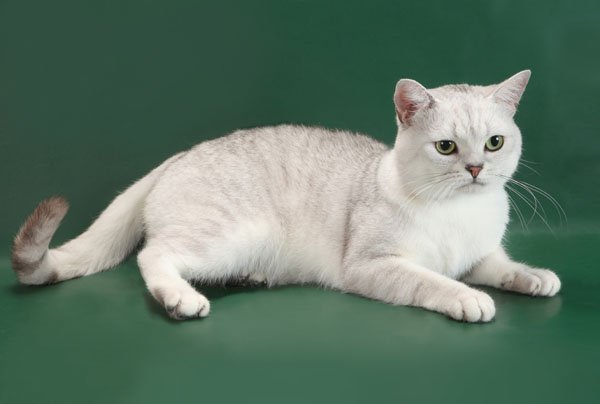
British Shorthair cats are intelligent, yet independent and sometimes stubborn, so “training” in the classical sense is difficult to apply. They are unlikely to follow commands on order like dogs. However, they can and should be taught certain rules of behavior and hygiene.
- Litter Training: Usually, there are no issues with this. Kittens quickly learn from their mother or instinctively understand where to go. It is important to keep the box clean and use a litter the cat likes.
- Scratching Post Training: To save furniture, you must show the kitten where to scratch from a young age. Buy a sturdy scratching post (or several types – vertical, horizontal) and encourage the cat to use it; you can rub it slightly with catnip or use a toy.
- Socialization: A very important stage, especially between 2 and 7 weeks (still with the breeder) and later when the kitten arrives in a new home. Introduce the kitten to various sounds, people, and other animals (if any) gradually and positively. This helps raise a confident and calm cat.
- Grooming Training: Start accustoming the kitten to brushing, eye and ear checks, and claw trimming from an early age. Do this gently, calmly, rewarding patience with treats or praise. Short and regular sessions will be more effective.
- Games and Tricks: Although Brits are not overly active, they can be interested in games with a “fishing rod,” balls, or a laser pointer (always finish the game with “prey” in the form of a toy or treat). Some particularly clever cats can be taught simple tricks (e.g., “give paw”) using positive reinforcement (clicker training, treats). The main thing is that sessions are short, interesting for the cat, and not forced.
Remember the British Shorthair’s tendency towards excess weight: use very small pieces of low-calorie treats for rewards.
Nutrition: Key Recommendations
Pros and Cons of the Breed
| Pros | Cons |
|---|---|
| Calm and balanced character: Ideal for quiet homes, doesn’t create much noise. | Tendency to obesity: Requires strict portion control and activity stimulation. |
| Independence: Tolerates solitude well and doesn’t demand constant attention. | Reserved in affection: May seem “not very cuddly” to those expecting a lap cat. |
| Good compatibility with children and other animals: Patient, non-aggressive. | Prone to hereditary diseases: HCM, PKD – choose a kitten from tested parents. |
| Low maintenance grooming: Sufficient to brush 1-2 times a week. | Heavy seasonal shedding: Requires regular brushing. |
| Cleanliness: Easily litter trained. | Low activity in adulthood: The cat needs encouragement to play. |
| Striking appearance: “Plush teddy bear,” many different colors. | Conservative: Does not like sudden changes in environment. |
| Quiet voice: Rarely meows without reason. | High price of kittens: From responsible breeders. |
Interesting Facts About British Shorthair Cats
- The Cheshire Cat?: It is believed that the British Shorthair (likely a silver tabby) was the prototype for the famous Cheshire Cat in Lewis Carroll’s “Alice in Wonderland,” thanks to its characteristic “smiling” muzzle.
- Inspiration for “Puss in Boots”: Some illustrators have also used the Brit’s image to create the character of Puss in Boots.
- Slow Maturation: British Shorthair cats grow and develop slowly, reaching full physical maturity (size and mass) only at the age of 3-5 years.
- Connection with the Scottish Fold: The British Shorthair breed was used (and is still used in some cat fancy systems) for outcrossing with Scottish Folds to maintain the latter’s health and type. Kittens with straight ears from such matings (Scottish Straights) look very similiar to Brits.
- Not Just Blue: Although blue is the most famous, Brits have one of the widest color palettes among all cat breeds.
- TV Stars and Instagram Celebrities: Thanks to their photogenic appearance and calm character, British Shorthairs often become stars of commercials and popular characters on social media.
Frequently Asked Questions (FAQ)
Are British Shorthair cats hypoallergenic? No, British Shorthairs are not hypoallergenic. Allergies are caused not by the fur itself, but by the protein Fel d 1 found in saliva, skin secretions, and urine. Although some people may react to them less than to other breeds, this is individual. Before getting a cat, allergy sufferers are advised to spend time with representatives of the breed.
Do British cats shed a lot? Yes, due to their very dense undercoat, Brits shed quite noticeably, especially during seasonal shedding in spring and fall. Regular brushing helps control this process.
Do British cats like being held? Mostly no. They value their owner’s company and may sit nearby on the sofa, but usually dislike being picked up, hugged, or squeezed. They prefer more reserved displays of affection.
How long do British Shorthair cats live? With proper care and nutrition, Brits can live quite a long time – on average 12-16 years, but often survive to 18-20 years.
What is the difference between a British Shorthair, a Scottish Fold, and a Chartreux?
- Scottish Fold: The main difference is the folded-forward ears of the Folds. Scottish cats with straight ears (Straights) look very similar to Brits, as the British breed is used in their breeding. However, Brits are usually more massive, with a rounder head and denser coat.
- Chartreux: Chartreux cats exist only in blue, their coat has a slightly different texture (water-repellent, “double”), and their eyes are exclusively copper or orange. Although they look similar, these are two separate breeds with different standards and histories.
Is the British Shorthair suitable for a family with children? Yes, thanks to their calm and patient character, Brits usually get along well with children, especially if the children are taught to treat the animal with care and respect. However, it is important to explain to the child that the cat does not like excessive attention and hugs.
Video about the breed
- Calm, balanced, undemanding
- Independent — tolerates solitude well
- Good-natured, good with children and animals
- Ideal for an apartment and a novice
- Dislikes being carried
- A tendency to obesity (calm, likes to eat)
- A tendency to heart disease (HCM)
- The dense coat sheds noticeably in season
| Scottish Fold | Chartreux | Persian | |
|---|---|---|---|
| Weight | 3–6 kg | 3–7 kg | 3–7 kg |
| Energy | 2.5 | 3 | 2 |
| Apartment | 5 | 5 | 5 |
| Beginners | 4.5 | 4 | 4 |
Does the British Shorthair like to sit on your lap?
Can the British Shorthair be left alone?
Is the British Shorthair prone to weight gain?
CFA / TICA / WCF / FIFe standards (British Shorthair)
For apartments · For kids · For beginners · Most affectionate · Quietest · Hypoallergenic · All rankings →