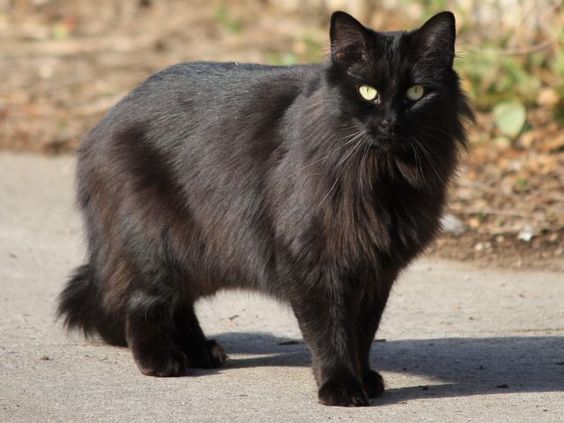
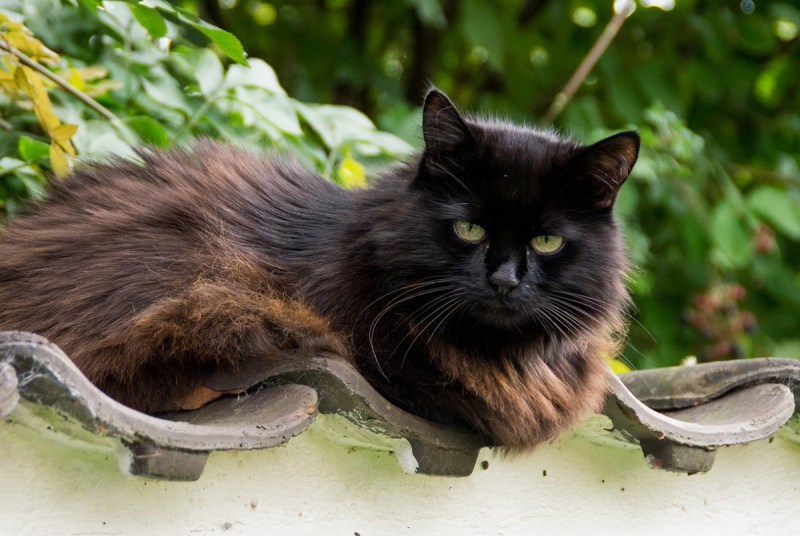
A chocolate semi-long-haired elegant with a tender soul — devoted and gentle: attached, calmly playful, clever and quiet. The Chantilly-Tiffany is a rare American breed with silky coat the color of hot chocolate; it bonds deeply with people, communicates with a soft “chirping” instead of loud meowing and copes poorly with solitude, so it needs the family's attention.
KidsDogsOther catsBeginnersTime alone · not suitable
The Chantilly-Tiffany is a charming, medium-haired cat breed known for its elegance, gentle disposition, and deep devotion to its owners. These cats combine beauty with intelligence, with roots in the United States and a revival in Canada. Playful but not hyperactive, they make wonderful companions for families with children and loyal friends for their humans. While they can be reserved with strangers, their soft and affectionate nature shines with those they love and trust. This breed requires attention and interaction, so long periods of solitude can make them feel lonely. You can find more information about this unique breed and its characteristics on Tvaryny.com. To delve deeper into the traits of these incredible cats, discover more about them on Tvaryny.
Chantilly-Tiffany: A Quick Look at Key Breed Characteristics
Chantilly-Tiffany: A Quick Look at Key Breed Characteristics · 15
Characteristic
Description
Origin
United States (original), Canada (revival)
Time of Origin/Recognition
Late 1960s (US), 1970s (Canada), officially recognized by some associations (TICA - delisted, ACFA, CCA)
Lifespan
14–16 years, sometimes longer
Size
Medium
Weight
Females: 5.5–9 lbs; Males: 9–12 lbs (sometimes up to 13 lbs)
Height at Withers
Around 10–12 inches
Coat
Medium-long, silky, without a dense undercoat
Color
Originally only chocolate, now also lilac, blue, cinnamon, fawn, black; tabby patterns possible
Eyes
Large, oval, expressive, golden or amber colored
Temperament
Gentle, devoted, moderately active, "chatty," reserved with strangers
Grooming
Brushing 1–2 times per week
Activity
Moderate, loves to play but also appreciates quiet time
Compatibility with Children
Good, provided the child is respectful of the pet
Compatibility with Other Pets
Good with proper socialization
Need for Attention
High, doesn't like to be left alone for long periods
What the Chantilly-Tiffany Looks Like: A Detailed Description
The Chantilly-Tiffany is a medium-sized cat with an elegant yet sturdy build, known for its silky coat and expressive eyes. Its appearance is harmonious, without extremes, combining grace with strength.
Head: Shaped like a broad, modified wedge with soft, flowing contours. The cheekbones are high and prominent. The muzzle is medium in length, slightly squared, with gentle lines. The nose is medium in length with a slight stop (indentation at the bridge). The chin is strong but not protruding.
Eyes: One of the breed's most distinctive features. They are large, oval-shaped, slightly slanted, and set wide apart. The eye color is an intense, predominantly golden, amber, or rich yellow. Green is possible but less desired. The eye expression is soft, gentle, and intelligent.
Ears: Medium-sized, broad at the base, with rounded tips. They are set fairly wide on the head, tilted slightly forward. A characteristic feature is the presence of long tufts of hair inside the ears (ear "furnishings"), giving them a fluffy look.
Body: Medium-sized, with a semi-foreign body type, which means a combination of elegance and muscularity. The body is moderately long, with well-developed muscles and a strong bone structure. The chest is broad and the back is straight.
Legs and Paws: The legs are medium in length, proportionate to the body, with sturdy bones. The paws are rounded and compact, with tufts of hair between the toes. The paw pads are usually pink or match the coat color (e.g., brown in chocolate cats).
Tail: The tail's length is proportional to the body. It's wide at the base and tapers to a point. It's covered in long, bushy hair, forming a luxurious "plume."
Coat:Medium-long, silky, and soft to the touch. A key feature is the absence of a dense undercoat, which makes grooming significantly easier and reduces the tendency for matting. The coat forms a beautiful ruff around the neck and "breeches" on the hind legs. The texture can vary slightly depending on the color. The coat fully develops by the age of two.
Coloring: Originally, the breed was known exclusively for its rich, chocolate-brown color, reminiscent of high-quality chocolate. Over time, other solid colors were recognized: lilac (a warm grayish-pink), blue (a grayish-blue), cinnamon (a light reddish-brown), and fawn (a warm beige), as well as black. Tabby patterns (striped, marbled, spotted) are also acceptable. The color should be uniform and rich. Speaking of rich colors, the Somali Cat and Burmese Cat are two other breeds known for their stunning coats.
It's important to note that Chantilly-Tiffany kittens are born with a lighter coat and less pronounced eye color. The full development of the coat and eye color, as well as the final formation of the tail plume and ruff, can take up to two years.
Interesting Facts About the Chantilly-Tiffany
"Lost" and "Revived": The breed's history is full of drama—from an accidental discovery in New York to almost complete extinction in the U.S. and a subsequent revival in Canada.
Name Confusion: Throughout its history, the breed has changed its name at least three times: Foreign Longhair -> Tiffany -> Chantilly/Tiffany. This often causes confusion, especially with the British Tiffanie breed.
The Chocolate Temptation: The original and most famous color of the breed is a rich chocolate-brown. Some enthusiasts jokingly called them "gourmet cats."
Golden Eyes: Although other shades are possible, intense golden or amber eyes are considered the breed's trademark and give them a special charm.
Slow Maturation: Chantilly-Tiffanies reach full physical maturity and the final development of their coat and eye color quite late—at around two years of age.
"Chatty" Intellectuals: Their ability to make quiet, "chirping" sounds to communicate is a unique trait that sets them apart from many other breeds.
Not Burmese Blood: Despite some American breeders' early attempts to cross them with Burmese cats (which almost led to the disappearance of their unique traits), modern Chantilly-Tiffany breed standards do not permit any Burmese bloodline.
The Twisted History of the Chantilly-Tiffany
The history of the Chantilly-Tiffany breed reads like a detective story, complete with disappearances, reappearances, and a confusing tangle of names. It all began in the late 1960s in New York, USA. A breeder named Jennie Robinson of the "Neotype" cattery bought a pair of chocolate-colored, medium-haired cats with golden eyes at an estate sale. The cats were named Thomas and Shirley. Their exact origins remained a mystery, but it was believed they might have been the result of an accidental crossbreed of unknown cats, possibly with a dash of long-haired Asian breeds.
In 1969, Shirley gave birth to her first litter with Thomas. All the kittens inherited their parents' distinctive chocolate coloring and elegant appearance. For the next seven years, Robinson actively bred these cats, initially calling them the "Foreign Longhair." Her cats participated in shows as an experimental breed.
In the early 1970s, another breeder, Sigyn Lund of the "Sig Tim Hil Cattery" in Florida, also acquired kittens from Robinson and began her own breeding program. It was Lund who, wanting to highlight the breed's elegance and luxury, gave it a new, more appealing name—the "Tiffany." This name was associated with the famous jewelry brand and theater, symbolizing class and sophistication. Under this name, the breed started gaining popularity.
However, the name "Tiffany" caused confusion. In the United Kingdom, there was another breed registered with the Governing Council of the Cat Fancy (GCCF) called the "Tiffanie," which was a long-haired version of the Burmilla (a cross between Burmese and Chinchilla Persians). To avoid mix-ups and emphasize the American line's uniqueness, a name change was decided upon once again.
Unfortunately, interest in the breed in the U.S. gradually waned. Some breeders tried crossing them with Burmese cats, which led to a loss of the unique breed traits and a change in type. By the late 1980s, the American "Tiffany" line had all but vanished.
Luckily, the breed got a second chance in Canada. In the early 1990s, Canadian enthusiasts, particularly from the "Amorino Cattery," decided to revive the population of these wonderful cats using surviving descendants of Jennie Robinson's original line. To distance themselves from the British "Tiffanie" and the American experiments with Burmese cats, Canadian breeders gave the breed a new, dual name: "Chantilly/Tiffany" or simply "Chantilly." The name "Chantilly" also evokes luxury and elegance, particularly the delicate Chantilly lace from France.
Today, the Chantilly-Tiffany remains a rare breed. Although it's recognized by some cat fancy organizations, such as the American Cat Fanciers Association (ACFA) and the Canadian Cat Association (CCA), it has never gained widespread recognition from the largest global associations like TICA (where its registration was discontinued) or CFA. Nonetheless, devoted breeders continue to work on preserving and promoting these unique felines. For similar breeds that are also incredibly rare, check out the LaPerm and Cymric.
Chantilly-Tiffany Personality: The Temperament of "Chocolate" Beauties
Chantilly-Tiffanies are known for their gentle, balanced, and incredibly devoted nature. They are true companions who form deep bonds with their owners and want to be a part of every aspect of family life. They are often described as "Velcro cats" because they love to follow their favorite person from room to room.
Key Temperament Traits:
Devotion and Affection: This is perhaps the most prominent trait of their personality. They form a strong bond with one or more family members and show their love with gentle purring, light nips, and a constant presence by your side.
Moderate Activity: Chantilly-Tiffanies are not hyperactive cats. They have playful periods, especially when young, and love interactive toys, wands, and may even learn to fetch. However, they also highly value quiet moments, curled up on their owner's lap or simply observing from a favorite spot.
"Talkative": These cats are known for their vocal abilities. They don't meow loudly or piercingly, but rather make soft, melodic sounds, similar to a "chirp" or a quiet "chatter." This is how they communicate with their owners, expressing their needs, greeting them, or simply commenting on what's happening.
Intelligence and Cleverness: Chantilly-Tiffanies are smart cats who learn quickly. They easily grasp household rules, can learn to open doors or cabinets (which requires vigilance from owners!), and respond well to positive reinforcement training.
Reserved with Strangers: Unlike some more extroverted breeds, Chantilly-Tiffanies are usually reserved and cautious upon first meeting new people. They may hide or observe from a distance until they feel safe. However, they are rarely aggressive.
Need for Companionship: Due to their strong attachment, these cats do not handle long periods of solitude well. If left alone all day regularly, they can become depressed, anxious, or even develop destructive behaviors. This breed is therefore best suited for people who spend a lot of time at home or for families where someone is always around.
Friendly with Children and Other Pets: With proper socialization from an early age, Chantilly-Tiffanies get along well with children who treat them with respect and gentleness. They can also peacefully coexist with other cats and friendly dogs, especially if they grew up together.
Overall, the Chantilly-Tiffany is a gentle, loving, and intelligent companion that will bring much joy and warmth to a home where it is cherished and given enough attention. Their reserved elegance is paired with deep emotional attachment, making them ideal pets for calm and caring owners.
Chantilly-Tiffany Training and Socialization
Chantilly-Tiffanies are intelligent and inquisitive cats who respond positively to training and socialization, especially if the process begins from an early age and is conducted with patience and love.
Learning and Training
Thanks to their cleverness and desire to please their owner, Chantilly-Tiffanies are quite easy to train:
Litter Box and Scratching Post Training: This usually poses no difficulty, as these cats are naturally clean. It's important to show the kitten where the litter box and scratching post are and encourage their use.
Basic Commands: They can learn to respond to their name, come when called, and sometimes even perform simple commands like "sit" or "give paw," especially when using positive reinforcement.
Learning Tricks: Their playfulness and intelligence make it possible to teach them various tricks, such as fetching a toy.
Harness and Leash Training: If you plan to take your cat for walks, start training them with a harness and leash as early as possible, gradually and with positive reinforcement.
Training Methods: The positive reinforcement method works best—praise, affection, and favorite treats for good behavior. Avoid punishments and yelling, as this can frighten a sensitive cat and undermine trust. Training sessions should be short (5–10 minutes) and fun for the animal.
Socialization
Socialization is extremely important for Chantilly-Tiffanies, given their natural caution with strangers and their need for companionship.
Early Age: The best time for socialization is kittenhood (from a few weeks to a few months old). During this period, the kitten is most open to new experiences.
Meeting People: Gradually introduce the kitten to different people (of varying ages, genders, and appearances). Let guests sit calmly, allowing the cat to take the initiative and approach them on their own. You can give the guest the cat's favorite treats to create positive associations. Do not force contact if the cat is scared.
Meeting Other Animals: If you have other pets or plan to get them, the introduction should be gradual and supervised. First, allow the animals to exchange scents (through a door, on towels), then arrange short, supervised meetings in a neutral area. Provide the cat with an opportunity to escape or hide if it feels uncomfortable.
Getting Used to Household Sounds: Acclimatize the kitten to common household sounds (vacuum cleaner, hairdryer, doorbell) so they don't cause panic in the future.
Getting Used to Grooming Procedures: From a young age, get your cat used to being brushed, having its ears, eyes, and teeth checked, and having its nails trimmed. Do this gently, with plenty of praise and treats.
A properly socialized Chantilly-Tiffany will grow into a confident, calm, and friendly cat that can feel comfortable in its home environment and adapt more easily to changes.
Pros and Cons of the Chantilly-Tiffany Breed
Like any breed, the Chantilly-Tiffany has its advantages and disadvantages that potential owners should consider.
Pros of the Breed
Exceptional Devotion and Affection: Very people-oriented, they become true family members.
Gentle and Affectionate Nature: Get along well with children (if treated with respect) and other pets.
Moderate Activity Level: Playful but not destructive, they appreciate peace and quiet.
Intelligence and Trainability: Easily learn rules and can be taught tricks.
Relatively Easy Coat Care: The lack of a dense undercoat reduces the risk of matting.
Pleasant "Voice": Their quiet "chatter" is not bothersome.
Elegant Appearance: Beautiful silky coat and expressive golden eyes.
Relatively Robust Health: the absence of described hereditary disease is not the absence of risk — breeding animals are screened all the same.
Cons of the Breed
High Need for Attention and Companionship: Do not handle solitude well, may suffer from separation anxiety.
Reserved with Strangers: Can be timid and hide from guests. They need time to adapt.
Rarity of the Breed: It's hard to find a kitten, and the price can be high. There's a limited number of breeders.
Need for Regular Grooming: Although the coat is easy to care for, brushing 1–2 times a week is mandatory.
Possible Digestive Sensitivity: Some cats may require a special diet (e.g., corn-free).
Prone to Obesity: Can gain excess weight with insufficient activity and overfeeding.
Not Suitable for Roaming: Due to their rarity and trust in familiar people, it's best to keep them indoors or on supervised walks.
Caring for a Chantilly-Tiffany: Maintaining Beauty and Health
Nutrition
Chantilly-Tiffany Nutrition: Key Recommendations for Health
Health and risks
Chantilly-Tiffany Health: Common Ailments and Prevention
Frequently Asked Questions About the Chantilly-Tiffany (FAQ) · 7
Are Chantilly-Tiffany cats hypoallergenic?
No, the Chantilly-Tiffany is not a hypoallergenic breed. Although they have less undercoat and may shed less intensely than some other breeds, they still produce the Fel d 1 allergen (in saliva, skin), which is the primary cause of cat allergies in people. People with allergies are advised to spend time with a representative of the breed before getting a kitten.
How long do Chantilly-Tiffany cats live?
With proper care and nutrition, Chantilly-Tiffanies are long-lived. Their average lifespan is 14–16 years, but many cats of this breed live even longer.
Do Chantilly-Tiffanies get along well with children and other pets?
Yes, they generally get along well with children who know how to handle animals gently and with respect. They can also coexist with other cats and friendly dogs, especially if they were socialized together from an early age. However, their caution may require a slow and gradual introduction.
Do Chantilly-Tiffanies require a lot of coat care?
Caring for their medium-long coat is relatively easy compared to other long-haired breeds, as they lack the dense undercoat that is prone to matting. Brushing them 1–2 times a week is sufficient to keep their coat silky and healthy. More frequent brushing may be needed during shedding seasons.
Can Chantilly-Tiffanies be left alone for long periods?
This breed does not tolerate solitude well due to its strong attachment to its owners. They are not recommended for families where all members are absent for a full workday on a regular basis. Long periods of solitude can lead to stress, anxiety, and depression in the cat.
Where can you buy a Chantilly-Tiffany kitten and what is the price?
The Chantilly-Tiffany is a very rare breed, especially outside of North America (Canada and the United States). Finding a responsible breeder can be challenging. It's important to only buy from reputable breeders who care about the health and socialization of their animals.
Are these cats noisy?
They are considered "talkative," but their voice is not loud or annoying. They make quiet, melodic sounds, similar to "chirping," to communicate with people.
FAQ
Is the Chantilly-Tiffany cat loud?
No — it is quiet and does not meow in the usual sense, but communicates with a soft “chirping” and trills, which makes it a comfortable neighbor even in an apartment.
Can the Chantilly-Tiffany be left alone for long?
Not advisable — a very people-oriented breed that copes poorly with solitude and is prone to depression without company; it is better to have someone at home.
Is the coat hard to care for?
Moderately — the semi-long silky coat hardly mats, but needs brushing 2–3 times a week to stay glossy.