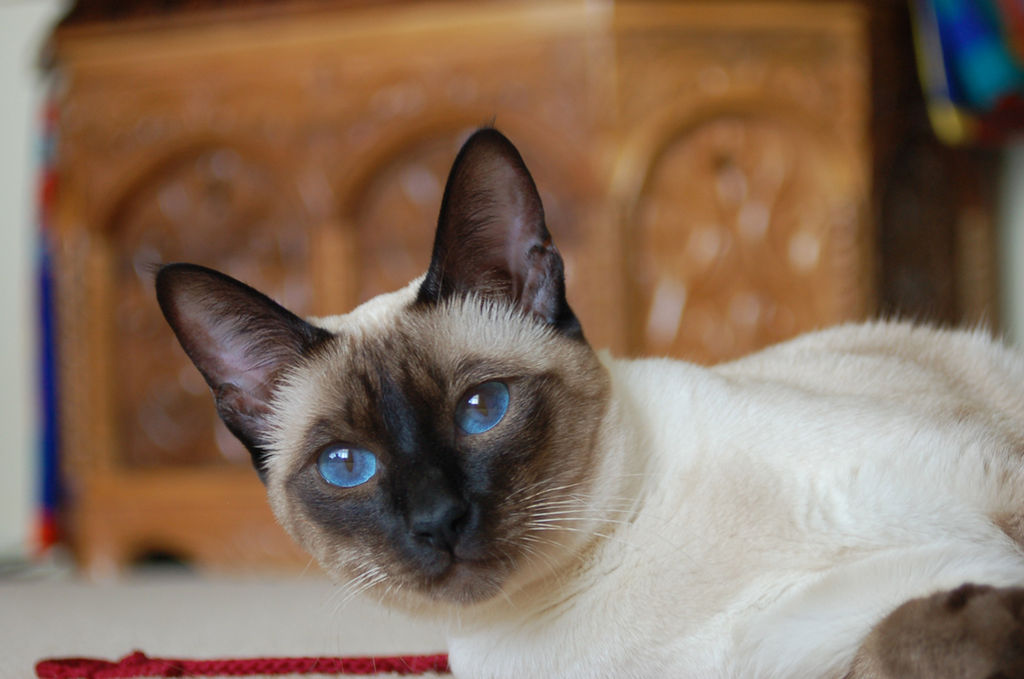
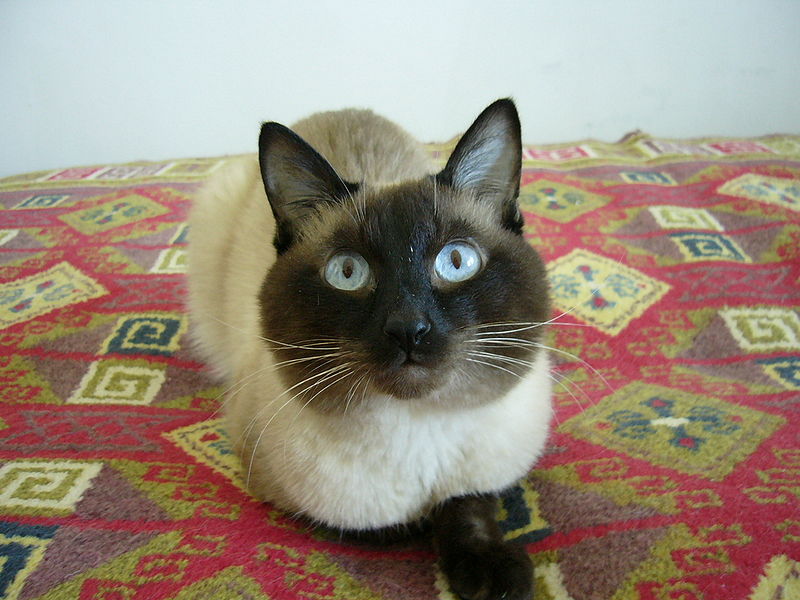
A traditional Siamese with softer lines and an “apple head” — affectionate and chatty: clever, devoted, playful and people-dependent. The Thai cat (old-style Siamese, Wichienmaat) is an aboriginal breed of Thailand with colorpoint markings and blue eyes; unlike the modern “extreme” Siamese it is rounder and sturdier, but in character it is an equally affectionate, vocal and devoted companion.
Sturdier and more balanced than the modern Siamese
Cons
Vocal and demanding of attention
Cannot bear solitude
Needs play and company
A tendency to the hereditary diseases of the Siamese
Size
ToySmallMediumLargeGiant
Compatibility
KidsDogsOther catsBeginnersTime alone · not suitable
The Thai cat, also known as the traditional Siamese, is the embodiment of the original, native type of cat from Thailand (formerly Siam). This breed has preserved its historical features, having avoided the significant changes from intensive breeding that shaped the modern Siamese cat. As a result, the Thai cat has a more robust and rounded body compared to its slender relative, but this in no way diminishes its natural grace and elegance of movement. We'll explore this more on Tvaryny. The Thai cat is a true intellectual of the feline world, sophisticated and full of dignity. This pet becomes deeply attached to its person, requires constant attention, and needs a well-balanced diet. Fortunately, it won't burden its owners with complicated care or frequent illnesses, instead becoming a wonderful, active companion for the whole family, especially for children.
Thai Cat: Key Breed Information
Thai Cat: Key Breed Information · 16
Characteristic
Value
Origin
Thailand
Other Names
Traditional Siamese, Old-Style Siamese, Wichienmaat
Late 1980s – early 1990s (formal separation from the modern Siamese type)
Lifespan
15–20 years (sometimes longer)
Size
Medium to large
Weight
Females: 8–13 lbs Males: 9–18 lbs
Height at Shoulder
Approximately 11–14 inches
Coat Type
Short, close-lying, silky
Color
Colorpoint (seal point, blue point, chocolate point, lilac point, and others)
Eyes
Almond-shaped, deep blue, sapphire
Temperament
Highly intelligent, social, active, vocal, loyal
Grooming Needs
Low
Shedding
Moderate
Compatibility with Children
High
Compatibility with Other Animals
Good (with proper socialization)
Interesting Facts About the Thai Cat
Royal Origins: Historically, Wichienmaat cats (ancestors of Thai and Siamese) were kept exclusively by members of the Siamese royal family and high-ranking officials. It was believed that they guarded palaces and temples and brought good fortune to their owners.
"Moon Diamond": The name "Wichienmaat" translates to "moon diamond," indicating their value and beauty—a light body and shining blue eyes.
Mentions in the "Tamra Maew": This ancient Thai manuscript describes various cat breeds of Thailand, including the Wichienmaat. It stated that these cats bring wealth and prosperity. The manuscript also describes other Thai breeds, such as the Korat (a silver-blue cat with green eyes).
First Siamese Cat in the White House: In 1878, the American consul in Bangkok gave a Siamese-type cat named "Siam" to Lucy Webb Hayes, the wife of U.S. President Rutherford B. Hayes. Based on descriptions, this cat was of the traditional, Thai type—sturdier than modern Siamese.
Temperature-Sensitive Color: The colorpoint pattern of Thai cats is a form of partial albinism caused by a temperature-sensitive gene. The enzyme responsible for producing the dark pigment melanin is active only at lower temperatures. Therefore, the cooler parts of the body (ears, muzzle, paws, tail) are dark, while the warmer torso remains light.
Color Changes with Age and Temperature: Kittens are born white because it's warm in the mother's womb. The points darken with age. The coat color can also change depending on the ambient temperature—in a colder climate, the body fur may become darker.
"Parents" of Many Breeds: Siamese-type cats (including the traditional one) became the foundation for breeding many other breeds, such as the Balinese (long-haired Siamese), Oriental, Burmese, Tonkinese, and the American Snowshoe cat, among others.
History of the Thai Breed's Origin
The history of the Thai cat is closely intertwined with that of its close relative, the modern Siamese cat. Both breeds descend from the native colorpoint cats of ancient Siam (now Thailand). These cats, known in Thailand as "Wichienmaat," meaning "moon diamond," have been highly valued for centuries. Mentions of them can be found in the ancient Thai manuscript "Tamra Maew" ("The Cat-Book Poems"), dating from the 14th to 18th centuries. These cats often lived in temples and royal palaces, considered symbols of good luck and wealth.
The first Siamese cats arrived in Europe and America in the late 19th century and quickly gained popularity due to their unusual appearance and intelligence. However, in the mid-20th century, Western breeders began to actively change the breed's appearance, striving for a more extreme type: a very thin, elongated body, a wedge-shaped head with huge ears, and long, slender limbs. This is how the modern, show-style Siamese cat came to be.
Meanwhile, in the breed's homeland of Thailand, as well as among some enthusiasts in the West, the original, more robust type of Siamese cat was preserved. These cats had a rounder, "apple-shaped" head, a sturdier body, and smaller ears. It was this traditional type that came to be called the "Thai cat" to distinguish it from the new, modernized version.
In the 1980s, lovers of the old-style Siamese began to unite to preserve and promote this classic type. In 1990, the World Cat Federation (WCF) officially recognized the breed under the name "Thai." Subsequently, the breed was recognized by other organizations, including The International Cat Association (TICA) in 2007. Today, the Thai cat is valued precisely for its historical appearance, reminiscent of the first Siamese cats that arrived in Europe, and for its wonderful character.
What Does a Thai Cat Look Like: Breed Standard and Appearance
The Thai cat is a medium to large-sized animal that combines a strong, muscular build with elegance and harmonious proportions. Unlike the extremely slender modern Siamese, the Thai looks more natural and balanced.
Head: A modified wedge shape with soft, rounded contours. In profile, a slight curve is visible at eye level. The muzzle is rounded and well-developed, without being pointy. The chin is strong. Compared to the modern Siamese, the head is often described as "apple-shaped," although it is not perfectly round.
Ears: Medium-sized, wide at the base, with rounded tips. They are set quite far apart, continuing the lines of the head's wedge, but are not as huge or low-set as in modern Siamese.
Eyes: Large, expressive, almond-shaped, and set slightly slanted. The color is always a rich, vibrant blue or sapphire. The depth and intensity of the color are important breed characteristics. A slight cross-eye (strabismus), which was common in old Siamese lines, is now considered a fault, though not disqualifying for a pet.
Body: Medium length, muscular but not overly massive. The chest is round, and the back is strong. The bone structure is well-developed. The overall impression is one of strength and athleticism without coarseness.
Legs and Paws: The legs are of medium length, proportional to the body, with well-developed musculature. The paws are oval and medium-sized.
Tail: Medium length, thick at the base, and tapering slightly to a rounded tip. It is proportional to the body. Kinks in the tail, characteristic of some old lines, are considered a fault.
Coat: Short, fine, and silky to the touch, lying close to the body. Unlike long-haired breeds such as the Somali cat, the Thai cat's coat is virtually without an undercoat, which makes it easy to care for.
Color: Thai cats have an exclusively colorpoint pattern. This means the main body color is light (from white to cream or light beige), while the darker markings (points) are located on the cooler parts of the body: the face (mask), ears, paws, and tail. The contrast between the light body and the dark points should be distinct. Acceptable point variations include:
Seal Point: The classic version. Very dark brown, almost black points on a light beige body.
Blue Point: Slate-blue points on an icy white or light gray body.
Chocolate Point: Warm, milk-chocolate points on an ivory-colored body.
Lilac Point: Light, pinkish-gray (lilac) points on a very light, almost white (magnolia) body.
Other, rarer variations are also possible, such as red point, cream point, tortie point (tortoiseshell), and lynx point (tabby point), depending on the standards of the specific feline organization.
It's important to note that Thai kittens are born completely white. The points begin to appear within the first few weeks of life and fully develop by one year of age or even later. The body color may also darken with age.
Thai Cat vs. Modern Siamese: Key Differences
Thai Cat vs. Modern Siamese: Key Differences · 7
Feature
Thai Cat (Traditional Siamese)
Modern Siamese Cat
Head
Modified wedge, rounded contours, "apple-shaped"
Long, narrow wedge, straight profile
Ears
Medium-sized, rounded tips, moderately wide
Very large, pointed, low-set, wide at the base
Eyes
Almond-shaped, moderately slanted
Almond-shaped, strongly slanted ("oriental")
Body
Medium length, sturdy, muscular, rounded
Long, thin, tubular, refined
Limbs
Medium length, sturdy
Long, thin, slender
Tail
Medium length, thick at the base
Very long, thin, whip-like
Overall Impression
Athletic, harmonious, natural
Elegant, extreme, refined
Character of the Thai Cat: Temperament and Behavior
The Thai cat is not just a beautiful animal, but also an incredibly intelligent, sociable, and loyal companion. Its character is often described as "dog-like" due to its strong attachment to people and its desire to be involved in all aspects of family life.
High Intelligence and Curiosity: Thais are among the smartest cats. They learn quickly, easily master tricks, and can learn to open doors, cabinets, and fetch toys. Their curiosity knows no bounds—they will explore every corner of your home.
Sociability and Human-Orientation: These are extremely social cats. They do not tolerate loneliness well and need constant interaction with their owners. A Thai cat will follow you from room to room, "help" with all your chores, and sit on your lap or next to you when you rest. They form strong bonds with all family members but often choose one "favorite" person.
Vocal Talents: Thai cats, like their Siamese relatives, are known for being very talkative. They have a wide range of sounds, from gentle purrs to loud, demanding meows. They will "talk" to you, comment on events, express their desires, or simply greet you. Although a Thai's voice is usually softer and less piercing than a modern Siamese's, it is still quite expressive.
Energy and Playfulness: These are active and agile cats that remain playful well into their senior years. They need regular games and physical exercise to release their energy. Interactive toys, scratching posts, and climbing shelves will help satisfy their need for activity and stimulate their minds.
Affection and Loyalty: Despite their independent nature, Thai cats are very affectionate and gentle with their people. They love cuddles, petting, and physical contact. Their loyalty to their owners is impressive—they will greet you at the door and miss you in your absence.
Attitude Towards Children and Other Animals: Thanks to their playful and patient nature, Thai cats usually get along well with children, especially if they grow up together. They can become excellent playmates. They also tend to get along well with other cats and friendly dogs, especially if introduced at a young age. However, their hunting instinct may pose a threat to small pets (rodents, birds).
Need for Attention: It is crucial to understand that the Thai cat is not a breed that will be happy being left alone all day. They require significant attention and interaction. If you spend a lot of time away from home, you might consider getting your Thai a companion (another cat or a dog) or reconsidering your choice of breed. Boredom and loneliness can lead to destructive behavior or depression.
Overall, the Thai cat is a charismatic, interactive, and loving family member that will bring a lot of joy to active and attentive owners.
Training and Education of a Thai Cat
Thanks to their high intelligence, cleverness, and strong human orientation, Thai cats are considered one of the easiest cat breeds to train. They quickly understand what is expected of them and often enjoy interaction and learning, as long as it's done in a positive and playful manner.
Key Aspects of Education and Training:
Early Socialization: It is very important to start socializing a kitten as early as possible. Introduce it to different people, sounds, situations, and (carefully and under supervision) other animals. This will help raise a confident and well-balanced cat.
Positive Reinforcement: Thais respond wonderfully to positive reinforcement methods. Use treats, praise, petting, and games as rewards for correct behavior or a completed command. Never physically punish the cat or yell at it—this can cause fear, aggression, and destroy trust.
Litter Box and Scratching Post Training: This is usually not a problem, as Thais are very clean. Show the kitten the litter box after eating and sleeping. Encourage the use of a scratching post by placing it near areas where the cat tries to scratch (like the sofa) and praise it for using it correctly.
Teaching Commands and Tricks: Thai cats are capable of learning various commands ("sit," "shake," "come") and tricks (fetching a toy, jumping through a hoop). Start with simple commands, conduct short (5–10 minute) training sessions regularly, using positive reinforcement. Their natural curiosity and desire to please their owner make the training process exciting.
Harness and Leash Training: If you plan to walk your cat, start getting it used to a harness gradually, while still indoors. At first, just put the harness on for a few minutes, then increase the time, then attach the leash. Always reward calm behavior.
Correcting Unwanted Behavior: If the cat does something undesirable (like scratching furniture or jumping on the counter), do not punish it, but redirect its attention to an acceptable activity (e.g., take it to the scratching post or offer a toy). Use a firm "No" or a loud noise (like a clap) to interrupt the unwanted action, but without aggression. Make sure the cat has enough toys and opportunities to release energy.
Remember that patience, consistency, and a positive attitude are the keys to successfully raising an intelligent and obedient Thai cat.
Pros and Cons of the Thai Cat Breed
Before getting a Thai cat, it's important to weigh all the advantages and disadvantages of this wonderful but demanding breed.
✅ Pros
High intelligence: Easy to train, quick-witted, understands their owner.
Extraordinary loyalty and attachment: Become true family members, very human-oriented.
Playfulness and activity: Always ready for games, stay energetic into adulthood.
Good with children: Patient and playful companions for kids.
Easy coat care: Short coat without an undercoat requires minimal grooming.
Robust health and longevity: Generally a healthy breed with a long lifespan.
Striking appearance: Classic beauty, bright blue eyes, and contrasting points.
Sociable: Love to "chat" with their owners.
❌ Cons
Very demanding of attention: Do not tolerate loneliness well, need a lot of communication and interaction.
Vocal: Can be very "talkative," sometimes loudly demanding attention.
High energy level: Need lots of play and stimulation, or they can become destructive out of boredom.
Excessive curiosity: Can get into all cabinets and open doors, which requires extra attention to home safety.
Prone to separation anxiety: Miss their owners deeply, which can manifest in unwanted behavior.
Need for mental stimulation: Get bored with monotonous toys quickly, require constant intellectual challenges.
Not for everyone: Not suitable for people who spend a lot of time away from home or are looking for a calm, independent cat.
Caring for a Thai Cat: Grooming, Hygiene, and Living Conditions
Caring for a Thai cat is not difficult, thanks to its short coat without a dense undercoat and its overall cleanliness. However, its active and social nature requires attention to its living conditions and psychological well-being.
Coat Care
The Thai cat's coat requires minimal care. Brushing it with a rubber brush or a special glove once a week is enough to remove dead hairs and distribute skin oils, giving the coat a shine. During shedding seasons (usually spring and fall), you can do this a bit more often.
Bathing a Thai cat should only be done when necessary, such as if it gets very dirty or before a show. Most cats of this breed are not fond of water, so it's best to accustom them to bathing from a young age. Use a special cat shampoo.
Hygiene Procedures
Ear Care: Check the ears regularly (once every week or two). If there is dirt or wax, gently clean them with a cotton pad moistened with a special ear-cleaning solution. Do not use cotton swabs deep in the ear canal.
Eye Care: A Thai cat's eyes usually don't require special care. If small discharges appear in the corners of the eyes, they can be removed with a clean cloth or a cotton pad soaked in warm boiled water or a special lotion. For heavy or pus-like discharge, consult a veterinarian.
Dental Care:A very important aspect of care! Regular teeth brushing (several times a week) with a special cat toothbrush and paste will help prevent plaque, tartar buildup, and gum disease. Special dental treats and dry food can also be beneficial.
Nail Trimming: Trim the tips of the claws with special clippers about once every 2–4 weeks, depending on how fast they grow. This will protect your furniture and skin from scratches. Be sure to provide the cat with several scratching posts with different surfaces (sisal, cardboard, wood).
Living Conditions and Environment
Space and Activity: Thai cats are energetic animals. They need space for games and movement. Provide your cat with toys (balls, wands, interactive toys), scratching posts, and preferably vertical space—shelves, climbing trees, or high windowsills from where they can observe the world.
Safety: Since Thais are curious and active, it is important to ensure a safe home. Remove poisonous plants, chemicals, and small objects that the cat could swallow. Install "cat-proof" screens on windows, especially if you live on a high floor.
Litter Box: The litter box should be large enough and always clean. Thai cats are very clean and may refuse to use a dirty toilet. Experiment with different types of litter to find one your pet prefers.
Social Interaction: As mentioned, Thai cats need a lot of attention. Dedicate time each day to play and interact with your pet. Do not ignore its attempts to "talk" or get your attention.
Leash Walking: Some Thai cats, thanks to their intelligence and human-orientation, can be easily trained to walk on a harness and leash. Supervised walks outdoors can be a wonderful addition to their life, especially if the cat lives exclusively indoors.
Nutrition
Feeding a Thai Cat: Key Recommendations
Health and risks
Health of the Thai Cat: Common Diseases and Prevention
Frequently Asked Questions About the Thai Cat Breed (FAQ) · 6
Do Thai cats shed a lot? Shedding in Thai cats is moderate. Since they have almost no undercoat, the amount of hair they lose is significantly less than many other breeds. A weekly brushing helps control this process.
Are Thai cats hypoallergenic? No, Thai cats are not hypoallergenic. The main cat allergen, Fel d 1, is produced by every cat without exception: it is made in the salivary and sebaceous glands, so it is present in saliva, on the skin and in the coat. How much allergen a cat produces varies far more from one individual animal to another than from breed to breed. If you have an allergy, spend time with the particular cat you are taking home and make the decision together with an allergist — the breed guarantees nothing.
How loud are Thai cats? They are quite vocal and love to "communicate." Their voice is usually not as harsh as that of modern Siamese, but they actively use a wide range of sounds to express their emotions and needs. If you want a quiet cat, the Thai breed may not be the right fit.
Can a Thai cat be left alone all day? This is not recommended. Thai cats are very social and do not handle loneliness well. If you are regularly away from home for 8–10 hours, a Thai cat may become bored and lonely, which can lead to stress or destructive behavior. In that case, it's better to get it a companion (another cat or a dog) or choose a more independent breed.
Are Thai cats suitable for families with children? Yes, Thai cats generally get along wonderfully with children. They are playful, energetic, and quite patient. It is important to teach children to treat the cat with respect, not to bother it during sleep or meals, and not to cause it pain.
What is the main difference between a Thai and a Siamese cat? The main difference is in the body type and head shape. The Thai cat represents the old, traditional type: more robust, with a rounded ("apple-shaped") head and a sturdy body. The modern Siamese cat is the result of selective breeding and has a very slender, elongated body, a wedge-shaped head with large ears. Their personalities are similar (intelligent, social, vocal), but Thais are often considered a bit calmer and less "extreme" in their behavior.
How much does a Thai kitten cost? The price of a Thai kitten can vary depending on its pedigree, class (pet, breed, or show), the breeder's reputation, and the region. It is important to choose a responsible breeder who cares about the health and socialization of the kittens. More importantly, the purchase is the smallest line item — food, litter, veterinary care, and grooming over the cat's lifetime add up to far more.
FAQ
How does the Thai cat differ from the Siamese?
The Thai is the “traditional” old-style Siamese: it has a rounded “apple head” and a sturdier body, whereas the modern show Siamese is extremely fine, with a wedge-shaped head and large ears. The point color, blue eyes and affectionate character are shared.
Is the Thai cat noisy?
Yes — as a Siamese descendant, it is vocal and likes to “talk”, though its voice is usually a little softer than the extreme modern Siamese; talking is its way of being closer to a person.
Is the Thai cat good for a family?
Very — an affectionate, clever and devoted cat, good with children and animals, “dog-like” attached to people; the key is to give it attention and not leave it alone for long.