

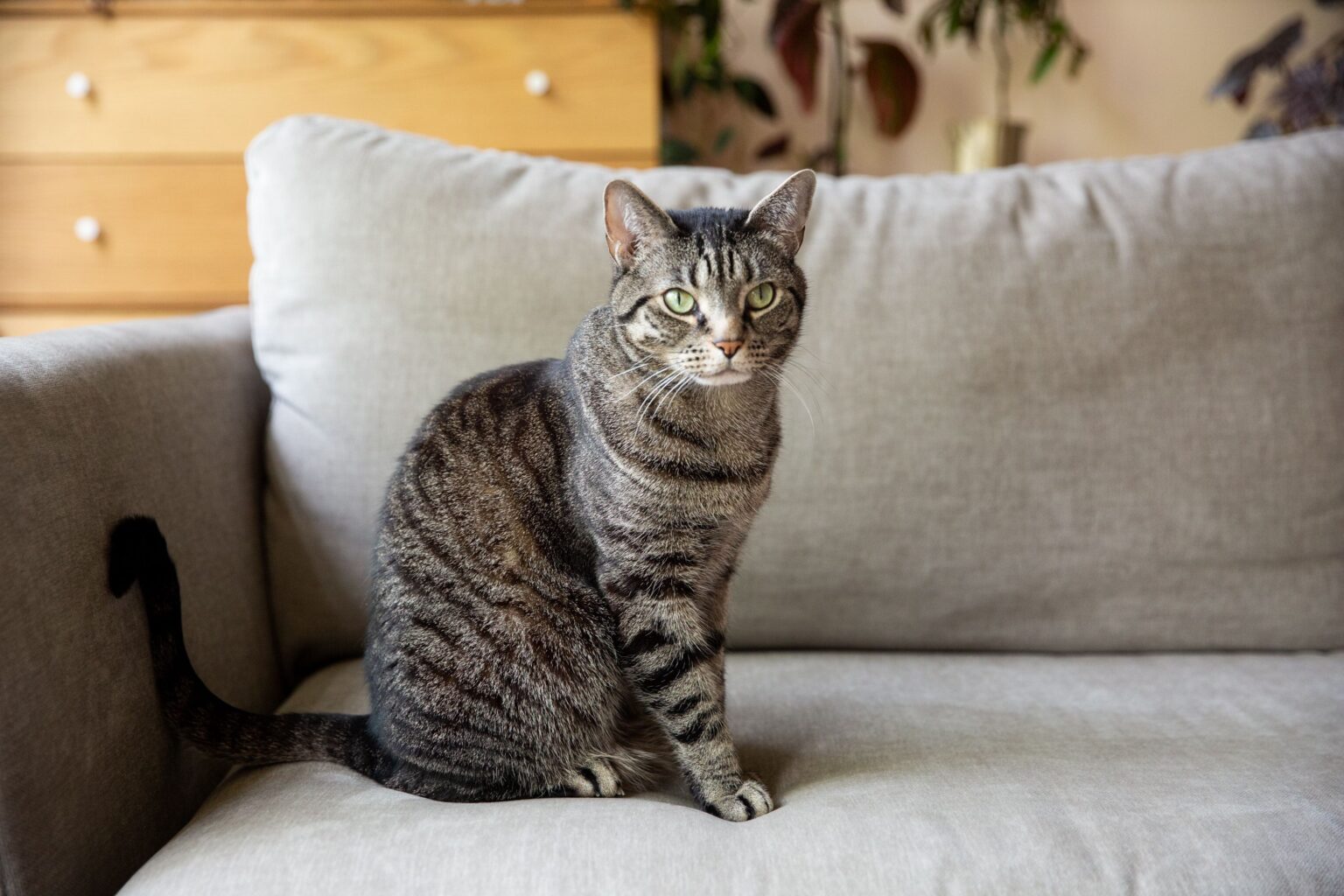
The Domestic Cat (Domestic Shorthair/Longhair or Moggy) isn’t a separate breed in the traditional sense. Instead, it’s a catch-all term for the massive population of cats with mixed or unknown ancestry, belonging to no recognized feline breed. These are the very cats we see most often – in our yards, on the streets, and, of course, in our homes. They descend from the first domesticated cats and make up the vast majority of the world’s feline population. Their history and incredible diversity are what make them so special. More on this later at Tvaryny.
Despite lacking a standardized appearance or pedigree, domestic cats are incredibly diverse in size, coloration, coat length, and personality. Each cat is a unique individual, shaped by natural selection and a random mix of genes. They are hardy, adaptable animals that have lived alongside humans for millennia, serving as both companions and skilled rodent hunters. Their low-maintenance nature, variety, and often robust health make them the most popular feline pets in the world.
The Domestic Cat: A General Overview
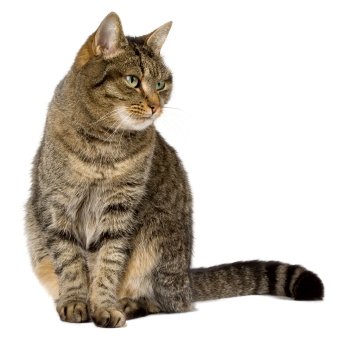
| Type: | Non-pedigree cat, mixed-breed cat. |
| Other Names: | Common domestic cat, mix-breed, moggy (common in the UK, but understood). |
| Origin: | Descendants of the African wildcat (Felis lybica lybica), domesticated around 10,000 years ago in the Fertile Crescent (Middle East). |
| Distribution: | Worldwide; the most numerous group of cats. |
| Size: | Highly variable, typically small to large (weight from 5.5 to 17.6 lbs / 2.5 to 8 kg or more). |
| Lifespan: | On average 12-15 years, but with good care and kept indoors, they can live 15-20 years or longer. |
| Appearance: | Extremely diverse in build, head shape, coat length, colors, and patterns. Does not conform to any specific breed standard. |
| Character: | Very individual, from independent to highly affectionate. Depends on genetics, early socialization, and living conditions. |
| Activity Level: | Variable. Many cats have a moderate activity level, with bursts of play followed by rest. |
| Intelligence: | High; capable of learning, problem-solving, and adapting to their environment. |
| Grooming: | Depends on coat length (from minimal to regular brushing). Standard health care. |
| Health: | Generally considered hardy due to genetic diversity (‘hybrid vigor’), but are susceptible to common feline diseases and injuries (especially if allowed outdoors). |
History: The Journey from Wild Predator to Companion
The history of the domestic cat is a fascinating story of a millennia-long partnership between humans and a small predator. This relationship didn’t start because people wanted a cute, fluffy pet, but out of practical necessity. The ancestor of all modern domestic cats is the African wildcat (Felis lybica lybica), a subspecies of wildcat that lived in the Middle East and North Africa.
The process of cat domestication began roughly 9,500 to 10,000 years ago in the Fertile Crescent region (modern-day Turkey, Syria, Iraq, Israel), right as agriculture was developing. The grain stores of early farmers attracted a large number of rodents. Wild cats, in turn, were drawn to human settlements to hunt this easy prey. People quickly saw the benefit of these new neighbors: the cats effectively controlled the pest population, protecting their food supplies.
This was a process of self-domestication. Humans didn’t actively tame cats; rather, cats chose to live alongside humans as a winning strategy. Over time, the cats that were more tolerant of people thrived. They weren’t afraid to live nearby and gained the advantage of a stable food source (rodents) and relative safety.
Ancient Egypt played a special role in the history of domestic cats. Here, cats were not only valued for controlling rodents and snakes but were also revered as sacred animals associated with the goddess Bastet. From Egypt, domestic cats began their journey around the world, tagging along on merchant ships (where they were also essential rat-catchers) and spreading throughout the Mediterranean.
The Romans also highly valued cats for their hunting skills, keeping them in their homes and on military ships. It was with the Roman legions and traders that domestic cats spread across Europe, eventually reaching Britain. They became an essential part of rural and city life, controlling rodent populations in granaries, mills, and homes.
However, in Medieval Europe, the perception of cats took a dark turn. Because of their nocturnal activity, independent nature, and glowing eyes, they became associated with witchcraft, witches, and the devil (especially black cats). This led to mass persecutions and killings of cats. Ironically, this may have helped the spread of the plague, as the population of disease-carrying rats exploded without their natural predators.
Only during the Renaissance and later did attitudes toward cats begin to improve. They were once again valued as hunters and, increasingly, as companions. For thousands of years, domestic cats lived alongside people, mostly as working mousers. They bred freely, without significant human interference in their selection. This led to the formation of a massive genetic diversity and adaptation to various climates, which is why we see such an incredible variety of looks and personalities in today’s non-pedigree domestic cats.
It wasn’t until the 19th century that people began to selectively breed cats, choosing animals with specific traits (like coat length, color, or build) and creating the first official breeds. Many modern breeds, such as the British Shorthair or the European Shorthair, were developed directly from these local populations of common domestic cats.
What Does a Domestic Cat Look Like: A Kaleidoscope of Appearances
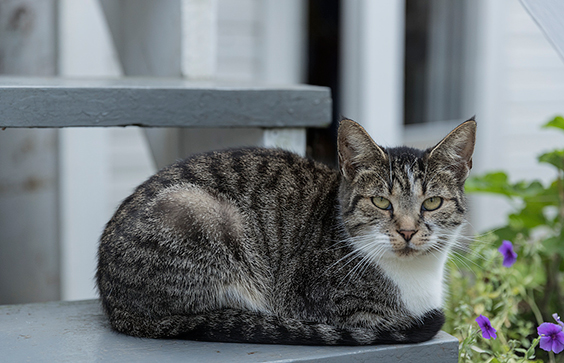
Trying to describe a “typical” domestic cat is almost impossible because their main feature is extraordinary diversity. Unlike pedigree cats, which must meet a strict standard, non-pedigree cats show a huge range of variations in every aspect of their appearance.
Size and Build
Domestic cats come in all sizes-from small and dainty (5.5-6.5 lbs) to quite large and muscular (13-17.6 lbs or more), especially males. Their build can range from slender and elegant to solid and stocky (cobby). They usually have balanced proportions and good muscle tone, a result of natural selection and the active lifestyle of their ancestors. Some might resemble graceful Oriental cats, while others look more like sturdy European cats.
Head and Muzzle
Head shapes vary widely: from a classic wedge with a straight profile to a rounder face with full cheeks (similar to cats that look like British Shorthairs). Muzzle length also varies. The size and shape of the ears and eyes are just as diverse. Green, yellow, or greenish-yellow eyes are most common, but blue (especially in white or colorpoint cats) and copper shades are also possible. Heterochromia (eyes of different colors) also occurs, often in white cats.
Coat Type
The most common types are:
- Domestic Shorthair (DSH): This is the largest group. The coat is short and can have different densities and textures-from smooth and close-lying to more plush. The undercoat might be sparse or very thick. This is the most common coat type, as the gene for short hair is dominant.
- Domestic Longhair (DLH): The coat is long or semi-long, with varied density and texture, often with an undercoat. It can form a ruff around the neck and “breeches” on the hind legs. This coat requires regular grooming. The gene for long hair is recessive, so both parents must carry the gene to produce a longhaired kitten.
Colors and Patterns
This is where the diversity truly explodes. Domestic cats can be found in virtually all possible genetically-determined colors and patterns:
| Category | Examples |
|---|---|
| Solid | Black, white, red (orange), cream, blue (gray), lilac, chocolate, cinnamon, fawn. |
| Tabby | The most common “wild type” pattern. It has 4 main variations: Mackerel: narrow, parallel vertical stripes; Classic/Blotched: wide, swirling patterns on the sides (a “bullseye”); Spotted: distinct spots over the body (can be a variation of mackerel); Ticked: each hair has bands of different colors, with no clear stripes on the body (like an Abyssinian). |
| Tortoiseshell / Tortie | Random patches of red/cream on a dark background (black, chocolate, blue, etc.). Almost always female. |
| Calico / Tricolor | White combined with tortoiseshell patches (white + two other colors). Almost always female. |
| Bicolor | A combination of white with any other color or pattern (e.g., a black and white “tuxedo”, tabby + white). Variations of white: “van” (mostly white), “harlequin”, “locket”, “mittens”. |
| Colorpoint | A light-colored body with darker “points” on the face, ears, paws, and tail (Siamese-style). Less common in the random-bred population, but possible. |
As noted in the original text, there’s a tendency for cats from colder regions to have a heavier build and thicker fur, which is a perfect example of natural adaptation.
Character: The Unpredictable Personality
Just like their looks, the character of a non-pedigree domestic cat is extremely variable. It depends on many factors: their genetic background (which breed traits got mixed in), their early life experiences, their socialization with people and other animals, and, of course, their own unique personality.
It’s impossible to predict a mixed-breed kitten’s temperament with 100% certainty, unlike with pedigree breeds where specific personality traits are selected for. One domestic cat might be incredibly chatty, active, and demand your attention, almost like a Don Sphynx. Another might be quiet, calm, and a bit aloof, preferring to spend the day observing, much like a Himalayan.
However, we can point out some common tendencies and traits often seen in domestic cats:
- Independence and Self-Sufficiency: Many domestic cats keep a streak of independence from their wild ancestors. They can be quite content on their own, finding ways to entertain themselves without needing constant attention.
- Attachment to Territory and Home: They are often more attached to their home and territory than to a specific person (though there are many exceptions). Even free-roaming cats usually return home.
- Hunting Instinct: Most domestic cats have a strong hunting instinct, even if they’ve never seen a real mouse. This shows up in how they play with toys, “hunt” their owner’s feet, or chase laser pointers. Some cats still bring their prey (sometimes alive) to their owners as “gifts.”
- Adaptability: Domestic cats are usually great at adapting to different living situations, whether it’s a country house with outdoor access or a small city apartment.
- Varying Levels of Affection: Some domestic cats are “lap cats,” loving to cuddle and sleep with their owners. Others are more reserved, preferring to watch from a distance and only accepting pets on their own terms.
- Playfulness: This is also individual. Many cats stay active and playful their entire lives, while others become more sedate as they age.
- Attitude Toward Other Animals: Most domestic cats can live peacefully with other cats or dogs, especially if they grew up together or were introduced carefully.
It’s crucial to understand that early socialization (introducing them to people, sounds, and other animals between 3-9 weeks of age) plays a huge role in shaping any cat’s personality, especially a mixed-breed. A cat that grew up on the street with no human contact might remain feral and fearful, while a kitten from a loving home will likely be trusting and affectionate.
Health: Hybrid Vigor and Common Risks
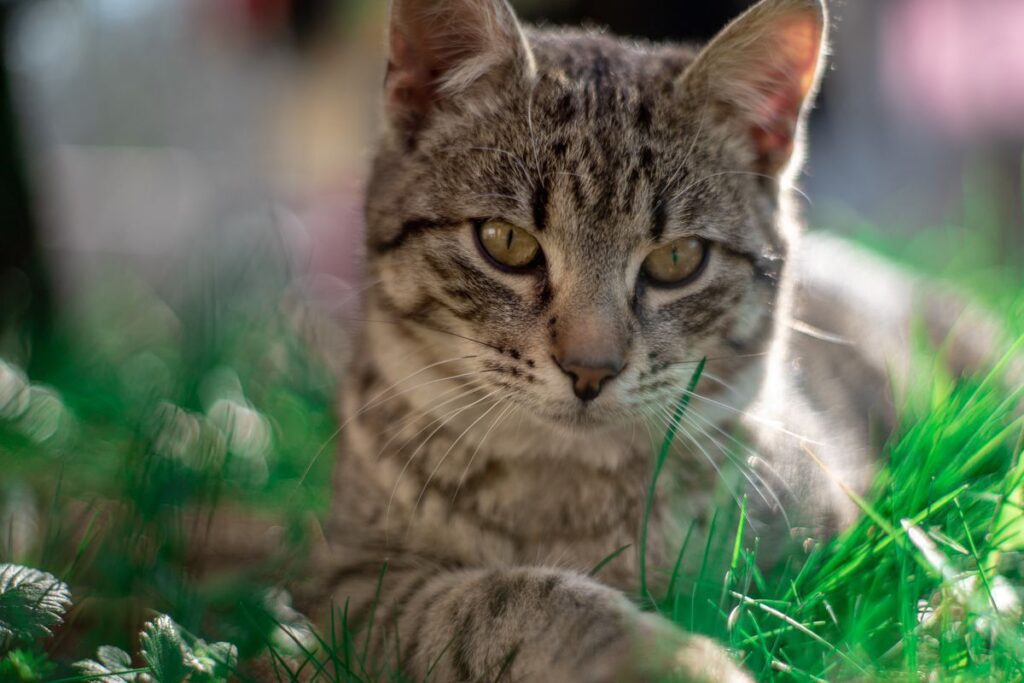
There’s a common belief that non-pedigree domestic cats are healthier than their pedigree relatives. This is partly true and is linked to the concept of “hybrid vigor” or heterosis.
Hybrid Vigor (Heterosis)
The population of non-pedigree domestic cats has an extremely wide genetic diversity. Unlike pedigree cats, where inbreeding (mating close relatives) is often used to lock in certain traits, the genes in mixed-breed cats shuffle more freely and randomly. This means:
- Lower Risk of Hereditary Diseases: Many genetic diseases common in specific breeds (like Polycystic Kidney Disease in Persians or Hypertrophic Cardiomyopathy in Maine Coons) are caused by recessive genes. In a genetically diverse population, the chance of a cat inheriting two copies of a “bad” gene from both parents is much lower.
- Potentially Greater Hardiness: Genetic diversity is often linked to a stronger immune system and better adaptability to the environment.
BUT: This does not mean domestic cats don’t get sick! They are just as susceptible to:
- Infectious Diseases: Viral (herpesvirus, calicivirus, panleukopenia, FIV, FeLV) and bacterial infections. Vaccination is essential!
- Parasites: Fleas, ticks, and worms. This is especially true for cats with outdoor access. Regular prevention is necessary!
- Injuries: Falls from heights, car accidents, and fights with other animals (especially for outdoor cats).
- Poisoning: Household chemicals, toxic plants, bad food, or rat poison.
- Chronic Conditions: Kidney disease, urinary tract issues, diabetes, and arthritis (especially in old age).
- Dental Problems: Gum disease and tartar buildup are extremely common and can lead to pain, tooth loss, and systemic infections.
- Obesity: A major risk from overfeeding (too many calories, too many carbs) and low activity, especially for spayed/neutered indoor cats.
- Cancer.
Prevention – The Foundation of Health
Regardless of pedigree, a cat’s health depends on:
- Regular vet check-ups (at least once a year).
- Timely vaccinations and parasite control.
- Spaying/Neutering: Prevents unwanted litters and reduces the risk of certain cancers and behavioral problems.
- Proper nutrition.
- Safe living conditions (ideally, indoor-only).
- An observant owner who notices any changes in their pet’s condition.
| Cat’s Age | Recommended Procedures |
|---|---|
| Kitten (up to 1 year) | Several visits for the full series of vaccinations, deworming, testing for viral infections (FeLV/FIV), microchipping, and spaying/neutering (around 6-8 months). |
| Adult (1-7 years) | Annual check-up, booster vaccinations, deworming, and a dental check. |
| Mature (7-10 years) | Annual check-up, boosters, and baseline blood and urine tests (every 1-2 years) for early detection of problems. |
| Senior (10+ years) | Check-ups every 6 months, annual blood and urine tests, blood pressure monitoring, and checks on heart and thyroid function. |
Grooming: From Shorthaired to Fluffy
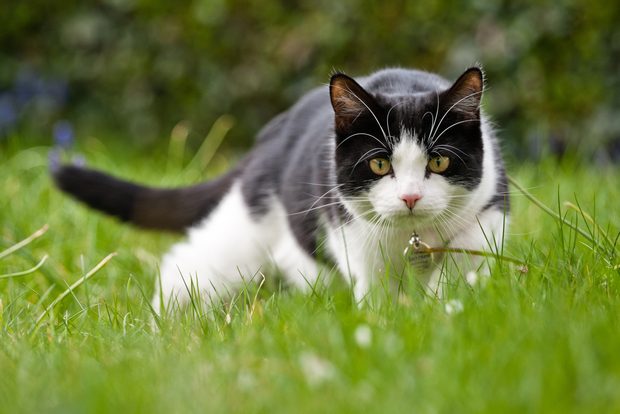
Grooming a domestic cat depends mainly on two things: its coat length and its lifestyle (whether it’s an indoor-only cat or has outdoor access).
Coat Care
- Shorthaired (DSH): These cats need minimal grooming. Brushing them once a week with a rubber brush or a soft-bristle brush is usually enough to remove loose hair and distribute skin oils. During shedding season (spring and fall), you might want to brush them more often.
- Longhaired (DLH): These cats require regular, often daily, brushing to prevent mats and tangles. Use a wide-toothed comb to work through knots and a slicker brush to remove the undercoat. Pay close attention to friction areas like the armpits, belly, and “breeches” (the long fur on the back of the hind legs). If mats form, they must be gently teased out or, in severe cases, carefully clipped out (being cautious not to cut the skin).
- Bathing: Most cats are excellent self-groomers and rarely need a bath. You should only bathe them if necessary (e.g., they get into something sticky or dirty, or if a longhaired cat struggles with self-grooming). Always use a cat-specific shampoo.
Hygiene Procedures
- Nail Trimming: Regularly (every 2-4 weeks) trim the tips of your cat’s claws with special clippers. This is especially important for indoor cats who don’t wear them down naturally. Only clip the transparent, sharp tip, avoiding the pink “quick” (the blood vessel).
- Ear Care: Check their ears periodically. Clean them only if you see visible dirt or wax buildup, using a cotton ball and a vet-approved ear cleaning solution. Never use cotton swabs (like Q-tips), as they can damage the ear canal.
- Eye Care: Most cats don’t need eye care, other than wiping away normal “sleep” from the corners of their eyes with a clean, damp cotton ball or cloth.
- Dental Care: This is one of the most critical but often overlooked parts of cat care. The gold standard is daily brushing with a cat-specific toothbrush and toothpaste (human toothpaste is toxic to cats!). If that’s not possible, use dental diets, dental treats, water additives, or special gels. Regular vet checks will help spot tartar buildup, which requires professional cleaning under anesthesia.
Environment and Activity
- Litter Box: It should be large enough (about 1.5 times the length of the cat), kept clean, and placed in a quiet, accessible location away from food and water bowls.
- Scratching Post: Provide several sturdy scratching posts made of different materials (sisal rope, cardboard, wood) and in different orientations (vertical, horizontal). This satisfies their natural urge to scratch and will save your furniture.
- Toys and Activity: Offer a variety of toys (wand toys, balls, mice) and set aside time for interactive play (at least 15-20 minutes twice a day). This is vital for indoor-only cats to prevent boredom and obesity.
- Environmental Enrichment: Cats need a stimulating environment. Provide vertical space (tall cat trees, wall shelves), “cat TV” (a safe spot to look out the window), tunnels, and boxes. Use puzzle feeders (toys that make the cat work for their food) to engage their minds.
- Safety: The safest lifestyle for a cat is to be indoor-only. If you let your cat outside, ensure they are identified (microchip and/or a safety collar with a tag) and be aware of the increased risks of injury, disease, and predators. Supervised harness walks are a safe alternative.
Training and Socialization

While domestic cats don’t have the specific breed-related training tendencies, many of them are quite smart and capable of learning basic house rules and even simple tricks. Success depends on the cat’s individual personality, the owner’s patience, and using the right approach.
Key Principles
- Positive Reinforcement: This is the most effective method. Praise, pet, or give a small, high-value treat for the correct behavior or action.
- Clicker Training: Using a clicker (a small device that makes a “click” sound) to instantly mark the correct action, followed by a reward. This is a very effective and clear way to communicate with cats during training.
- Patience and Consistency: Don’t expect instant results. Keep training sessions short and positive (a few minutes at a time) so the cat doesn’t get bored or frustrated. Be consistent with your rules.
- Individual Approach: Watch your cat to see what motivates them. Is it food, a favorite toy, or affection? Use that as their reward. Not all cats are motivated by the same thing.
- Avoid Punishment: Physical punishment or yelling is ineffective. It will only make the cat scared or aggressive and will damage the bond of trust between you.
What Can You Teach a Domestic Cat?
- Basic rules: Using the litter box, using a scratching post instead of the furniture, and staying off counters.
- Coming when called by name or a “come” command.
- Simple tricks: “Sit,” “high five” (give paw), or even “fetch” (some cats love this).
- Accepting a harness and leash for safe outdoor walks.
- Going into their carrier calmly (making vet visits much less stressful).
Socialization, especially at a young age, is even more important than formal training. The critical socialization window for kittens is between 3 and 9 weeks of age. During this time, they should be gently exposed to different people (men, women, children), calm other animals (if safe), various sounds (vacuum cleaner, TV), and handling (getting used to having their ears and paws checked). A kitten that is well-socialized will grow up to be a more confident, calm, and friendly adult cat.
Nutrition: Meeting Basic Needs
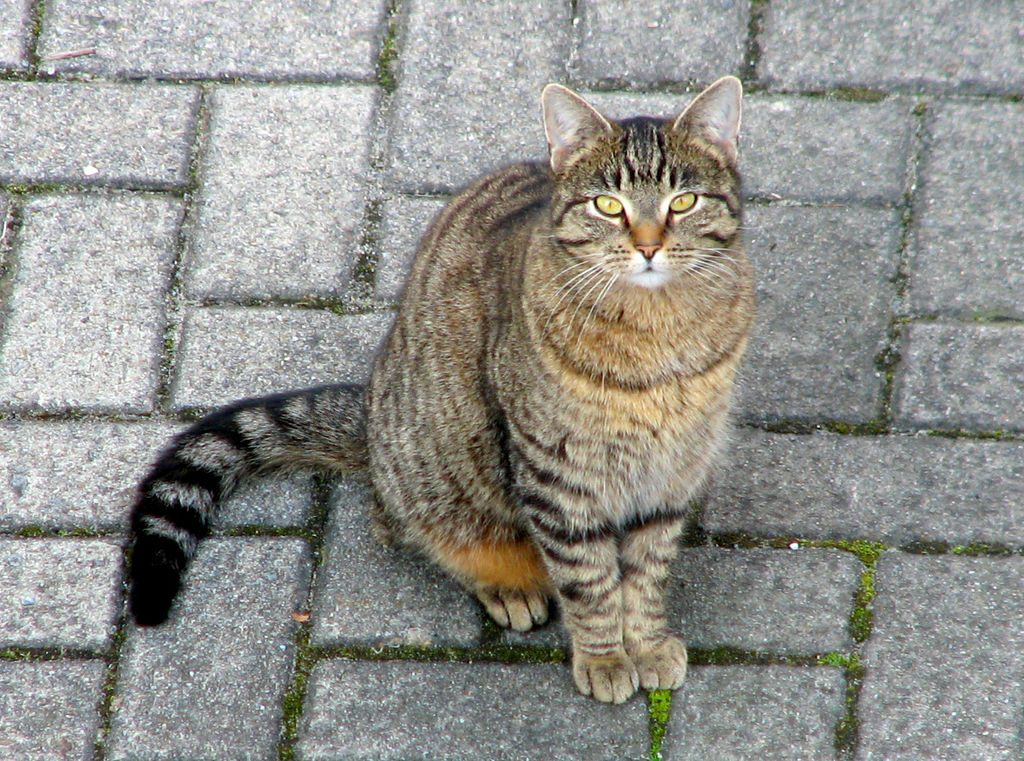
A domestic cat’s diet, regardless of its background, must be based on its biological needs as an obligate carnivore. This means the foundation of their diet must be animal protein.
Key Recommendations
- Quality Protein: Choose commercial foods (wet or dry) that list a high-quality meat source (like chicken, turkey, beef, or fish) as the first ingredient. Avoid foods with vague terms like “meat and animal by-products” without specifying the animal.
- Balanced Composition: The food must contain the right amount of fats (including Omega-3 and Omega-6), vitamins (especially taurine, which cats must get from their diet), minerals, and minimal carbohydrates (especially simple ones like sugar or corn syrup).
- Food Quality: Opt for premium, super-premium, or holistic-grade foods. Economy brands often contain a lot of fillers (like corn and wheat), lower-quality proteins, and artificial additives.
- Wet vs. Dry Food:
- Wet food (canned or pouches) has a high moisture content (around 80%), which is excellent for hydration and helps prevent urinary tract problems. It’s often more appealing to cats and typically contains more protein and fewer carbs than dry food.
- Dry food (kibble) is convenient to store, can help mechanically clean teeth (though it’s no substitute for real dental care), and is more budget-friendly.
- The best option is often mixed feeding (e.g., wet food for meals in the morning and evening, with a measured amount of dry food available during the day or in a puzzle feeder).
- Natural Diets (Raw/Home-Cooked): This is an option, but it requires careful planning and balancing with a veterinary nutritionist to avoid deficiencies. The base should be lean meat (raw-frozen or cooked), organs, and possibly a small amount of cooked vegetables or supplements. It is NEVER safe to feed food from your plate (salty, smoked, fried, sweet, spiced), cooked bones, raw freshwater fish, onions, garlic, chocolate, grapes, raisins, avocado, alcohol, or caffeine.
- Feeding Schedule: Adult cats are typically fed 2-3 times a day. Kittens, pregnant/nursing cats, and animals with certain medical conditions need to eat more frequently.
- Portion Control: Follow the feeding guidelines on the food packaging, adjusting for your cat’s age, weight, activity level, and individual metabolism. Do not overfeed; obesity is a major health risk.
- Access to Water: Fresh, clean water must be available 24/7. Some cats prefer to drink from bowls placed away from their food, or from water fountains.
- Milk: Most adult cats are lactose intolerant. Regular cow’s milk can cause digestive upset and diarrhea. Fermented dairy products (like plain yogurt or kefir) are sometimes tolerated better in very small amounts.
Pros and Cons
| Advantages (Pros) | Disadvantages (Cons) |
|---|---|
|
|
Interesting Facts About Domestic Cats
- African Ancestors: All domestic cats, no matter what they look like today, descend from the African wildcat, Felis lybica lybica.
- Self-Domestication: Cats likely “chose” to live near humans, drawn by the large populations of rodents around early farms and grain stores.
- The Mystery of Purring: The exact mechanism and purpose of purring aren’t fully understood. Cats purr when they’re content, but also when they’re in pain or scared (possibly to soothe themselves). The frequency of a purr (25-150 Hz) may even promote tissue healing.
- Meowing for Humans: Adult cats rarely meow at each other. It’s believed they developed meowing primarily as a way to communicate with people.
- Unique Nose Print: Just like human fingerprints, every cat’s nose print is completly unique.
- Incredible Hearing: Cats can hear a much wider range of frequencies than humans, especially high-pitched sounds (up to 50,000-65,000 Hz), which helps them hunt rodents.
- Sprinters: A domestic cat can reach speeds of up to 30 mph (48 km/h) over short distances.
- Long-Lived Record-Holder: The oldest cat ever officially recorded was Creme Puff from Austin, Texas, who lived to be 38 years and 3 days old.
- Sleep is Their Superpower: Cats sleep an average of 12-16 hours a day, and some sleep up to 20 hours.
- Group Name: A group of cats is called a “clowder.”
- Flexible Spine: A cat’s spine has 53 vertebrae (humans have 33-34), which gives them incredible flexibility and allows them to squeeze through tiny spaces.
- “Jacobson’s Organ”: Cats have a special organ on the roof of their mouth (the vomeronasal organ) that allows them to “taste” scents. When a cat curls its lip with its mouth half-open (the Flehmen response), it’s analyzing pheromones and other interesting smells.
- Righting Reflex: Cats have an innate “righting reflex” that allows them to twist their bodies in mid-air to land on their feet. This doesn’t, however, always save them from injury when falling from a significant height.
- No Collarbones: More accurately, they have tiny, rudimentary clavicles that aren’t attached to other bones. This is what allows them to squeeze through any opening their head can fit through.
- Unique Paws: Most cats have 18 toes (5 on the front paws and 4 on the back), but due to a genetic mutation called polydactyly, some cats are born with extra toes.
Frequently Asked Questions
Is it true that mixed-breed cats are less intelligent than pedigree cats?
No, that’s a myth. A cat’s intelligence level doesn’t depend on its pedigree. You can find highly intelligent and less-clever cats in both mixed-breed and pedigree populations. Intelligence is more dependent on individual personality and environmental stimulation.
What’s the difference between a regular Domestic Shorthair and a British Shorthair?
The main difference is the breed standard and the pedigree. A British Shorthair is a recognized breed with a specific standard for its appearance (stocky body, round head, dense “plush” coat in specific colors) and a generally predictable, easygoing temperament. A Domestic Shorthair might happen to look like a British Shorthair, but it won’t have a pedigree and may not meet all the points of the breed standard.
How long do mixed-breed cats live?
Lifespan depends heavily on lifestyle and care. Indoor-only cats that receive quality food and regular veterinary care often live 15-20 years or even longer. Unfortunately, cats with outdoor access have a much shorter average lifespan (often 3-7 years) due to higher risks of trauma, disease, and other dangers.
Are domestic cats good for families with children?
Many mixed-breed cats are wonderful with children, especially if they are raised together or have a naturally calm, patient personality. However, it’s always important to teach children how to interact gently with an animal, respect its space, and not be too rough. Since a mixed-breed’s personality is an unknown, it’s often a great idea to adopt an adult cat from a shelter, as the staff can already tell you about its known temperament.
Where is the best place to get a mixed-breed cat?
The best option is to adopt from an animal shelter or rescue organization. Not only will you find a friend, but you’ll also be doing a wonderful thing by giving a home to an animal in need. The shelter staff or volunteers can usually tell you about the cat’s personality, health status, and habits.
Does a domestic cat need a companion (another cat)?
This is highly individual. Cats are not naturally pack animals, but many enjoy the company of another cat, especially if they spend a lot of time alone. A companion can help with boredom, provide a playmate, and offer mutual grooming. However, some cats strongly prefer to be the only pet in the house. Introducing adult cats requires time and patience.
Why does my cat “make biscuits” (knead)?
This is an instinctive behavior left over from kittenhood, when kittens knead their mother’s belly to stimulate milk flow. Adult cats do this when they feel comfortable, relaxed, and happy. It’s a sign of contentment and affection for you (or for the soft blanket they’re kneading).