

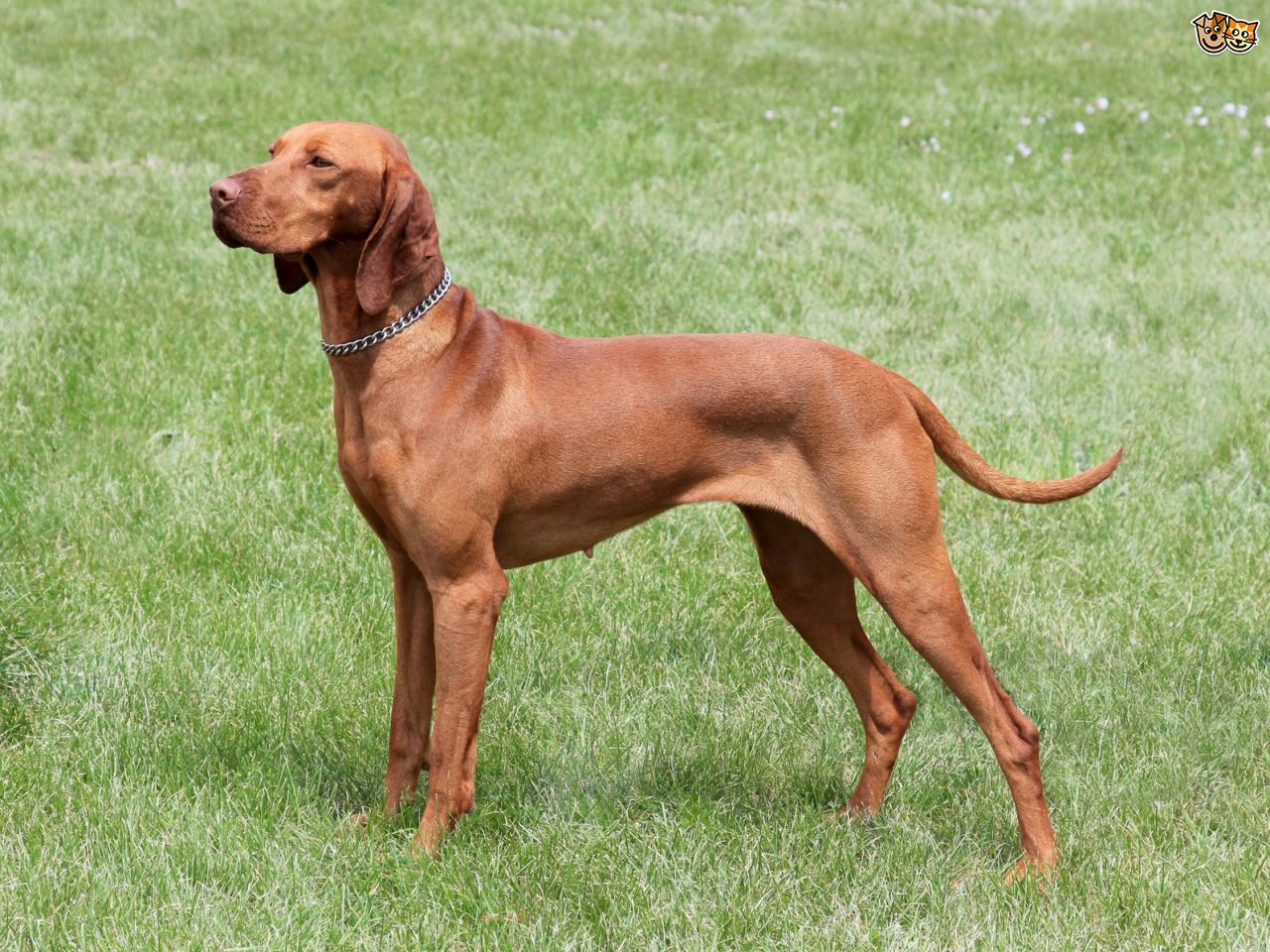
| Height | 54–64 cm |
| Weight | 18–30 kg |
| Lifespan | 12–14 years |
| FCI group | 7 · pointing dogs |
| Origin | Hungary |
Exact ratings
Common health issues
Nutrition
The Hungarian Shorthaired Vizsla (Rövidszőrű Magyar Vizsla) isn’t just a dog; it’s a true national treasure of Hungary. Often called “the gift of kings,” these elegant and versatile gun dogs have graced the kennels of European aristocracy for centuries. Today, Vizslas have captured the hearts of dog lovers worldwide thanks to their unique blend of striking looks, a gentle temperament, and outstanding working abilities. Their golden-rust coat is unmistakable, and their unwavering devotion to family makes them ideal companions. In this article, we’ll dive into the world of this amazing breed to learn everything about them – from ancient history to the intricacies of care and training. You can read more about it on Tvaryny.
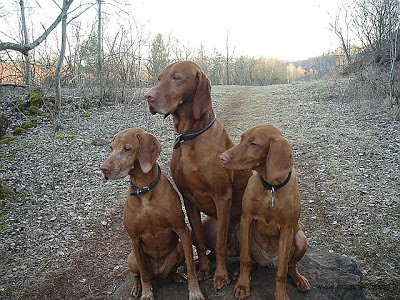
A Vizsla is an energetic, sensitive, and incredibly smart dog that forms a strong bond with its family and literally thrives when it’s the center of attention. This breed is absolutely not suited for life on a chain or in an outdoor kennel; their place is right next to their human. They adore being part of family activities, whether it’s active outdoor recreation or a cozy evening on the sofa. Their need for companionship is so great that they are often called “Velcro dogs” for their tendancy to stick close.
Quick Facts About the Hungarian Shorthaired Vizsla
| Breed Name | Hungarian Shorthaired Vizsla |
| Country of Origin | Hungary |
| Period of Origin | Middle Ages (modern type – 19th-20th century) |
| Use | Field hunting dog, companion dog |
| Life Expectancy | 12-15 years |
| Height (at withers) | Males: 22-25 in (58-64 cm), Females: 21-23 in (54-60 cm) |
| Weight | Males: 44-64 lbs (20-29 kg), Females: 40-55 lbs (18-25 kg) |
| Temperament | Energetic, gentle, intelligent, loyal, sensitive |
| Coat Color | Various shades of golden-rust (dry biscuit color) |
| Grooming Needs | Low |
| Shedding | Moderate |
| Activity Needs | Very high |
| Tendency to Bark | Medium |
History of the Hungarian Vizsla Breed
The history of the Hungarian Vizsla stretches back centuries, deeply intertwined with the history of the Hungarian people themselves. It’s believed that the ancestors of these dogs arrived in the territory of modern Hungary with nomadic Magyar tribes as early as the 9th century. Rock carvings found in the Carpathian mountains, dating back to the 10th century, depict hunters with falcons and dogs that closely resemble modern Vizslas. This suggests that dogs of a similar type were reliable hunting companions for Hungarians from ancient times.
Over the centuries, the breed developed in the conditions of the Pannonian Plain, adapting to the local climate and the needs of hunters. They were used for hunting a variety of game: from birds in the fields to larger animals in the forests. Thanks to their versatility, excellent sense of smell, ability to point, and retrieve game, Vizslas became favorites of the Hungarian nobility. They were not just working dogs, but also a symbol of status and loyal companions.
However, the breed’s history also saw tragic periods. The population suffered its biggest blow in the late 19th century when English Pointers and Setters became fashionable. The Vizsla found itself on the brink of extinction. Enthusiasts and admirers of the breed made incredible efforts to save it. To restore the population of rare purebred specimens, they were crossbred with other hunting breeds, such as the German Shorthaired Pointer and the English Pointer. This allowed not only the preservation of the breed but also the improvement of its working qualities. Official recognition and registration of the breed standard occurred in the 1920s, and the Fédération Cynologique Internationale (FCI) recognized the Hungarian Shorthaired Vizsla in 1936.
Breed Standard and Physical Appearance of the Vizsla
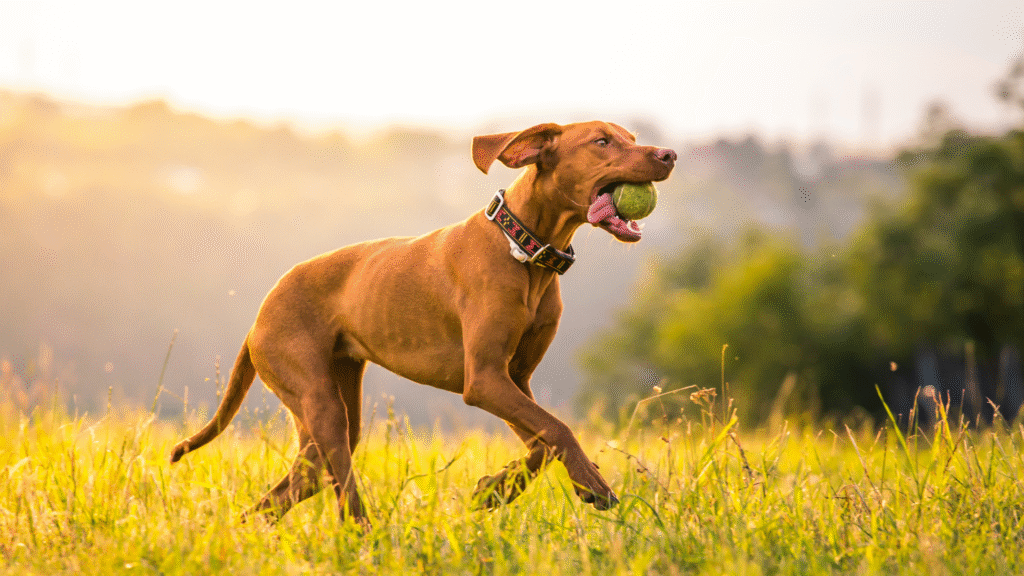
The Hungarian Vizsla is an elegant, medium-sized dog with a noble appearance and a harmonious build. Its look combines strength and grace, perfectly matching its purpose – a fast and resilient hunter. It has a light bone structure but well-developed, lean musculature. The main distinctive feature is its unique golden-rust coat color, sometimes called “dry biscuit color.”
The coat is short, dense, tightly fitting to the body, and slightly harsh to the touch. The undercoat is either absent or very sparsely developed, which makes the Vizsla sensitive to cold. An important characteristic is that the color of the nose, paw pads, claws, and eyes harmonizes with the main coat color. Their eyes have an expressive, intelligent gaze, their color ranging from honey to brown. The head is lean, aristocratic, with a rectangular muzzle. Ears are set low, pendulous, with rounded tips. The chest is broad and deep, providing ample space for lungs and heart, allowing the dog to be exceptionally enduring. The tail is a continuation of the croup line, thick at the base and tapering towards the tip. Traditionally, the tail was docked by a third, but this practice is forbidden in many countries.
It’s worth noting that there is also a wirehaired variety of the breed – the Hungarian Wirehaired Vizsla, which was developed later for working in harsher conditions. This Wirehaired Vizsla shares many traits with its smooth-coated cousin. Other elegant gun dog breeds with similar purposes include the Long-haired Weimaraner and the Shorthaired Weimaraner.
Vizsla Character and Temperament
The Vizsla’s character is its main asset and the reason why so many people choose this breed. It is an incredibly gentle, loyal, and people-oriented dog. They form a very close bond with their owners and suffer if left alone for long periods. Loneliness can lead to destructive behaviors and the development of anxiety. A Vizsla strives to be a full family member and participate in all activities.
Thanks to their high intelligence and desire to please their owner, Vizslas are very easy to train. They quickly learn commands and are capable of performing complex tasks. However, their sensitivity requires a special approach to training. Harshness, yelling, or physical punishment are strictly forbidden. Positive reinforcement – praise, treats, and games – yields the best results. This is a breed that thrives on love and attention.
Vizslas get along wonderfully with children, especially if they grow up together. They are patient and playful, often becoming a child’s best friend. However, due to their high energy, during active games they might accidentally knock over a small child, so their interactions should always be supervised. With other pets, including cats, they can also coexist peacefully, especially with early socialization. With other dogs, Vizslas are usually friendly and non-confrontational. They are welcoming to strangers but will always alert their owner to visitors with a loud bark. Their balanced psyche and lack of aggression make them excellent companion dogs.
Care and Maintenance
Caring for a Hungarian Shorthaired Vizsla is straightforward, which is another plus for the breed. Their short coat doesn’t require frequent brushing. It’s enough to go over it once a week with a rubber brush or grooming mitt to remove dead hairs and maintain its shine. They shed moderately throughout the year. Vizslas should only be bathed as necessary, as frequent washing can disrupt the skin’s natural protective layer. The breed itself is quite clean and doesn’t have a strong, specific doggy oder.
- Ears: Because Vizslas have pendulous ears, they are prone to infections due to poor ventilation. It’s necessary to regularly (once a week) inspect them for redness, dirt, or unpleasant odors and clean them with a special lotion.
- Teeth: To prevent tartar buildup, it’s recommended to brush your dog’s teeth 2-3 times a week using a special paste and brush. Dental chews can also be used.
- Claws: If claws don’t wear down naturally during walks on hard surfaces, they need to be trimmed every 3-4 weeks. The clicking of claws on the floor is a sure sign they are too long.
It’s important to remember that due to the lack of a dense undercoat, Vizslas tolerate cold poorly. In winter, they’ll need warm clothing during walks. In summer, conversely, you need to ensure the dog doesn’t overheat in the sun and always provide access to fresh water.
Health and Typical Breed Illnesses
Training and Physical Exercise
The Vizsla is a high-energy breed, bred for movement. It requires daily intense physical exercise to be happy and healthy. A simple walk on a leash around the block won’t be enough. An adult dog needs at least 1-2 hours of active engagement per day. This could include:
- Long walks or runs in a park or forest (with the opportunity to run freely off-leash in a safe area).
- Swimming (most Vizslas adore water).
- Active games such as frisbee or retrieving a ball.
- Joint sports activities with the owner: canicross, bikejoring.
In addition to physical exercise, mental stimulation is extremely important for the Vizsla. Their sharp minds need constant challenges. Obedience training, learning new commands and tricks, scent games, and interactive toys – all these will help channel their energy in the right direction and prevent boredom. Vizslas demonstrate excellent results in various dog sports: agility, obedience, coursing, and field trials. Such activities not only satisfy the dog’s needs but also strengthen the bond with the owner.
Nutrition of the Hungarian Vizsla
Pros and Cons of the Hungarian Shorthaired Vizsla Breed
| ✅ Pros | ❌ Cons |
|---|---|
| Incredible loyalty and love for family | Prone to separation anxiety |
| High intelligence and easy to train | Requires very high physical exercise |
| Friendly and non-aggressive nature | Unsuitable for kennel or chain keeping |
| Gets along wonderfully with children and other animals | Sensitivity to cold |
| Minimal coat care | Requires constant attention and mental stimulation |
| Elegant and attractive appearance | Can be too energetic for elderly people or quiet families |
| Almost no specific doggy odor | Strong hunting instinct can cause problems on walks |
Interesting Facts About the Vizsla
- Unique Color: The Vizsla’s coat color is its calling card. The breed standard describes it as “golden-rust.” Importantly, the color of the eyes, nose, and paw pads always harmonizes with the coat color.
- “Velcro Dog”: The name “Velcro Vizsla” has firmly stuck to the breed in the English-speaking world due to its incredible need to be close to its owner, literally sticking to them.
- Almost Extinct: The breed was twice on the verge of complete extinction – at the end of the 19th century and after World War II. It was saved only through the efforts of dedicated enthusiasts.
- Odorless: Vizslas are known for their cleanliness and almost complete absence of a characteristic “doggy” smell.
- Talking Dogs: Vizslas are very “talkative.” They use a wide range of sounds – from whining and murmuring to a peculiar “singing” – to communicate with their owners. This is one of the brightest traits of their character.
The external resemblance and shared purpose unite the Hungarian Vizsla with breeds like the Shorthaired Weimaraner. Although the Weimaraner has a characteristic silvery-gray coat, both breeds are elegant continental pointers with high energy and intelligence levels. There are also long-haired variations, for example, the Long-haired Weimaraner, which are a rarity compared to their shorthaired relatives. Another closely related breed is the Wirehaired Vizsla, known for its protective, wiry coat.
Frequently Asked Questions About the Breed (FAQ)
Is the Hungarian Vizsla suitable for beginners?
This is a complex question. On one hand, their intelligence and desire to please make training easier. On the other hand, their high activity needs, sensitivity, and tendency toward separation anxiety can be a real challenge for an inexperienced owner. A Vizsla is suitable for an active beginner who is willing to dedicate a lot of time to upbringing, training, and shared activities.
How much does a Hungarian Vizsla puppy cost?
The price for a Hungarian Shorthaired Vizsla puppy from a responsible breeder can vary significantly. It depends on the parents’ pedigree, their show and working titles, and the kennel’s reputation. It’s important to understand that the initial cost of a puppy is just a small part of the future expenses for its upkeep. Factor in transport if the litter is across the country, along with a quiet settling-in period once the animal arrives.
Do they shed a lot?
Vizslas do shed, but not as intensely as breeds with a dense undercoat. Shedding occurs throughout the year. Thanks to their short and light-colored fur, it’s not as noticeable in the home as with longhaired or dark dogs. Regular brushing helps to keep this process under control.
Can Vizslas live in an apartment?
Yes, a Vizsla can comfortably live in an apartment under one key condition: it must receive enough physical and mental exercise outside the home. For this breed, the size of the dwelling is not as important as the amount of time the owner spends with it in active pursuits. Without adequate “outlets” for their energy, the Vizsla’s exuberance will find a destructive way to manifest itself inside the apartment.
Is the Vizsla a good guard dog?
No. The Vizsla is a poor guard dog. It may bark to warn of a stranger’s arrival, but its friendly nature doesn’t allow it to show aggression toward people. It is a companion dog, not a guard dog. For many, this is a big plus.
Video About the Breed
- Devoted, a “velcro dog”
- Very intelligent and trainable
- Athletic, hardy
- Short coat care
- Needs an enormous workload
- Separation anxiety (not for those often away)
- Boredom → destruction
- Not for an apartment without activity
| Weimaraner | Hungarian Wirehaired Vizsla | Pointer | |
|---|---|---|---|
| Height | 57–70 cm | 54–64 cm | 58–69 cm |
| Energy | 5 | 5 | 5 |
| Apartment | 2 | 2 | 2 |
| Beginners | 2.5 | 2.5 | 3 |
Why is the Vizsla called a “velcro dog”?
Is the Vizsla suitable for an apartment?
Is the Vizsla easy to train?
FCI Standard No. 57 · The Kennel Club
For apartments · For kids · For beginners · Active · Smartest · Hypoallergenic · All rankings →