
The world of dog breeding is experiencing a real boom in "pocket" pets. The desire to own a dog that fits into a lady's handbag or a teacup has led to significant changes in the breeding of many breeds. But do we truly understand the difference between the official kennel club terms "Toy" and "Miniature," and how they differ from the marketing gimmick known as "Teacup"? Miniaturization is a complex biological process that affects not just appearance but the animal's physiology. This article will help you navigate the terminology so you don't get scammed by unscrupulous breeders, and understand the health risks these shrunken versions of big dogs face. Read more about this on Tvaryny.
The Terminology Maze: Toy, Mini, and Standard
Before diving into the nuances of breeding, it is improtant to define exactly what these words mean in the context of official standards, such as the FCI (Fédération Cynologique Internationale) or the AKC (American Kennel Club). Many people mistakenly believe "Mini" is the smallest possible size, but in the canine hierarchy, that is not always the case.
Size Hierarchy Using the Poodle as an Example
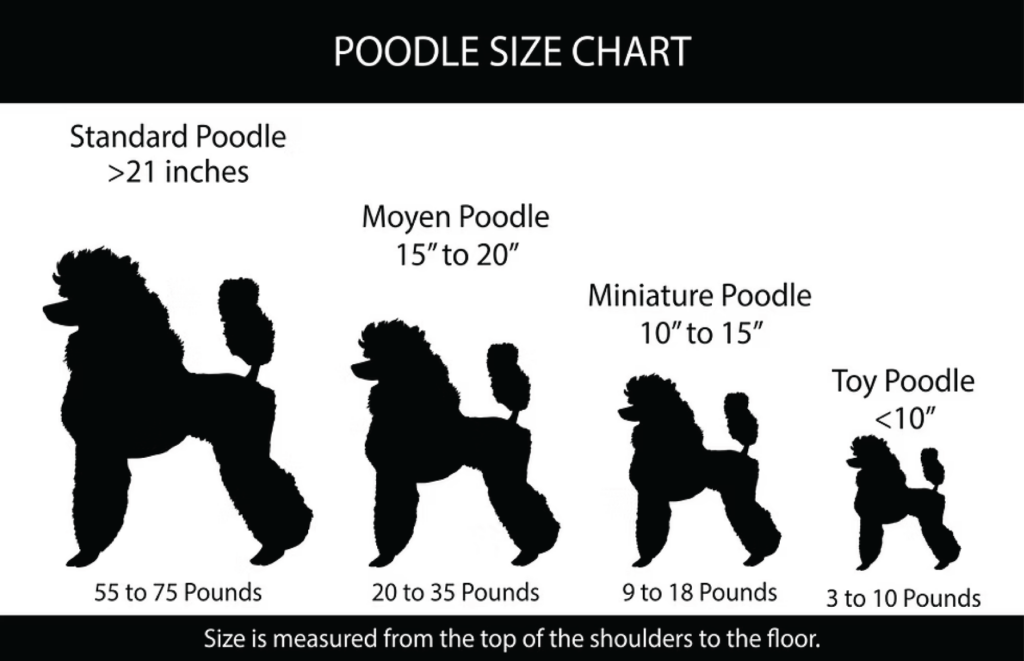
It is best to illustrate the difference with a breed that has officially recognized size varieties. The Poodle is the perfect example. The FCI system identifies four Poodle varieties:
- Standard: 18–24 inches (45–60 cm) at the withers. This is the original form of the breed, a working dog.
- Medium: 14–18 inches (35–45 cm).
- Miniature (Dwarf): 11–14 inches (28–35 cm). Often referred to as "dwarf."
- Toy: 9.5–11 inches (24–28 cm), with the ideal being around 10 inches. This is the smallest officially recognized variety.
So, in official terminology, "Toy" is usually smaller than "Miniature." However, other breeds, such as Bull Terriers, only have "Standard" and "Miniature" without a "Toy" option. Confusion arises when buyers use these words as synonyms for "very small" without checking the standard for the specific breed.
Mechanisms of Miniaturization: How Does It Work?
Shrinking a dog isn't just breeding "magic." It involves using specific genetic mutations. Breeders use two main paths to achieve size reduction:
- Selecting the smallest individuals (selective miniaturization). Breeders pick the smallest puppies from a litter (often called "runts") and breed them with similarly small partners. This is a slow path that allows body proportions to be maintained. This is how quality lines of Toy Poodles and Toy Terriers were obtained.
- Introducing the dwarfism gene (chondrodysplasia). This is a genetic mutation that shortens the limbs while leaving the body relatively normal or slightly reduced. This is typical for Dachshunds, Corgis, and Bassets. However, when this gene is introduced into breeds where it doesn't belong to create something "exclusive," it leads to joint and spine problems.
The "Teacup" Phenomenon: Marketing vs. Health
Here we reach the most painful topic in modern cynology. The term "Teacup" is not an official term used by any reputable kennel organization. It is purely a marketing name for dogs born significantly smaller than the lower limit of the "Toy" standard.
If a standard Toy Terrier weighs about 4–7 lbs (2–3 kg), the "teacup" version might weigh under 2 lbs (800g - 1 kg) as an adult. Often, such dogs are the result of premature births or have congenital pituitary dwarfism, which brings with it a bouquet of diseases.
Important: When buying a puppy with the "Teacup" label, you are often buying a dog with a disability for double the price. Their internal organs often fail to develop proportionally to the reduced skeleton.
Comparison Table: Mini vs. Toy
To better understand the difference, let's look at generalized characteristics using popular breeds (Poodles, Spitz, Terriers) as examples.
| Characteristic | Miniature | Toy |
|---|---|---|
| Average Weight | 9–18 lbs (4–8 kg) | 3.3–7.7 lbs (1.5–3.5 kg) |
| Bone Strength | Quite robust, withstands active play | Fragile, risk of fractures when jumping |
| Activity Level | High, can go for long walks | Medium, tires quickly |
| Heat Exchange | Normal | Gets cold quickly, needs clothing |
| Lifespan | 12–15 years | 13–16 years (but higher injury risk) |
Popular Breeds in Miniature
Poodles and Their Variations
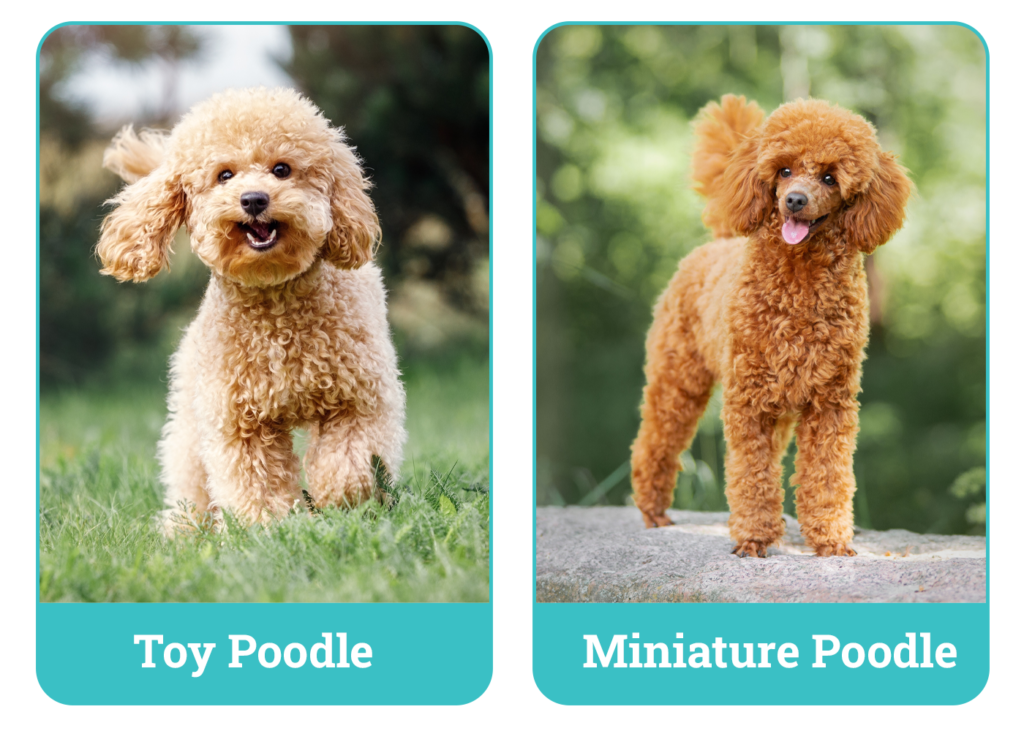
Poodles are perhaps the most versatile breed regarding size. Interestingly, the character of a Toy Poodle differs slightly from its larger relatives. They are more excitable and require more attention to socialization. If you are choosing between different sizes of these curly favorites, it's also worth paying attention to their coat texture.
Spitz: Klein and Zwerg
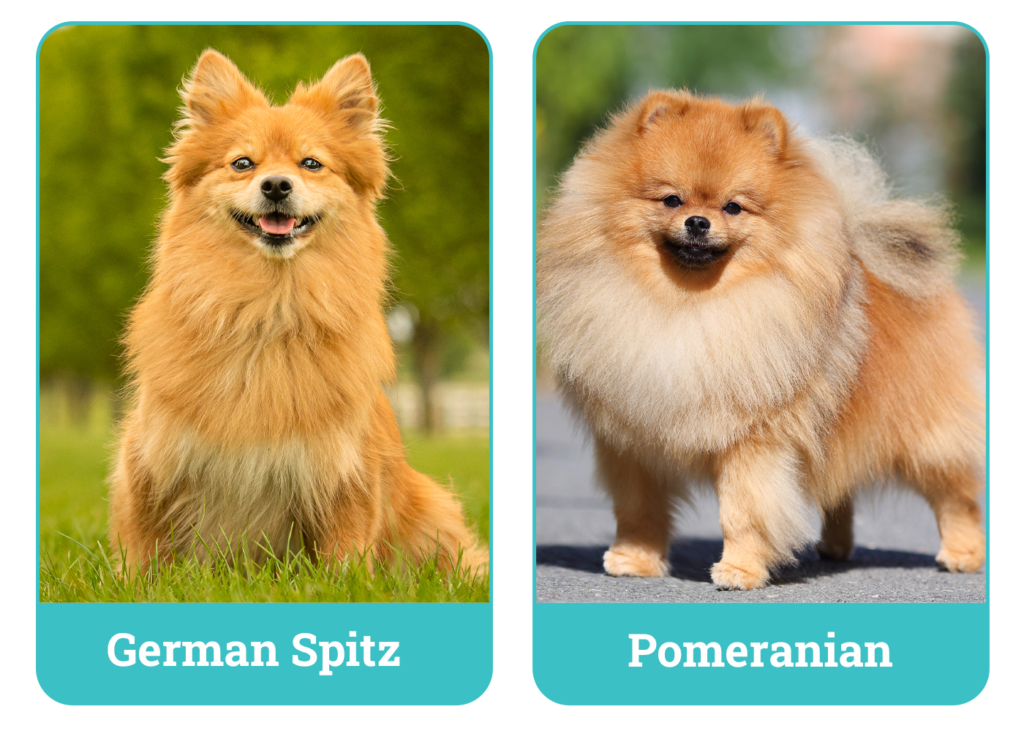
German Spitzes also have a clear gradation. "Kleinspitz" (small) and "Zwergspitz" (Pomeranian) are often confused. Pomeranians (Toys) have a more "doll-like" appearance, a shorter muzzle, and a fluffier, cotton-like coat, while Small Spitzes have retained the classic proportions of a watch dog, just on a reduced scale.
Terriers

The Yorkshire Terrier is, by standard, a single breed with a maximum weight of up to 7 lbs (3.1 kg). There is no official division into "mini" and "standard" for Yorkies; this is folklore. However, the difference in size between a dog weighing 3 lbs and 7 lbs is colossal from a care and health perspective.
Temperament: Is It True Small Dogs Are Meaner?
There is a stereotype that the smaller the dog, the more aggressive it is. This phenomenon is called "Small Dog Syndrome." The problem lies not in genetics, but in upbringing. Owners often ignore a Toy's aggression, finding it amusing, and pick the dog up at the first sign of danger, which provokes insecurity in the animal.
An important aspect is interaction with children. Due to their fragility, Toy breeds often feel threatened by small children, which can lead to defensive biting. If you are looking for a friend for your little ones, it is worth considering breeds with a more robust psyche and build.
Medical Record: The Price of Miniaturization
Reducing size brings specific problms that every future owner is obliged to know about.
1. Hydrocephalus (Water on the Brain)
Especially relevant for breeds with domed skulls (Chihuahuas, Teacup Yorkies). The brain remains a normal size, while the skull shrinks too much, leading to increased fluid pressure on the brain.
2. Dental Issues
Jaws shrink, but the number of teeth should remain the same (42 teeth). This leads to overcrowding, early tartar formation, gum disease, and early tooth loss. In Toy breeds, baby teeth often do not fall out on their own and have to be surgically removed.
3. Hypoglycemia
This is a critical drop in blood sugar levels. Miniature and Toy dogs have a very fast metabolism and small glycogen reserves in the liver. Skipping even one meal can lead to seizures and comas. Teacup breed puppies need feeding every 3–4 hours.
4. Tracheal Collapse
The cartilage rings of the trachea in mini dogs are often weak and can flatten when inhaling, causing a cough (resembling a goose honk) and suffocation. This is another reason why a harness instead of a collar is categorically recommended for such breeds.
5. Limb Fractures
The bones of Teacup and Toy breeds can resemble a pencil in thickness. A jump from the sofa, which is normal for a standard dog, can end for a Toy with a complex fracture of the forearm, which heals very poorly due to poor blood supply in this area.
Caring for Toy Versions: A Survival Guide
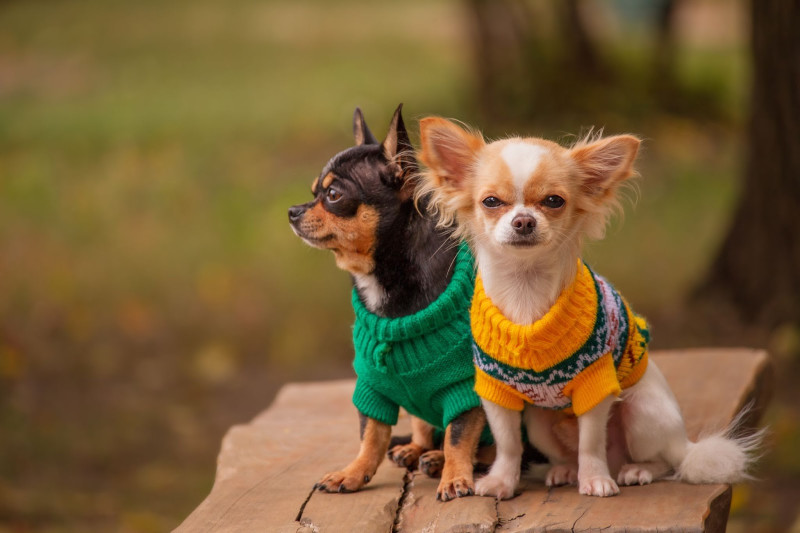
If you have decided that your heart belongs to a miniature dog, be prepared to change your lifestyle. This is not just a dog; it is a fragile member of the family.
- Safety at Home: You will have to learn to "shuffle" your feet so as not to accidentally step on your pet. Wires, gaps behind furniture, high beds - these are all high-risk zones.
- Clothing is Not a Luxury: Due to their low body mass, they cannot effectively retain heat. A sweater at home in winter and a jumpsuit outside are a necessity, not fashion.
- Nutrition: Use only super-premium food for small breeds. The kibble must be the appropriate size. A natural diet is very difficult to balance for a dog weighing 3 lbs, so it is better to consult a nutritionist.
- Anesthesia: Any surgical intervention, even teeth cleaning, carries higher risks. Choose clinics that have gas anesthesia and an experienced anesthesiologist.
The Ethical Side
Demand creates supply. As long as people search for the "smallest dog in the world," "baby-face," and "micro-Yorkies," breeders will produce sick animals. Responsible breeding aims to improve the breed, not create invalids for the sake of fashion. True miniaturization has its limits, beyond which the animal's life turns into suffering.
FCI and AKC standards exist for a reason. A weight below 3.5–4 lbs (1.5–2 kg) for most breeds is not physiological. When choosing a puppy, ask to see the parents. If the puppy's mom can barely walk and shakes, or has signs of a C-section (because such small dogs rarely give birth naturally), that is cause for concern.
Conclusions
Miniature and Toy breeds are wonderful companions that are ideally suited for city life. They are loyal, smart, and convenient to transport. However, the difference between a healthy representative of a "Toy" breed and the sickly result of extreme "Teacup" miniaturization is vast. Choose a dog that meets the breed standard, not dubious fashion trends. Remember that you are choosing a friend for 15 years, and it is better that these years are filled with shared walks, not visits to the vet.