Moving is always a mix of excited anticipation and complete chaos. New walls, new opportunities, a fresh start in life! But while we're busy packing boxes and dreaming about our new living room's design, our four-legged friends see the situation quite differently. For a cat or dog, changing their familiar environment is a huge stressor that can lead to behavioral and health issues. Don't fret though, the right preparation can work wonders. How can you turn a potential disaster into a calm journey to a happy new life for your whole family? You'll find all the answers and step-by-step instructions right here on Tvaryny.
This comprehensive guide will help you manage your pet's move with the utmost care. We'll cover every stage: from preparing a few weeks in advance to moving day and those crucial first days of adjustment in the new place. After all, your pet's peace of mind is directly linked to your own.
Phase 1: A few weeks before the move – building a foundation of calm
The biggest mistake people make is waiting until the last minute to prepare. Pets are incredibly sensitive to changes in their routine and the atmosphere of their home. That's why it's essential to start early.
General advice for all pets
- Vet visit: Schedule a check-up 2–3 weeks before your move. Make sure all vaccinations are current and get a copy of your pet's veterinary records. If your pet is particularly anxious, talk to your vet about the possibility of using calming medications or pheromones. A standard vet visit in the US can range from $50 to $100.
- Update information: Double-check and update your contact information on your pet's microchip and ID tag. If possible, include your new address, or at least ensure your mobile number is up-to-date. This is critically important if your beloved pet gets scared and runs off in a new area. Microchipping typically costs around $25-$50, and registration is often a small additional fee.
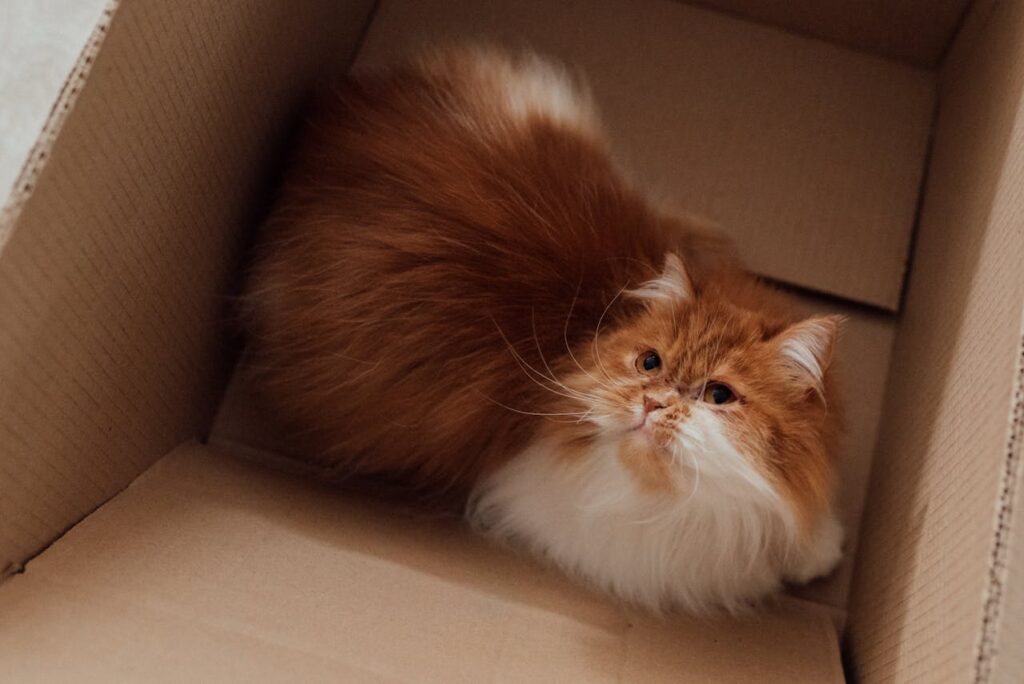
- Positive associations with packing: Don't let moving boxes and packing tape become intimidating monsters. Start packing gradually. Leave empty boxes open, throw in some toys or treats. Let your pet explore them and realize they're not a threat.
How to prep your cat for a move: a Zen masterclass
Cats are territorial creatures; for them, home is the center of their universe. So, moving stress in cats is almost inevitable, but you can significantly reduce it.
- Familiarize your cat with the carrier: Don't just pull out the carrier for vet trips. Make it part of your home decor a few weeks before the move. Place it in the living room, put their favorite blanket or toy inside. Regularly drop treats in there. The goal is for your cat to go in voluntarily and feel safe.
- Use pheromones: 1–2 weeks before the move, start using diffusers with synthetic feline pheromones (like Feliway). They create a sense of calm and security. On moving day, spray the carrier with pheromone spray. A Feliway diffuser starter kit typically costs about $25-$50.
- Preserve familiar scents: Don't wash your cat's favorite beds, blankets, or toys right before the move. These scents are their "comfort zone," which will be incredibly important in the new house.
Preparing your dog: packing as a new game
Dogs are more attached to their "pack" (meaning you) than to a specific place, but changes in routine and chaos still upset them. The main rule is to stick to their usual schedule.
- Don't change their routine: As much as possible, stick to your dog's regular schedule for walks, feeding, and playtime. This will give them a sense of stability amidst all the changes.
- More physical activity: A tired dog is a calm dog. Increase the length of their walks and add active games. This will help them release nervous energy.
- Familiarize them with the new area (if possible): If you're moving within the same city, take your dog for a walk near the new house a few days before the move. Let them sniff around the area and get used to the new smells and sounds.
Phase 2: D-Day – minimizing stress during pet transport
Moving day is pure chaos: open doors, unfamiliar movers, noise. This is the most dangerous time, as a pet can easily get scared and run away.
Create a "safe room"
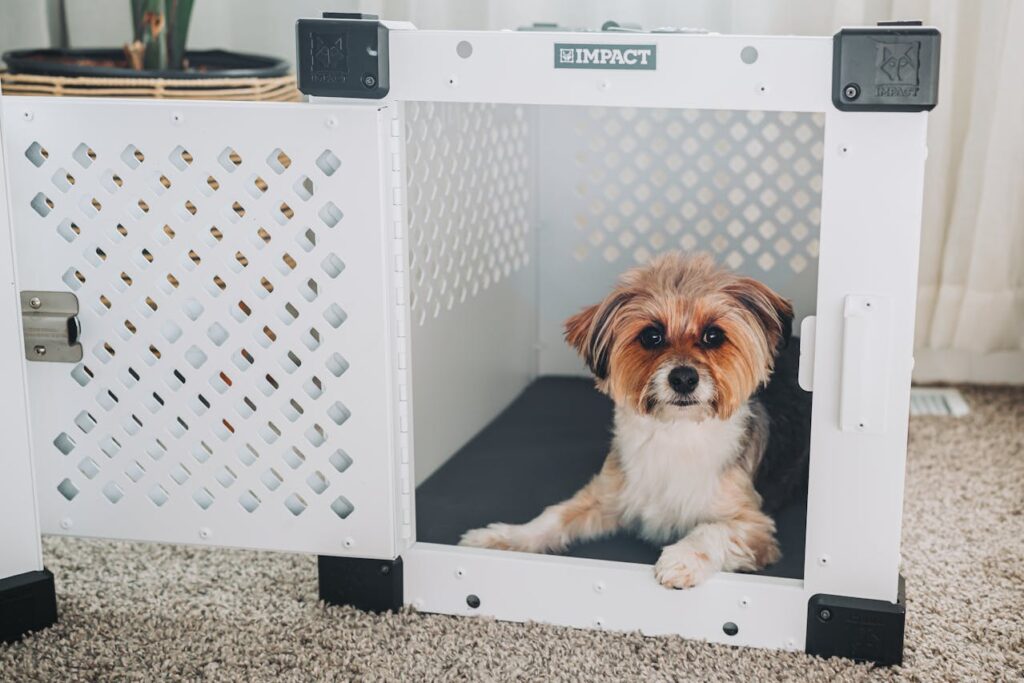
This is the most crucial step for moving day. Choose one room (ideally a bedroom or bathroom) that you've already emptied. Bring in the pet carrier, water and food bowls, the litter box for cats, and their favorite bed. Put your pet in this room before the movers arrive. Close the door tightly and hang a large sign on it that says: "DO NOT OPEN! PET INSIDE!". This will be their safe haven in the middle of the storm.
Proper transportation
- Don't feed them heavily: On moving day, give your pet a light breakfast 3–4 hours before the trip to avoid motion sickness. Water should be freely accessible.
- Secure restraint in the car: A carrier with a cat or small dog should be securely fastened to the seat with a seatbelt. A large dog is best transported in a special crate in the back of an SUV or using a car harness that attaches to a seatbelt.
- Your pet travels with you: Ideally, your pet should ride in the car with a family member they trust. Don't hand them over to movers or put them in a taxi with strangers. Your calm voice is the best soothing method.
Phase 3: The new home – helping with adaptation
You're finally there! But for your beloved pet, everything is just beginning. The adjustment process can take anywhere from a few days to several weeks.

First steps in the new home
Follow the same "safe room" principle. Before bringing in furniture, choose one room. Bring in the familiar "Pet Essentials" box, set out their bowls, litter box, and bed. Let your pet into this room and close the door. While the movers are bringing in items, your friend will be calm and safe, surrounded by familiar scents. Only let them explore the rest of the house once all the noise has settled down and the doors are closed.
Cat adaptation: the "conquest" strategy
Don't force your cat out of their carrier or safe room. Open the door and let them decide when they're ready to explore. Initially, they might only explore the house at night when everyone is asleep. That's totally normal. To speed up the process:
- Spread their scent: Take a soft cloth and gently rub it on your cat's cheeks and forehead (where they have scent glands that release "happy" pheromones). Then, wipe this cloth on furniture corners, table legs, and chair legs at your cat's height. This will create the illusion that they've already "marked" the territory.
- Play and interact: Spend time with your cat in the new house, play with them, and talk to them in a calm tone. Your presence is a signal that it's safe here.
Dog adaptation in the new home: back to routine
Dog adaptation in a new home goes smoother if you can return to their usual schedule as quickly as possible.
- First walks on leash: Even if you have a private house with a yard, for the first few weeks, only take your dog outside on a leash. They don't yet know the boundaries of their new territory and could easily run off if startled by a loud noise.
- Exploratory walks: Allow your dog to thoroughly sniff everything around. This is their way of "reading" the neighborhood news. Walk different routes so they learn the area more quickly.
- Don't leave them alone for too long: During the first few days, try not to leave your dog alone for extended periods. If it's necessary, leave them a favorite chew toy or a "puzzle" toy with treats inside to keep them occupied.
Common problems and their solutions
Sometimes, despite all your efforts, difficulties can arise. This isn't your fault; it's a normal reaction to significant stress. It's important to understand that your pet is experiencing deep stress, which can sometimes be compared to grieving the loss of their familiar world. Be patient.
Problem: My cat hides under the couch and won't come out.
Solution: Don't try to pull them out forcefully. Place a bowl of water, their favorite food, and a litter box nearby. Sit on the floor nearby and calmly read a book or talk to them. Your calm presence will show them there's no threat. They will come out when they're ready.
Problem: My pet refuses to eat.
Solution: This is a common reaction to stress. Offer something especially tasty – a piece of boiled chicken or some wet food. If the refusal to eat lasts for more than 24 hours, you should definitely consult a vet.
Problem: My dog whines and destroys things when left alone.
Solution: This is a sign of separation anxiety that's worsened due to the move. Start with training: leave the house for 1 minute, then return. Gradually increase the time you're away. Always leave your dog some chew toys to keep them occupied. Make sure they're well-exercised before you leave.
Problem: My cat has started ignoring the litter box.
Solution: Make sure the litter box is clean and located in a quiet, private spot. Perhaps your cat doesn't like its new location. Try placing a few litter boxes in different areas. If the problem doesn't resolve, consult a vet to rule out medical reasons (such as a stress-induced bladder infection).
Finally: patience, love, and routine
Moving with a pet is a marathon, not a sprint. Your most important tool is patience. Don't expect your beloved companion to love their new home as much as you do right away. Give them time. Stay calm, stick to their routine, and surround them with love and care.
Remember, for your furry friend, you are their home. Wherever you are, your presence is the most crucial anchor of stability in this new, unknown world. And very soon, you'll both be enjoying the comfort of your new place together.