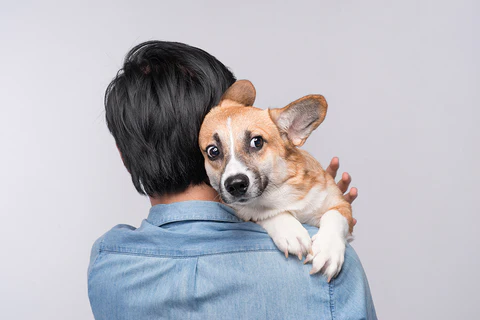
Imagine this scenario: a child is giving the family Labrador a tight hug. The dog responds by yawning and licking its nose. The parents smile fondly, "Oh, he must be tired and is giving her kisses!" But an experienced dog trainer sees something entirely different: the dog isn't tired, its highly stressed and desperately trying to say, "Please stop, I'm uncomfortable." This gap in perception - between what we think the dog is doing and what it's actually feeling - is the root of many behavioral problems. Dogs are "talking" constantly, but we frequently misunderstand their language. It’s a body language composed of dozens of subtle signals. Understanding these signals is the key to building trust and preventing conflict. Learn more at Tvaryny.
We tend to notice only the "loud" signals - barking, growling, or, in the worst case, a bite. But these displays are always preceded by a cascade of quiet "warnings." These are stress and appeasement signals. Studying them won't just improve your relationship with your pet; it could literally save someone from injury and your dog from fatal consequences.
What Are "Calming Signals" and Why Are They Misleading?
The term "Calming Signals" was popularized by Norwegian dog trainer Turid Rugaas. It's a set of postures, gestures, and expressions that dogs use to communicate with each other and with us. Their primary goal is to avoid conflict, de-escalate a situation, or signal their own discomfort.
So why are they misleading? Because many of these actions look like common, "human," or everyday gestures:
- Yawning (we think: tiredness).
- Licking (we think: hunger, a kiss).
- Averting their gaze (we think: inattention, stubbornness).
When a dog uses these signals, it's essentially saying, "I'm not a threat" or "I’m uncomfortable here, please give me space." But the main problem is that these same signals are also involuntary manifestations of stress. A dog might yawn not just to "calm" someone, but also because its cortisol levels are rising due to a confusing or unpleasant situation. Decoding these signals requires context.
7 Key Stress and Appeasement Signals in Dogs
Let's break down the most common signals that owners either ignore or misinterpret. This is the ABCs of dog body language.
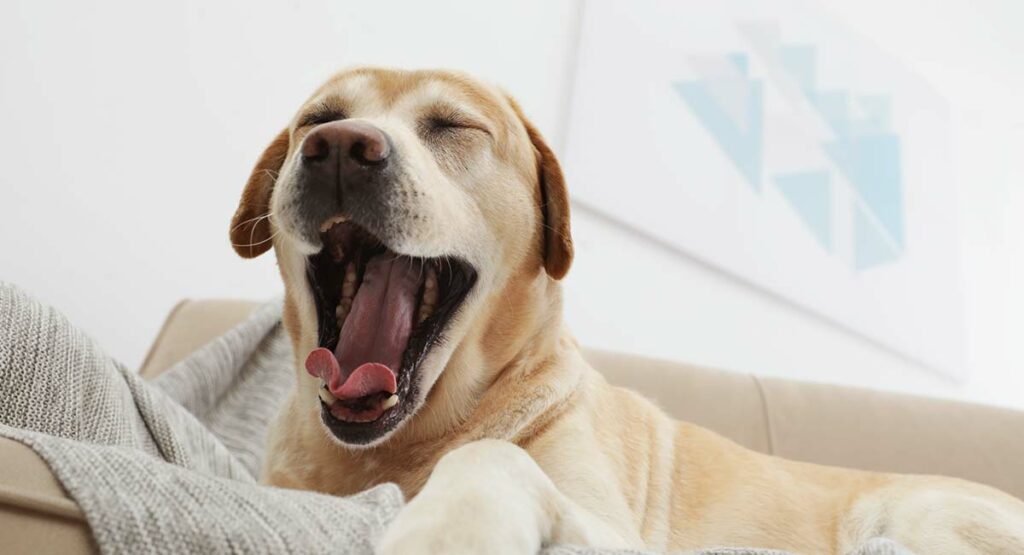
1. Yawning (Not From Tiredness)
Of course, dogs yawn when they wake up or get ready for bed. But a "stress yawn" is completely different. It's typically more intense and prolonged than a sleepy yawn.
When you see it: Most often at the vet clinic, during grooming, when you're hugging them too tightly, or during training if the dog doesn't understand what you want. This is one of the first and most common signals that a dog is feeling mild to moderate stress and is trying to "release tension."
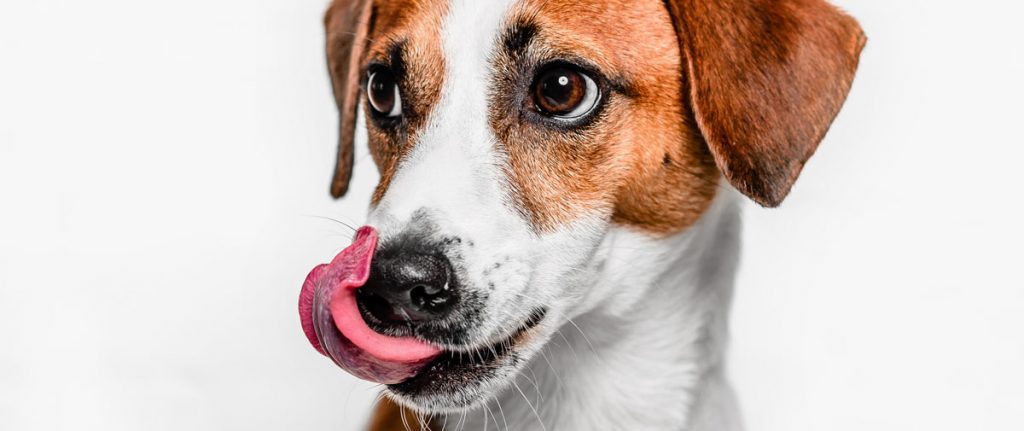
2. Nose and Lip Licking (The "Flick")
This isn't when a dog licks its chops anticipating food. It’s a very fast, barely noticeable tongue movement that darts out to touch the nose (or sometimes just flicks into the air). This gesture is called a "flick."
When you see it: When you lean over a dog (which is perceived as a threat), when you try to take their picture, or when a stranger reaches for them. It's a classic appeasement signal that means, "I feel pressured, please stop."
3. "Whale Eye" (Showing the Whites of the Eyes)
This is one of the most serious signals on this list, indicating intense fear or stress. The dog turns its head away, but its gaze remains locked on the "threat" (like your hand reaching for its food bowl). This causes the whites of its eyes to become clearly visible in a half-moon shape.
When you see it: During resource guarding (food, a toy, a spot), when a dog is cornered, or when a child tries to hug them and they can't get away. This precedes a growl or a bite. If you see "whale eye," stop the interaction immediately and give the dog space.
4. Head and Gaze Aversion
This is the canine equivalent of a polite refusal. When a dog turns its head or avoids direct eye contact, it's not a sign of stubbornness or disobedience. It's an active appeasement signal.
When you see it: When a stranger tries to pet them, when another dog is sniffing them too intrusively, or when you are scolding them. Direct eye contact is a challenge in the dog world. By looking away, the dog is saying, "I don’t want conflict." Ignoring this signal and "forcing" contact (like holding their muzzle) is a direct path to escalation.
5. Raised Front Paw
No, this isn't always a hunting dog's "point" (though it originates from there). A slight lift of one front paw, often combined with otehr signals (like a nose lick), is a sign of uncertainty and mild stress.
When you see it: During training, when the dog is unsure of a command. When it encounters something new and confusing (a weird object on the sidewalk). When it's analyzing a situation and doesn't know how to act. It's a signal of "I'm not sure about this."
6. The "Shake Off" (When Not Wet)
The dog just left the vet's office and... does a full-body shake, even though it's completely dry. Or two dogs have a tense encounter, walk away, and both shake off. This isn't hygiene. It's a physical way to "shake off" accumulated tension and stress. It’s like letting out a "Phew, that's over!"
When you see it: Always after a stressful event: after intense play, after you've scolded them, after guests leave. This is a good sign - the dog is self-regulating. But it's also an indicator that the preceding situation was stressful for them.
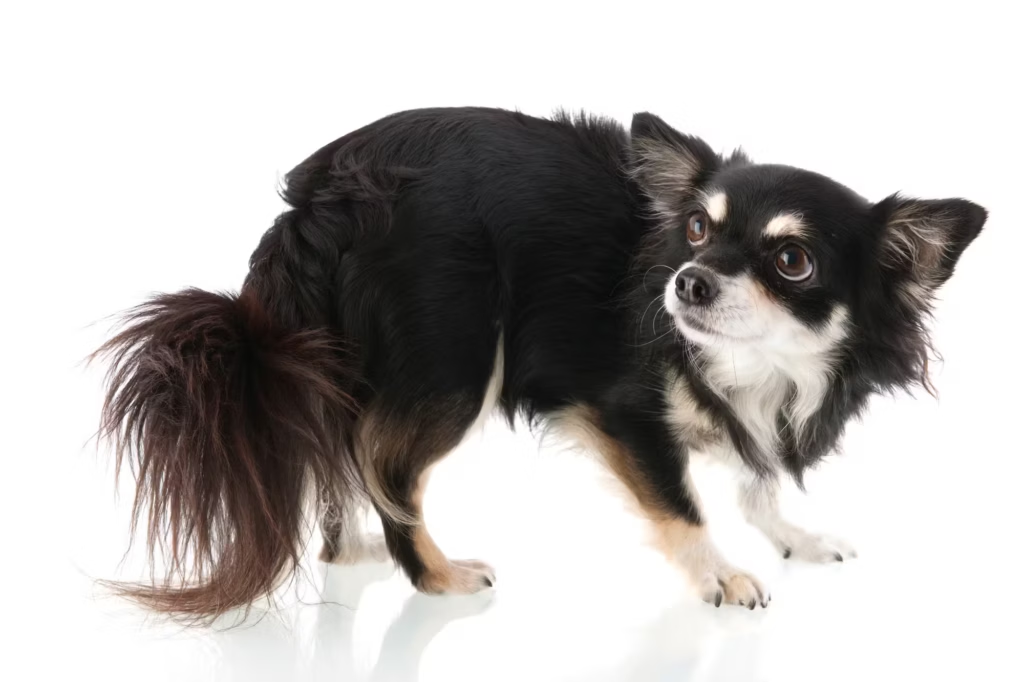
7. Freezing
This is the most dangerous signal on the list. A "freeze" is a complete stop in motion. The dog suddenly becomes rigid, tense, and its gaze fixates. This might last a split second or several seconds.
When you see it: This happens immediately before an explosion - a growl, a snap, or a bite. A child is pulling the dog's tail; it endures (yawning, licking), then suddenly freezes... and the next instant, it bites. Freezing is a sign that all previous "polite" signals were ignored, and the dog has entered "fight or flight" mode (and is often choosing "fight"). This is a red flag. Stop all interaction immediately.
The Ladder of Aggression: Why Ignoring "Quiet" Signals is Dangerous
Imagine a ladder. At the bottom are the mildest dog stress signals, and at the top is a bite. A dog always climbs this ladder sequentially. It doesn't just jump from step one to step ten.
- Step 1: Yawning, lip licking, looking away (Mild stress).
- Step 2: "Whale eye," raised paw, walking away (Moderate stress, desire to leave).
- Step 3: Freezing, body tenses (High stress).
- Step 4: Growling (A clear warning: "Back off!").
- Step 5: Snapping (air snap) (Final warning).
- Step 6: Bite.
The problem is that many owners punish the dog for Step 4 (growling). They yell, "Don't you dare growl!" The dog learns the lesson: "Growling is not allowed." The next time, to avoid punishment, it jumps from Step 3 (Freezing) straight to Step 6 (Biting). This is how you get dogs that "bite without warning." In reality, they were warning, but their warnings (appeasement signals and growling) were suppressed. Your job is to react back on Step 1.
Punishing a dog for growling is like taking the batteries out of a smoke detector while a fire is starting.
Common Scenarios: Where Do We See These Signals Most Often?

Understanding the theory is good, but how do you understand your dog in real life? Pay attention to these signals in the following situations:
- During hugs and kisses: Most dogs hate hugs (it's perceived as confinement) and direct, close-up eye contact. Look at photos of "dog and child hugging" - in 90% of them, you'll see whale eye, yawning, or nose licking.
- At the vet clinic: The waiting room is a symphony of stress signals. Yawning, licking, raised paws, trembling.
- When meeting other dogs: Head aversion, "freezing" on approach, sniffing in an arc (not head-on) - these are all elements of polite canine etiquette to avoid conflict.
- During training: If you apply too much pressure or the commands are unclear, the dog will start yawning, licking, and looking away. This isn't stubbornness; it's overload.
- When guests come over: New people, loud noises - the dog might hide, but if it has nowhere to go, it will start giving these signals, asking for space.
My Dog Is Showing These Signals. What Do I Do?
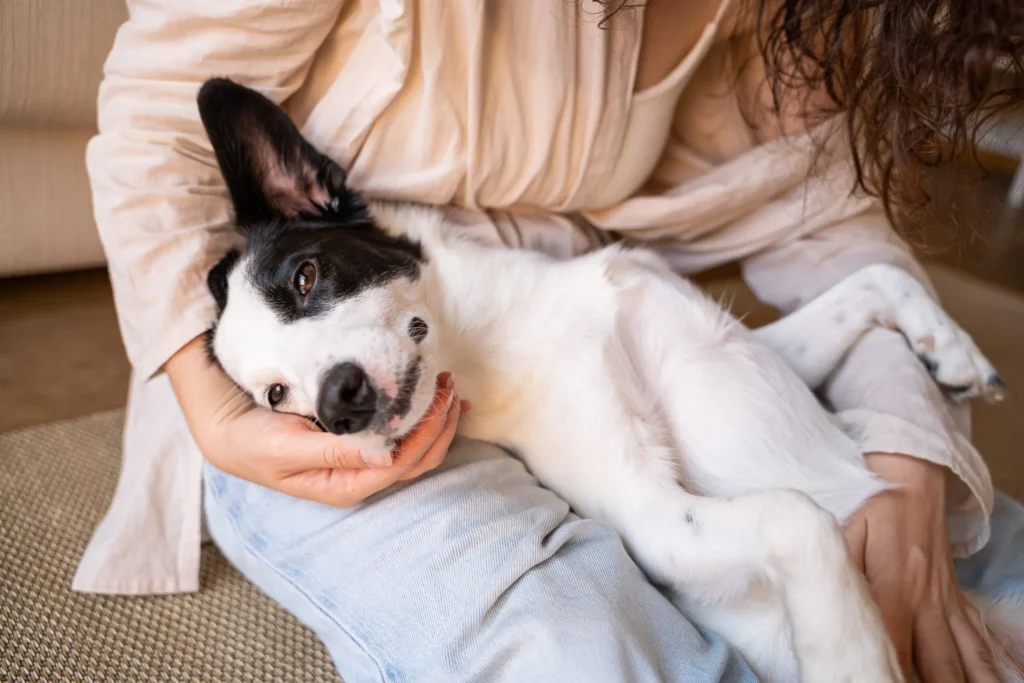
So, you've noticed your dog yawns when a guest pets him, or shows whale eye when you approach his food bowl. Your actions (and what not to do) are critical.
- DON'T punish the signal. Never scold a dog for yawning, licking, or growling. It's their only way to tell you they're uncomfortable. Taking away that ability creates a ticking time bomb.
- IMMEDIATELY stop the action. If you're petting the dog and it turns its head, remove your hand. If a guest is crowding the dog and it licks its nose, ask the guest to back up. If you see whale eye near the food bowl, step away.
- Create distance. Your first goal is to lower the stress level. The best way to do this is to give the dog space. Let them walk away, move away yourself, or redirect their attention to something calm.
- Analyze the trigger. What exactly caused the reaction? Your hand over its head? The eye contact? A loud noise? Once you understand the cause, you can avoid it in the future or begin slow desensitization (getting them used to it).
- Contact a professional. If you frequently see high-stress signals (freezing, whale eye, growling), especially related to resource guarding or fear, don't try to solve it yourself. Contact a certified dog trainer or a veterinary behaviorist who uses humane methods.
Conclusion: Learn to Listen
Dog body language is a rich and complex system, but it's completely logical. Your dog doesn't want to bite you. It doesn't want to conflict. It wants to be heard. Every yawn, every nose lick, isn't just physiology-it's a sentence in their conversation with you.
When you learn to recognize these 7 signals and respond with respect (by giving them space), two things will happen. First, you will dramatically reduce the risk of aggression. Second, and most importantly, your dog will understand that you "hear" them and respect their boundaries. This is the foundation for an incredibly deep trust and a bond that will last a lifetime.