
Retirement often brings a wealth of free time, leading many to consider adding a new member to the family - a four-legged friend. A dog can be a wonderful companion, a source of endless love, and a great motivator for daily walks. However, choosing the right breed is a crucial factor for a harmonious life together, especially for seniors. It's essential to find a dog whose temperament and needs align with your lifestyle. The wrong choice can lead to stress for both the owner and the pet. That's why we’ve prepared a detailed analysis to help you understand which dogs make the best companions for older adults, and we'll cover all the nuances of making this choice further on Tvaryny.
Key Criteria for Choosing: What Should a Senior Consider?
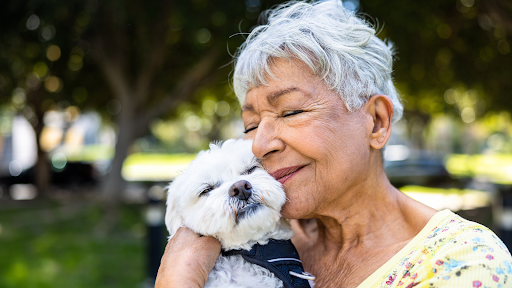
Before diving into specific breeds, it's important to understand the characteristics that make a dog an ideal companion for a senior citizen. It’s not just about size, but a whole set of factors.
- Energy Level and Exercise Needs. This is arguably the most critical aspect. High-energy dogs that require hour-long runs are rarely a good fit for seniors. The ideal option is a calm dog breed suited for an apartment, who will be happy with leisurely walks in the park and playtime at home.
- Temperament and Character. A dog should be gentle, patient, and not prone to aggression. A people-oriented personality is vital, with a desire to be close and offer affection. Independent or overly stubborn breeds can prove difficult to train.
- Size. Small dogs are often a better choice for seniors. They are easier to manage on a leash, bathe, transport, and keep in a small apartment. A large dog could accidentally knock someone over or pull too hard, which is a risk for an older person, and keeping them can be a drain on thier finances.
- Grooming Needs. Breeds that require complex daily grooming, detangling mats, or frequent trips to a groomer can become a burden. It’s best to choose dogs with minimal to moderate grooming requirements.
- Age of the Dog. Don't rule out the idea of adopting an adult dog from a shelter. These are often already trained, calm animals whose personalities are already known. A puppy requires significantly more energy, attention, and patience.
- Health and Predisposition to Illness. Some breeds are genetically prone to certain diseases, which can mean frequent and costly visits to the vet. It’s wise to research a breed's potential health issues beforehand.
Top 7 Dog Breeds That Make Ideal Companions for Seniors
So, which dog should a retiree get? We've analyzed dozens of breeds and selected the ones that best meet the criteria mentioned above.
1. Bichon Frise
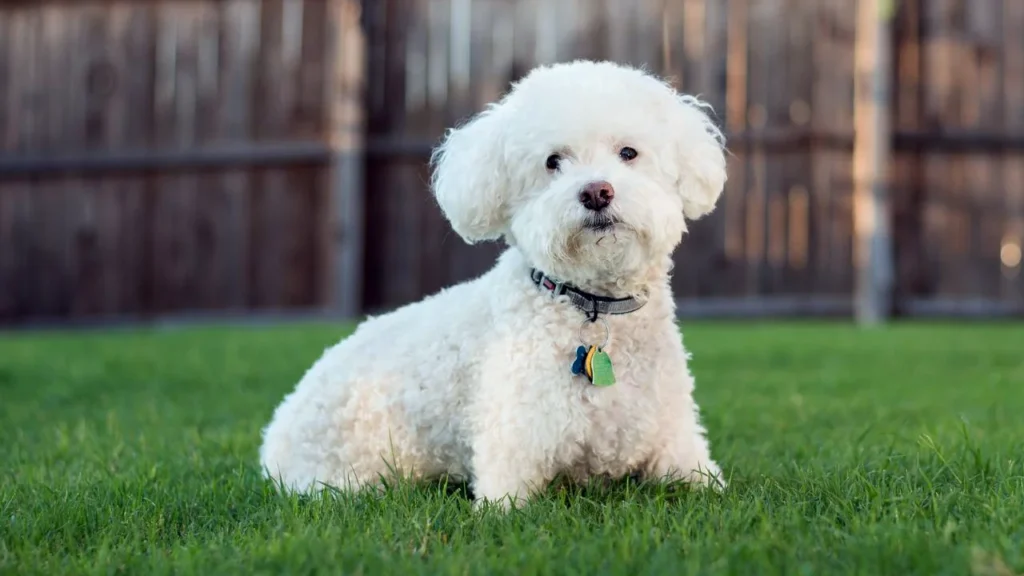
These little white clouds are known for their cheerful and playful personalities. Bichons become deeply attached to their owners and are ready to follow them everywhere. They don’t require intense physical exercise-daily walks and indoor playtime are perfectly sufficient. Their coat is considered hypoallergenic, a major plus. However, it does need regular grooming, including trims every 1–2 months to prevent matting. If you’re looking for a comanion that will always lift your spirits, the Bichon Frise is an excellent choice.
2. Cavalier King Charles Spaniel
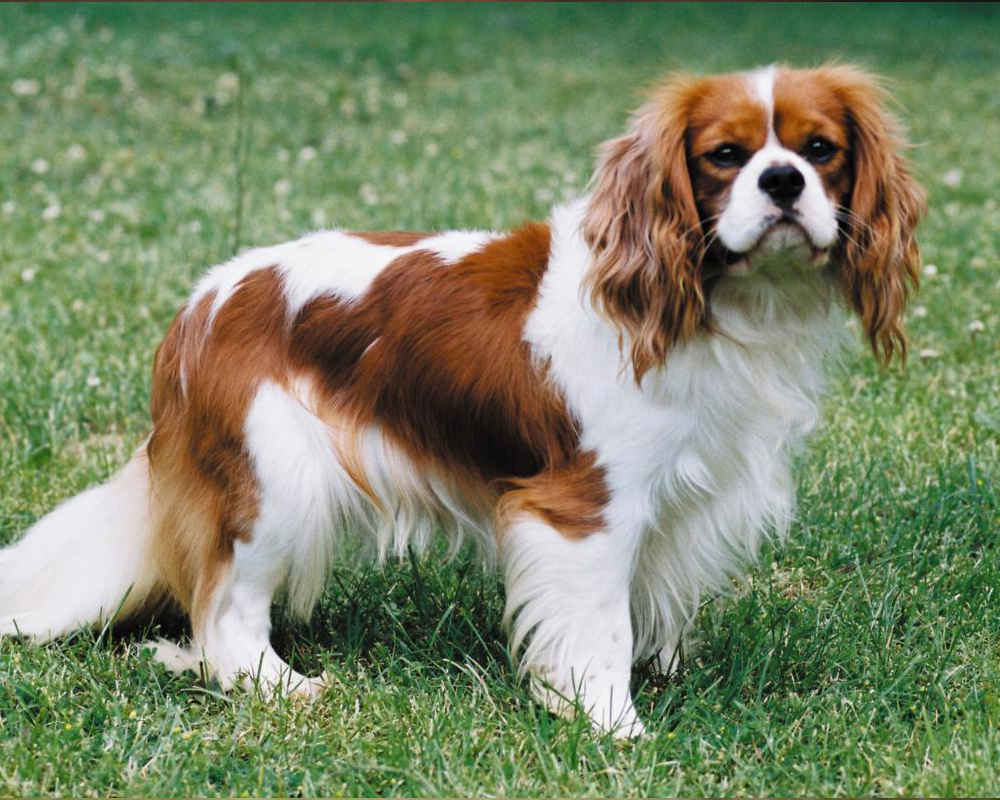
This is one of the most affectionate and gentle breeds in the world. Cavaliers were bred to be companions, and they excel at it. They adapt beautifully to their owner's lifestyle, equally ready for a calm stroll or a cozy evening on the couch. These dogs get along wonderfully with all family members, children, and other pets. Their long, silky coat requires regular brushing, but otherwise, their care is straightforward. Cavaliers are the embodiment of love and devotion.
3. Poodle (Toy or Miniature)
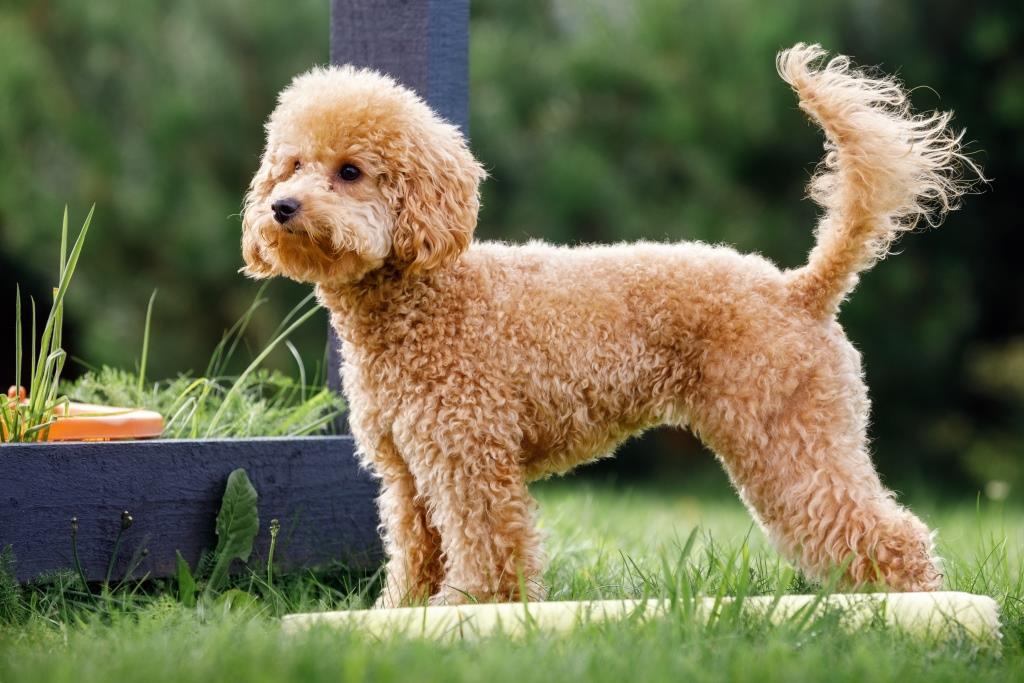
Poodles consistently rank among the most intelligent dog breeds. They are easy to train and learn new commands quickly. For seniors, the smaller varieties - Toy or Miniature - are the best fit. They are active but not hyperactive and will happily join in any calm activity. Like Bichons, Poodles are considered hypoallergenic because they shed very little. This is especially important for people with allergies. If you’re looking for more than just a friend, but a smart partner, take a look at this breed. For those worried about allergic reactions, there's a detailed guide on hypoallergenic dog and cat breeds to help make the final choice.
4. Maltese
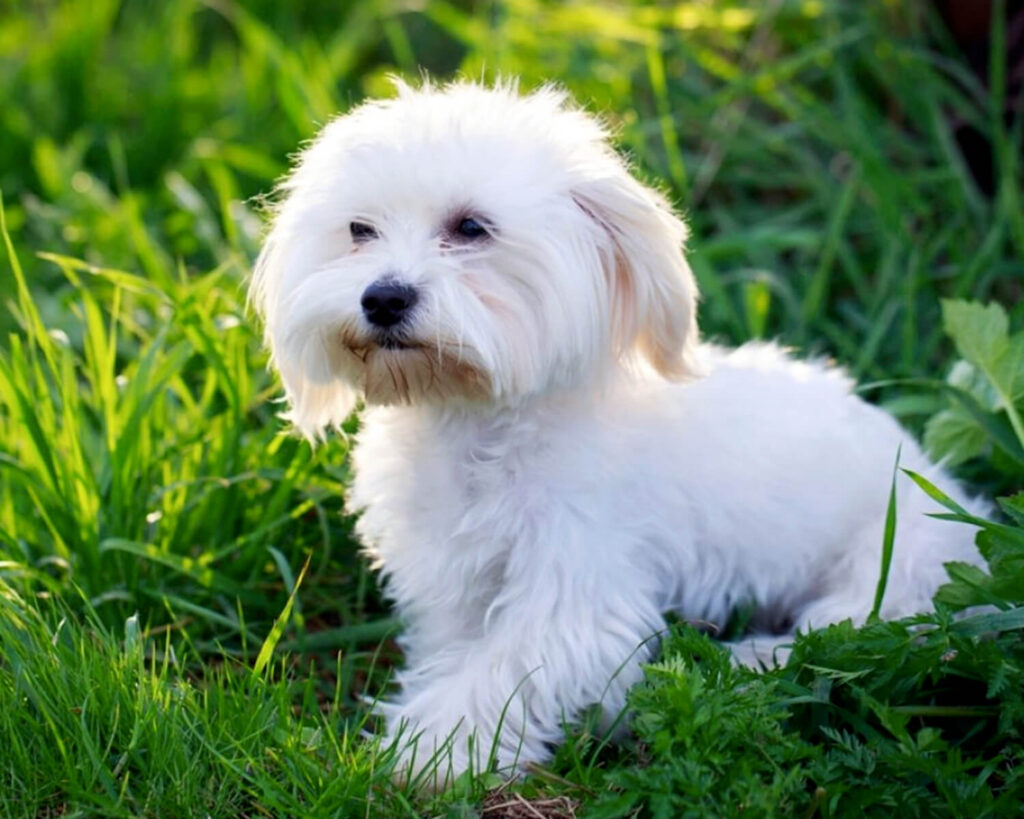
The Maltese is an aristocratic lap dog that loves being the center of attention. They are perfectly suited for people who spend a lot of time at home. These dogs don't need much space and feel wonderful even in a small apartment. Their main desire is to be close to their favorite person. The long, white coat of the Maltese needs daily brushing to stay beautiful and healthy, but many owners opt for a short "puppy cut" to make grooming easier. They are gentle, sensitive animals that offer boundless loyalty.
5. Shih Tzu
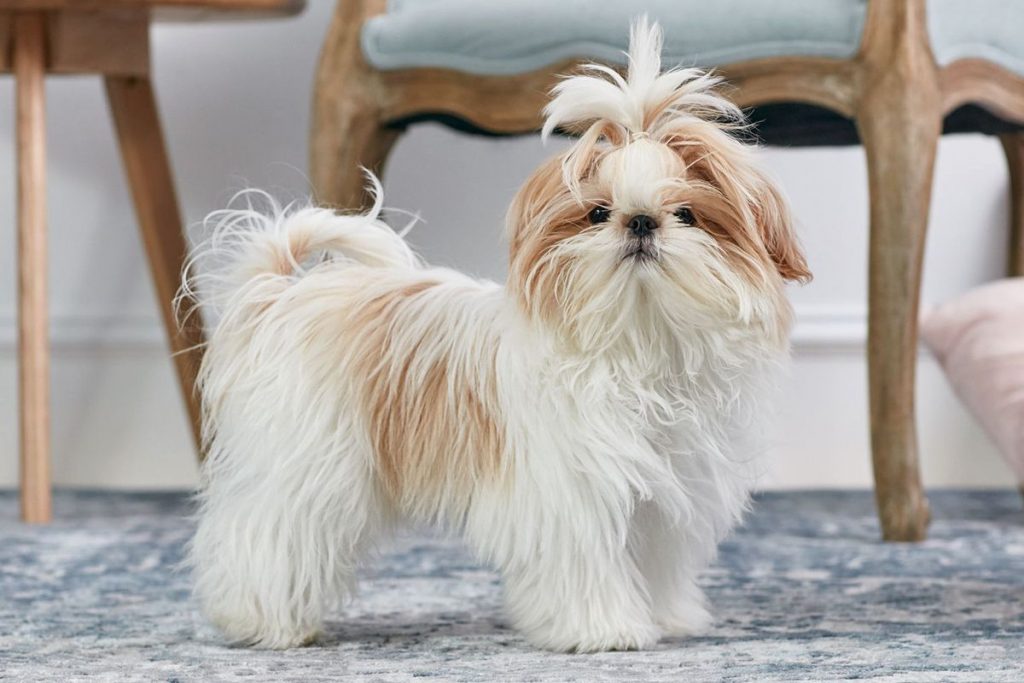
The name "Shih Tzu" translates to "little lion," but their personality is more like that of an affectionate kitten. They are friendly, sociable, and completely non-aggressive. Shih Tzus were bred as companion dogs for Chinese emperors, and they still retain their love for comfort and human attention. They don't need long walks and are perfectly content with short trips outside. Their long coat requires regular care, but just as with the Maltese, this can be managed with a simple haircut. The Shih Tzu is a great choice for anyone seeking a calm and loving friend.
6. Pug
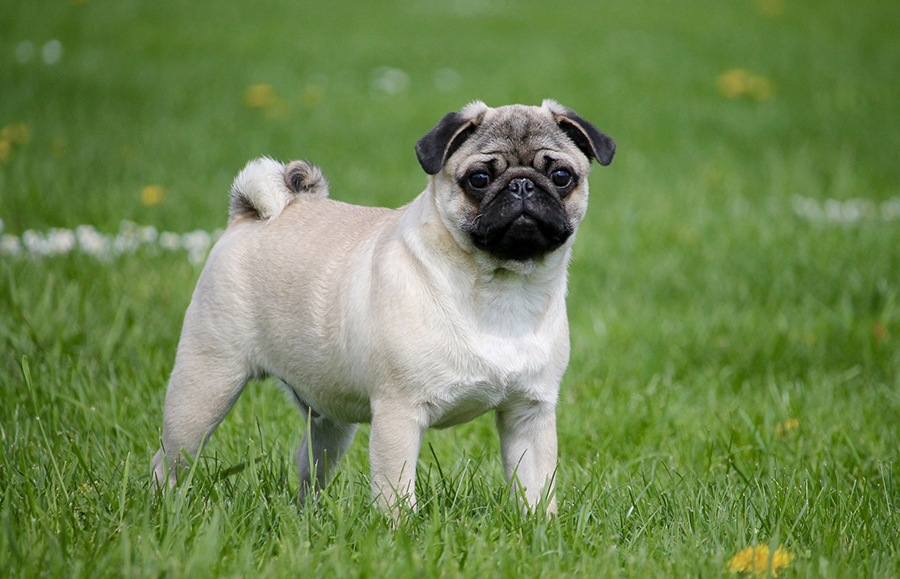
Pugs are charming dogs with big eyes and funny habits. Their motto is "sleep a lot and eat well." They have a low energy level and aren't built for prolonged physical activity, making them ideal for a relaxed lifestyle. Pugs are very people-focused and can get anxious if left alone for long periods. It's important to remember that their brachycephalic (flat) face can cause breathing issues, and they don't handle heat well. They are also prone to gaining weight, so monitoring their diet is a must.
7. West Highland White Terrier
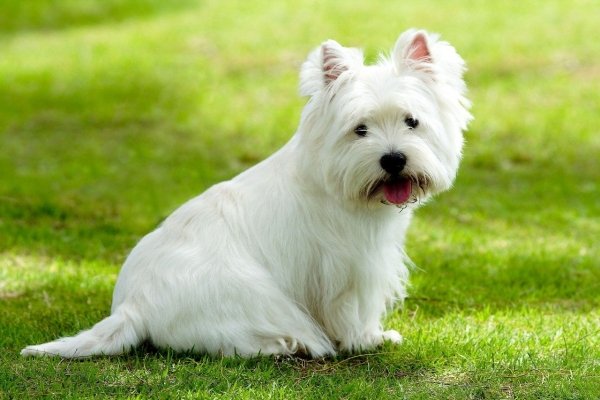
If you lead a fairly active lifestyle and are looking for a cheerful partner for walks instead of a lap dog, a "Westie" could be a fantastic choice. These are sturdy, confident, and lively terriers. They are a bit more energetic than the other breeds on this list, but their needs can easily be met with daily walks. A Westie's coarse coat doesn't require complicated care; brushing it a few times a week and occasional trimming will suffice. They are intelligent but can sometimes be stubborn, a trait common in many terriers.
Important Aspects: Caring for a Dog in Your Senior Years
Choosing a breed is only half the battle. It's important to realistically assess your own energy levels and capabilities. Caring for a dog as a senior has its unique considerations. Think about the following:
- Financial Costs. Quality food, veterinary care, vaccinations, parasite prevention, and grooming all require regular financial investment.
- Help from Loved Ones. Do you have children or friends who could help with the dog if you get sick, go on a trip, or just can't take them out in bad weather?
- Home Safety. Make sure your home is safe for a dog. Secure any loose wires, put away small objects that could be swallowed, and give your pet its own cozy space.
- Veterinary Care. Find a good vet clinic nearby. Regular check-ups will help keep your beloved pet healthy for years to come.
Conclusion
A dog in a senior’s home is more than just a pet-it's a true antidepressant, a motivator, and a loyal friend. A dog helps combat loneliness, provides structure to the day, and fills it with joyful moments. The most important thing is to make a thoughtful choice, considering your own lifestyle, physical abilities, and personality. We hope our guide helps you find that perfect four-legged companion who will bring harmony and endless love into your life.