


| Height | 68–90 cm |
| Weight | 38–80 kg |
| Lifespan | 10–13 years |
| FCI group | not FCI-recognized (Asian mastiff / LGD) |
| Origin | Afghanistan |
Exact ratings
- Hip and elbow dysplasia
- Gastric torsion (bloat, a giant)
- Hypertrophic osteodystrophy in puppies
- Calluses and joint injuries
- A robust working breed overall
Controlled growth in puppyhood (to prevent orthopedic problems), a moderate quality diet and feeding in small portions (bloat risk in a giant). Lots of space and moderate exercise.
The Kuchi Dog, or Afghan Shepherd (Sage Koochee), is a little-known yet legendary ancestor of the popular Central Asian Shepherd (Alabai). These dogs have inhabited the harsh lands of Afghanistan since ancient times, adapting perfectly to climatic conditions that would break most other breeds. There are three distinct types within the breed: mountain, steppe, and desert, each with physical features suited to their environment. This robust, independent, and tough dog is undergoing increasing socialization today, trying to find its place in the modern world. However, the idea of getting such a four-legged friend requires careful consideration and serious preparation. The Kuchi Dog needs minimum grooming but maximum attention from a strong-willed owner. Learn more on Tvaryny.
Kuchi Dog: A Brief Breed Overview
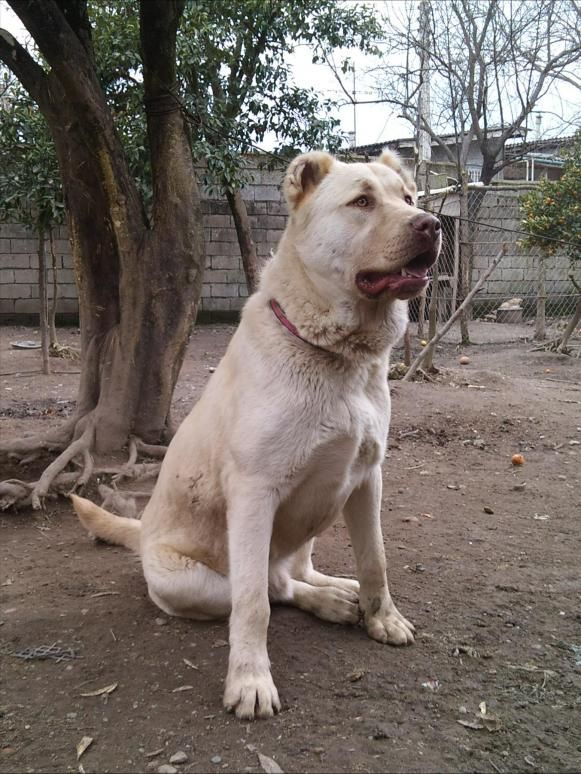
- Origin: Afghanistan (Central Asia)
- First Mentioned: Exact date unknown, ancient aboriginal breed
- Lifespan: 12-14 years
- Height at Withers: 27-35 inches (68-90 cm, depends on type)
- Weight: 84-176 lbs (38-80 kg, significant variation between types)
- Group: Molossers, livestock guardian dogs
Breed History: Guardians of the Silk Road
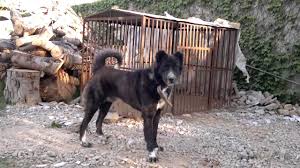
The name “Sage Koochee” speaks for itself. In Farsi, “Sage” means “dog,” and “Koochee” refers to the nomadic tribes of Afghanistan. So, the Kuchi Dog is literally the “nomad’s dog.” They have long accompanied shepherds who had to travel year-round in search of better pastures across mountain ranges and scorching deserts. These animals were never just pets; they were a strategic survival resource.
The dogs became accustomed to living outdoors in any weather – from the baking sun of the Registan Desert to the icy winds of the Hindu Kush. Their main task was to stand against predators (wolves, leopards) and enemies (strangers, livestock thieves). They spread throughout Afghanistan, serving as caravan guards, camp sentries, and shepherds. It is worth noting that genetically they are very close to the Central Asian Shepherd Dog (Alabai), although their environment made the Kuchi lighter and faster.
Over time, their independent nature, courage, and tough temperament led to their use in traditional dog fights, which, unfortunately, remain popular in the region. This was also fueled by the Kuchi Dog’s innate hostility toward other canines violating their territory. The breed has not been recognized by any major Western association (FCI, AKC) because the breed standard is very blurred due to the variety of types, and in their homeland, they continue to serve shepherds without any pedigrees. Work is ongoing to socialize Kuchi Dog representatives in Europe. However, they still struggle to adapt to cramped human housing, are hostile toward strangers, and are known for their independent, headstrong character.
Kuchi Dog Varieties: Three Elements in One Breed
The Kuchi Dog is not a monolithic breed. The geography of Afghanistan has shaped three main subtypes, which can look quite different visually, even though they represent the same genetic branch.
| Type | Description | Coat | Purpose |
|---|---|---|---|
| Mountain Type | Massive bone structure, large head, broad chest. Resembles heavy Molossers/Mastiffs. | Very thick, long coat with dense undercoat for protection against cold. | Guarding stationary camps in the mountains, fighting large predators. |
| Steppe Type | Medium build, lighter than the mountain type but sturdier than the desert one. | Medium length coat. | Escorting flocks on the plains, all-purpose guard. |
| Desert Type | Light bone structure, long legs, tucked-up belly. Resembles large sighthounds. | Short coat, undercoat less pronounced. | Active movement on sand, chasing down fast predators. |
What the Kuchi Dog Looks Like: Appearance
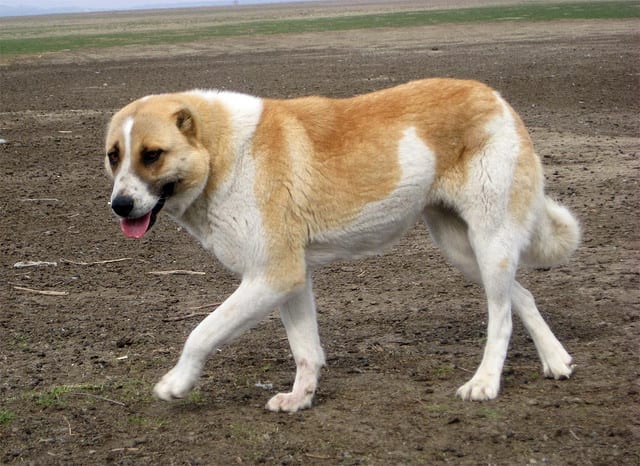
This is a large dog with a long, strong neck, often with cropped ears and tail (a nomad tradition to reduce vulnerable points in a fight with wolves) and lengthened coarse hair on the back. Desert-type Kuchi Dogs have a particularly thick undercoat that acts as an insulator against heat, while in steppe representatives, the longer coat protects against the wind.
Unlike the broad-boned mountain Kuchis, the “steppe” dogs have a lighter constitution, allowing them to cover huge distances without fatigue. The size and shape of the head, color, and coat texture can vary from dog to dog. They are united by physical power, incredible adaptability to difficult travel conditions, and a characteristic dewlap on the neck. Despite the thick coat, modern Kuchi Dogs, just like their ancestors, do not require complex grooming – their fur tends to be self-cleaning.
Exterior Details:
- Head: In the mountain type – heavy, Molosser-like. In the desert type – more wedge-shaped. The jaws are extremely powerful.
- Eyes: Usually dark, almond-shaped, deep-set. The gaze is attentive, scanning, often described as “piercing.”
- Ears: Naturally hanging, triangular, medium size. Traditionally cropped almost to the base, although this practice is banned in Europe.
- Tail: Thick at the base. Human intervention involves docking the tail by a third so it doesn’t get caught in thorny bushes.
- Paws: Very large, with strong claws. The paw pads are hard, adapted to hot stones.
Interestingly, the region where the Kuchi Dog developed is also home to the Aboriginal Afghan Hound. Sometimes these breeds crossed paths in the households of wealthy nomads: some guarded, while others hunted.
Character: Temperament and Behavior of a Warrior
The Kuchi Dog’s temprament (pay attention here) corresponds to the difficult conditions and dangers in which the breed was formed over centuries. These are independent, balanced, brave dogs. They do not seek human approval like German Shepherds or Labradors. They are partners, not servants.
Kuchis show ruthlessness in a fight, aggression toward strangers, and, quite often, stubbornness in their relationship with their owner. At the same time, Kuchi Dogs can be very loyal and bond strongly with their family (“their pack”). They have a clearly defined territorial instinct: everything inside their territory is under protection; everything outside is a potential threat.
Important Behavior Nuances:
- Relations with Kids: They must not be left alone with small children. Although the dog may tolerate “its own” kids, its size and reaction to sudden movements can be dangerous.
- Aggression toward Animals: Conflict with other dogs should be avoided. Kuchi Dog males are extremely dominant.
- Need for Humans: Such a pet, for whom “home” is simply open territory, actually has a great need for interaction with its owner. Without it, the Kuchi Dog goes feral, becomes unmanageable and excessively aggressive.
- Vocalization: The breed expresses its emotions (both positive and negative) very “vocally” – with a loud, chesty bark and a menacing growl that can frighten those nearby.
In terms of working qualities, this breed is sometimes compared to other rare dogs. For instance, in India, a similar function is performed by the Rampur Greyhound; although it is a sighthound, it protects its master just as fearlessly. And in terms of endurance, the Kuchi Dog can compete even with such a European athlete as the Poitevin Hound, capable of running all day without stopping.
Coat Care

Such a dog categorically cannot live inside the owner’s house (apartment) or live permanently on a chain. A chain breaks the Kuchi’s psyche, making it hysterical. Even a run or kennel, where the Kuchi Dog will feel like the owner of its private territory, should remain closed only during the day or when guests arrive.
Basic Care Rules:
- Brushing: During shedding season (spring/fall), the dog loses a colossal amount of hair. You need to brush daily with a slicker brush. At other times, once a week is sufficient.
- Bathing: Only when absolutely necessary. The coat has a greasy layer that protects against dirt. Frequent washing destroys this barrier.
- Eyes and Ears: Regular check-ups once a week.
At night, this freedom-loving shepherd should be let out to run around a securely fenced yard. Keep in mind that Kuchi Dogs react aggressively to any strangers, and the “enemy” category might accidentally include the mail carrier, a neighbor, or the owner’s guest. The fence must be high and sunken into the ground, as these dogs dig quite well. You won’t have to dedicate much time to spa procedures. This four-legged guard will require much more personal communication – talking, joint patrols of the territory. By depriving the dog of attention, the owner risks losing control over the behavior of a strong and aggressive domestic guardian.
Training and Socialization: A Challenge for Professionals
The difficulty in training Kuchi Dogs lies in their intellectually independent nature. They are smart, but not “servile.” Such a dog can become loyal to its master, give its life for them, but will never be one hundred percent obedient like service breeds.
Combined with extraordinary physical power and a tough character, this becomes a barrier for a trainer without experience. Novices are forbidden from owning this breed. Positive reinforcement methods work but require patience. Hard pressure can trigger an aggressive response.
Representatives of the breed are used to significant exertion, so they require it even outside their natural range and usual activity. In city conditions, it is impossible to provide the dog with the proper level of freedom and physical training. Therefore, they are kept only at country houses with large lots, ensuring that the Kuchi Dog’s activity does not harm surrounding people and animals. Socialization needs to start from 2 months: taking them out to crowded places (muzzled), introducing them to various sounds and situations.
Health: Typical Diseases and Prevention
The history of the breed has hardened Kuchi Dogs and made them resistant to various influences and threats. These dogs are not afraid of extreme temperature changes, exhausting marches, or simple available food. The health of the breed representatives can be called phenomenal, as it was formed by natural selection in the severe conditions of high mountains and deserts.
However, they too sometimes fall into the common trap for all giant dogs – hip dysplasia. This occurs rarely in aboriginal individuals, but more often in dogs of European breeding due to richer nutrition and less movement at puppy age.
| Potential Problem | Cause | Prevention |
|---|---|---|
| Joint Dysplasia | Genetics, excess weight, slippery floors | Weight control, joint supplements, movement on soil (not asphalt/concrete) |
| Bloat (Gastric Torsion) | Anatomical feature of large breeds | Feeding after walks, no active play after eating |
| Skin Parasites | Thick coat | Regular treatment (drops, collars) |
Thanks to a rich gene pool, the breed has acquired resistance to many infectious diseases. The high adaptability of Kuchi Dogs is also evident in their unpretentiousness regarding living conditions. Living under the open sky, these dogs do not lose their excellent physical condition.
Nutrition: Key Recommendations
Historically, Kuchi Dogs ate whatever they could get and drank when they could. Traveling with caravans, these dogs got used to a limited diet, which often consisted of leftovers from the shepherds’ food, milk, flatbreads, and small game they hunted. Ultimately, only the strongest and least fussy representatives of the breed survived long marches.
Modern descendants of the four-legged aborigines of Afghanistan have already grown accustomed to a regular lunch and unimpeded access to water. Therefore, they cannot be deprived of a hearty menu. In conditions of high physical exertion (guarding a site in winter), such a guard needs plenty of protein.
Dietary Features:
- Natural Diet: Predominantly meat (beef, organ meat), tripe, grains (rice, buckwheat), vegetables. It is important to give large bones (knuckles) for teeth cleaning, but never tubular/cooked bones.
- Dry Food: Only premium and super-premium class for giant breeds marked “Active” or “Large Breed.”
- Schedule: An adult dog is fed twice a day. Puppies – 4-5 times.
Now, the legendary health of Kuchi Dog breed representatives depends on the quality of their daily ration. They must not be overfed – excess weight kills joints.
Pros and Cons of the Breed
| Pros (+) | Cons (-) |
|---|---|
| Incorruptible and reliable guard | Tendency toward dominance and aggression |
| Robust health and unpretentious with food | Difficulty in training, stubbornness |
| Resistance to any weather conditions | Requires a large territory and a secure fence |
| Devotion to family | Not suitable for families with little dog experience |
| Coat does not require complex grooming | Heavy seasonal shedding |
Interesting Facts About the Breed
- In Afghanistan, these dogs are valued so highly that several heads of cattle might be traded for a good dog.
- Kuchi Dogs are often confused with Alabais, but genetic studies show that Kuchis have preserved a more archaic genotype.
- There is a belif that these dogs can see Jinns (spirits), so their barking at night is often perceived by locals as a warning of supernatural danger.
- Due to constant wars in Afghanistan, many dogs were taken out by military personnel and refugees, which kick-started the population in Europe.
Frequently Asked Questions (FAQ)
Can a Kuchi Dog be kept in an apartment?
No, this is categorically not recommended. The dog needs space, fresh air, and territory to guard. In an apartment, it will become destructive.
How do they tolerate heat?
Aboriginal desert-type dogs tolerate heat excellently as long as they have shade and water. Their coat works as thermal insulation.
Is the breed recognized by the FCI?
No, at the moment the breed is not recognized by the Fédération Cynologique Internationale, and the standard is still being formed by enthusiasts.
Video About the Breed
- A fearless, powerful flock guardian
- Hardy, adapted to a harsh climate
- Independent, works without commands
- Devoted to its family and territory
- Not for an apartment, the city or a beginner
- Dominant, clashes with other dogs
- Needs enormous space and a job
- Difficult socialization, serious responsibility
| Central Asian Shepherd (Alabai) | Caucasian Shepherd | Tibetan Mastiff | |
|---|---|---|---|
| Height | 65–78 cm | 64–75 cm | 61–76 cm |
| Energy | 3 | 3 | 2.5 |
| Apartment | 1.5 | 1.5 | 1.5 |
| Beginners | 1.5 | 1.5 | 1.5 |
Is the Kuchi suitable for the city and a family without experience?
What types of Kuchi are there?
Is the Kuchi aggressive toward other dogs?
Afghan aboriginal type (Sage Kuchi) · regional LGD clubs
For apartments · For kids · For beginners · Active · Smartest · Hypoallergenic · All rankings →