

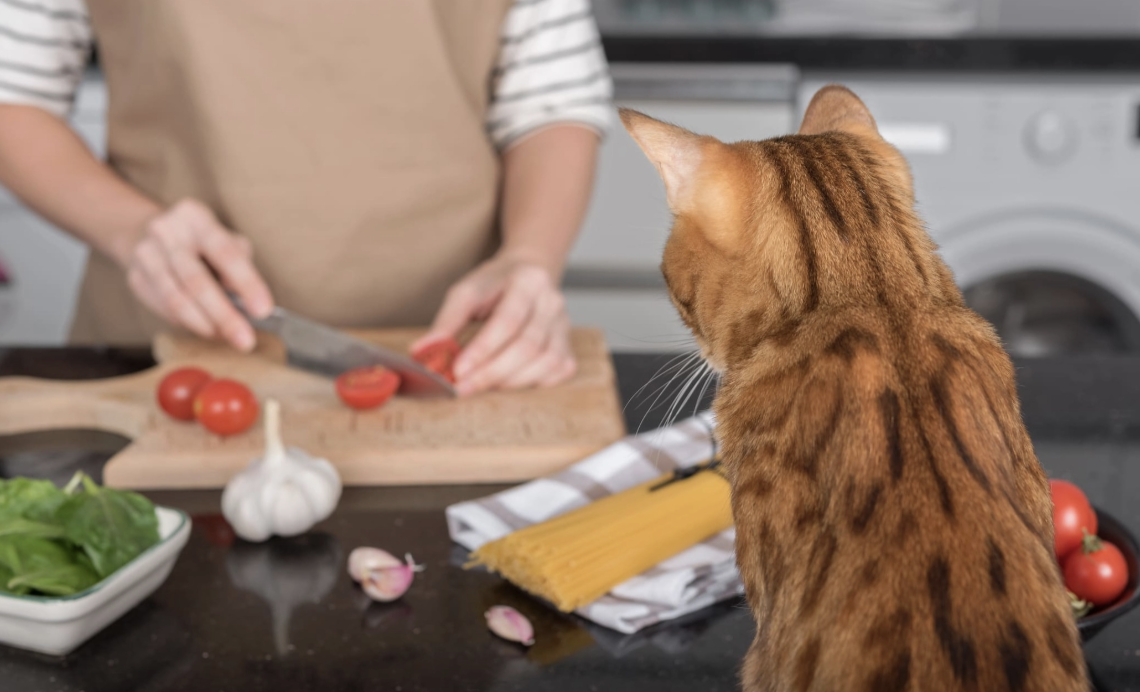
Every time I open the shelter doors, I am met by dozens of hopeful gazes. Each of these sweet souls dreams of one thing – a warm home and a human who will finally treat them to something tasty “from the table.” It is a natural impulse for any owner to want to share a bit of dinner. We want to express our love through food. Here at tvaryny.com, we often dive into the fine details of pet care, but today I want to talk about what hurts the most. It is the “silent” threat hiding right inside your refrigerator. A cat’s liver is an incredibly fragile organ. It is a biological laboratory that works without a break, yet it has no voice to scream in pain until it is almost too late.
In my years as a pet psychologist and volunteer, I have seen hundreds of cats whose spark faded far too soon. It was not because of old age, but because of our lack of knowledge. We think a small slice of salami or a drop of sauce is a gesture of kindness. In reality, this is often the start of irreversible damage. Cats are obligate carnivores. Their digestive systems are hard-wired to process proteins, not complex chemical compounds, spices, or sugars. Let us take a look inside your fridge together and identify what might be fatal for your feline friend.
1. Onions and Garlic: Invisible Destroyers of Red Blood Cells
These are perhaps the most deceptive enemies. It does not matter how they enter the cat’s body – raw, fried, boiled, or as a powder in processed meats. The sulfur compounds they contain cause oxidative damage to red blood cells. The blood essentially begins to break down. The liver is forced into overdrive. It tries to filter out the breakdown products of hemoglobin, leading to extreme congestion and toxic injury.
Symptoms often do not appear right away. The cat becomes lethargic and stops playing. Their gums might turn pale. If you notice these signs, acting fast is vital. Acting quickly is a foundational skill for every owner. Even a tiny dash of garlic powder from a snack can trigger this destructive process.
2. Chocolate and Caffeine: Deadly Energy
We all know chocolate is bad, but do you know why? Theobromine is an alkaloid that cats metabolize very slowly. It acts as a powerful stimulant that does more than just overtax the heart. It hits the liver and kidneys directly. Caffeine found in tea or coffee works in a similarly devastating way.
If you leave a half-finished cup of coffee on the table, you are risking your friend’s life. The liver simply does not have the time to neutralize these toxins. Tremors, a racing heart, and in severe cases, seizures can occur. Every liver cell fights for survival in those moments, desperately trying to purge the “toxic energy” from the blood.
3. Alcohol and Yeast Dough
It seems unlikely that anyone would intentionally give their cat alcohol. However, it often happens by accident – a spilled glass of wine or dessert scraps containing liqueur. For a cat weighing 10 pounds, just a tablespoon of hard liquor can induce a coma. Ethanol enters the bloodstream instantly, causing acute liver failure.
Raw yeast dough is another hidden danger. Inside the warm environment of a cat’s stomach, the yeast continues to ferment. This produces both carbon dioxide and alcohol. Not only does this lead to agonizing bloating, but it also causes alcohol poisoning. The liver takes a double hit from the toxic load and the physical pressure of the expanded organs.
Every soul saved from the streets teaches me one thing: cats are incredibly patient. They hide their pain until their very last breath. It is our job not to become the cause of that suffering through a momentary lapse in judgment.
4. Grapes and Raisins
While the exact mechanism of grape toxicity in cats is still being studied, clinical practice confirms the danger. They cause sudden kidney and liver failure. Some cats might eat a grape without immediate consequence, while for others, it could be their last meal. This lottery is far too dangerous to play. Even a single raisin from a muffin can cause vomiting and diarrhea, signaling acute intoxication.
5. Fat Scraps and Butter
Many believe that fatty meat is a natural treat for a predator. However, house cats have a much more sedentary lifestyle than their wild ancestors. Excess fat leads to pancreatitis and hepatic lipidosis, commonly known as fatty liver disease. The liver begins to store fat in its cells instead of processing it. You won’t notice it immediately, but over time, the organ simply shuts down.
6. Xylitol (Sweetener)
Xylitol is found in sugar-free gum, diet snacks, and even some toothpastes. In cats, it causes a sudden insulin release, leading to a dangerous drop in blood sugar. But the primary strike hits the liver. Xylitol can cause acute hepatic necrosis. This process happens extremely fast, sometimes in just a few hours.
7. Canned Fish Meant for Humans
“But cats love fish!” you might say. True, but canned fish in oil or brine contains massive amounts of salt and preservatives. Salt is a silent killer for the kidneys. Meanwhile, the liver struggles to break down the oxidized fats from the oil. When evaluating meal plans, it is worth checking if grain-free pet food is a marketing gimmick or real health benefit for your hunter compared to store-bought human cans. Furthermore, an over-reliance on fish can lead to Vitamin B1 deficiency.
8. Raw Eggs: The Risk of Avidin and Bacteria
Raw eggs can carry Salmonella or E. coli, causing severe liver inflammation. Additionally, raw egg whites contain avidin. This enzyme blocks the absorption of biotin (Vitamin B7). Over time, this leads to skin and coat issues as well as metabolic disturbances in the liver. If you want to give an egg as a treat, choose only cooked yolks and do so sparingly.
9. Milk and Dairy Products
This is perhaps the biggest myth in cat care. The majority of adult cats are actually lactose intolerant. Milk causes digestive upset, diarrhea, and chronic inflammation in the gut. Any inflammation in the digestive tract automatically puts stress on the liver. Additionally, rich cream is a fast track to a fatty liver.
10. Bones and Table Scraps
Bones can perforate the esophagus or stomach. However, they are also a source of imbalanced phosphorus and calcium. In an unregulated form, this overloads the body’s filtration systems. Scraps seasoned with sauces like mayonnaise or ketchup are a cocktail of sugar, salt, and chemicals that the liver cannot process without harm. Owners should always check whether grain-free dog food is brilliant marketing or a real benefit when considering specialized diets for their multi-pet households.
Comparison Table: What We Give vs. What We Cause
| Product | Why we give it | Real impact on the body | Safe alternative |
|---|---|---|---|
| Slice of salami | We want to spoil them | Salt and garlic destroy the liver and blood | Boiled chicken breast (no salt) |
| Bowl of milk | A tradition from stories | Diarrhea, inflammation, liver stress | Fresh filtered water |
| Piece of cookie | They “beg” so cutely | Sugar and fats lead to diabetes and fatty liver | Specialized meat-based cat treats |
| Human-grade tuna | Quick and easy | Excess salt and mercury harm the organs | Cooked white fish (deboned) |
How to Tell if Your Cat’s Liver is Struggling
The liver has an incredible ability to compensate. This means that symptoms often only become visible when more than 70% of the organ is already damaged. As a volunteer, I often see cases where owners say, “He only stopped eating yesterday.” In reality, the internal process had been going on for months.
- Loss of appetite: The very first and most important signal. If your cat ignores their favorite food for over 24 hours – go to the vet.
- Changes in mucous membranes: Gums, the tongue, or the whites of the eyes take on a yellowish tint.
- Excessive thirst: The body is desperately trying to flush out toxins on its own.
- Vomiting bile: Especially in the morning or immediately after eating.
- Lethargy: The cat loses interest in their surroundings and hides away.
The Path to Healing and Prevention
If you suspect a problem, you must stop all culinary experiments immediately. Only a veterinary diet and prescribed treatment can save liver cells. Detoxification IVs and specialized medications are a long and expensive process. It is much easier to prevent illness by changing your own habits and we should always conssult a professional.
- Enforce the golden rule: “Nothing from the table.” Educate everythin member of the family and all guests.
- Keep dangerous foods in closed cabinets that the cat cannot reach.
- Choose high-quality, super-premium commercial food.
- Schedule regular (once a year) biochemical blood tests to catch internal issues early.
Dear readers, please never forget: the love we have for a cat is not measured by the number of treats we give, but by the years of healthy life we spend together. When you look into those trusting eyes, remember that you are their only shield against a world full of invisible dangers. Be aware and stay vigilant. Let your cats purr with health, rather than suffering from sweet but toxic illusions. Every happy ending begins with the right food bowl and your responsibilty.