

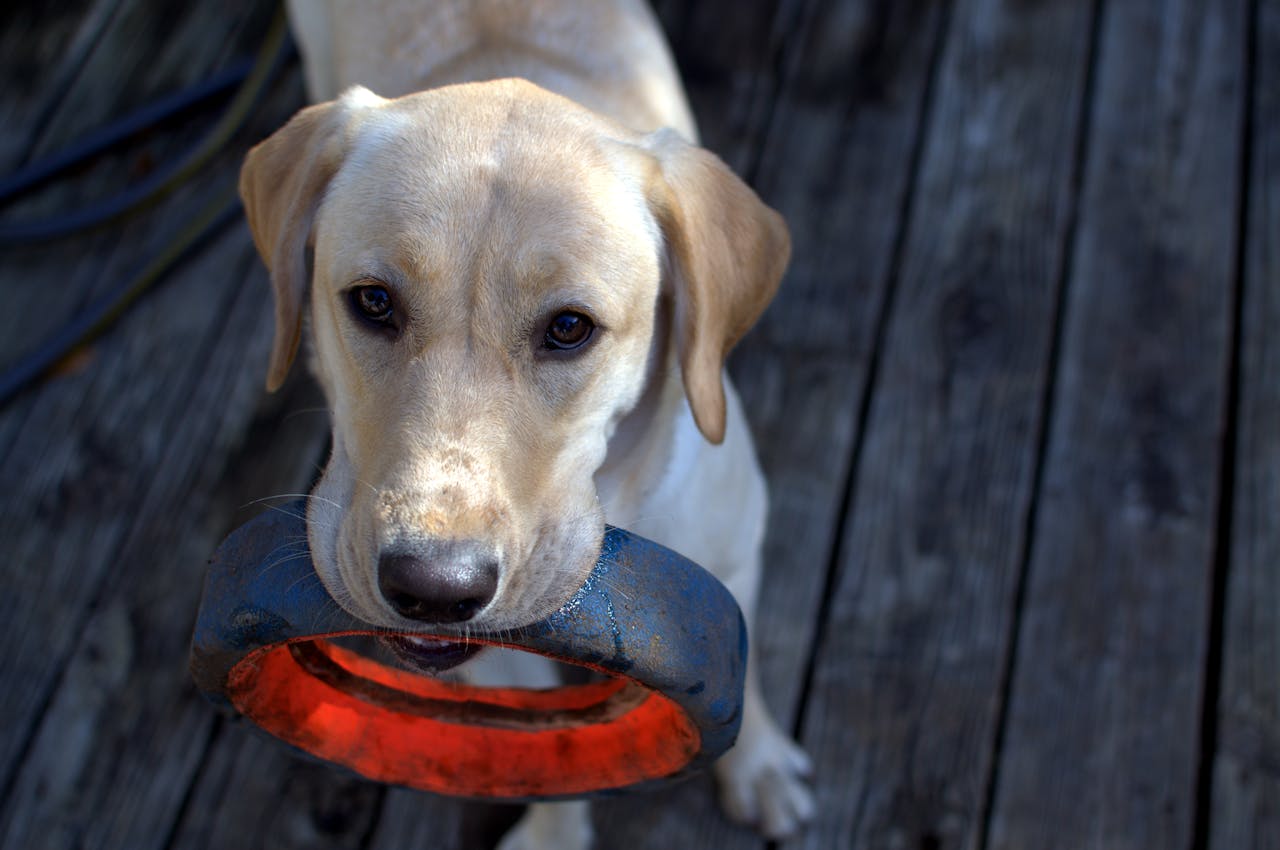
Pica syndrome at a glance
- Pica means eating non-food items (plastic, fabric, wool, paper, soil). It’s a signal, not a quirk.
- Causes: boredom and stress, dietary deficiency, early weaning, or illness (anemia, GI problems, hyperthyroidism in cats).
- The main danger is an intestinal blockage — a swallowed object can lodge in the gut and need emergency surgery.
- What to do: remove access to tempting items, enrich the environment (play, toys, attention) and see your vet to rule out disease.
You walk into a room and see a familiar sight: your beloved dog is enthusiastically chewing on a sock, while your cat tries to swallow a plastic bag. Your first reaction might be annoyance or laughter. But if this behavior becomes systematic, it’s a serious cause for concern. Eating non-food items isn’t just a “bad habit”—it’s a potentially dangerous disorder known as pica. We’ll talk in detail about its causes, risks, and how to address it on Tvaryny.
What is pica in cats and dogs?
Pica is a compulsive eating disorder characterized by the consumption of items that have no nutritional value. Unlike the common curiosity of puppies or kittens who explore the world with their mouths, pica is an obsessive desire to eat plastic, fabric, stones, paper, dirt, or even their own fur.
It’s important to distinguish this from simple chewing. Many dogs chew on things out of boredom or when they’re teething. With pica, the animal doesn’t just chew—it deliberately swallows the inedible object. And that’s where the main danger lies.
Why it happens: breaking down the main causes
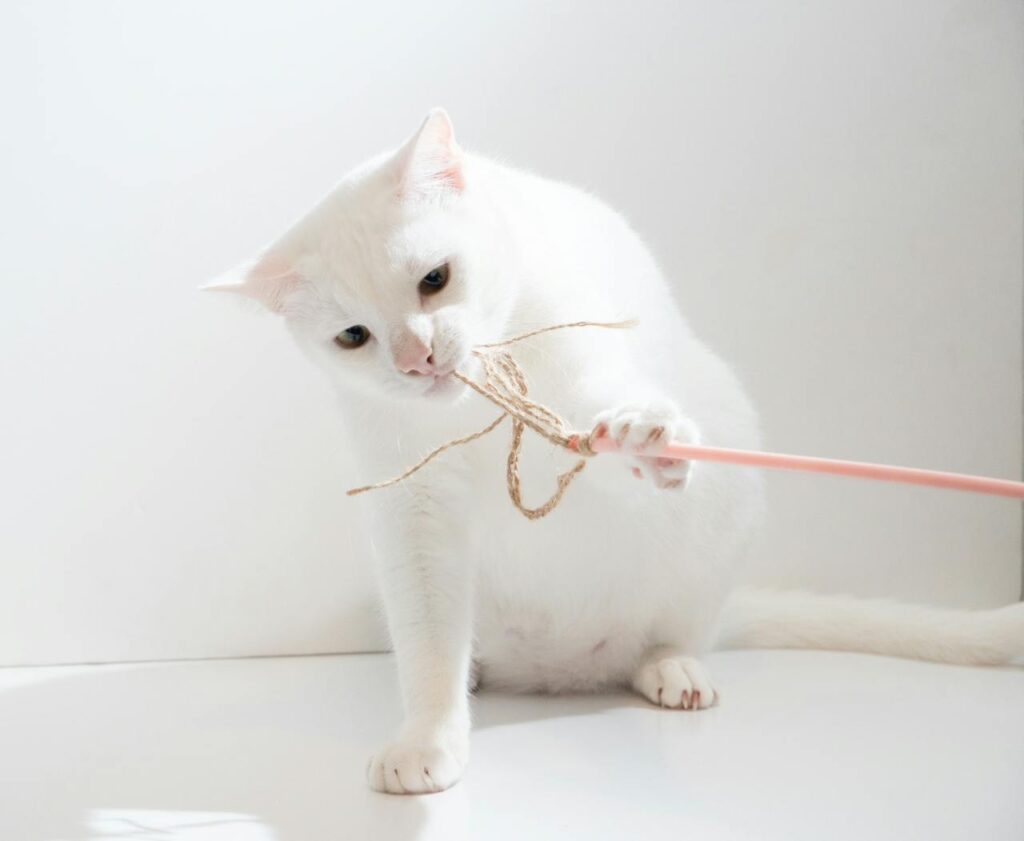
The causes of pica in cats and dogs are rarely simple. It’s usually a complex disorder that can have both medical and behavioral roots. Let’s look at the key factors.
1. Medical issues – the first suspect
Before you blame your pet for being “bad,” you need to rule out medical causes. The body can signal internal problems in a strange way. Among the most common are:
- Nutritional deficiencies: An unbalanced diet or a lack of vitamins and minerals (for example, iron deficiency anemia) can make an animal seek them out in unusual “sources” like dirt or drywall.
- Gastrointestinal diseases: Gastritis, pancreatitis, and inflammatory bowel diseases can cause nausea and discomfort, and the animal may try to “soothe” its stomach by eating grass or fabric.
- Endocrine disorders: Diseases like diabetes or hyperthyroidism (especially in cats) can increase appetite to an uncontrolled level, leading to the consumption of anything and everything.
- Dental problems: Pain in the teeth or gums can make the animal chew on hard objects to relieve the discomfort.
- Neurological diseases: In rare cases, the cause can be brain tumors or other neurological pathologies that affect behavior.
2. Behavioral factors – a look into the animal’s psychology
If your vet has ruled out medical issues, it’s worth looking for the cause in your pet’s psychological state. Why does a cat eat plastic or a dog can’t resist shoes? The answers may be:
- Boredom and lack of stimulation: This is the #1 cause, especially for energetic dogs and inquisitive cats. If an animal is left alone for long periods without toys or activities, it will find its own way to stay busy. Chewing and eating things is one way to occupy themselves.
- Stress and anxiety: Separation anxiety, the arrival of a new pet or family member, moving, or loud noises can all cause stress. Chewing has a calming effect on animals, helping them cope with their emotions.
- Attention-seeking: If the animal notices that you react immediately (even if you’re scolding it) when it puts a forbidden item in its mouth, it may start doing this intentionally to get your attention.
- Compulsive disorder: In some cases, pica becomes an obsessive habit, similar to obsessive-compulsive disorder (OCD) in humans.
- Genetic predisposition: Some breeds are more prone to pica. For example, in cats, it’s often seen in Siamese and Burmese breeds (they love to suck on wool), while in dogs, it’s common in Labradors and Retrievers.
The main threat: what’s the danger of eating foreign objects?
The consequences of pica can be catastrophic. Items that seem harmless can cause serious health problems and even death.
“The most dangerous items are linear objects (threads, ribbons, tinsel, pantyhose) and items that can cause a complete bowel obstruction (fabric, plastic parts, stones).”
- Bowel obstruction: A swallowed object can get stuck in the stomach or intestines, causing a complete or partial blockage. This is a life-threatening condition that requires immediate surgery.
- Organ perforation (rupture): Sharp objects (glass, plastic shards) can pierce the walls of the stomach or intestines, causing internal bleeding and peritonitis.
- Poisoning: Many items are toxic. For example, some houseplants, household chemicals, medications, batteries, or lead-based items.
- Choking: A large object can get stuck in the throat or trachea, blocking the airway.
- Damage to teeth and mouth: Eating stones, metal, or hard plastic can lead to chipped and broken teeth.
A step-by-step action plan: what to do if you notice pica?
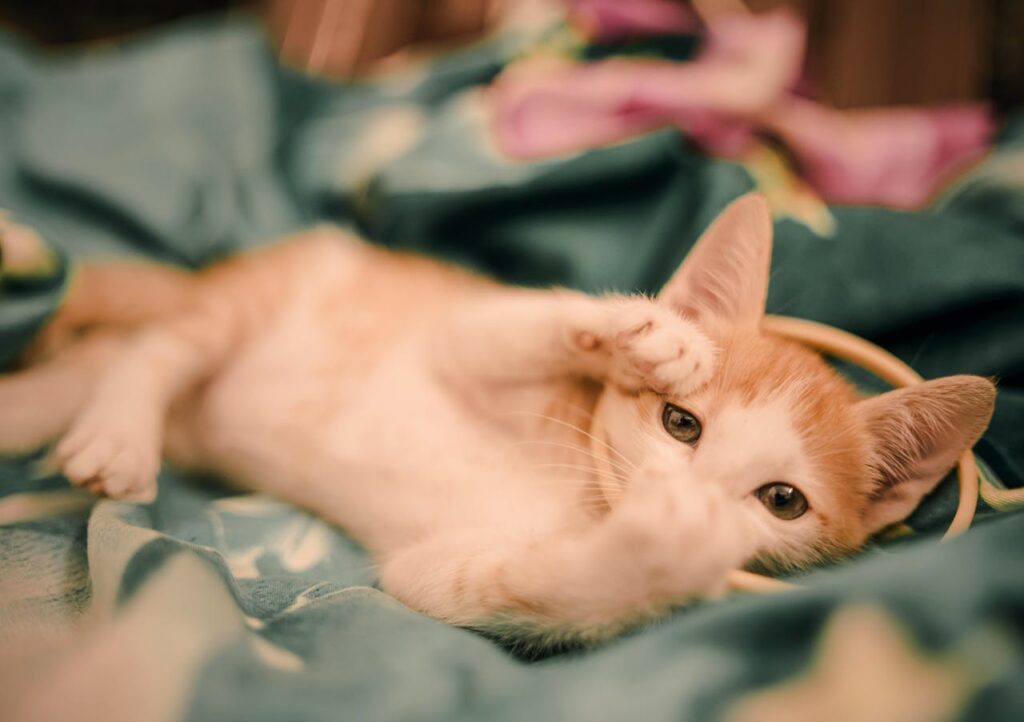
If you suspect your pet has pica, it’s important to act calmly and consistently. Here is your plan.
Step 1: Contact your veterinarian immediately
This is the most crucial step. Only a doctor can perform a full examination (blood and urine tests, ultrasound, X-rays) to rule out or confirm medical causes. Treating pica in animals begins with diagnosis. If a disease is found, treating it can completely solve the problem. A standard vet consultation in the US costs around $45-$65, but a full diagnostic workup can be more expensive.
Step 2: Make the environment safe (“pet-proofing”)
While you’re figuring out the causes, your main task is to prevent access to dangerous items. Look at your home through your pet’s eyes:
- Fabric: Hide clothes, socks, and towels in closed cabinets. Use laundry hampers with lids.
- Plastic: Tidy up bags, bottle caps, and children’s toys. Make sure the trash can is inaccessible.
- Other items: Hide wires, books, and shoes. If your pet eats dirt, limit its access to potted plants.
Step 3: Provide physical and mental stimulation
Often, a dog eats fabric or other items out of boredom. Increase the quantity and quality of their activities:
- For dogs: Take longer and more active walks, play games with a ball or frisbee, teach new commands, play search games, and use interactive feeders (like a Kong or snuffle mat).
- For cats: Have regular play sessions with a “wand,” a laser pointer, or balls. Create vertical spaces (shelves, cat trees). Use interactive toys and puzzles where you can hide treats.
Step 4: Review their diet
Work with your vet to make sure your pet’s diet is complete and balanced. It may be worth switching to a higher-quality food or adding special vitamin and mineral supplements (only with a vet’s prescription!).
What NOT to do
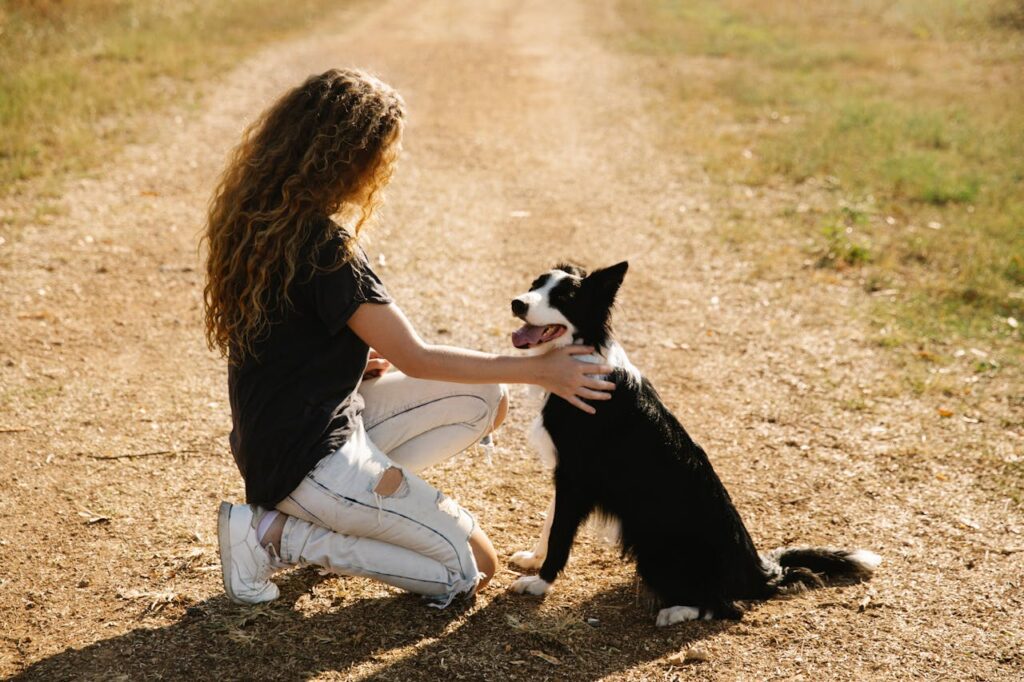
- ❌ Do not punish the animal. Yelling and punishment will only increase stress and anxiety, which can worsen the problem. The animal won’t understand why it’s being scolded and will start to hide to eat forbidden things.
- ❌ Don’t play “tug-of-war.” Don’t try to forcefully pull an object out of the animal’s mouth. It may swallow it reflexively or start to guard its “prey,” which can lead to aggression. Instead, offer a trade for something very tasty.
- ❌ Don’t ignore the problem. Don’t hope that “it will just go away.” Pica rarely disappears without intervention and can lead to tragic consequences.
Conclusion: patience and a comprehensive approach
Pica in cats and dogs is a serious red flag that shouldn’t be ignored. It requires attention, patience, and a systematic approach from the owner. Remember the main algorithm:
- A vet visit to rule out medical causes.
- Modifying the environment to ensure safety.
- Behavioral correction through physical and mental stimulation.
In complex cases, consulting a veterinary behaviorist may be necessary. Remember, you’re not just fighting a bad habit; you’re taking care of your four-legged friend’s health and psychological well-being. Your love and persistence will certainly help them overcome this issue.
Causes of pica and what to do
| Likely cause | Signs | What to do |
|---|---|---|
| Boredom, stress, too little activity | Chews items when alone, hyperactivity, compulsive behavior | More play, puzzle toys, attention, routine |
| Dietary deficiency | Eats soil, litter, plaster | Review the diet with your vet; a balanced food |
| Early weaning (kittens) | Sucks and chews wool or fabric | Behavioral correction, safe chewing alternatives |
| Illness (anemia, GI disease, hyperthyroidism) | Sudden onset, weight loss, vomiting, thirst | Veterinary work-up and blood tests |
Frequently asked questions (FAQ)
Is pica syndrome dangerous?
Yes. The biggest risk is an intestinal blockage or damage to the gut from a swallowed object, which can require emergency surgery. That’s why pica should never be ignored.
Why does my cat eat wool or fabric specifically?
It is often linked to early weaning, stress or boredom, and some breeds (such as Oriental cats) are genetically predisposed. Sometimes the cause is medical, so a check-up is wise.
Can a dietary deficiency cause pica?
Yes. An unbalanced diet or a lack of certain nutrients can trigger the eating of non-food items. Your vet can help choose a complete food and rule out anemia.
When should I see the vet urgently?
Immediately if your pet has swallowed an object, is vomiting, refuses food, is lethargic or has a painful abdomen — these can be signs of a blockage.
How do I stop my pet eating non-food items?
Remove dangerous objects, enrich the environment with play and toys, don’t leave your pet alone with small items, and always rule out a medical cause with your vet.