

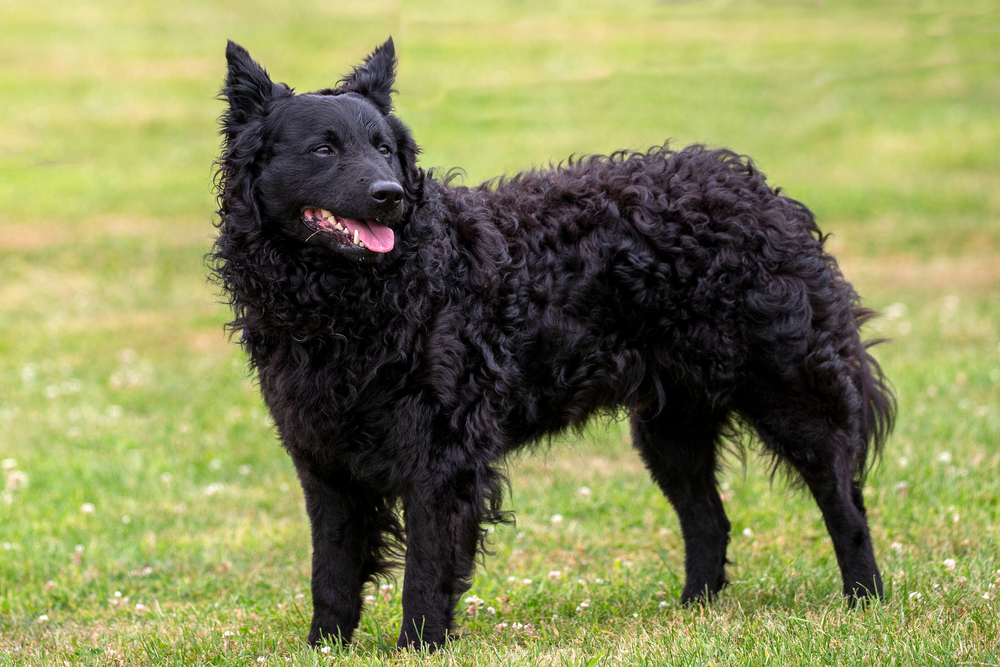
| Height | 38–47 cm |
| Weight | 8–13 kg |
| Lifespan | 12–14 years |
| FCI group | 1 · sheepdogs |
| Origin | Hungary |
Exact ratings
- Hip and elbow dysplasia
- Epilepsy (seizures at 0.5–3 years)
- Progressive retinal atrophy (PRA)
- Patellar luxation
- Generally a healthy rare breed
Quality food for an active breed, with weight control. Plenty of exercise and mental tasks are a must — otherwise the energy turns into barking and damage.
The Mudi is a rare but incredibly talented herding dog from Hungary. Despite its relatively small size, this dog is surprisingly resilient, energetic, and muscular. Its curly or wavy coat forms a dense jacket that effectively protects it from bad weather, while its face and the front of its legs are covered in short, smooth fur. This breed review of the Mudi was prepared by the Tvaryny team to give you a detailed look at this unique canine.
The Mudi is a true all-rounder: an excellent herder for both small and large livestock, a vigilant watchdog, an active companion, and a successful competitor in various dog sports. It forms an unbreakable bond with a single owner but remains wary of strangers, though not overly aggressive, provided it’s properly socialized. Mudis typically get along well with other dogs, especially if they grew up together. Historically accustomed to rural life and wide-open spaces, Mudis can still adapt to apartment living if they receive sufficient physical and mental exercise.
Mudi: Key Breed Characteristics
| Characteristic | Description |
| Origin | Hungary |
| Breed Recognition (Year) | 1936 (first standard), updated by FCI |
| Lifespan | 12-14 years (sometimes longer) |
| Height at Withers | Males: 16-18.5 inches, Females: 15-17 inches (FCI standard) |
| Weight | Males: 24-29 lbs, Females: 18-24 lbs (FCI standard) |
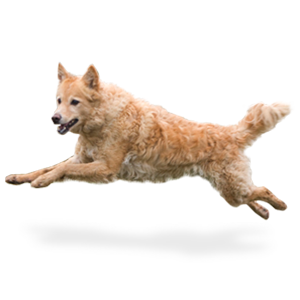
| Coat Type | Wavy or curly on the body, short and smooth on the head and forelegs |
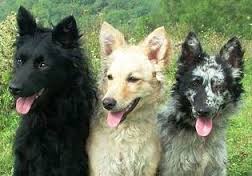
| Color | Black, white, brown, fawn, ash gray, blue merle |
| Temperament | Energetic, intelligent, alert, courageous, loyal, highly trainable, can be vocal |
| Use | Herding dog, watchdog, companion dog, dog sports (agility, obedience, flyball) |
Mudi Breed History
The history of the Mudi breed dates back to the 18th and 19th centuries in Hungary. It is believed that these dogs developed naturally from crossbreeding native Hungarian herding dogs, such as the Puli and the Pumi, with various German upright-eared shepherd dogs, possibly of the Spitz type. There is also a theory that they have a mix of Croatian Shepherd and German Shepherd Dog blood. For a long time, the Mudi was not recognized as a separate breed; they were simply the working dogs of Hungarian shepherds. Another herding dog with a similar history of natural development is the Croatian Sheepdog.
It was not until the early 20th century that Dr. Dezső Fényes, a museum director in Balassagyarmat, took a keen interest in these versatile dogs and began a focused effort to study and standardize them. In 1936, he was the first to officially describe the breed and give it the name “Mudi.” Unfortunately, World War II devastated the population, pushing it to the brink of extinction. Significant efforts were made to restore the breed in the postwar years, using the surviving dogs and possibly introducing Border Collie and Belgian Shepherd Dog bloodlines to broaden the gene pool. The official FCI breed standard was approved in 1966, after which the Mudi began to gain popularity not only in its homeland but also beyond its borders, although it still remains a relatively rare breed worldwide. Even today, many Mudis continue to work for their original purpose, herding flocks of sheep and herds of cattle in Hungary.
What the Mudi Looks Like: Detailed Description
The Mudi is a medium-sized dog with a slightly elongated body, a wedge-shaped head, and erect ears that give it an alert and intelligent expression. Its build is balanced and muscular but not bulky, which speaks to its agility and endurance.
Head: Wedge-shaped, tapering toward the nose. The skull is slightly domed, and the stop (transition from forehead to muzzle) is barely noticeable. The muzzle is straight and not too pointed. The lips are tight. The nose is narrow and rounded at the front; the color of the nose leather depends on the coat color: black for black, white, fawn, and blue merle dogs; for other colors, it harmonizes with the coat (for example, brown on brown dogs).
Eyes: Oval-shaped, slightly slanted, and dark brown. In blue merle dogs, amber or even blue eyes (one or both) are acceptable.
Ears: Erect, set high, V-shaped, and mobile. They are covered with short hair. The dog can move its ears independently of each other, like a radar.
Body: The topline slopes slightly toward the rump. The withers are pronounced. The back is straight, strong, and of medium length. The loin is short and muscular. The croup is short, slightly sloping, and muscular. The chest is deep, reaching the elbows, with a slightly prominent forechest.
Tail: Set at a medium height. It hangs down when the dog is at rest and rises to the level of the back or slightly higher when excited. The tail can be naturally short (bobtail) or long. Docking the tail is not desirable but is not considered a fault if 2-3 tail vertebrae are left. The tail is well-covered with hair, which can reach 4-5 inches on the underside.
Limbs: The front legs are straight, parallel, and muscular. The shoulders are moderately sloped. The elbows are held close to the body. The hind legs have well-defined angles and are muscular. The paws are rounded with tightly-knit toes and strong claws.
Coat: The Mudi’s unique feature. On the head and the front of the legs, the coat is short, straight, and smooth. On other parts of the body, the hair is longer (1.5-3 inches), very wavy or slightly curly, dense, and shiny, forming characteristic curls and ridges. The longest hair forms distinct “pants” on the back of the thighs and “feathers” on the back of the forearms.
Color: The palette of Mudi colors is quite diverse:
- Black: The most common color.
- White: Pure white, without any shading.
- Brown: Ranging from light to dark brown.
- Fawn: Various shades of yellow.
- Ash Gray: A gray shade.
- Blue Merle: Black spots or patches on a lighter grayish-blue background. This is a very striking color.
A small white patch on the chest (up to 2 inches in diameter) and white markings on the toes are permissible. The skin is well-pigmented and dark.
Mudi Temperament and Behavior
The Hungarian Mudi is an incredibly energetic, smart, and alert dog. Its character combines the traits of a herder, a guardian, and a companion. For a Mudi, life is all about movement and activity. It is always ready for work, play, or any other activity with its owner. This is a very loyal dog that forms a strong bond with its family, often choosing one member as its “main” person.
Key Mudi personality traits:
- Intelligence and cleverness: Mudis are very smart and learn quickly. They are capable of analyzing situations and making independent decisions, which is a valuable quality for a herding dog. However, their intelligence requires constant stimulation; otherwise, the dog can get bored and start to exhibit destructive behavior.
- Energy and activity: This is a very active breed that needs significant physical exercise. Long walks, runs, games, and dog sports are all necessary for a happy Mudi. Without enough activity, they can become restless and noisy.
- Vigilance and guarding qualities: Mudis make excellent watchdogs. They are always on alert and ready to announce the approach of strangers with a loud bark. They are brave and can fearlessly defend their territory and family, despite their small size. It is important to teach a Mudi to control its barking from a young age.
- Loyalty and attachment: They become very attached to their owners and need close human contact. They handle loneliness poorly and may suffer from separation anxiety if left alone for long periods.
- Work ethic: Mudis are true workers. They gladly perform any task their owner gives them. This makes them excellent dogs for various types of dog sports, such as agility, obedience, flyball, and herding. There are also known cases of Mudis being successfully used in search and rescue operations and for drug detection.
- Playfulness: Mudis remain playful throughout their lives. They love interactive games with their owner.
Mudi behavior quirks:
- Prone to barking: Like many herding breeds, Mudis can be quite “talkative.” They bark when they’re happy, when they warn of danger, when they’re bored, or when they want to get attention. It is important to teach them the “Quiet!” command from a young age.
- Herding instinct: Even if a Mudi lives in the city, its herding instincts may manifest in attempts to “herd” family members, especially children, or other pets by nipping at their heels. This behavior needs to be corrected through training.
- Attitude toward strangers: Mudis are usually wary of strangers but should not show unprovoked aggression. Early and proper socialization is very important for them to develop an appropriate reaction to new people.
- Interaction with children and other animals: With proper socialization, Mudis get along well with children, especially if they grow up together. However, due to their energy and herding instincts, play with very young children should be supervised by an adult. They usually live peacefully with other dogs and pets if they were properly introduced and socialized.
It is worth noting that Mudis can be somewhat stubborn, so their training requires consistency, patience, and positive reinforcement. Harsh training methods are strictly not suitable for them. The breed is not recommended for inexperienced owners or people with a sedentary lifestyle. Interestingly, some owners note that Mudis may try to chase and attack wild boar, which speaks to their considerable bravery and can be useful in hunting.
Mudi Health: Typical Diseases and Prevention
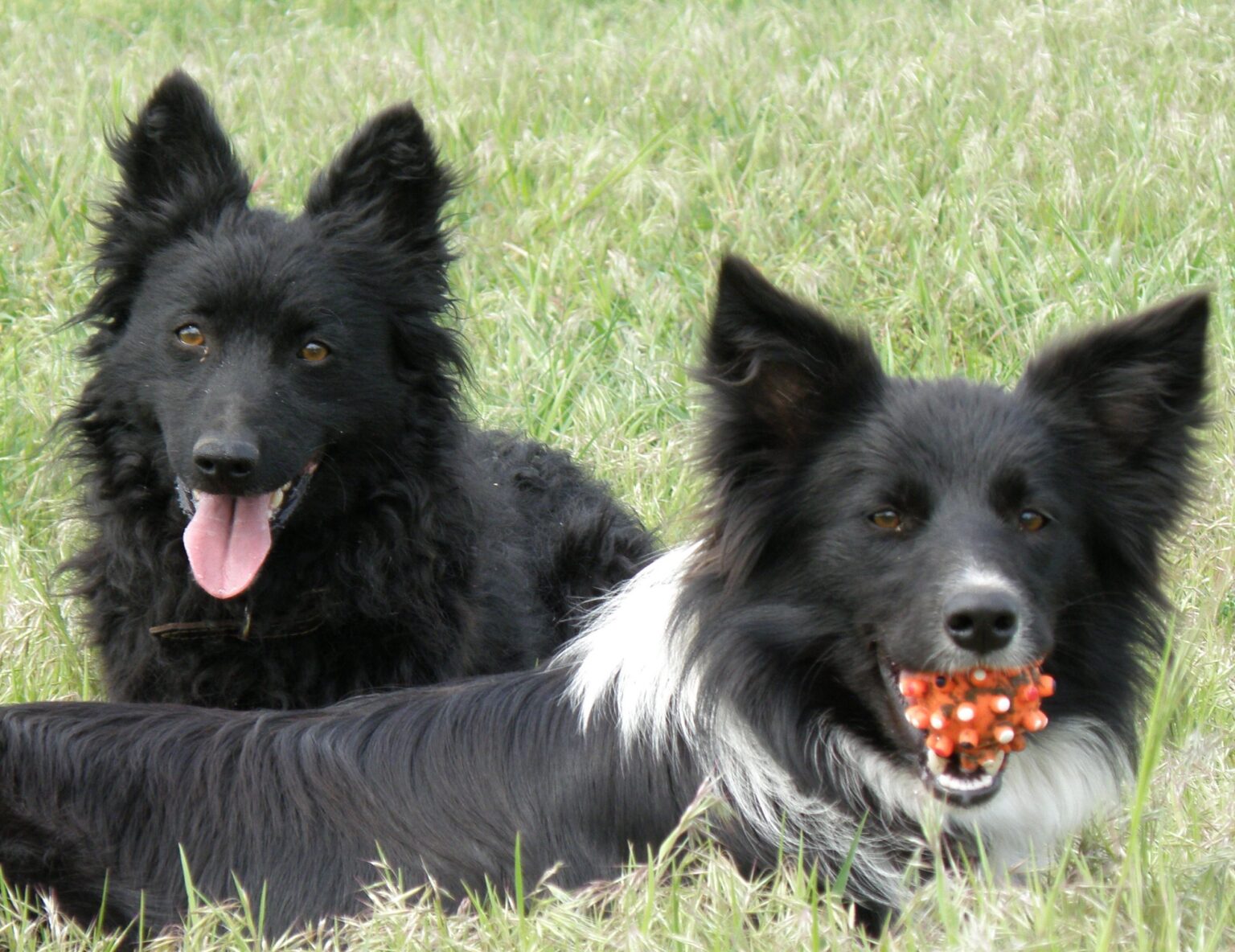
Mudis are generally considered a healthy and hardy breed with an average lifespan of 12-14 years, sometimes even longer. This is largely because the breed developed naturally and did not undergo extreme selective breeding, which often leads to the accumulation of genetic problems. However, like any other breed, Mudis are prone to certain health conditions.
The most common health problems in Mudis:
- Hip Dysplasia: While not as common as in some larger breeds, the risk exists. This is a genetically determined condition in which the hip joint develops improperly, leading to pain, lameness, and arthritis. Responsible breeders test their breeding dogs for dysplasia.
- Elbow Dysplasia: Similar to hip dysplasia, this condition affects the development of the elbow joints. Testing breeding animals is also recommended.
- Patellar Luxation: This is a condition in which the kneecap slips out of its normal position. It is more common in smaller breeds but can also occur in Mudis. It can cause varying degrees of lameness.
- Epilepsy: In some Mudi lines, cases of idiopathic (of unknown cause) epilepsy may occur, manifesting as seizures. If seizures are recurrent, a veterinarian may prescribe medication.
- Eye diseases: Cataracts and progressive retinal atrophy (PRA) can sometimes occur, although they are not widespread problems for the breed. Regular ophthalmological exams are recommended.
Disease prevention in Mudis:
- Choosing a responsible breeder: Buy a puppy from a breeder who tests their dogs for genetic diseases common to the breed and can provide the relevant certificates.
- Proper nutrition: A balanced diet appropriate for the dog’s age, activity level, and individual needs is key to its health. Avoid overfeeding, as excess weight puts extra strain on the joints.
- Sufficient physical activity: Regular exercise helps maintain muscle tone, cardiovascular health, and an optimal weight. However, it’s important not to over-exercise puppies and young dogs while their joints and bones are still forming.
- Regular veterinary check-ups: Preventive check-ups with a veterinarian (at least once a year) will help detect potential health problems at an early stage. Timely vaccinations and parasite control are mandatory.
- Dental care: Regular teeth brushing will help prevent tartar buildup and gum disease.
Although Mudis are quite sensitive to an unbalanced diet, overall, with proper care, good nutrition, and enough physical activity, they remain happy and energetic dogs throughout their lives. When considering other breeds, like the Maremma Abruzzese Sheepdog or the Majorca Shepherd Dog, it’s worth noting that each breed has its unique health needs, and the Mudi is no exception, requiring attentive care.
Grooming and General Care for a Mudi
Caring for a Hungarian Mudi is not overly complicated but requires regularity and attention to certain details. The main advantage of their coat is that it is not prone to matting and has a natural shine and water-repellent properties.
Coat care:
- Brushing: Even though a Mudi’s coat doesn’t mat, it needs to be brushed regularly—about 1-2 times a week. This will help remove dead hair, dirt, and keep the skin healthy. Use a natural bristle brush or a metal comb with widely spaced teeth. During shedding periods (usually in the spring and fall), you will need to brush the dog more frequently.
- Bathing: You don’t need to bathe a Mudi often. Only bathe the dog when it’s dirty, using a mild dog shampoo to avoid drying out the skin and stripping the coat’s natural protective oils. Usually, a bath a few times a year or after getting very dirty is enough. Their coat repels dirt well and dries quickly.
- Trimming: Mudis do not require professional grooming. Their coat has a natural length and structure. Some owners may trim the hair on their paws between the pads for hygiene, especially in winter.
General care:
- Ears: Regularly check the ears for dirt, redness, or a bad odor. Clean the ears with a special dog ear cleaner as needed. The Mudi’s erect ears are well-ventilated, which reduces the risk of ear infections.
- Eyes: Check the eyes daily. Small discharges in the corners of the eyes can be carefully removed with a clean, damp cloth. If you notice excessive discharge, redness, or cloudiness, consult a veterinarian.
- Teeth: To prevent tartar buildup and gum disease, it is recommended to regularly brush the dog’s teeth with a special dog toothbrush and toothpaste (2-3 times a week). You can also give them special dental chews.
- Claws: Trim the claws approximately once every 3-4 weeks if they are not naturally worn down by walks on hard surfaces. Use a special dog nail clipper. Overly long nails can cause discomfort and problems with walking.
Living conditions:
The Mudi is a dog that needs space and significant physical activity. Ideally, it should live in a house with a well-fenced yard where it can run freely. However, a Mudi can adapt to apartment living, but only if the owner can provide it with daily long and active walks (at least 2-3 hours a day), as well as mental stimulation.
These dogs tolerate different weather conditions well thanks to their dense coat, which protects them from cold and heat. However, in extreme heat, make sure the dog always has access to fresh water and shade, and in severe cold, do not leave it outside for long periods without movement.
In general, Mudis are low-maintenance in terms of care; their main needs are interaction with their owner, and constant physical and mental activity. If these needs are met, a Mudi will be a healthy, happy, and obedient companion.
Training and Socializing a Mudi
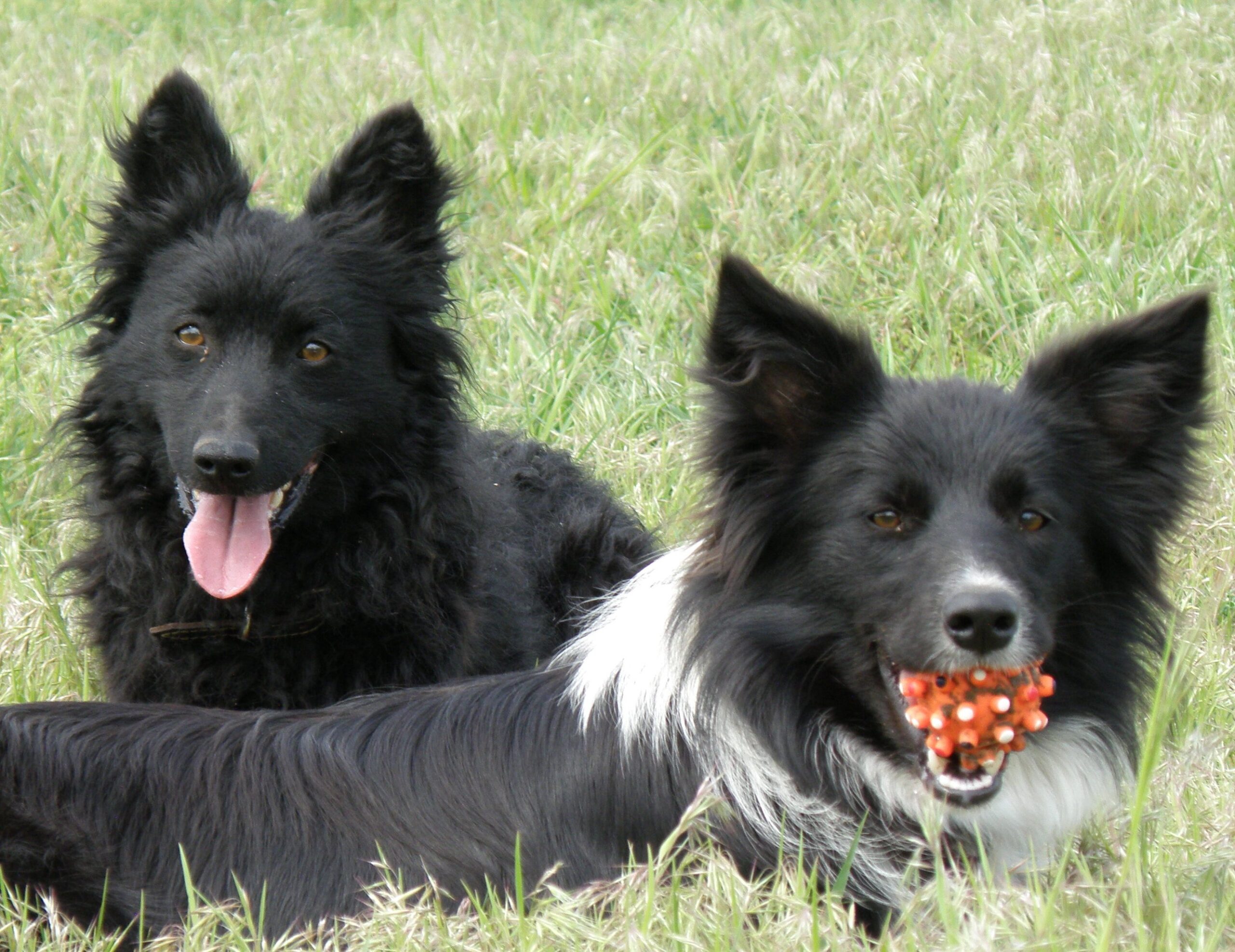
Training and socializing a Hungarian Mudi are key aspects of raising a well-balanced and obedient dog. Thanks to their high intelligence and desire to please their owner, Mudis are generally highly trainable. However, their energy, independence, and occasional stubbornness require consistency, patience, and the right approach from the owner.
Key aspects of Mudi training:
- Start early: Training and socialization should begin as early as possible, literally from the first days you bring a puppy home. The socialization window for a Mudi lasts from about 8 weeks to 8 months.
- Positive reinforcement: Mudis respond best to training methods based on positive reinforcement—praise, treats, and toys. Roughness, yelling, and physical punishment are strictly unacceptable, as they can lead to a loss of trust, fear, or even aggression. They are sensitive dogs and do not forgive unfair treatment.
- Consistency and clarity: Be consistent with your demands and commands. All family members should follow the same rules. Mudis are smart and will quickly figure out if the rules can be bent.
- Short and engaging sessions: Because of their energy, Mudis can quickly lose concentration if training sessions are too long and monotonous. It is better to have short (10-15 minute) training sessions several times a day, making them varied and game-like.
- Leadership and authority: A Mudi needs an owner who will be an authoritative leader, but one who is also fair and kind. They will listen to someone they respect.
- Mental stimulation: In addition to physical activity, Mudis also need mental stimulation. Learning new commands, tricks, and playing puzzle games (like finding hidden treats or toys) will help satisfy their intellectual potential. A bored Mudi may start chewing furniture, shoes, and making a mess in the house.
Socialization:
Early and proper socialization is extremely important for a Mudi. Introduce your puppy to different people (adults, children), other dogs (vaccinated and friendly), different sounds, places, and situations. This will help it grow into a confident, well-balanced, and fearless dog.
Socialization helps prevent the development of fears, aggression, and excessive wariness of strangers. Attending puppy classes can be very beneficial.
Training challenges and their solutions:
- Stubbornness: Sometimes Mudis can be stubborn. In such cases, it is important not to give up, be patient, and find a strong motivator for the dog (for example, their favorite treats or a toy).
- Propensity to bark: From a young age, train your Mudi to the “Quiet!” command and do not encourage unnecessary barking.
- Herding instinct: If a Mudi tries to “herd” people or other animals, redirect its attention to toys or commands.
Mudis are very capable learners. Properly trained Mudis successfully compete in various dog sports (agility, obedience, flyball, frisbee, herding), and can also be used in search and rescue operations and as therapy dogs. Constant training and tasks will provide the Mudi with the necessary outlet for its energy, and you will have a calm and loyal, obedient friend.
Mudi Nutrition: Key Recommendations
Proper nutrition is the key to the health, energy, and longevity of your Hungarian Mudi. These dogs are generally not picky eaters, but their active lifestyle and propensity for certain health issues require a balanced diet. The main rule is quality and moderation.
Feeding types:
- Ready-made dry food: This is a convenient option that provides the dog with all the necessary nutrients. Choose premium or super-premium class foods designed for active, medium-sized dogs. Pay attention to the ingredients: meat (chicken, turkey, beef, fish) should be the first ingredient, not grains. Avoid foods with a large number of artificial colors, preservatives, and flavors.
- Natural feeding (raw or cooked): This type of feeding requires more time and knowledge but allows you to fully control the dog’s diet. The basis of a Mudi’s natural diet should be lean meat (beef, turkey, chicken, rabbit)—about 50-70% of the diet. The diet also includes:
- Organ meats (liver, heart, tripe)—1-2 times a week.
- Cooked grains (rice, buckwheat, sometimes oatmeal)—no more than 25-30%.
- Vegetables (carrots, pumpkin, zucchini, broccoli)—raw or slightly cooked.
- Fermented dairy products (kefir, low-fat cottage cheese, unsweetened yogurt)—several times a week.
- Eggs (cooked)—1-2 times a week.
- Small amounts of plant-based oil (flaxseed, olive) for skin and coat health.
General recommendations for feeding a Mudi:
- Feeding schedule: An adult dog should be fed 1-2 times a day, at the same time. Puppies should be fed more often: up to 3 months—4-5 times a day, from 3 to 6 months—3-4 times, from 6 months to a year—2-3 times.
- Portion size: The amount of food depends on the dog’s age, weight, activity level, and individual needs. Follow the manufacturer’s recommendations or consult with a veterinarian. Do not overfeed your Mudi! Excess weight can lead to joint and heart problems. If the dog doesn’t finish its portion in 15-20 minutes, remove the bowl until the next feeding and perhaps reduce the portion size.
- Fresh water: The dog should always have free access to fresh and clean drinking water, especially if it eats dry food.
- Forbidden foods: You must never give your dog: chocolate, onions, garlic, grapes, raisins, bones (especially cooked tubular bones), fatty, fried, smoked, spicy, or sweet human food. These can be harmful or even dangerous for a dog.
- Vitamins and minerals: When feeding a quality dry food, additional vitamin and mineral supplements are usually not needed. With a natural diet, adding vitamins and minerals may be necessary as recommended by a veterinarian.
Monitor your Mudi’s weight and overall condition. If you notice changes in appetite, weight, or digestion, consult a veterinarian. Remember that a balanced diet is an investment in your pet’s health.
Mudi Breed Pros and Cons
Like any breed, the Hungarian Mudi has its advantages and disadvantages. It’s important to know them before you decide to get a dog like this. This will help you understand if this breed is right for you and your lifestyle.
| Pros of the Mudi Breed | Cons of the Mudi Breed |
|---|---|
| High intelligence and trainability: Mudis quickly learn new commands and tricks and love to learn. | High need for physical and mental exercise: If a Mudi doesn’t get enough activity, it can become destructive and restless. |
| Energy and endurance: An excellent companion for active people, athletes, and lovers of long walks and hikes. | Prone to barking: Can be quite vocal, especially if they are bored or see something suspicious. They need training to control their barking. |
| Loyalty and attachment to their owner: They become true family members and love their people deeply. | Can be stubborn: Sometimes show independence and stubbornness, which requires patience and consistency in training. |
| Versatility: An excellent herder, watchdog, athlete, and companion. | Needs early and extensive socialization: Without proper socialization, they can be wary or even fearful of strangers and new situations. |
| Good health: the absence of described hereditary disease is not the absence of risk — breeding animals are screened all the same. | Not for inexperienced owners: Requires an experienced owner who can provide proper training, discipline, and exercise. |
| Easy coat care: The coat is not prone to matting and doesn’t require frequent bathing or trimming. | May show herding instincts: Sometimes they try to “herd” children or other animals by nipping at their heels. This needs to be corrected. |
| Handles loneliness poorly: Not suitable for people who spend a lot of time away from home. Can suffer from separation anxiety. | Rare breed: Finding a Mudi puppy from a responsible breeder is hard and expensive, and waiting lists are the norm. |
Interesting Facts About the Mudi
- Multi-talented worker: In Hungary, Mudis are still actively used by shepherds not only for herding sheep but also for working with cattle and even pigs. Their bravery and cleverness allow them to handle any animal.
- “Driver Dog”: Historically, the Mudi was called a “driver dog” because of its ability to effectively move herds.
- Multi-colored eyes in merles: In blue merle Mudis, it is quite common to see eyes of different colors (heterochromia) or partially colored eyes, which is not considered a fault but rather adds to their uniqueness.
- Natural bobtail: Some Mudi puppies are born with a naturally short tail (bobtail) or no tail at all. This is not considered a fault of the breed.
- Sports stars: Mudis are extremely successful in various dog sports such as agility, obedience, flyball, dock diving, and herding. Their speed, agility, and intelligence make them strong competitors.
- Slow maturation: Mudis mature relatively slowly both mentally and physically compared to some other breeds. They can retain “puppy-like” behavior for quite a long time.
- Rare find: Despite their many talents, Mudis remain a relatively rare breed outside of Hungary and Finland, where their population is the largest after their homeland.
- Scent for wild boar: Some hunters in Hungary use Mudis for wild boar hunting due to their bravery, speed, and loud bark, which they use to hold the animal at bay.
Frequently Asked Questions About the Mudi (FAQ)
Is a Mudi suitable for apartment living?
Yes, a Mudi can live in an apartment, but only if the owner can provide it with a very high level of physical activity (long walks, runs, games) and mental stimulation every day. Without this, the dog will get bored, become restless, noisy, and may start destroying things. It’s ideal if there is access to a safe place for free running.
Do Mudis shed a lot?
Mudis are moderate, seasonal shedders (usually in the spring and fall). Regular brushing (1-2 times a week, more often during shedding season) will help control the amount of hair in the house.
Are Mudis easy to train?
Thanks to their high intelligence, Mudis are quite easy to train. However, they can be stubborn and require consistent, patient training using positive reinforcement. They are not for beginners who are not prepared to dedicate time and effort to training.
Are Mudis noisy?
Yes, Mudis can be quite vocal. They use barking to communicate, warn of danger, and express emotions. It is important to teach them the “Quiet!” command from a young age and control their barking.
How do Mudis get along with children?
With proper socialization and training, Mudis usually get along well with children, especially if they grow up together. However, due to their energy and herding instincts (they may try to “herd” children by nipping at their heels), play with very young children should be supervised by adults. It is important to teach children to respect the dog and handle it properly.
Do Mudis get along with other pets?
Yes, if a Mudi is socialized with other animals from a young age, it usually gets along well with them. However, because of their herding instinct, they may try to dominate or “herd” smaller animals. Introductions to new pets should be done gradually and under supervision.
How much does a Mudi puppy cost?
The Mudi is a rare breed, so the cost of a puppy can be quite high. The price depends on the pedigree, the parents’ titles, the breeder’s reputation, and the region. It is important to choose a responsible breeder who cares about the health and temperament of their dogs. Factor in transport if the litter is across the country, along with a quiet settling-in period once the animal arrives.
Do Mudis need a lot of attention?
Yes, Mudis are very people-oriented and need a lot of attention and interaction with their owner. They handle loneliness poorly and are not suitable for people who spend most of the day away from home, leaving the dog alone.
Videos About the Mudi
- Extremely clever and trainable
- Agile, sport-capable
- Generally robust health
- Devoted and brave
- Needs plenty of exercise and tasks
- Without work — barking and destruction
- Wary of strangers
- A strong herding instinct
| Puli | Pumi | Border Collie | |
|---|---|---|---|
| Height | 37–44 cm | 38–47 cm | 46–56 cm |
| Energy | 4.5 | 4.5 | 5 |
| Apartment | 3 | 3 | 2 |
| Beginners | 3 | 3 | 2.5 |
Is the Mudi suited to an apartment?
Is the Mudi clever?
Is the Mudi healthy?
FCI Standard No. 238 · The Kennel Club
For apartments · For kids · For beginners · Active · Smartest · Hypoallergenic · All rankings →