


The Pembroke Welsh Corgi is an incredibly cheerful, playful, loyal, and consistently joyful dog breed. Today, the Pembroke Welsh Corgi holds a special place, often associated with the late Queen Elizabeth II, and is considered a national treasure. Pembrokes are highly energetic creatures, always ready to instantly join any game. The Pembroke Welsh Corgi boasts a lively, sociable temperament. They also possess a sense of self-worth, humor, and tact, making them wonderful companions for the entire family. Read more about this delightful breed further on Tvaryny.
Pembroke Welsh Corgi: A Quick Breed Snapshot
| Characteristic | Value |
|---|---|
| Origin | Great Britain (Wales, Pembrokeshire) |
| Year of First Official Recognition | 1933 (as a distinct breed from the Cardigan) |
| Life Expectancy | 12-15 years |
| Height at Withers | 10-12 inches (25-30 cm) |
| Weight | Males: 22-31 lbs (10-14 kg), Females: 22-29 lbs (10-13 kg) |
| Temperament | Friendly, brave, active, intelligent, loyal |
| Purpose | Companion, historically a herding dog |
The Storied Origins of the Pembroke Welsh Corgi
The history of the Pembroke Welsh Corgi breed is steeped in centuries of folklore and historical accounts. One of the most enchanting Welsh legends claims these dogs are a gift from fairies and elves. It’s said that fairies used tiny Corgis as mounts or to pull their miniature carriages. The distinct markings on some Pembrokes’ backs are still affectionately called the “fairy saddle.” While this whimsical tale adds a unique charm, more practical theories exist regarding their lineage.
According to the official narrative, the ancestors of the modern Pembroke Welsh Corgi arrived in Great Britain, specifically Pembrokeshire in Wales, sometime between the 10th and 12th centuries. It’s believed that Flemish weavers, invited by King Henry I to settle in the region, brought these dogs with them. These canines likely descended from Spitz-type breeds, possibly even the forebears of today’s Swedish Vallhunds, which Vikings may have introduced to the British Isles earlier. Another theory links them to the ancestors of modern Schipperkes and Pomeranians. Initially, Corgis served as all-around farm dogs: they herded livestock (sheep, cows, geese, and even ponies), guarded the homestead, and were cherished companions. Their low stature was a distinct advantage when herding, allowing them to deftly avoid kicks from hooves.
For an extended period, the Pembroke Welsh Corgi and the Welsh Corgi Cardigan were considered either the same breed or simply variations. They were frequently interbred. However, in 1934, the Kennel Club in England officially recognized them as two separate breeds. Pembrokes typically have a shorter tail (often docked or naturally bobbed) and a somewhat fox-like face, while Cardigans are generally larger, with a longer, bushy tail and more rounded ears.
The true “golden age” for the Pembroke Welsh Corgi began in 1933 when the future King George VI (then the Duke of York) presented his daughters, Princesses Elizabeth and Margaret, with a Pembroke puppy named Dookie. From that moment on, Her Majesty Queen Elizabeth II became a passionate devotee of the breed. Throughout her lifetime, she owned over 30 Corgis, and these dogs became an enduring symbol of the British Royal Family, significantly boosting the breed’s global popularity. Pembrokes quickly became synonymous with the royal court and a source of national pride. Their charm and unwavering loyalty captured the hearts of millions worldwide.
What a Pembroke Welsh Corgi Looks Like: Detailed Appearance and Breed Standard
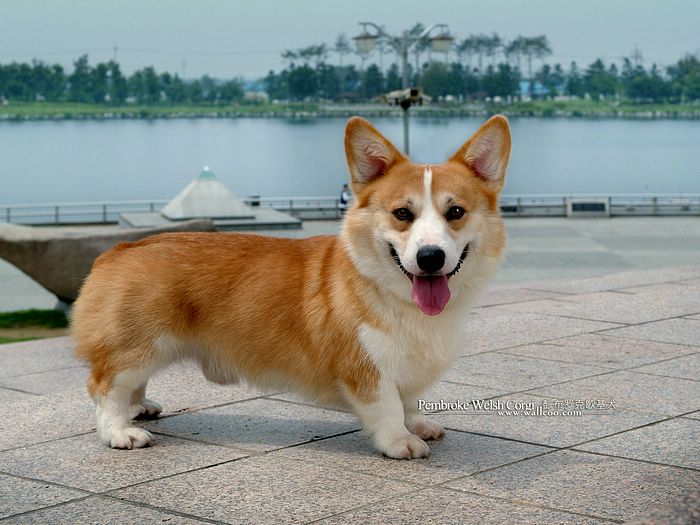
The Pembroke Welsh Corgi is a low-slung, sturdy, powerfully built dog that, despite its compact dimensions, conveys an impression of strength and endurance. A Pembroke’s appearance is often likened to a small fox, particularly due to its head shape and its alert, intelligent expression. A defining characteristic is its “smiling” facial expression.
- General Appearance: Low-set, strong, sturdily built, alert, and active, giving an impression of substance and abundant vitality in a small package. The body length is noticeably greater than the height at the withers.
- Head: Fox-like in shape and appearance, with a lively and intelligent expression. The skull is fairly broad and flat between the ears. The stop (transition from forehead to muzzle) is moderate. The muzzle tapers slightly toward the nose. The ratio of muzzle length to skull length is approximately 3:5. The nose is black.
- Eyes: Well-set, round, medium-sized, brown, harmonizing with the coat color. The expression is intelligent and keen, but never mean-spirited.
- Ears: Erect, medium-sized, slightly rounded at the tips. A line drawn from the tip of the nose through the eye to the tip of the ear should form an approximately equilateral triangle. Highly mobile, sensitively reacting to sounds.
- Bite: Jaws are strong, with a flawless, regular, and complete scissor bite, meaning the upper incisors closely overlap the lower incisors, and the teeth are set squarely in the jaws.
- Neck: Fairly long, strong, slightly arched, blending smoothly into the shoulders.
- Body: Medium length, not short-coupled. The topline is level. The chest is broad and deep, well let down between the forelegs. Ribs are well-sprung.
- Tail: Short, preferably naturally short (bobtail). Historically, tails were often docked. If the tail is undocked, it should not curl over the back. Carried level with the topline or slightly above when moving.
- Legs: Forelegs are short, as straight as possible, with sturdy bone. Elbows lie close to the sides. Feet are oval, with well-knuckled toes and firm pads. Hindquarters are strong and flexible, with well-defined angulation at the stifles and hocks. Thighs are muscular. Hocks are short.
- Movement: Free and active, not constrained. Forelegs extend well forward without lifting too high, in unison with the powerful drive from the hindquarters.
- Coat: Double-coated. The undercoat is short, dense, and weather-resistant. The outer coat is medium length, straight, dense, never soft, wavy, or wiry. An overly long, fluffy coat (“fluffy”) is considered undesirable.
- Color: Permissible colors include: solid red, sable, fawn, black and tan (tricolor). White markings on the legs, chest, neck (collar), and muzzle are acceptable, but should not dominate. The head and ears are typically slightly lighter than the body. A small amount of white on the head and muzzle is acceptable.
- Size and Weight: Height at the withers for this breed ranges from 10-12 inches (25-30 cm). Weight is proportionate to height, but typically 22-31 lbs (10-14 kg) for males and 22-29 lbs (10-13 kg) for females. It’s crucial that the dog is not overweight.
The Pembroke is a vibrant embodiment of energy and cheerfulness packed into a compact body. Its appearance perfectly mirrors its joyful and active personality. It always seems to be smiling, ever ready for a game or an adventure. Compared to the Welsh Corgi Cardigan, the Pembroke is generally a bit smaller, with a shorter body and lighter bone structure. Its ears are more pointed, and its facial expression is more “fox-like.”
Pembroke Welsh Corgi Character: Temperament and Behavioral Traits
The Pembroke Welsh Corgi is a dog with a massive heart in a small package. Its character can be described as friendly, playful, courageous, and exceptionally devoted. These dogs are renowned for their optimism and boundless energy. They are always eager to partake in any activity their owner suggests, whether it’s a game of fetch, a stroll in the park, or simply playful romps at home. Pembrokes are highly people-oriented and strive to be integral members of the family.
One of the most captivating traits of the Pembroke’s character is its “talkativeness.” They possess a diverse repertoire of sounds beyond a typical bark, including various grunts, murmurs, snorts, “woofs,” and even unique “songs.” Each individual of the breed has its own distinct set of vocalizations through which it expresses emotions and communicates with its human companions. Observing such “Corgi speak” is often quite entertaining and endearing.
Despite its modest size, the Pembroke Welsh Corgi has a fearless nature. Historically, they were employed as herding dogs, tasked with managing large livestock, so bravery is intrinsically woven into their genetic makeup. They can exhibit protective instincts, safeguarding their family and territory, and will not hesitate to defend, even against an adversary significantly larger than themselves. That said, they are not prone to unprovoked aggression but remain vigilant, ready to announce the arrival of strangers with a robust bark.
Pembrokes are highly intelligent and quick-witted. They rapidly learn new commands and tricks, especially when training is conducted through play and positive reinforcement. However, their intelligence can sometimes be coupled with a degree of stubbornness, making consistency and patience from the owner paramount. They require early socialization and clearly established household rules. Like many herding breeds, such as the Bergamasco Shepherd or the Picardy Sheepdog, they may have a tendency to gently nip at heels in an attempt to “herd” family members, particularly children. This behavior should be gently but firmly corrected from a young age.
The Pembroke Welsh Corgi generally gets along well with children, especially if they are raised together. They are patient and playful, but it’s essential to teach children proper interaction with the dog to avoid accidental injuries or misunderstandings. Pembrokes typically coexist peacefully with other household pets, particularly if they’ve been properly socialized. Nevertheless, their herding instinct might occasionally surface in attempts to assert dominance over other dogs or to “herd” cats.
These dogs dislike being left alone and struggle with extended periods without their owners. If a Pembroke is left by itself for too long, it can become bored, potentially leading to destructive behaviors or excessive barking. They thrive on companionship and attention, making this breed an ideal fit for individuals or families prepared to dedicate ample time to their beloved pet.
Pembrokes are also known for their sense of dignity, humor, and tact. They can be incredibly amusing, entertaining their owners with various antics. At the same time, they are quite perceptive and can sense a person’s mood, avoiding being overly demanding if their owner is occupied. Overall, the Pembroke Welsh Corgi is an unbelievably charming, endearing, and active creature that brings immense joy and positivity into any home.
Pembroke Welsh Corgi Health: Common Ailments and Prevention
The Pembroke Welsh Corgi, often affectionately termed a “big dog in a small body,” is generally a fairly robust and healthy breed with a life expectancy of 12-15 years. However, like any purebred dog, Pembrokes are predisposed to certain genetic and acquired health conditions. Understanding these potential issues will empower owners to provide their beloved companions with a long and happy life.
Primary health concerns to which Pembroke Welsh Corgis are susceptible:
- Musculoskeletal Disorders:
- Hip Dysplasia (HD): This is a hereditary condition where the hip joint develops abnormally, potentially leading to arthritis and pain. It’s crucial to select a puppy from parents who have been screened for HD.
- Intervertebral Disc Disease (IVDD): Due to their long bodies and short legs, Pembrokes are prone to back issues, specifically herniated discs. This is a serious condition that can result in pain, hind limb weakness, and even paralysis. Prevention: Maintain a healthy weight, discourage excessive jumping (especially from heights), and lift your dog properly (supporting their back).
- Degenerative Myelopathy (DM): This is a progressive spinal cord disease that typically affects dogs in their senior years (8-14 years old). It leads to a gradual loss of coordination and hind limb weakness, ultimately resulting in paralysis. A genetic test for DM is available.
- Eye Conditions:
- Progressive Retinal Atrophy (PRA): A hereditary disease that causes progressive vision loss and eventual blindness.
- Cataracts: Clouding of the eye’s lens, which can impair vision. Can be hereditary or develop with age.
- Distichiasis: Abnormal growth of eyelashes on the inner eyelid, which can irritate the cornea.
- Obesity: Pembrokes have a very healthy appetite and are prone to packing on extra pounds if their diet and physical activity aren’t meticulously managed. Obesity significantly elevates the risk of developing back problems, joint issues, heart conditions, and diabetes. This is one of the most widespread and serious concerns for the breed.
- Von Willebrand’s Disease (vWD): A hereditary blood clotting disorder, akin to hemophilia in humans. Can lead to excessive bleeding after injuries or surgical procedures. Genetic tests are available.
- Skin Problems: Occasionally, skin allergies or “hot spots” (acute moist dermatitis) can arise, especially if the dog has sensitive skin or is fed an inappropriate diet.
- Epilepsy: As observed in many breeds, idiopathic epilepsy, characterized by recurrent seizures, can occur in Pembrokes.
Preventing Diseases in Pembroke Welsh Corgis:
- Responsible Breeder Selection: Purchase a puppy from reputable breeders who thoroughly test their breeding dogs for common hereditary diseases. Don’t hesitate to request the test results of the puppy’s parents.
- Proper Nutrition: Provide a balanced diet appropriate for your dog’s age, size, and activity level. Strictly control food portions to prevent overeating and obesity.
- Regular Physical Activity: Pembrokes require daily walks and playtime to maintain physical fitness and prevent weight gain. However, excessive strain on the spine, such as jumping from significant heights, should be avoided. Swimming is an excellent form of exercise for Corgis, as it strengthens muscles without putting stress on joints and the spine.
- Avoid Jumping: Discourage your dog from jumping up or down from furniture, stairs, and similar high places, as this poses a risk of back or leg injuries. Use ramps whenever possible.
- Routine Veterinary Check-ups: Annual (and more frequent for senior dogs) visits to the vet will help detect health problems early. Timely vaccinations and parasite control are essential.
- Dental Care: Regular tooth brushing will help prevent plaque and tartar buildup, as well as gum disease.
While Pembrokes have a propensity for certain ailments, many live long and healthy lives with proper care, nutrition, and attentive owners. It’s vital to remember that their unique body structure (long back, short legs) necessitates particular attention to preventing spinal injuries. Some owners liken caring for their backs to looking after breeds like the Lancashire Heeler, which also features an elongated body.
Coat Care and Overall Grooming for the Pembroke Welsh Corgi
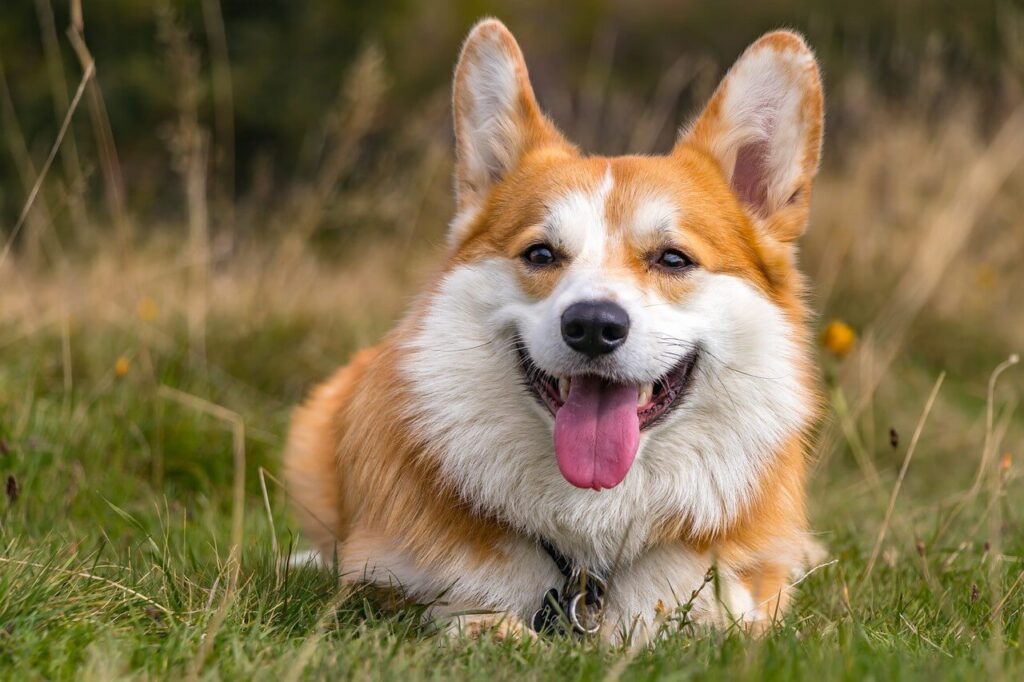
Caring for a Pembroke Welsh Corgi isn’t overly demanding, but it does require regularity and attention to certain aspects. Key elements include coat maintenance, weight management, ensuring adequate physical activity, and consistent hygiene routines.
Coat Care:
- Pembrokes have a double coat: a dense, soft undercoat and a harsher, medium-length outer coat. This coat offers excellent protection from the elements but necessitates regular brushing.
- Shedding: Pembrokes shed quite a bit, particularly twice a year during seasonal shedding (spring and fall, sometimes summer depending on the climate). During these periods, they should be brushed daily using a deshedding tool or a specialized brush to remove dead undercoat. This practice will help minimize the amount of fur in your home and prevent matting.
- At other times, brushing your dog 2-3 times a week is sufficient to keep their coat in good condition, remove dirt, and distribute natural skin oils.
- Bathing: It’s recommended to bathe a Pembroke Welsh Corgi only when truly necessary, meaning when the dog is visibly dirty. Frequent bathing can strip the natural protective oily layer from the skin and coat, potentially leading to dryness and irritation. Use a high-quality dog shampoo formulated for their coat type. Rinse the shampoo thoroughly to avoid leaving any residue that could cause itching.
Hygiene Procedures:
- Ear Care: Pembrokes have erect ears, which can accumulate dirt and wax. Regularly (once a week or two) inspect their ears for redness, unpleasant odors, or excessive discharge. Clean their ears with a special dog ear cleaner and cotton balls. Avoid using cotton swabs, as they can damage the ear canal.
- Dental Care: To prevent plaque and tartar buildup, as well as gum disease, it’s recommended to brush your dog’s teeth 2-3 times a week with a special dog toothbrush and toothpaste. Dental treats and toys can also be beneficial.
- Nail Care: If your dog’s nails don’t wear down naturally during walks on hard surfaces, they need to be trimmed regularly (approximately every 3-4 weeks). Overly long nails can cause discomfort when walking and deform the paw. If you’re uncertain about how to trim nails correctly, consult a professional groomer or your veterinarian.
- Eye Care: Regularly inspect your dog’s eyes. Small discharges in the corners of the eyes in the morning are normal and can be carefully removed with a damp cloth. If you notice excessive tearing, redness, or pus-like discharge, consult your veterinarian.
Physical Activity and Living Environment:
- The Pembroke Welsh Corgi is a very active and energetic dog that requires consistent physical exercise. They need daily walks, at least 1-1.5 hours a day, broken into 2-3 outings. Walks should involve more than just monotonous leash walking; they should include elements of play, running (not overly intense or prolonged), and opportunities to explore new environments.
- These dogs need space where they can run and play freely. They can thrive in an apartment, provided they receive sufficient physical and mental stimulation. However, a private home with a fenced yard would be an ideal setup for them.
- It’s important not to over-exercise puppies and young dogs until their musculoskeletal system has fully developed. Avoid long runs and jumping from heights for young Corgis.
- Walking an adult, well-trained Corgi can safely be entrusted to a child (under adult supervision) or an elderly person, as they typically walk well on a leash once trained.
The Pembroke is an ideal urban dog for a large, friendly family, perhaps with children and other pets, where there’s always warmth and fun! They adapt well to various living conditions; the most important factors are love, attention, and care from their owners.
Training and Socialization of the Pembroke Welsh Corgi
The Pembroke Welsh Corgi is not only a charming companion but also an exceptionally intelligent and capable learner. Their sharp minds, eagerness to please their owners, and playful nature make the training process quite enjoyable and highly effective. However, like any herding breed, Pembrokes can exhibit a degree of independence and stubbornness, so consistency, patience, and the right approach are absolutely crucial for success.
Key Aspects of Training a Pembroke Welsh Corgi:
- Early Socialization: This is a critically important stage for any dog, and Pembrokes are no exception. Begin introducing your puppy to various people, sounds, places, and other animals (after appropriate vaccinations) as early as possible. A well-socialized Pembroke will develop into a confident, calm, and friendly dog.
- Positive Reinforcement: Pembrokes respond best to training methods built on positive reinforcement—praise, tasty treats, and engaging toys. Avoid harsh methods, yelling, and punishment, as these can foster fear, distrust, or stubbornness. They are highly sensitive to their owner’s tone of voice.
- Short and Engaging Sessions: While Pembrokes are intelligent, they can quickly grow bored with monotonous repetition. Keep training sessions brief (10-15 minutes), varied, and fun. Incorporate play elements to maintain their interest.
- Consistency and Clear Rules: All family members must adhere to the same rules and commands to avoid confusing the dog. Be consistent in your expectations.
- Learning Basic Commands: “Sit,” “lie down,” “come,” “leave it,” “stay,” “heel”—these are fundamental commands every dog should master. Pembrokes typically pick them up quickly. Grasping a command on the second or third try is often the norm for this intelligent breed.
- Correcting Herding Behavior: Due to their herding lineage, some Pembrokes may attempt to “herd” people or other animals by gently nipping at their heels. This behavior should be gently but persistently corrected from an early age, redirecting their attention to toys or other commands.
- Mental Stimulation: Pembrokes require not only physical exercise but also mental challenges. Dog puzzles, searching for hidden treats, and learning new tricks will help keep their minds sharp and prevent boredom.
The Welsh Corgi Pembroke is a remarkably versatile little dog. Historically, they were successfully utilized for herding livestock (they skillfully managed herds by nipping at the cows’ heels from below to guide them in the desired direction), hunting small game, and even catching rats on farms. Today, beyond their role as cherished companions, these agile and active dogs excel in various canine sports:
- Agility: Despite their short legs, Pembrokes are surprisingly nimble and fast, eagerly tackling obstacle courses.
- Obedience: Their intelligence and eagerness to work with their owners make them successful contenders in obedience competitions.
- Flyball, Frisbee: The boundless energy and playfulness of Pembrokes find a perfect outlet in these active sports.
- Nosework (Scent Detection): Thanks to their keen sense of smell, they often help locate “lost” items or participate in nosework competitions.
- Herding Trials: Some owners today still cultivate their Pembrokes’ innate herding instincts by engaging in training and trials.
Pembrokes readily and enthusiastically learn a variety of circus-style tricks, transforming them into stars of home “performances.” This breed is highly obedient and amenable to training from a very early age. Another of this charming dog’s many talents is its ability to serve as a hearing assistance dog, alerting those with hearing impairments to crucial sounds (a doorbell, telephone, or a baby crying).
The key is to discover the best approach for your pet, make learning enjoyable, and reward their successes. A properly raised and socialized Pembroke Welsh Corgi will become not just an obedient dog, but a true friend and a cherished, full-fledged member of your family.
Pembroke Welsh Corgi Nutrition: Key Recommendations and Considerations
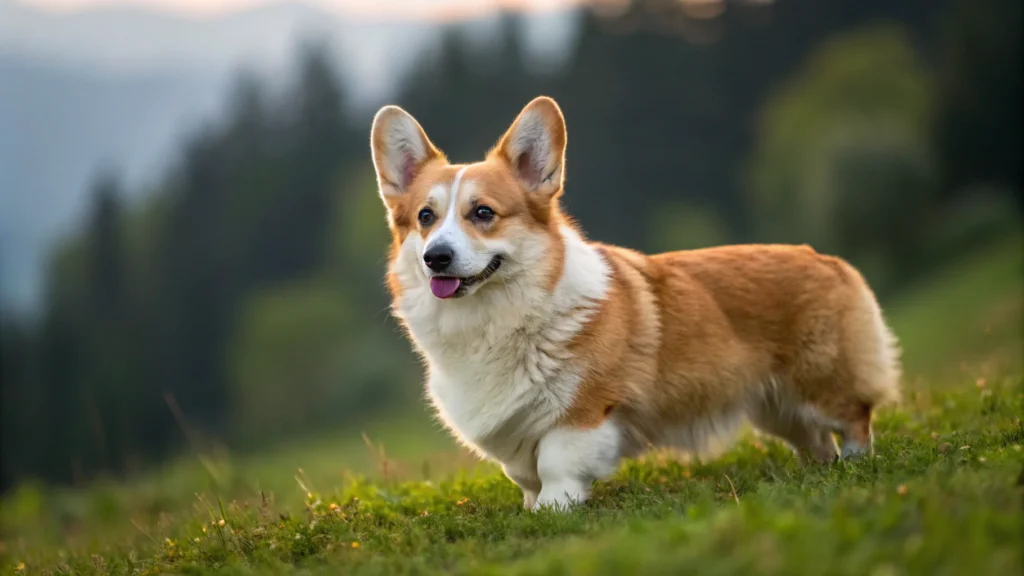
Proper nutrition is one of the most critical aspects of a Pembroke Welsh Corgi’s health and longevity. These dogs are well-known for their hearty appetites and tendency to overeat, which can easily lead to obesity. Excess weight, in turn, puts immense strain on their long backs and short legs, potentially triggering problems with the spine, joints, cardiovascular system, and metabolism. Therefore, weight management and a balanced diet are the absolute top priorities for Pembroke owners.
Fundamental Principles of Feeding a Pembroke Welsh Corgi:
- Portion Control: This is the most vital rule. Pembrokes often don’t know when to stop eating. Determine the daily food allowance in consultation with your veterinarian or based on the recommendations on the packaging of a high-quality dog food, and adhere to it strictly. Divide the daily allowance into two meals for adult dogs (puppies are fed more frequently).
- Choosing a Feeding Method: There are two primary approaches—ready-made dry/wet premium or super-premium dog foods, or a natural, homemade diet. Each has its own advantages and disadvantages.
- Commercial Foods: Convenient to use, nutritionally balanced (if it’s a high-quality brand), and contain essential vitamins and minerals. Select foods designed for small or medium breeds, taking into account age (puppy, adult, senior) and activity level. Specialized lines are available for dogs prone to weight gain.
- Natural Diet: Requires more time and knowledge to formulate a truly balanced meal plan. The foundation should be lean meats (beef, turkey, rabbit), organ meats, marine fish (boneless), fermented dairy products (low-fat cottage cheese, kefir, plain yogurt), vegetables (carrots, pumpkin, zucchini, broccoli, beets), fruits (in limited quantities as treats), and grains (rice, buckwheat). Chicken is often contraindicated for many Pembrokes due to frequent allergic reactions. With a natural diet, additional vitamin and mineral supplements are essential, as recommended by your vet.
- Avoiding Harmful Foods: Never give your Pembroke food from your own table. Many human foods are detrimental or even toxic to dogs: chocolate, grapes, raisins, onions, garlic, smoked meats, fatty foods, fried foods, sweets, and cooked bones.
- Ingredient Quality: Regardless of the feeding method, ingredients must be fresh and of high quality. If opting for dry kibble, meticulously examine the ingredient list: meat should be the first item, not grains. Avoid foods with large quantities of corn, wheat, soy, artificial colors, and preservatives.
- Feeding Schedule: Feed your dog at the same time each day. This promotes consistent digestive enzyme production and better food absorption. The food bowl should not be left out permanently; if your dog hasn’t finished their portion within 15-20 minutes, remove it until the next feeding.
- Access to Fresh Water: Clean drinking water must be constantly available to your dog, especially if they are fed dry kibble.
- Weight Monitoring: Regularly weigh your Pembroke and keep an eye on their body condition. Ribs should be easily palpable under a slight layer of fat, and a waistline should be noticeable when viewed from above. If your dog begins to gain weight, reduce their portion or switch to a lower-calorie food, and increase their physical activity.
- Treats: Treats can be utilized for training purposes, but they should not constitute more than 10% of the daily calorie intake. Choose low-calorie and healthy treat options.
For a natural diet, approximately 30-50% of an adult Pembroke Welsh Corgi’s diet should consist of high-quality raw or cooked lean meat (such as beef, turkey, or rabbit), organ meats (like heart, liver, or tripe—after freezing or thermal processing). Suitable vegetables include carrots (raw grated with a drop of oil or cooked), pumpkin, zucchini, broccoli, cauliflower, a small amount of beets, and cucumbers. Grains (rice, buckwheat) should be given cooked, and their portion should not be large. Fermented dairy products—low-fat cottage cheese, kefir, or plain yogurt—are beneficial for digestion. Once a week, you can offer a cooked egg or a few raw quail eggs. Marine fish (cooked, boneless) can be given 1-2 times a week as a substitute for meat.
Remember that chicken frequently triggers allergies in Pembrokes, so it should be introduced with caution or avoided entirely. It’s also wise to limit or exclude foods that cause gas and bloating (legumes, large quantities of white cabbage) and fatty foods. Occasionally, a light, lean meat or vegetable broth can be beneficial for digestive health and prevention.
Before making any significant changes to your dog’s diet, or if you have any concerns about proper feeding, always consult with your veterinarian or a canine nutritionist.
| Food Item | Recommended for Pembroke Welsh Corgi | Not Recommended / Limited |
|---|---|---|
| Meat | Lean beef, turkey, rabbit, organ meats (heart, liver, tripe) | Pork, fatty meats, smoked meats, chicken (frequent allergen) |
| Fish | Lean marine fish (cooked, boneless) | River fish (parasite risk), fatty fish, fish bones |
| Grains | Rice, buckwheat | Semolina, pearl barley, millet, corn (in large quantities) |
| Vegetables | Carrots, pumpkin, zucchini, broccoli, cauliflower, beets (moderately), cucumbers | Potatoes (limited), white cabbage (limited, can cause bloating), onions, garlic (toxic) |
| Fruits & Berries | Apples (seedless), bananas (moderately), berries (small portions, seedless) | Grapes, raisins (toxic), citrus fruits (can cause allergies), avocado (toxic) |
| Dairy Products | Low-fat cottage cheese, kefir, plain yogurt (unsweetened) | Whole milk (often causes upset), fatty cheeses, sugary yogurts |
| Other | Eggs (cooked or raw quail), vegetable oil (unrefined, a drop) | Sweets, chocolate, baked goods, table scraps, cooked bones, nuts (some toxic) |
Pros and Cons of the Pembroke Welsh Corgi Breed
The Pembroke Welsh Corgi is a charming and highly popular breed that has captured the hearts of countless people. However, before bringing one of these delightful dogs into your home, it’s crucial to objectively evaluate all the advantages and disadvantages associated with their ownership.
Pros of the Pembroke Welsh Corgi Breed:
- Exceptionally Friendly and Companionable Nature: Pembrokes adore people and generally get along famously with all family members, including children (provided proper socialization and teaching children how to interact with the dog). They thrive on being the center of attention and participating in all family activities.
- High Intelligence and Trainability: These are remarkably smart dogs who quickly grasp commands and tricks. They respond very well to training, particularly when it’s based on positive reinforcement.
- Compact Size: Pembrokes are small in stature, making them convenient for living in both apartments and houses with yards. They don’t demand excessive space but do require ample room for activity.
- Playfulness and Energy: These are active and joyful dogs, perpetually ready for games and fun. They can make fantastic partners for active individuals and families with children.
- Loyalty and Affection: Pembrokes form deep bonds with their owners, becoming incredibly devoted and faithful friends for life.
- Fearlessness and Alertness: Despite their size, they serve as excellent watchdogs, always ready to announce the arrival of strangers with a hearty bark.
- Appealing Appearance: Their “fox-like” face, intelligent eyes, and cheerful “smile” are undeniably captivating.
- Adaptability: They can adjust to various living conditions, as long as their needs for activity and companionship are met.
Cons of the Pembroke Welsh Corgi Breed:
- Significant Shedding: Pembrokes shed profusely, especially on a seasonal basis. You must be prepared for consistent brushing and the presence of dog hair in your home.
- Prone to Weight Gain: They possess an excellent appetite and can easily put on extra weight, which may lead to serious health issues (particularly affecting their backs). They require strict dietary control and sufficient physical activity.
- Tendency to Bark: As vigilant watchdogs, Pembrokes can be quite “vocal” and may bark at any suspicious sounds or movements, or when seeking attention. This behavior might require consistent correction.
- Need for Activity and Attention: This is not a “couch potato” dog. Pembrokes need regular walks, engaging games, and mental stimulation. They cope poorly with loneliness and can become bored or destructive if not given enough attention.
- Herding Instincts: They may occasionally attempt to “herd” people (especially children) or other animals by gently nipping at their heels. This behavior needs to be managed and corrected from a young age.
- Potential Stubbornness: Their intelligence can sometimes be coupled with independence and stubbornness, which may complicate training if you don’t find the right approach.
- Susceptibility to Certain Diseases: Like many breeds, they are prone to some genetic health conditions (back problems, hip dysplasia, eye diseases). It’s crucial to choose a responsible breeder who screens their dogs.
- Not for the Impeccably Tidy: Due to their shedding and active nature, a home where a Pembroke lives will rarely be perfectly spotless.
Carefully weighing all the pros and cons will help you make an informed decision and understand if a Pembroke Welsh Corgi is the right fit for your lifestyle.
Fascinating Facts About the Pembroke Welsh Corgi
- Royal Companions: The most famous fact is that the Pembroke Welsh Corgi was the beloved breed of Britain’s Queen Elizabeth II. During her lifetime, she owned over 30 Corgis, beginning with her first puppy, Dookie, gifted to her in 1933. The royal Corgis resided at Buckingham Palace, had their own rooms, and even enjoyed personal chefs.
- Legendary Beginnings: According to Welsh legends, Corgis were a gift from fairies. It’s said that fairies used them as mounts, and the marks of a “fairy saddle” can be seen on the backs of some Pembrokes in the form of unique coat markings.
- Short-Statured Herders: Despite their short legs, Corgis are adept herding dogs. Their low height allowed them to skillfully evade kicks from the hooves of large cattle they herded by nipping at their heels (hence the term “heeler”).
- Two Corgi Breeds: There are two distinct breeds of Welsh Corgi: the Pembroke and the Cardigan. The Pembroke is generally smaller, with a shorter tail (often docked or naturally bobbed) and a more “fox-like” face. The Cardigan is larger, with a long, bushy tail and more rounded ears. Until 1934, they were considered a single breed.
- “Talkative” Dogs: Pembrokes are renowned for their “talkativeness.” They produce a wide array of sounds, including grunts, murmurs, snorts, “woofs,” and unique “songs” through which they express their emotions.
- Smart Cookies: The Pembroke Welsh Corgi is considered one of the most intelligent dog breeds. According to Stanley Coren’s classification, they rank 11th in intelligence and trainability.
- The Name “Corgi”: The word “corgi” in Welsh likely translates to “dwarf dog” (cor = dwarf, gi = dog).
- Naturally Bobbed Tail: Many Pembrokes are born with a naturally short tail (bobtail). Historically, tails were also often docked, though this practice is now prohibited in many countries.
- Agility Champions: Despite their sturdy build, Pembrokes are surprisingly agile and frequently excel in agility competitions.
- Cultural Icons: Corgis frequently make appearances in films, cartoons, and books, further solidifying their popularity. For instance, the animated series “Cowboy Bebop” features an intelligent Corgi named Ein.
Frequently Asked Questions About the Pembroke Welsh Corgi Breed (FAQ)
Q: Do Pembroke Welsh Corgis shed a lot?
A: Yes, Pembrokes shed quite a bit, especially twice a year during their seasonal shedding periods (spring and fall). Their double coat necessitates regular brushing (daily during shedding seasons, 2-3 times a week otherwise) to manage the amount of fur in your home.
Q: Are Pembroke Welsh Corgis suitable for apartment living?
A: Yes, Pembrokes can thrive in an apartment, provided they receive sufficient daily physical activity (walks, games) and mental stimulation. They need space to move around, but the most important factors are their owner’s attention and consistent outdoor excursions.
Q: Do Pembroke Welsh Corgis get along well with children?
A: Generally, yes. Pembrokes are known for their friendly demeanor towards children, particularly if they are raised together. They are playful and patient. However, it’s crucial to teach children proper interaction with the dog, and to train the dog not to “herd” children by gently nipping at their heels, which can be a manifestation of their innate herding instinct.
Q: Are Pembroke Welsh Corgis noisy?
A: Pembrokes can be quite “vocal” and prone to barking. They are alert and may bark at strangers, other sounds, or when they want to grab attention. Early socialization and consistent training can help manage excessive barking.
Q: How much physical activity does a Pembroke Welsh Corgi need?
A: Pembrokes require moderate but consistent physical activity. At least 1-1.5 hours of active walks and games per day, divided into 2-3 outings. They enjoy running, playing fetch, and exploring new places. It’s important not to over-exercise them, especially puppies and senior dogs, and to avoid jumping from heights due to the risk of back injuries.
Q: Is it easy to train a Pembroke Welsh Corgi?
A: Yes, Pembrokes are highly intelligent and generally easy to train. They respond very well to positive reinforcement. However, they can sometimes exhibit stubbornness, so consistency, patience, and engaging training sessions are vital.
Q: What are the main health problems in Pembroke Welsh Corgis?
A: Pembrokes are susceptible to obesity, intervertebral disc disease (back problems), hip dysplasia, certain eye diseases (e.g., progressive retinal atrophy), and degenerative myelopathy. It’s crucial to select a puppy from responsible breeders who test their breeding dogs and to provide proper care and diligent weight management.
Q: What is the lifespan of a Pembroke Welsh Corgi?
A: The average lifespan of a Pembroke Welsh Corgi is 12-15 years.
Q: How does a Pembroke Welsh Corgi differ from a Welsh Corgi Cardigan?
A: These are two distinct breeds. The Pembroke is usually smaller, has a shorter (often docked or naturally bobbed) tail, more pointed ears, and a more “fox-like” facial expression. The Cardigan is larger, possesses a long, bushy tail, more rounded ears, and a somewhat calmer temperament. You can find more about the Welsh Corgi Cardigan on our website.
Q: Does the Pembroke Welsh Corgi’s coat require special care?
A: Their coat requires regular brushing (2-3 times a week, daily during shedding seasons). Bathing should only be done when necessary. Particular attention should be paid to brushing their dense undercoat.