Group 1 · sheepdogs and cattle dogs · Spain (Balearic Islands, Majorca)
Majorca Shepherd Dog
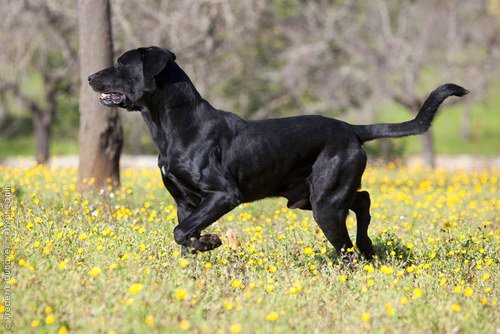
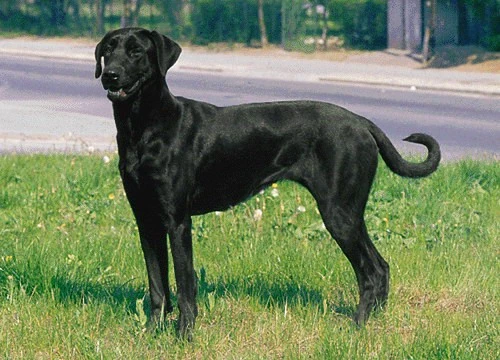
A black Majorcan herding guardian with a proud bearing — strong and unflappable: calm, composed, watchful and boundlessly devoted to a single owner. The Majorca Shepherd (Ca de Bestiar) is a powerful black working dog of the Balearics, bred as a tireless herder; it recognises mainly one owner, defends him and the flock fearlessly, but is distrustful of strangers and needs space and an experienced owner.
Apartment · not suitableKids · with caveatsCats · with caveatsOther dogs · with caveatsBeginners · not suitable
The Majorca Shepherd Dog, or Ca de Bestiar, is a striking black dog with a proud stance, straight back, exceptional strength, and well-developed musculature. This breed's physical attributes and character perfectly align with its historical purpose – the Majorca Shepherd Dog was bred as a tireless herding dog. This calm, composed, and vigilant guardian typically acknowledges only one master, to whom they are boundlessly devoted, will obey, and fearlessly protect. Should their family change, they will find it very difficult to adjust to a new owner and are unlikely to show the same depth of devotion again. The Majorca Shepherd Dog can be quarrelsome with other dogs, sometimes instigating fights. This unique breed originates from the Balearic Islands (Spain) and is quite rare outside its homeland. This overview has been prepared by the experts at Tvaryny to provide comprehensive information about this unusual breed.
The Majorca Shepherd Dog: A Detailed Overview of Key Breed Characteristics
The Majorca Shepherd Dog: A Detailed Overview of Key Breed Characteri… · 12
Characteristic
Description
Origin
Spain (Balearic Islands, Majorca)
Original Name
Ca de Bestiar
Alternative Names
Perro de Pastor Mallorquín, Majorca Shepherd Dog
Year of First Official Mention / Standardisation
First mentions – 16th-17th centuries, FCI standard – 1982
FCI Classification
Group 1 (Sheepdogs and Cattle Dogs, except Swiss Cattle Dogs). Section 1 (Sheepdogs). Without working trial.
Lifespan
11–13 years, sometimes longer with proper care
Height at Withers
Males: 66–73 cm; Females: 62–68 cm (deviation of +/- 2 cm allowed)
Weight
Approximately 35–45 kg (FCI standard does not specify exact weight but focuses on proportionality)
Coat Type
Short-haired (most common) and long-haired
Colour
Predominantly black. Variations allowed: jet black, ordinary black, black with brindle markings. Small white patches are permitted on the chest (small), on the lower part of the neck (like a "tie"), and on the front and hind paws ("socks").
Temperament
Loyal, intelligent, reserved with strangers, brave, independent, sometimes stubborn.
Interesting Facts About the Majorca Shepherd Dog (Ca de Bestiar)
Ancient History: The Majorca Shepherd Dog is one of the oldest breeds in Spain. Its images can be found in ancient engravings and paintings, which testifies to its long history on the Balearic Islands.
"Cattle Dog": The original name "Ca de Bestiar" from the Catalan language (common in Majorca) literally translates as "cattle dog" or "livestock dog," which directly indicates its primary purpose.
Two Coat Types: Although the short-haired variant is more common and well-known, there is also a long-haired type of Majorca Shepherd Dog. Long-haired dogs have a more striking appearance but require more thorough coat care.
Black – The Preferred Colour: The breed standard favours black colouring in all its variations. Other solid colours (e.g., brindle or fawn without a black mask) are not recognised by the FCI standard for this breed.
Universal Shepherd: Majorca Shepherd Dogs were used for herding not only sheep but also cattle, pigs, and even poultry. Their bravery and strength allowed them to handle large and unruly animals.
Silent Guardian: Despite its guarding qualities, the Majorca Shepherd Dog is not prone to unprovoked barking. It only vocalises when it deems it necessary, warning of danger or strangers.
Symbol of Majorca: The breed is part of the cultural heritage of Majorca and the Balearic Islands. Local residents are proud of these dogs and make efforts to preserve them.
Almost Extinct Breed: In the mid-20th century, the Majorca Shepherd Dog was on the verge of extinction due to the mechanisation of agriculture and the decreasing need for herding dogs. Only thanks to the efforts of enthusiasts was the breed successfully revived.
History of the Majorca Shepherd Dog Breed
The history of the Majorca Shepherd Dog is intricately intertwined with the life and traditions of the Balearic Islands, particularly Majorca, where this breed developed over centuries. It's believed that its ancestors were various herding and guard dogs brought to the islands by traders and conquerors as far back as the Roman Empire. There are suggestions of a connection to Iberian sheepdogs and dogs imported from Castile. The island's isolated position fostered the development of unique breed traits, adapted to local conditions – herding livestock (sheep, goats, pigs, and sometimes cattle) on challenging, rocky terrain and protecting them from predators and thieves. The earliest written records describing dogs similar to modern Majorca Shepherd Dogs date back to the 16th-17th centuries.
Breeding focused primarily on working qualities: endurance, strength, intelligence, loyalty to the owner, and the ability to make independent decisions in complex situations. Appearance was secondary, but harsh living conditions and natural selection contributed to the formation of robust, healthy, and functional dogs. In the 20th century, with changes in traditional rural life and a decreased need for herding dogs, the breed faced the threat of extinction. Furthermore, for a period, these strong and fearless dogs began to be used in dog fighting, which negatively impacted their reputation and numbers. The Spanish Civil War (1936–1939) also caused significant damage to the gene pool.
The breed's revival began in the 1970s, thanks to the efforts of enthusiasts and lovers of the Majorca Shepherd Dog. In 1975, the "Club of the Spanish Majorca Shepherd Dog" (Club del Ca de Bestiar de Mallorca) was established, which developed the first official breed standard. The Fédération Cynologique Internationale (FCI) provisionally recognised the breed in 1982, with final recognition coming later. Today, the Majorca Shepherd Dog remains a fairly rare breed outside Spain, but in its homeland, it is valued for its working qualities, devotion, and unique character. It's sometimes confused with another Spanish breed, the Catalan Sheepdog, but these are two distinct breeds with their own characteristics.
What a True Majorca Shepherd Dog Looks Like: A Detailed Description of Appearance and Breed Standard
The Majorca Shepherd Dog is a large, well-balanced dog that gives the impression of strength, agility, and endurance. Its appearance is typical for molossoid-type herding dogs, but with certain unique features. It's important to note that there are two coat varieties: short-haired (the most common) and long-haired.
General Appearance: A dog above average height, with well-developed musculature, but not heavy. The body is slightly elongated, giving it a rectangular outline.
Head: Massive, but proportionate to the body. The skull is broad, slightly convex. The stop (transition from forehead to muzzle) is smooth, not sharply defined. The muzzle is long, strong, not pointed. The nasal bridge is straight. The nose is large, black. The lips are tight-fitting, black.
Eyes: Relatively small, almond-shaped, slightly obliquely set. Colour – from honey to dark brown, with a preference for darker shades. The gaze is attentive, intelligent, somewhat reserved towards strangers.
Ears: Medium-sized, triangular in shape, quite thick. Set high, they hang on cartilages to the side of the head, not clinging tightly to the cheeks. At rest, the tips of the ears are at eye level or slightly lower.
Bite: Scissor bite. Teeth are large, white, and healthy.
Neck: Strong, muscular, medium length, without dewlap.
Body: Strong, with a well-developed chest reaching to the elbows. The back is straight, strong. The loin is broad, muscular. The croup is slightly sloping.
Tail: Fairly thick at the base, tapering to the end. When at rest, it hangs down, and may curve slightly. In motion or when excited, it lifts to back level or slightly above, but never curls into a ring. Its length reaches the hock or slightly below.
Limbs: Forelegs are straight, parallel, with strong bone. Shoulders are oblique, well laid back. Elbows point backwards. Hindquarters are powerful, muscular, with well-defined angulation of the hocks. Paws are oval, compact, with strong black pads and dark claws.
Coat:Short-haired variety: The coat is short, close-lying, approximately 1.5–3 cm long on the back. The undercoat is thin but well-developed, especially in winter. Long-haired variety: The coat is longer, especially on the back (can reach 7 cm or more), on the neck (forming a mane), on the back of the limbs (feathering), and on the tail (plume). The coat may be slightly wavy. The undercoat is also well-developed. This variety is rarer.Both coat types are soft to the touch and have good waterproof properties.
Colour: The dominant colour is black in its various variations (jet black, ordinary black, matte black). Black with brindle markings is permissible, where darker stripes are barely visible on a black background. Small white patches are allowed on the chest (often in the shape of a star or a small "bib"), on the lower part of the neck, and on the toes of the front and hind paws. Excessively large white patches or patches in other areas are undesirable.
Important: Despite its strength and power, the Majorca Shepherd Dog should appear harmonious and proportionate, without signs of excessive massiveness or coarseness. Its movements are free, energetic, and coordinated.
The Majorca Shepherd Dog's Character: Temperament, Behavioural Peculiarities, and Interaction
The Majorca Shepherd Dog is a breed with a strong, independent, yet extraordinarily devoted character. To understand its behaviour, one must remember its historical purpose – guarding and herding livestock, often in situations where the dog had to make independent decisions. This is a dog for an experienced owner who can properly direct its energy and intelligence.
Devotion to one owner: One of its most striking character traits is its boundless devotion to its family, and especially to the one person it chooses as its leader. The Majorca Shepherd Dog will obey this person unquestioningly and protect them under any circumstances. A change of owner for an adult dog is very stressful and can leave a permanent mark on its behaviour.
Intelligence and trainability: These are very intelligent dogs, capable of quickly assimilating new information. However, their intelligence is combined with a certain stubbornness and independence, so training requires patience, consistency, and a firm but fair hand. They respond best to positive reinforcement and methods based on respect.
Guard qualities: A natural protector of its territory and its "pack." It is wary and distrustful of strangers, sometimes even hostile if it perceives a threat. The Majorca Shepherd Dog is not prone to unprovoked aggression, but it will not hesitate to defend if it deems it necessary. Its formidable appearance and loud bark are usually enough to deter unwanted guests.
Reserved and calm: Despite its guarding instincts, in a home environment with its family, it is generally a calm and balanced dog. It's not restless and doesn't demand constant attention, but it will always be happy in its owner's company.
Independence: The ability to assess a situation independently and make decisions is a quality that was highly valued in herding dogs. In daily life, this can manifest as a certain self-reliance in behaviour. The owner must establish clear rules and boundaries.
Attitude towards other animals: Can be dominant and quarrelsome towards other dogs, especially of the same sex. Early and proper socialisation is extremely important for fostering adequate behaviour with other animals. If the Majorca Shepherd Dog grows up with other household pets (cats, other dogs), it will most likely treat them tolerantly or even amicably, considering them part of its "pack."
Attitude towards children: Its attitude towards children in its own family is usually patient and protective, especially if the dog has grown up with them. However, due to its size, strength, and potential abruptness in response to unintentional rough play, it is not recommended to leave the Majorca Shepherd Dog unsupervised with very young children. It's important to teach children how to behave correctly and respectfully with the dog. Children should not be allowed to tease the dog or invade its personal space, especially when it is resting or eating.
Activity and need for space: This is an active breed that requires regular physical exercise and mental stimulation. It will feel best in a private house with a large, securely fenced area where it can move freely. Keeping it in a flat is possible, but it will require significant effort from the owner to ensure sufficient walks and activity.
The character of the Majorca Shepherd Dog makes it an excellent companion for active, confident people who are prepared to dedicate time to its upbringing and socialisation. It can be similar in its level of devotion and guarding qualities to dogs such as the Ca de Bou (Perro Dogo Mallorquin), another breed from Majorca, although their purposes and history differ somewhat.
Training and Socialisation of the Majorca Shepherd Dog: Approaches and Specifics
Training the Majorca Shepherd Dog is a task that demands patience, consistency, firmness, and a deep understanding of this breed's psychology. Due to its innate intelligence, independence, and strong character, standard training methods may not always be effective. This breed isn't for novice dog owners.
Key aspects of training and socialisation:
Early Start: Socialisation and basic training for a Majorca Shepherd Dog puppy should begin as early as possible, literally from its first days at home. Introduce the puppy to various people, sounds, places, and other animals (under supervision). This will help raise a well-balanced and self-assured dog.
Owner Leadership: The Majorca Shepherd Dog must clearly understand who is the leader in the "pack." The owner should be confident, calm, and consistent in their demands. The dog should respect the owner, not fear them. Physical punishment is unacceptable and can lead to aggression or withdrawal.
Positive Reinforcement: Despite its stern appearance, the Majorca Shepherd Dog responds well to positive reinforcement methods: praise, treats, toys. This helps establish a trusting relationship and motivates the dog to learn.
Consistency and Clear Rules: All family members should adhere to the same rules regarding the dog. Inconsistency can confuse the dog and complicate the learning process.
Variety in Training: To prevent boredom, training sessions should be varied and engaging. Majorca Shepherd Dogs are intelligent and quickly tire of monotonous repetitions. Short but frequent sessions will be more effective than long and exhausting ones.
Professional Help: If you encounter difficulties with training or socialisation, do not hesitate to seek assistance from a professional dog trainer who has experience working with herding or guard breeds.
Socialisation with other dogs: This is a very important aspect, given the breed's tendency to dominate. Controlled encounters with other calm and well-socialised dogs will help teach the Majorca Shepherd Dog appropriate interaction.
Working Qualities: Its natural physical prowess, endurance, and intelligence allow the Majorca Shepherd Dog to be trained for various types of service work (guarding, search and rescue) or sporting disciplines (obedience, agility – considering the dog's size). This is a serious working breed that needs a "task" for its mind and body.
It's important to remember: The Majorca Shepherd Dog typically recognises only one owner as its authority. Unlike some other working breeds, such as the German Shepherd, which can obey various instructors in service, the Ca de Bestiar forms a deep bond with one specific person. This doesn't mean it won't listen to other family members, but its devotion and willingness to work "to the fullest" are most often manifested with its chosen leader.
Feeding the Majorca Shepherd Dog: Key Recommendations for Health and Activity
Pros and Cons of the Majorca Shepherd Dog Breed
Like any breed, the Majorca Shepherd Dog has its advantages and disadvantages. It's important to objectively assess them before deciding to acquire such a significant dog.
Pros and Cons of the Majorca Shepherd Dog Breed · 8
Pros of the Majorca Shepherd Dog
Cons of the Majorca Shepherd Dog
Exceptional guarding qualities: A natural protector of its family and territory.
Requires an experienced owner: Not suitable for novices due to its strong character and independence.
Boundless loyalty to its owner: A very faithful dog that forms a deep bond with one person.
Tendency to dominate: Can be aggressive towards other dogs, especially without proper socialisation.
High intelligence: Intelligent, learns quickly, but can be stubborn.
Requires early and prolonged socialisation: To avoid behavioural problems.
Endurance and low maintenance: Adapts well to various conditions, physically resilient.
Needs plenty of space and activity: Not suitable for living in a small flat without sufficient exercise.
Robust health: Generally a healthy breed with proper care.
Difficult to train for the inexperienced: Requires a firm hand, patience, and consistency.
Doesn't require complex grooming (especially the short-haired type): Coat care is relatively simple.
Wary of strangers: Can be overly suspicious if not socialised.
Striking appearance: A strong, elegant, and noble dog.
Handles owner changes poorly: Becomes very attached to its family.
Good companion for active people: Perfectly suited for those who enjoy long walks and active leisure.
Can be noisy: Prone to barking, especially when guarding its territory.
How to Properly Care for the Majorca Shepherd Dog's Coat and Hygiene
Caring for the Majorca Shepherd Dog isn't overly complicated, but it does require regularity and attention to certain aspects, especially depending on the coat type. The main goal of care is to maintain healthy skin and coat, as well as the dog's overall hygiene.
Coat Care:Short-haired variety: Requires minimal grooming. It's enough to brush the dog with a rubber brush or grooming mitt 1–2 times a week to remove dead hair and stimulate blood circulation. During seasonal shedding (spring and autumn), more frequent brushing is necessary. Long-haired variety: Requires more attention. Daily or every-other-day brushing with a wide-toothed comb, followed by a brush, is recommended to prevent matting, especially in areas with longer hair (on the neck, behind the ears, on the "trousers," and tail). A neglected long coat can become matted, causing discomfort to the dog and skin problems. Regular brushing will also help reduce the amount of hair in the house.Bathe the Majorca Shepherd Dog as needed, usually no more than 2–3 times a year, or if the dog gets particularly dirty. Use special dog shampoos that don't dry out the skin and coat. Frequent bathing can disrupt the skin's natural oil balance. The Majorca Shepherd Dog's coat has waterproof properties, so it is quite self-cleaning.
Ear Care: Regularly (once a week) inspect the ears for dirt, redness, unpleasant odour, or excessive wax. Clean the ears with a special dog ear cleaner and cotton pads. Do not use cotton buds, as they can damage the ear canal. In long-haired dogs, it may be necessary to remove excess hair from the ear canal for better ventilation.
Eye Care: Check the dog's eyes daily. Small discharges in the corners of the eyes are normal; they can be gently removed with a damp cloth or special eye wipes. If the discharge is abundant, yellow or green, or if the eyes are red, consult a vet.
Dental Care: To prevent plaque and tartar buildup, it's recommended to brush the dog's teeth regularly (several times a week) using a special toothbrush and toothpaste for dogs. You can also use special chew toys and treats that help clean teeth.
Claw Care: If the dog doesn't naturally wear down its claws during walks on hard surfaces, they need to be trimmed regularly (approximately once a month). Overly long claws can cause discomfort when walking and deform the paw. Use special large dog nail clippers and be careful not to cut into the quick (blood vessel inside the nail).
Living Environment and Activity: The Majorca Shepherd Dog is a breed that needs space. The ideal place for it would be a country house with a large, securely fenced plot. It tolerates both heat and cold well; by winter, its coat, especially the undercoat, becomes thicker, even on the tips of its paws. Don't limit walks even in unfavourable weather if the dog feels well. Long walks, the opportunity to run freely, and outdoor games – all of this is essential for the physical and mental health of the Majorca Shepherd Dog. It can be a wonderful companion for active people who enjoy long walks on country roads or hikes. Compared to other shepherd dogs, for example, the Rough Collie, the Majorca Shepherd Dog is less demanding in terms of grooming for the short-haired type, but it needs more space and a firm hand in its upbringing.
NutritionHealth and risks
Health of the Majorca Shepherd Dog: Typical Illnesses, Genetic Predispositions, and Prevention
Frequently Asked Questions About the Majorca Shepherd Dog (FAQ) · 8
Is the Majorca Shepherd Dog suitable for flat living? No, it's not the best option. The Majorca Shepherd Dog is a large, active dog that needs plenty of space to move around. Ideally, a private house with a large, securely fenced garden would be perfect. Living in a flat is only feasible if daily long and intensive walks (at least 2–3 hours a day with active games) can be provided, but this can be challenging to maintain.
Does the Majorca Shepherd Dog get along with children? With proper upbringing and socialisation, the Majorca Shepherd Dog can be patient and protective towards children in its own family. However, due to its size, strength, and potential abruptness, games with small children should always take place under adult supervision. It's important to teach children to respect the dog's personal space.
How difficult is it to train a Majorca Shepherd Dog? Quite difficult, especially for an inexperienced owner. They are intelligent, but independent and sometimes stubborn dogs. Training requires patience, consistency, a firm but fair hand, and establishing clear leadership. Early socialisation and, if needed, professional dog trainer assistance are recommended.
Does the Majorca Shepherd Dog shed a lot? Yes, Majorca Shepherd Dogs do shed, especially seasonally (spring and autumn). The short-haired type sheds moderately but regularly. The long-haired type may shed more intensely, and its coat requires more frequent brushing to remove dead hair and prevent matting.
What are the main health problems in the Majorca Shepherd Dog? Like many large breeds, the Majorca Shepherd Dog is prone to hip and elbow dysplasia. Bloat can also occur. It's important to choose a puppy from screened parents and ensure proper nutrition and moderate physical activity.
How long do Majorca Shepherd Dogs live? The average lifespan of a Majorca Shepherd Dog is 11–13 years, but with proper care, good nutrition, and an active lifestyle, they can live even longer.
Can the Majorca Shepherd Dog be kept with other animals? This depends on the individual dog's character and the correctness of its socialisation. Majorca Shepherd Dogs can be dominant towards other dogs. If the dog grows up with other household pets from a young age, the chances of peaceful coexistence are higher. However, introductions to new animals should always occur under close supervision.
Which coat type is better to choose: short-haired or long-haired? The short-haired type is more common and requires less coat care. The long-haired type looks very striking but requires regular and thorough brushing to prevent matting. The choice depends on your preferences and your willingness to dedicate time to grooming.
Video about the breed
FAQ
Is it true the Majorca Shepherd recognises only one owner?
Mostly yes — a “one-person dog”: it is boundlessly devoted to its owner, obeys him and defends him fearlessly; it adjusts to a new owner with difficulty, so a change of home is stressful for it.
What was the Majorca Shepherd bred for?
As a tireless herding and guarding dog of Mallorca (Ca de Bestiar — “dog for livestock”); its physical strength, composure and watchfulness fully match this purpose.
Is the breed suited to a novice?
No — a self-reliant, strong guardian with a guarding instinct and distrust of strangers; it needs space, an experienced owner and early socialisation.