

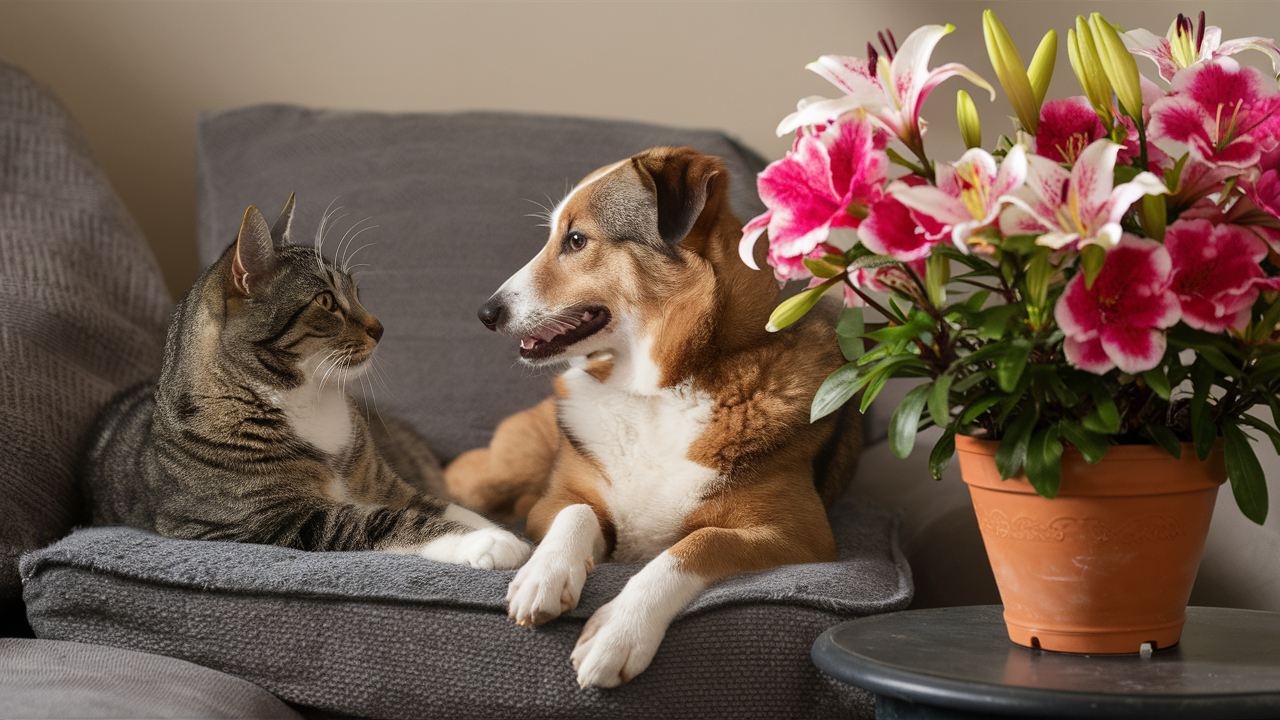
Spring is the long-awaited season of nature’s awakening, warm sunshine and, of course, vibrant flowers. For pet owners, it is also a period of active walks and trips to the countryside. However, behind the beauty of spring flowerbeds lies a serious, and sometimes deadly, threat to our four-legged friends. Many popular plants we are used to seeing in vases or flowerbeds contain toxins capable of causing severe poisoning in cats and dogs.
In this article, we will break down exactly which spring primroses pose the greatest danger, how to spot symptoms of poisoning, and how to provide first aid. Learn more on Tvaryny.
Why are spring flowers so dangerous?

Many owners mistakenly believe that animals have a natural instinct that won’t allow them to eat something poisonous. Unfortunatly, this is a myth. Domestic cats and dogs, especially young and inquisitive ones, often explore the world with their mouths. Furthermore, some plants have an appealing scent or sweet taste, which only encourages the animal to have a taster.
The danger lies not only in eating leaves or buds. Pollen that gets onto fur (which a cat will then lick off), or even water from a vase where flowers have stood, can cause fatal intoxication. The concentration of toxins in plant bulbs is often times higher than in the part above ground, making the bulb-planting season particularly risky for dogs who love to dig.
Top 7 deadly spring plants
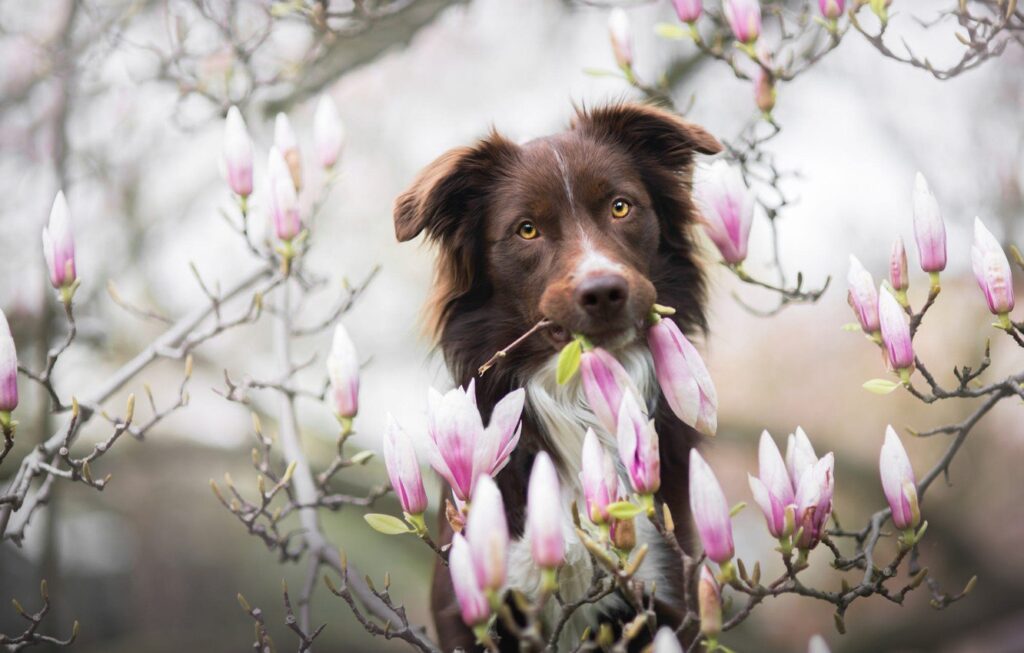
Below is a detailed list of the most common spring flowers, contact with which could cost your pet its life. Study it carefully and check your garden and windowsills.
1. Lilies (Lilium) and Daylilies (Hemerocallis)
Danger level: Critical (especialy for cats).
These are perhaps the most dangerous flowers for cats. Absolutely all parts of the plant are toxic: petals, leaves, stems, pollen, and even vase water. For dogs, lilies are less toxic (causing gastrointestinal upset), but for cats, it is a death sentence without immediate treatment.
- Toxic substance: The mechanism is not fully understood, but the toxin causes instant necrosis of kidney tubules.
- Symptoms: Vomiting, refusal to eat, and lethargy appear within 2-4 hours. Acute kidney failure develops after 24-72 hours: urination stops, and the animal falls into a coma.
- Prognosis: If intensive therapy (drips) is not started within the first 18 hours, mortality approaches 100%.
2. Tulips (Tulipa)
Danger level: High (especially the bulbs).
A symbol of spring in general. Tulips contain allergenic lactones. Although the whole plant is poisonous, the highest concentration of poison is found in the bulb. Dogs that love digging up flowerbeds are at the highest risk.
- Toxic substance: Tulipalin A and B.
- Symptoms: Severe irritation of the mouth lining, hypersalivation (drooling), nausea. If a large number of bulbs are eaten, heart rhythm disturbances and breathing problems are possible.
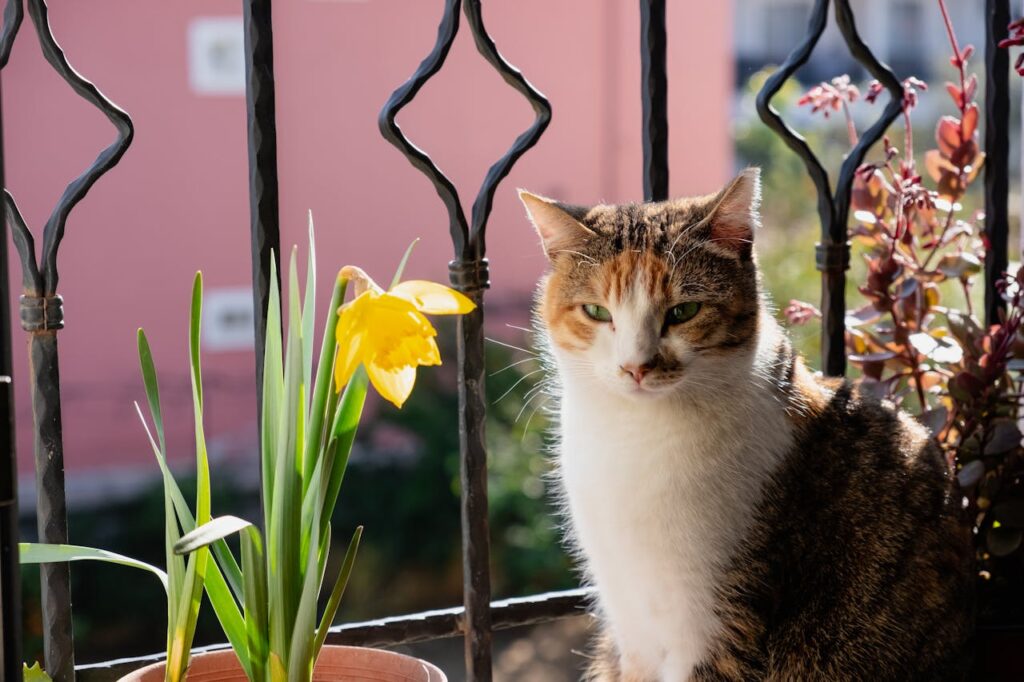
3. Daffodils (Narcissus)
Danger level: Moderate to high.
Daffodils contain alkaloids that cause severe vomiting. As with tulips, the most toxic part is the bulb. Even a small piece can cause serious problems for a cat or a small dog.
- Toxic substance: Lycorine.
- Symptoms: Vomiting, diarrhoea, stomach pain. In severe cases – a drop in blood pressure, convulsions, and heart arrhythmia. Inhaling dust from the bulbs can cause breathing problems.
4. Lily of the Valley (Convallaria majalis)
Danger level: Extremely high.
This delicate flower is a real biological weapon for an animal’s heart. Lily of the valley contains cardiac glycosides – substances that affect the contraction of the heart muscle.
- Toxic substance: Convallatoxin.
- Symptoms: Vomiting, lowered heart rate (bradycardia), severe arrhythmia, seizures. Death can occur suddenly due to cardiac arrest.
- Note: Even the water in which a bouquet of lilies of the valley has stood becomes deadly poisonous.
5. Hyacinths (Hyacinthus)
Danger level: Moderate.
Popular plants for forcing on windowsills. Hyacinth sap contains calcium oxalate crystals, which mechanically damage tissues, acting like microscopic needles.
- Symptoms: Intense chewing, drooling, swelling of the mouth and throat (which can make breathing difficult), vomiting with blood (due to damage to the gullet).
6. Crocuses (Crocus)
Danger level: Depends on the species.
It is important not to get confused here. There are spring crocuses (Crocus species) and autumn ones (Colchicum autumnale – Autumn Crocus). Spring crocuses are less toxic and cause mainly stomach upsets. However, the Autumn Crocus, which is sometimes confused with the regular crocus, contains colchicine and is deadly poisonous (causes bleeding, liver and kidney damage).
Since owners often don’t know the exact variety, it’s best to keep animals away from any crocuses.
7. Azalea and Rhododendron (Rhododendron)
Danger level: High.
These shrubs often bloom in spring and are stunningly beautiful. However, all parts of the plant contain neurotoxins. For a medium-sized dog to be poisoned, eating just a few leaves is enough.
- Toxic substance: Grayanotoxin.
- Symptoms: Drooling, vomiting, diarrhoea, muscle weakness, loss of coordination, paralysis of limbs, coma.
Symptom table: When to sound the alarm
Sometimes we don’t see the moment when the animal ate the plant. Therefore, it is important to know the general signs of intoxication. A quick reaction from the owner is often decisive.
| Body system | Symptoms | Possible cause (plant) |
|---|---|---|
| Gastrointestinal tract | Vomiting, diarrhoea, hypersalivation, refusal to eat | Daffodil, Tulip, Hyacinth, Aloe |
| Nervous system | Seizures, tremors, loss of coordination, dilated pupils | Azalea, Autumn Crocus, Tobacco |
| Cardiovascular system | Arrhythmia, pulse too fast or slow, pale mucous membranes | Lily of the Valley, Oleander, Foxglove |
| Kidneys | No urination, severe thirst, specific smell from the mouth | Lilies (in cats) |
It is worth noting that sometimes symptoms may look like an allergic reaction rather than poisoning. If your pet is sneezing, has eye discharge, or is itching, it might be a reaction to pollen.
First aid for suspected plant poisoning
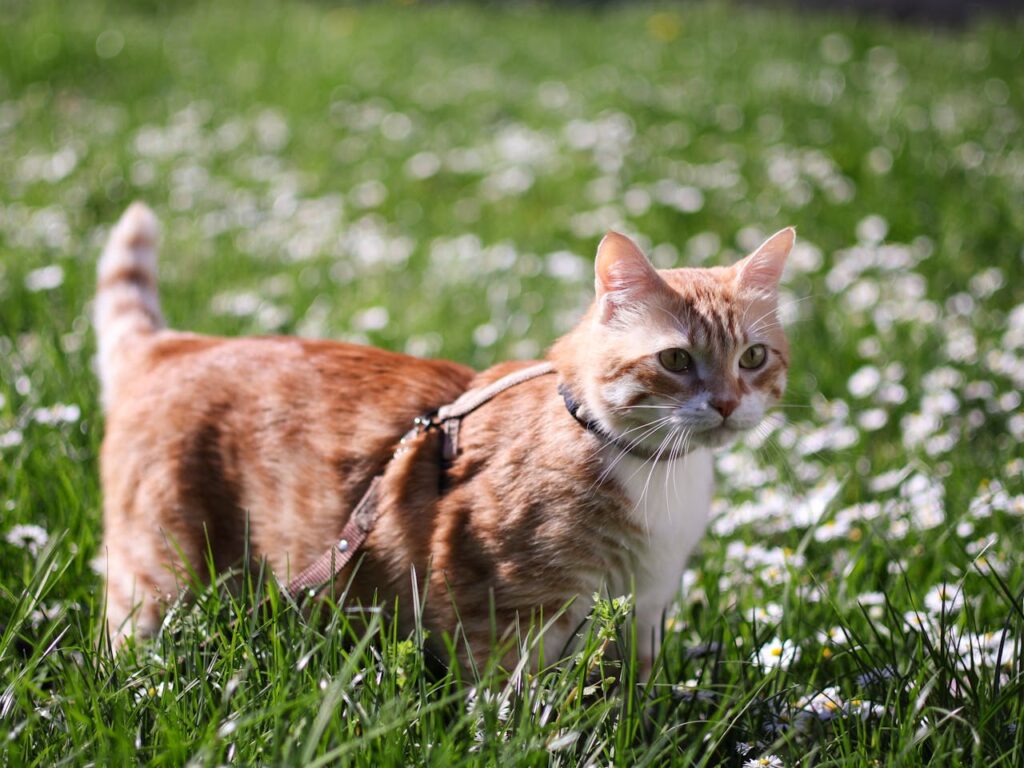
If you have seen that the cat or dog is chewing a dangerous plant, or have noticed alarming symptoms, act immediately. Panic is your enemy.
- Isolate the animal. Remove plant remains from the mouth if it can be done safely (do not stick fingers into the mouth of an aggressive animal). Remove the poisonous flower from the access zone.
- Do not self-medicate. Do not give the animal human medicines, milk, spirits, or oil without a doctor’s instruction. This can worsen the condition (for example, fats speed up the absorption of some poisons).
- Induce vomiting? Only after consultation! Vomiting can only be induced in the first 1-2 hours and only if the animal is conscious. For some plants (hyacinths, dieffenbachia), vomiting is dangerous because irritants will burn the gullet again. Always call the vet before this procedure.
- Sorbents. If the doctor has permitted it, give the animal a sorbent (Activated Charcoal) calculated on the animal’s weight.
- Sample of the “criminal”. Be sure to take a part of the plant the animal ate to the clinic with you. Or take a photo of it. This will help the doctor quickly select an antidote or treatment protocol.
How to create a safe garden: alternatives and prevention

Avoiding poisonous plants does not mean that your garden has to turn into a desert. There are plenty of beautiful and absolutely safe flowers for animals. When planning landscape design, pay attention to these plants:
- Snapdragons (Antirrhinum): Bright, undemanding, and safe.
- Marigolds (Tagetes): A garden classic, not toxic.
- Petunias: A popular flower for pots, safe for cats and dogs.
- Roses: The flowers and leaves themselves are not poisonous, but beware of thorns that can injure paws or eyes.
- Gerberas: A great and safe alternative for home bouquets.
- Orchids (Phalaenopsis): Most species of indoor orchids do not harm cats.
Safety rules for owners
Even if you are sure of your own garden, remember neighbouring plots and walks in the park. We care about your animals, so we advise you to follow simple rules:
- On a walk, make sure the dog does not dig the ground under bushes or gnaw on unfamiliar plants.
- At home, place vases of flowers in places inaccessible to cats (although for cats the concept of an “inaccessible place” is very relative, it is better simply not to bring lilies home).
- Use special anti-chew sprays to treat plant pots.
- Plant special “cat grass” (sprouted oats or wheat) for your cat. This will satisfy the animal’s need for greens and distract attention from the ficus or tulip.
FAQ: Answers to common questions
Is it true that animals eat grass to induce vomiting and clear the stomach?
Yes, this is natural behaviour. But the problem is that the animal can confuse ordinary grass with daffodil leaves. Therefore, it is better to provide a safe alternative at home.
My cat only drank water from a vase with tulips. Is it dangerous?
Yes, this can be dangeruos. Toxins from plants are released into the water. Watch the animal’s condition and consult a doctor at the first signs of illness.
How much time is there to save them?
It depends on the type of poison and the weight of the animal. With lily poisoning in cats, irreversible changes begin after just 18-24 hours. With cyanide poisoning (found in the stones of some fruits), every minute counts. General rule: the sooner, the better.
Conclusions
Spring should bring joy, not visits to veterinary intensive care. The safety of cats and dogs in spring is the owner’s responsibility. Do not bring deadly bouquets home, check the composition of flowers in the flowerbed, and be attentive to changes in your pet’s behaviour.
Remember: no flower in the world is worth the health of your four-legged friend. Be vigilant, and may your spring be blooming and safe!